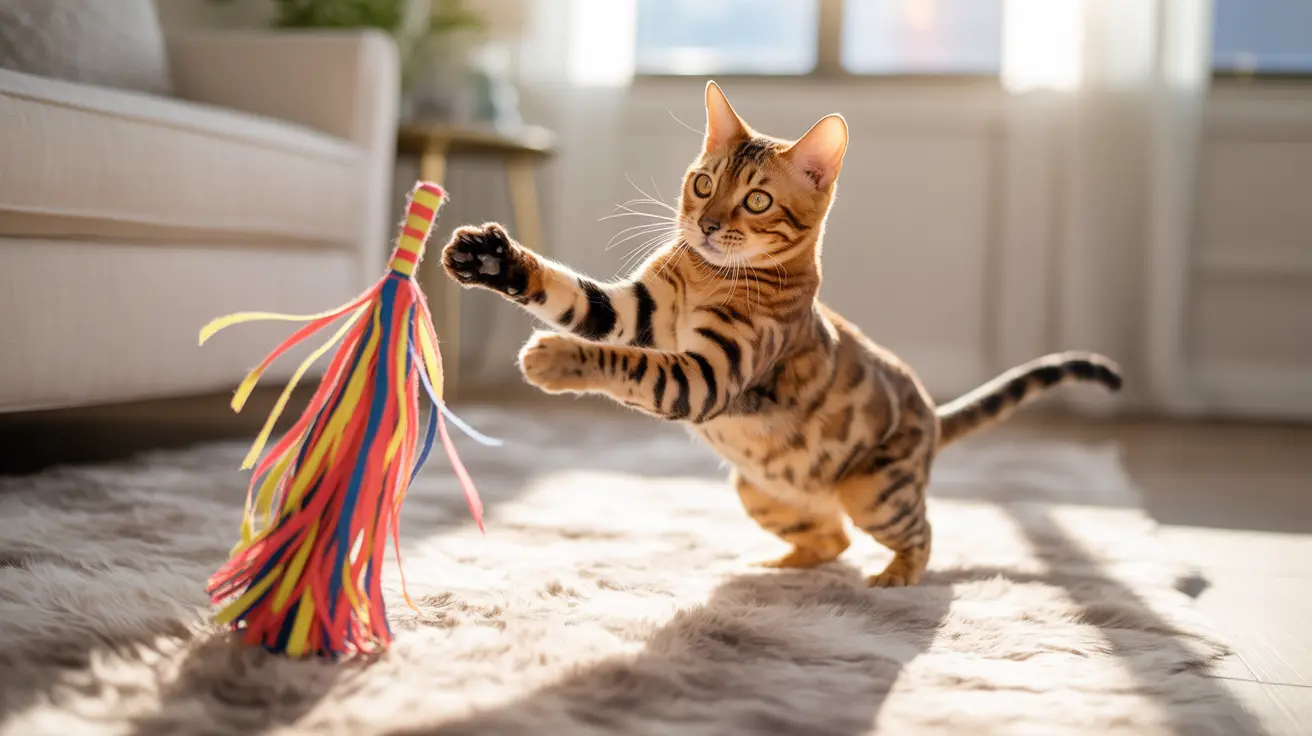
Have you ever watched your cat suddenly grab a toy and start kicking it furiously with their back legs? It looks both funny and a bit puzzling.
You might wonder why they do this strange dance and what it means. Understanding this behavior can help you connect better with your furry friend and even make playtime more enjoyable for both of you. Keep reading, and you’ll discover the surprising reasons behind your cat’s kicking habit—and why it’s a sign of a happy, healthy kitty.

Credit: www.petscare.com
Play Instincts In Cats
Cats have strong play instincts that come from their wild ancestors. These instincts help them learn and survive in nature. Even pet cats keep these natural behaviors. Play is not just fun for cats. It trains their mind and body for real-life hunting. Kicking toys with back legs is a clear sign of this instinct at work.
Hunting Behavior Simulation
Cats use play to copy hunting moves. Kicking toys with their back legs mimics striking prey. This action helps cats practice how to catch and hold animals. It allows them to feel in control and confident. Simulating hunting makes cats feel natural and fulfilled.
Muscle Coordination Practice
Kicking toys helps cats improve muscle control and balance. Their back legs need strength and accuracy to catch real prey. This play action sharpens these muscles. It also improves timing and coordination. Strong muscles and quick reflexes keep cats agile and ready.

Credit: medium.com
Territorial Marking
Cats use many ways to mark their territory. One common behavior is kicking toys with their back legs. This action is more than just play. It helps cats leave their scent and claim ownership of objects in their space. Understanding this behavior gives insight into how cats communicate and feel safe.
Scent Glands In Paws
Cats have scent glands in their paw pads. These glands release unique smells when they scratch or kick. This scent tells other animals that the area or object belongs to the cat. Kicking toys with their back legs spreads this scent. It is a quiet way to mark without fighting or loud noises.
Claiming Ownership
By kicking, cats show they own the toy or space. This behavior helps reduce stress. It makes cats feel more secure in their environment. Other cats or animals recognize these marks and stay away. This simple action helps keep peace and order in a cat’s territory.
Stress And Energy Release
Cats kick their toys with their back legs to release built-up energy and stress. This behavior mimics hunting and helps them stay active and focused. It’s a natural way for cats to express their playful instincts.
Cats often kick their toys with their back legs. This behavior can be fascinating to observe. It serves as a means of stress and energy release. Understanding this can enhance your bond with your feline friend.Physical Outlet For Energy
Cats are natural hunters. Even domestic cats have a lot of energy. They need an outlet to use this energy. Kicking toys provides a great physical activity. This action resembles hunting in the wild. It allows them to practice their instincts.Stress Relief Mechanism
Cats can experience stress from various sources. Changes in the environment can cause it. Interactions with other animals can be stressful too. Kicking toys helps them release built-up tension. This activity can calm their nerves. It provides a sense of accomplishment.Communication Signals
Cats use their bodies to send messages, and kicking their toys with their back legs is no exception. This behavior serves as a form of communication, letting others know what your cat is feeling or intending. Understanding these signals can help you better interpret your cat’s mood and reactions.
Warning To Other Animals
When a cat kicks with its back legs, it often acts as a warning to other animals nearby. This motion mimics the way wild cats defend themselves from threats. You might notice your cat doing this when it feels challenged or wants to protect its territory.
Have you seen your cat do this after catching a toy or during play with other pets? It’s their way of saying, “Back off” or “I’m ready to defend myself.” Recognizing this signal helps you know when your cat might be feeling stressed or defensive.
Expressing Excitement
This kicking action can also show excitement and high energy. Cats often “kick” their toys after a successful pounce or catch, much like a child showing joy after winning a game. It’s a playful expression that means your cat is fully engaged and happy.
Think about how your cat acts during a lively play session. That vigorous kicking is more than just fun—it’s a signal that your cat is alert and excited. Next time you see this, join in the play to strengthen your bond and keep that energy positive.
Age And Development Factors
Understanding why cats kick their toys with their back legs requires looking closely at their age and development. This behavior is deeply rooted in their growth stages and how their hunting skills evolve over time. Your cat’s age plays a big role in how and why they express this kicking action.
Kitten Play Behavior
Kittens are naturally curious and energetic. They start practicing their hunting skills through play, which includes pouncing, biting, and kicking toys with their back legs.
This kicking helps them develop coordination and strength. You might notice your kitten grabbing a toy with their front paws while delivering quick, powerful kicks with their back legs. It’s like their way of mastering how to hold and subdue prey.
Have you watched your kitten suddenly switch from chasing to kicking? This change is part of their learning process and shows that they are honing essential survival skills in a safe environment.
Adult Cat Adaptations
As cats grow older, their play behavior becomes more refined and strategic. Adult cats often use kicking to immobilize toys, mimicking how they would handle real prey.
This action also helps them release excess energy and stress. If you see your adult cat kicking toys vigorously, it’s not just play—it’s a way to keep their instincts sharp and their muscles strong.
Have you noticed how some adult cats kick more aggressively after a nap or during moments of excitement? This reveals how deeply ingrained and purposeful this behavior is, even beyond their kitten stage.

Credit: medium.com
Environmental Influences
Cats don’t kick their toys with their back legs randomly. Their environment plays a big role in this behavior. Understanding these influences helps you see your cat’s actions in a new light and can improve how you play together.
Toy Type And Texture
The kind of toy your cat chooses affects how they kick it. Soft, plush toys invite more vigorous kicking because they’re easy to grab and don’t hurt their claws. On the other hand, hard or slippery toys might get less of this behavior because they’re harder to hold onto.
I once noticed my cat went wild with a fuzzy mouse toy but barely kicked a rubber ball. This shows how texture and shape make a difference. You might want to offer various toys to see which one triggers that exciting kick-hunt game.
Space And Safety
The room where your cat plays matters a lot. Cats need enough space to kick without bumping into furniture or walls. If the area feels cramped or unsafe, they might hold back on their back-leg kicks.
Creating a safe play zone encourages your cat to unleash their natural instincts. Have you tried clearing a spot just for your cat’s playtime? It could make a surprising difference in how active and confident they feel.
Frequently Asked Questions
Why Do Cats Kick Toys With Back Legs?
Cats kick toys with their back legs to mimic hunting behavior. This action helps them control and immobilize prey. It’s an instinctive way to practice their natural skills.
Is Kicking Toys A Sign Of Aggression In Cats?
No, kicking toys is usually playful, not aggressive. Cats express hunting instincts through this behavior. It helps them burn energy and stay mentally stimulated.
How Does Kicking Toys Benefit A Cat’s Health?
Kicking toys improves a cat’s physical fitness and coordination. It also provides mental stimulation, reducing boredom and stress. This activity supports overall well-being.
Can All Cats Kick Toys, Or Is It Breed-specific?
Most cats, regardless of breed, exhibit toy-kicking behavior. It is a natural hunting reflex seen in domestic and wild cats alike. Breed does not significantly affect this trait.
Conclusion
Cats kick toys with their back legs to practice hunting skills. This behavior helps them stay active and focused. It also shows their playful and curious nature. Watching this action can bring joy and understanding of cats’ instincts. Knowing why cats do this helps owners connect better with their pets.
It also encourages providing toys that stimulate natural behaviors. Remember, this kicking is normal and healthy for cats. Enjoy these moments—they reveal much about your cat’s personality and needs.

Leave a Reply