Have you ever worried about a cat breeder who doesn’t treat their cats right? Maybe you’ve seen signs of neglect or heard troubling stories.
Knowing how to report a bad cat breeder is important—it can protect innocent cats from suffering and help others avoid making a painful mistake. You’ll learn clear, simple steps to take if you encounter a breeder who isn’t acting responsibly.
By the end, you’ll feel confident about standing up for animals and making a real difference. Keep reading to find out exactly what you can do.

Credit: m.youtube.com
Signs Of A Bad Cat Breeder
Identifying a bad cat breeder helps protect cats and future owners. Knowing the signs can save many cats from suffering. Watch out for clear warning signals in their breeding and care methods. These signs show a breeder’s lack of responsibility and care.
Poor Living Conditions
Bad breeders keep cats in dirty, cramped spaces. Cats may have no clean water or proper food. The environment often smells bad and lacks fresh air. Poor hygiene leads to health problems and stress in cats.
Lack Of Health Testing
Good breeders test cats for common diseases. Bad breeders ignore health checks completely. Kittens from these breeders often have genetic or infectious illnesses. Health testing is essential for strong, healthy cats.
Unethical Breeding Practices
Unethical breeders breed cats too young or too often. They may ignore breed standards and focus on profit. Breeding related cats causes genetic issues in kittens. These practices harm the cats’ well-being and future health.
No Proper Documentation
Reliable breeders provide vaccination and health records. Bad breeders fail to give proper papers or contracts. Without documents, you cannot verify the kitten’s background. Lack of paperwork is a major red flag.

Credit: www.petscare.com
Gathering Evidence Against The Breeder
Gathering evidence against a bad cat breeder is essential to make your report strong. Solid proof helps authorities understand the situation clearly. Collecting different types of evidence ensures a complete picture of the breeder’s actions. This process protects future cats from harm and supports animal welfare.
Taking Photos And Videos
Visual evidence shows the real condition of the cats and the breeder’s environment. Use your phone or camera to capture clear images. Focus on living spaces, cleanliness, and the cats’ health. Short videos can also reveal important details like behavior and treatment. Date and time stamps add credibility to your files.
Collecting Witness Statements
Talk to people who have seen the breeder’s practices. Neighbors, visitors, or previous buyers may share valuable information. Ask them to write down what they observed. Statements should include dates, times, and specific events. These accounts support your case by confirming your claims.
Saving Communication Records
Keep all messages exchanged with the breeder. Save emails, texts, and social media chats. These records may show promises, excuses, or refusal to improve conditions. Organize the communications by date for easy reference. Clear records prove your attempts to resolve issues directly.
Where To Report A Bad Breeder
Contact local animal control or humane societies to report a bad cat breeder. Providing clear details helps authorities act quickly. Online platforms and breed clubs may also accept complaints.
When dealing with a bad cat breeder, knowing where to report can make all the difference in ensuring the welfare of the animals involved. Reporting a bad breeder can prevent future harm and protect other potential pet owners from a similar experience. This section explores the various channels available to report unethical breeding practices.Local Animal Control Agencies
Local animal control agencies are your first line of defense. They have the authority to investigate complaints and enforce local laws regarding animal welfare. A quick call or visit to your local agency can set the wheels in motion to address any concerns you have about a breeder.Animal Welfare Organizations
Organizations like the ASPCA or Humane Society are dedicated to animal welfare and can be powerful allies. They often have resources and expertise to investigate and address breeder misconduct. Contacting them can provide additional support and guidance on the next steps.Cat Breeder Registries
If the breeder is registered with a reputable cat breeder registry, you can report them directly to the organization. Registries maintain standards for breeding practices and can take disciplinary actions if necessary. This can be an effective route if you have documentation of the breeder’s registration.Online Reporting Platforms
The internet offers platforms where you can anonymously report bad breeders. Websites dedicated to animal welfare often have sections for submitting complaints or reviews about breeders. This not only raises awareness but also warns other potential buyers of unethical practices. By taking these steps, you are advocating for the well-being of cats and helping to ensure that breeding is conducted ethically and responsibly. Have you ever considered how your actions can impact the lives of countless animals for the better?How To File An Effective Complaint
Filing a complaint against a bad cat breeder needs clear and strong information. A well-written complaint helps authorities understand the problem fast. It increases the chance of action. Focus on facts, avoid opinions, and keep your message simple and direct.
Providing Detailed Information
Give exact details about the breeder and the issue. Include the breeder’s name, address, and contact info. Describe what happened clearly. Mention dates, places, and any important events. The more specific, the better. This helps officials check facts easily.
Submitting Evidence
Proof makes your complaint stronger. Attach photos, videos, or documents showing poor conditions or mistreatment. Include receipts, messages, or contracts with the breeder if possible. Evidence must be clear and relevant. It supports your claims and speeds up investigations.
Following Up On Reports
After filing, keep track of your complaint. Note the reference number or case ID. Contact the agency if you do not hear back in a few weeks. Be polite but firm. Following up shows your seriousness and helps move the case forward.
Protecting Cats From Future Harm
Protecting cats from future harm starts with responsible actions by everyone. Reporting bad cat breeders helps stop cruelty. It also prevents poor care for many cats ahead. Supporting good practices and raising awareness keeps cats safe.
Supporting Responsible Breeders
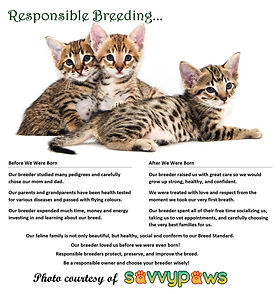
Choose breeders who care deeply for their cats. They provide clean homes and proper medical care. Responsible breeders test for health issues and socialize kittens well. They follow rules to protect cats’ well-being. By supporting them, you encourage better treatment of cats.
Adopting From Shelters
Shelters offer many cats needing homes. Adoption saves cats from abuse and neglect. It reduces demand for bad breeders. Shelter cats often receive health checks and vaccinations. Giving shelter cats a home helps break the cycle of cruelty.
Raising Awareness In The Community
Tell friends and family about the risks of bad breeders. Share facts about how to spot responsible breeders. Encourage others to adopt or support ethical breeding. Community talks and social media posts spread knowledge fast. Awareness helps protect more cats over time.

Credit: www.elysianbengals.com
Frequently Asked Questions
How Do I Identify A Bad Cat Breeder?
Look for poor cat health, unsanitary conditions, and lack of proper documentation. Bad breeders often ignore vaccinations and socialization.
Where Can I Report Unethical Cat Breeders?
You can report to local animal control, the Better Business Bureau, or cat breeding associations.
What Information Is Needed To Report A Bad Breeder?
Provide breeder’s name, location, photos, receipts, and detailed descriptions of unethical practices.
Why Is Reporting Bad Cat Breeders Important?
Reporting helps protect cats from abuse and ensures future buyers avoid unethical breeders.
Conclusion
Reporting a bad cat breeder helps protect cats and future owners. It stops poor care and cruelty. Sharing what you know can make a big difference. Many people want healthy, happy pets. Taking action shows you care. Every report counts.
Together, we can create better lives for cats everywhere. Don’t stay silent. Speak up and help change the situation. Your voice matters.

Leave a Reply