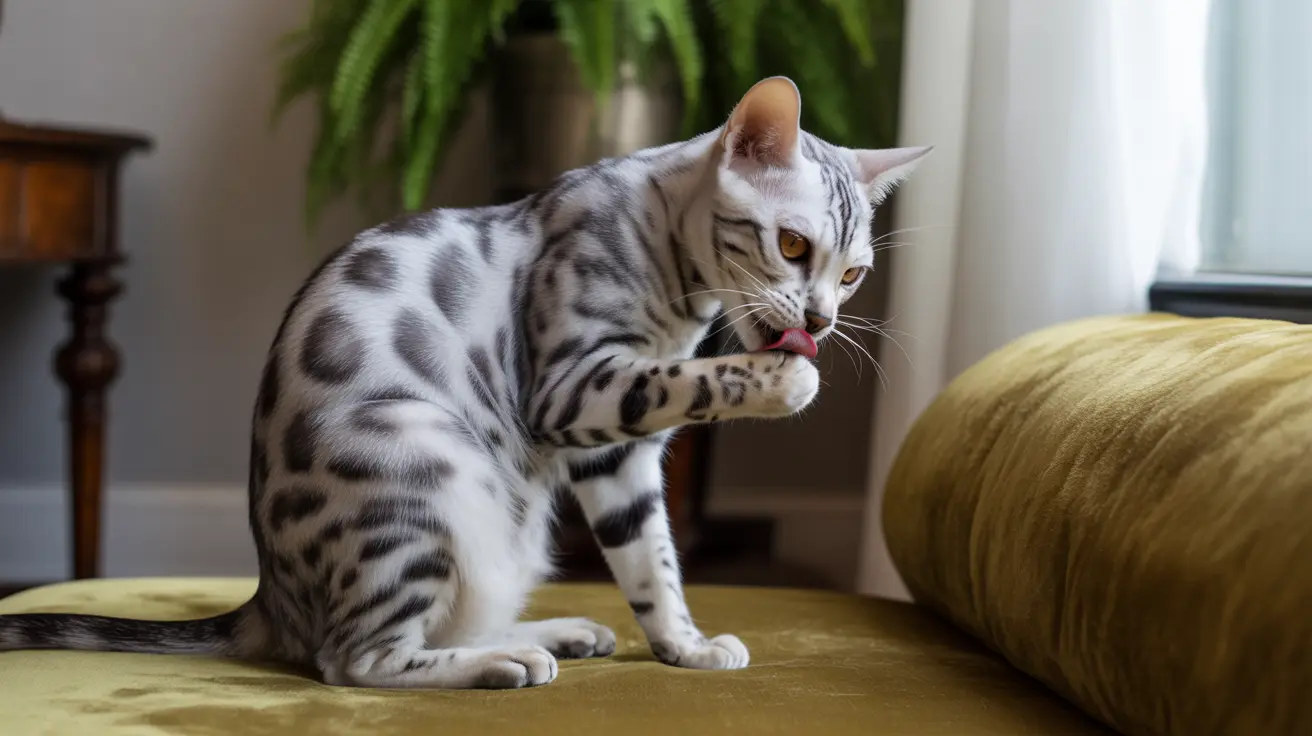
Have you ever noticed your cat start grooming itself just as you begin petting it? It might seem puzzling or even a little frustrating when your furry friend interrupts your affectionate moment to lick its fur.
But why do cats groom themselves when you pet them? Understanding this behavior can help you connect better with your pet and make your bonding time even more enjoyable. Keep reading, and you’ll discover the surprising reasons behind this curious habit—and how it affects your cat’s comfort and trust in you.
Cats’ Grooming Habits
Cats spend a large part of their day grooming themselves. This habit keeps their fur clean, healthy, and free from parasites. Grooming also helps cats relax and feel safe. Understanding their grooming habits explains why they might groom more when you pet them.
Natural Grooming Instincts
Cats have strong natural grooming instincts. They use their tongues to clean dirt and loose fur. Grooming helps remove scents that predators might detect. It also spreads natural oils to keep their coat shiny. This instinct comes from their wild ancestors, who needed to stay clean and hidden.
Frequency And Patterns
Cats groom several times a day. They often lick their paws and then rub their face. Grooming sessions can last from a few minutes to over an hour. Cats may groom more after eating or playing. Stress or changes in their environment can increase grooming too.
Credit: pethelpful.com
Impact Of Petting On Cats
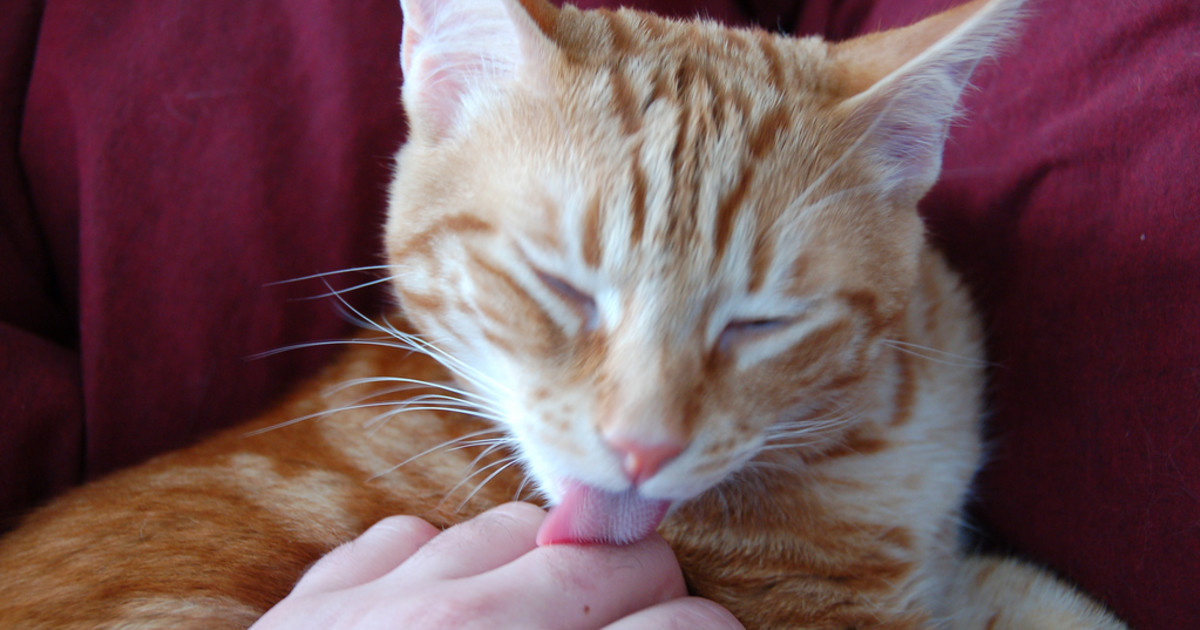
Petting your cat is more than just a way to show affection—it creates a complex interaction that affects your cat’s behavior in surprising ways. One common reaction is grooming themselves right after you pet them. Understanding the impact of petting helps you see why your cat might suddenly start licking or cleaning their fur during your bonding time.
Sensory Stimulation
When you pet a cat, you activate their sensitive nerve endings under the fur. This sensation is similar to how you might feel when someone gently strokes your skin—it triggers a response that can be both soothing and stimulating.
Sometimes, this stimulation causes cats to groom themselves. It’s like they’re processing the new feeling or resetting their sensory balance. Have you noticed your cat licking a particular spot you just touched? That’s their way of reinforcing or adjusting to the sensation.
Emotional Responses
Petting also influences your cat’s emotions. It can calm them down, but it might also make them feel a bit overwhelmed or excited. Grooming afterwards helps them manage these emotions by providing comfort and familiarity.
Think about a time when you felt anxious and ran your fingers through your hair or rubbed your hands together—that’s a self-soothing behavior similar to your cat’s grooming after petting. So, next time your cat starts cleaning themselves, consider it a sign they’re settling their feelings.
Reasons Behind Grooming During Petting
Have you noticed your cat suddenly start grooming itself while you’re petting it? This behavior might seem puzzling at first, but it holds several important meanings. Understanding why cats groom themselves during petting can help you connect better with your furry friend and respect their boundaries.
Stress Relief And Comfort
Grooming is a natural way for cats to calm themselves down. When you pet your cat, it can sometimes feel overwhelming or overstimulating, especially if the petting is intense or in a sensitive spot.
By licking their fur, your cat soothes its nerves and regains a sense of control. Have you noticed your cat stops purring and starts grooming when you pet them too long? That’s their way of saying, “I need a break.”
Marking Their Scent
Cats have scent glands in their mouths and paws. When they groom themselves after being petted, they are mixing your scent with their own.
This action helps them mark their territory and feel secure. It’s like your cat is saying, “You’re part of my world now.” Next time your cat grooms right after your touch, remember it’s a sign of bonding and ownership.
Showing Affection In Return
Sometimes, grooming during petting is your cat’s way of giving love back. Cats often groom each other as a social gesture, so self-grooming can mimic this behavior.
It’s their quiet way of saying, “I appreciate your attention.” Pay close attention to when your cat alternates between petting and grooming—that’s a subtle conversation happening between you.

Credit: medium.com
How Grooming Affects Cat-human Bond
Cats groom themselves during petting to stay clean and calm. This behavior also helps build trust and comfort between you and your cat. Grooming signals relaxation and strengthens the bond you share.
Cats have a unique way of expressing affection. Grooming is one of these ways. It isn’t just about cleanliness. It’s a social activity for cats. When cats groom after being petted, it can affect the cat-human bond.Building Trust
Cats are cautious creatures. Trust is key for them. When a cat grooms after you pet it, it shows comfort. This behavior means they trust you. They feel safe and secure. Trust strengthens bonds. Cats know they can relax around you. This trust is vital for a strong connection.Communication Signals
Grooming is also a form of communication. Cats use it to send signals. When they groom after petting, they communicate contentment. They are saying they enjoy your presence. It’s a non-verbal way to express happiness. This behavior tells you they feel loved. Understanding these signals can deepen your relationship. It helps in creating a stronger bond.When Grooming Indicates Discomfort
Sometimes, a cat grooming itself while you pet it isn’t a sign of contentment. Instead, it can be a subtle hint that your feline friend is feeling uneasy or stressed. Understanding when grooming signals discomfort helps you respond better and respect your cat’s boundaries.
Signs Of Overstimulation
Have you noticed your cat suddenly licking or biting its fur more than usual during petting? This can mean your cat is overstimulated. Overstimulation happens when petting goes beyond what your cat enjoys, turning from pleasant to irritating.
Look out for these signs:
- Rapid tail twitching or flicking
- Sudden skin twitching or flicking of fur
- Frequent grooming in the area you are touching
- Flattened ears or a tense body
When grooming replaces relaxed purring, it’s your cat’s way of self-soothing. Have you ever felt overwhelmed and needed a quick break? Your cat feels the same way but uses grooming to cope instead of asking for space.
Recognizing Anxiety
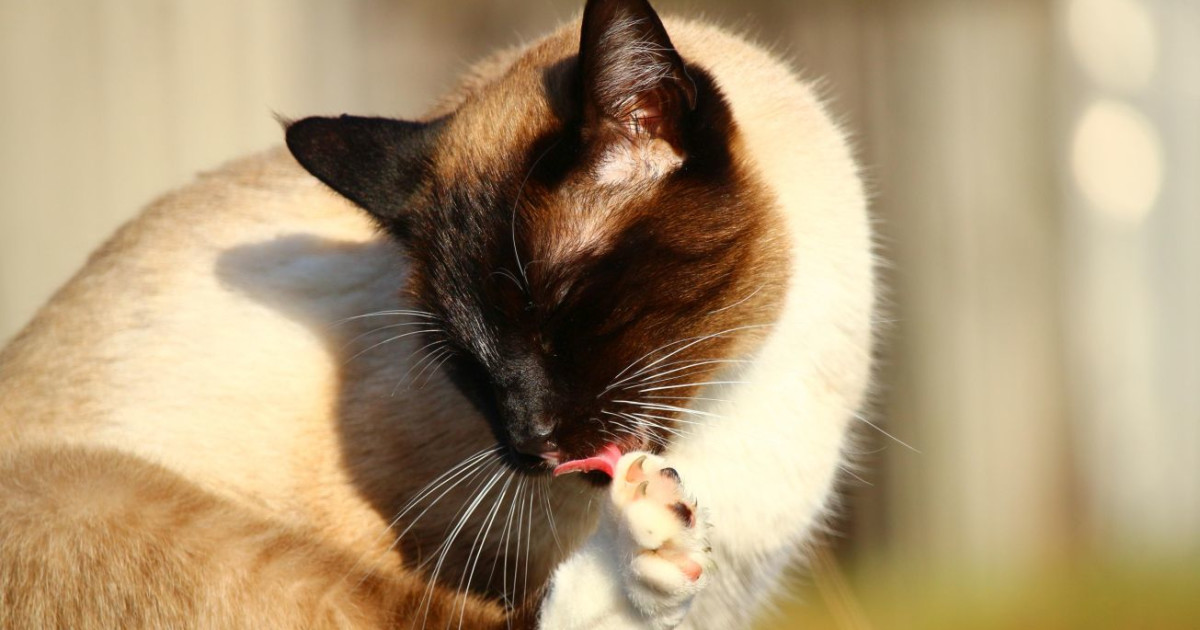
Grooming can also reveal anxiety in your cat. If your cat licks obsessively or focuses on one spot, it might be trying to calm nerves caused by stress or fear. This behavior is more than just cleanliness—it’s a coping mechanism.
Other anxiety indicators include:
- Hiding or avoiding interaction
- Restlessness or pacing
- Changes in eating or litter habits
When your cat suddenly starts grooming during petting, ask yourself: Is there something new or unsettling in the environment? Maybe a loud noise or unfamiliar visitor triggered this reaction. Paying attention to these clues helps you create a calm space for your cat.
Credit: pethelpful.com
Tips To Encourage Positive Interaction
Encouraging positive interaction with your cat helps build trust and comfort. Cats respond best when you respect their signals and preferences. Understanding how cats communicate and the right way to pet them can make your bond stronger. These tips will guide you to enjoy calm and happy moments with your feline friend.
Reading Cat’s Body Language
Watch your cat’s tail and ears closely. A relaxed tail means they feel safe. If the tail twitches, they might be irritated. Ears pointing forward show interest, while ears flat back signal stress. Slow blinking is a sign of trust. Look for these signs before petting your cat.
Best Petting Techniques
Start by gently stroking the head or behind the ears. Most cats enjoy soft, slow touches in these areas. Avoid the belly unless your cat shows clear comfort. Use a calm voice and steady hands to avoid startling them. Stop petting if your cat moves away or twitches its tail.
Frequently Asked Questions
Why Do Cats Groom Themselves After Petting?
Cats groom to calm down and process new sensations. Petting can stimulate their nerves, triggering self-cleaning. Grooming also reassures them by maintaining their scent and comfort.
Is Grooming A Sign Of Cat Happiness?
Yes, grooming often indicates contentment. Cats groom when relaxed and safe. It helps them bond with themselves and their environment.
Can Petting Cause Stress In Cats?
Sometimes, yes. Overstimulation from petting can stress cats. Grooming afterward helps them relieve this stress and regain calmness.
Does Grooming Help Cats Stay Clean After Petting?
Absolutely. Grooming removes dirt and loose fur. It keeps their coat clean and healthy after human touch.
Conclusion
Cats groom themselves after being petted to feel calm and clean. This habit helps them relax and stay comfortable. Petting can make cats aware of their fur and skin. Grooming also shows trust and happiness. Watching your cat groom is a sign they feel safe.
Understanding this behavior builds a stronger bond with your pet. Remember, grooming is a natural way cats care for themselves. It’s just one of the many ways cats express their feelings.

Leave a Reply