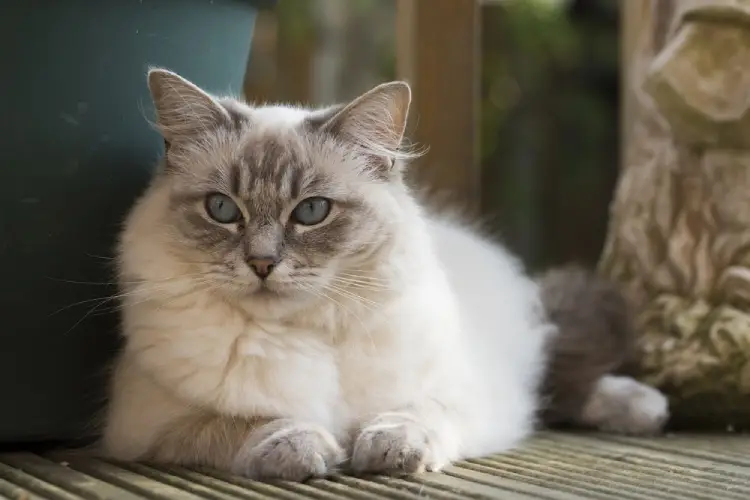
Do you love the feeling of a warm, purring cat nestled in your arms? Not all cats enjoy being held, but some breeds truly thrive on that close, loving connection.
If you’ve ever wondered which cats are happiest cuddled up with you, this guide will help you find the perfect furry companion who loves to be held. Keep reading to discover the most affectionate cat breeds that will make your heart melt every time you pick them up.
Your next cuddle buddy might be just a scroll away!
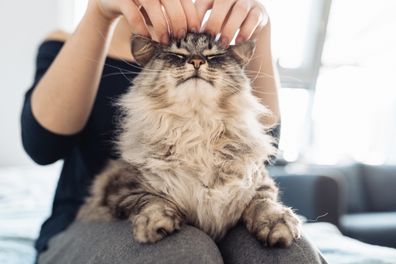
Credit: honey.nine.com.au
Traits Of Affectionate Cats
Affectionate cats have special traits that make them love being held. These cats enjoy close contact and often seek comfort in human arms. Their gentle nature and trust in people make cuddling a favorite activity. Recognizing these traits can help you find a cat that loves affection and bonding.
Signs Of A Cuddle-loving Cat
- Relaxed body when picked up or held
- Slow blinking or purring near you
- Rubbing their head against your hand or face
- Following you from room to room
- Settling on your lap without fuss
Behavior That Shows Attachment
- Seeking your attention by meowing softly
- Grooming you or your hair gently
- Sleeping close to or on you
- Showing signs of stress when you leave
- Returning after being outside or away
Top Cat Breeds That Enjoy Being Held
Some cat breeds enjoy being held more than others. These cats love close contact and cuddles. Their friendly nature makes them perfect companions for people who like to hold their pets often.
Here are some top cat breeds known for enjoying being held. Each breed has unique traits that make them affectionate and loving in your arms.
Ragdoll: The Relaxed Companion
Ragdolls are famous for their calm and gentle nature. They often go limp when picked up, hence the name “Ragdoll.” These cats enjoy being cradled and will stay relaxed in your arms. They love warmth and closeness, making them perfect lap cats.
Siamese: The Vocal Lover
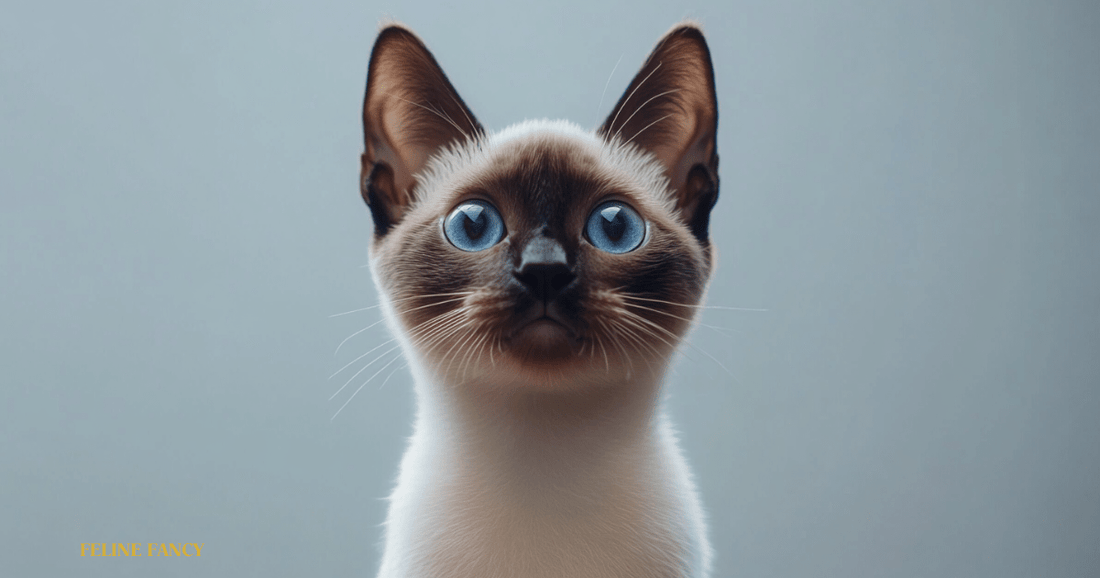
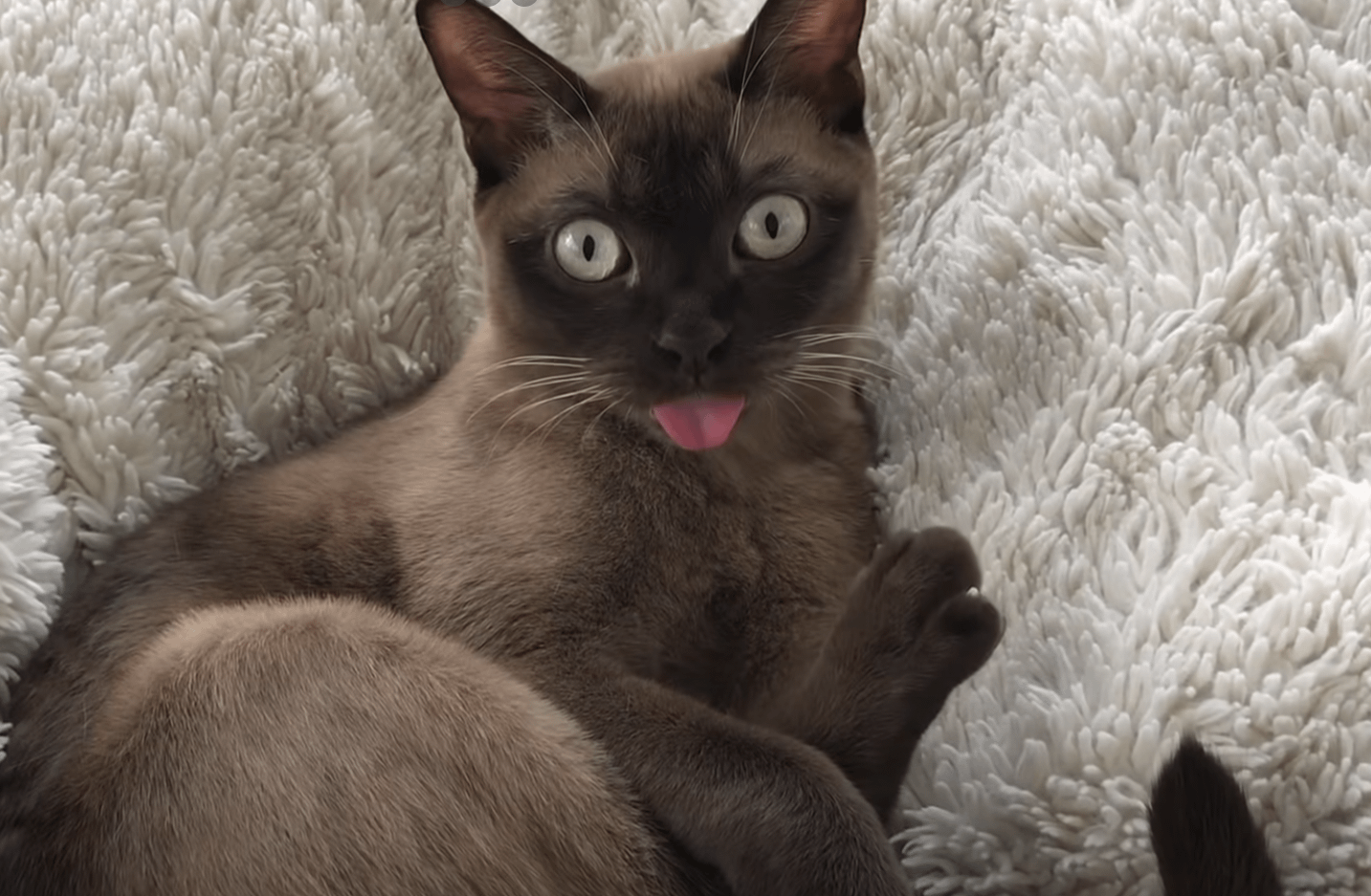
Siamese cats are social and crave attention. They enjoy being held and will often meow to invite you. Their vocal nature matches their affectionate personality. Holding a Siamese cat can feel like a lively, loving chat.
Maine Coon: The Gentle Giant
Maine Coons are large but very gentle. They enjoy being picked up and cuddled, despite their size. These cats are patient and friendly, making them great for families. Holding a Maine Coon feels like hugging a soft, furry giant.
Scottish Fold: The Sweet-tempered Cat
Scottish Folds have a calm and sweet personality. They enjoy close contact and often seek out being held. Their unique folded ears add to their charm. These cats are quiet, making cuddling time peaceful and warm.
Birman: The Social Butterfly
Birmans love people and enjoy being close. They often follow their owners and want to be held. These cats are playful and gentle, making them great for cuddle sessions. Holding a Birman feels like holding a soft, friendly friend.
How To Hold Your Cat Comfortably
Certain cat breeds like Ragdolls and Maine Coons enjoy being held and cuddled. These cats often relax in your arms and appreciate gentle support. Holding them softly helps build trust and comfort between you and your pet.
Holding your cat comfortably can be a delightful experience for both you and your feline friend. Not all cats love to be held, but those that do can feel safe and secure in your arms when held correctly. It’s essential to learn how to hold your cat in a way that respects their comfort and natural instincts.Techniques For Safe Handling
– Support Their Body: Always ensure that you support your cat’s body fully. Place one hand under their chest and the other under their hindquarters. This provides stability and helps them feel secure. – Keep Them Close: Hold your cat close to your body. This helps them feel more secure and less likely to squirm or jump away. – Gentle Pressure: Use gentle pressure while holding your cat. Avoid squeezing too tightly, which can make them uncomfortable or anxious.Reading Your Cat’s Body Language
Understanding your cat’s body language can make all the difference in how they respond to being held. – Tail Position: A swishing tail might indicate that your cat is agitated or wants to be let down. A relaxed tail is usually a sign of contentment. – Ear Movements: If your cat’s ears are forward, they might be curious or relaxed. Ears flat against the head often signal discomfort or annoyance. – Purring and Vocalization: Purring can indicate contentment, but it’s not always a sign of happiness. Pay attention to other signals to understand their mood better. Have you ever noticed how your cat reacts differently when held by various people? This is because cats have unique preferences and comfort levels. Observing your cat’s cues and adjusting your approach can foster a stronger bond and make holding them a positive experience.
Credit: petcube.com
Building Trust With Your Cat
Building trust with your cat is the key to a strong bond. Cats need to feel safe and comfortable to enjoy being held. Trust grows over time through gentle care and respect. Understanding your cat’s mood and limits helps create a happy relationship. This section explores simple ways to earn your cat’s trust and make holding a joy for both.
Creating Positive Experiences
Positive moments teach cats to love being held. Use soft voices and slow movements. Let your cat come to you first. Pet them gently in spots they like. Offer treats as a reward after being held. These actions create happy memories. Repeat often to build a strong connection.
Patience And Consistency
Patience is vital when building trust with cats. Avoid rushing or forcing them to stay in your arms. Be consistent with your approach every day. Cats learn to expect kindness and calm. Over time, they feel safe and relaxed. This patience leads to more cuddles and closeness.
When Cats Prefer Space
Sometimes, cats just want to be left alone. Even the most affectionate breeds have moments when they prefer space over cuddles. Understanding these moments helps you build a stronger bond with your feline friend.
Recognizing Signs Of Discomfort
Your cat won’t always tell you in words when they want space, but their body language is clear. Watch for signs like twitching tails, flattened ears, or sudden attempts to get away. If your cat stiffens or avoids eye contact, it’s a strong signal they’re uncomfortable.
I once held my Maine Coon, only to notice her pawing at my hand and shifting restlessly. That was my cue to put her down, respecting her need for space. Have you ever felt unsure if your cat wanted to be held or not? Paying attention to these signals can save both of you from stress.
Respecting Your Cat’s Boundaries
Respecting your cat’s limits means offering affection on their terms. Let your cat choose when they want to be held or petted. Don’t force contact, even if they belong to a breed known for being cuddly, like Ragdolls or Scottish Folds.
Try creating a cozy spot nearby where your cat can come to you when ready. This approach encourages trust and shows you honor their independence. How do you make sure your cat feels safe and in control during your interactions?
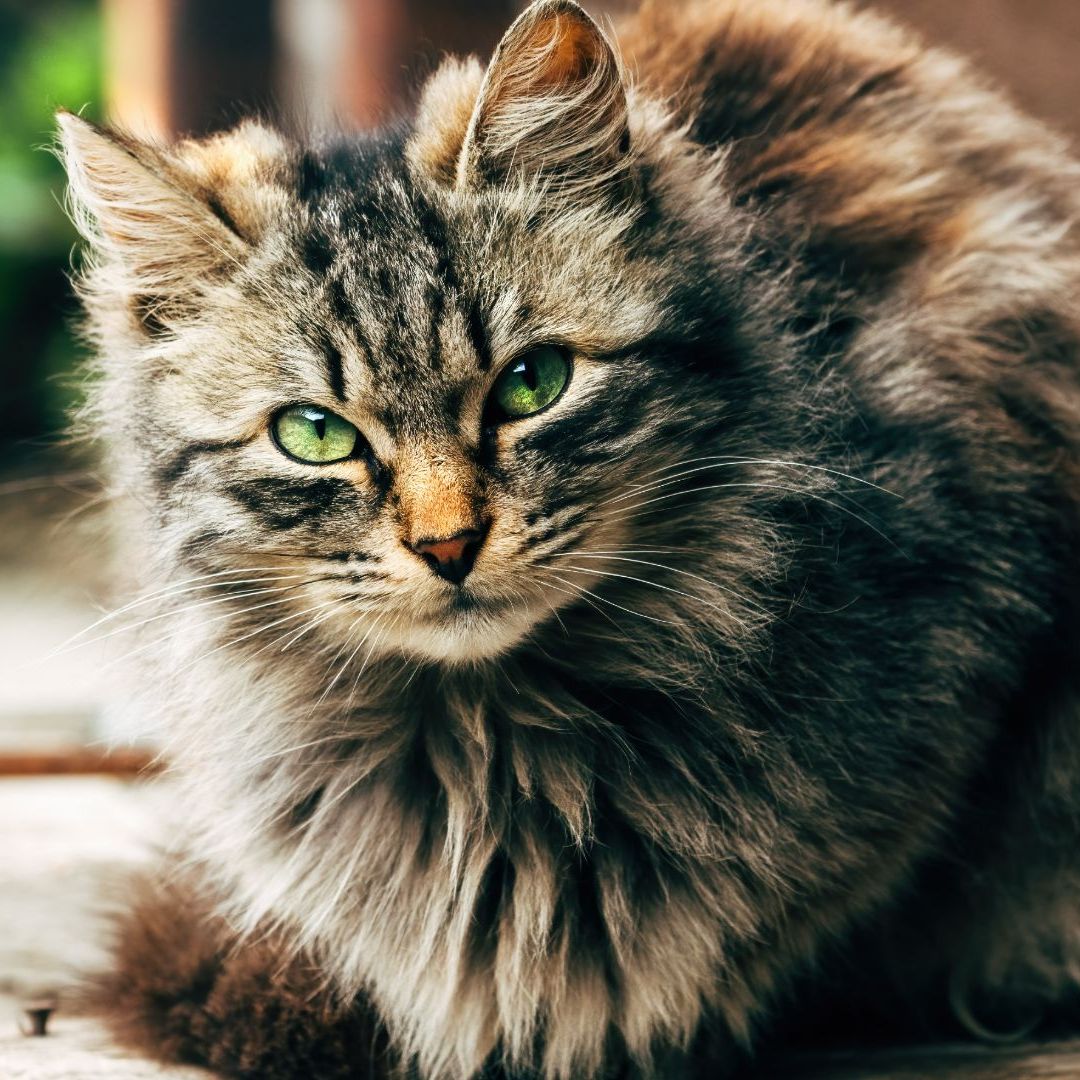
Credit: www.petsradar.com
Frequently Asked Questions
Which Cat Breeds Enjoy Being Held The Most?
Breeds like Ragdolls, Maine Coons, and Siamese cats love being held. They are naturally affectionate and enjoy close contact with humans. These cats often seek cuddles and feel comforted when held, making them ideal companions for those who want a lap cat.
How Can I Tell If My Cat Likes Being Held?
Look for relaxed body language, purring, and slow blinking. Cats that stay calm when picked up usually enjoy being held. If your cat tries to squirm away or growls, it likely prefers less physical contact.
Are All Cats Comfortable With Being Held?
No, not all cats like being held. Comfort levels vary by breed and individual personality. Some cats prefer minimal handling, while others crave human touch. Always respect your cat’s preferences to ensure a positive relationship.
Why Do Some Cat Breeds Prefer Cuddling And Holding?
Certain breeds are genetically predisposed to enjoy human interaction. They have social, affectionate temperaments and form strong bonds with owners. Holding provides them warmth, security, and emotional comfort, reinforcing their loving nature.
Conclusion
Cats that enjoy being held bring extra joy and comfort. These breeds often seek closeness and love gentle touches. Holding them can strengthen your bond and ease stress. Remember, every cat is unique and shows love differently. Spend time to learn your cat’s likes and dislikes.
Patience and care help build trust and happiness. Choose a cat breed that fits your lifestyle and affection needs. Enjoy the special moments of cuddling and warmth. Caring for a loving cat creates lasting memories and friendship.

Leave a Reply