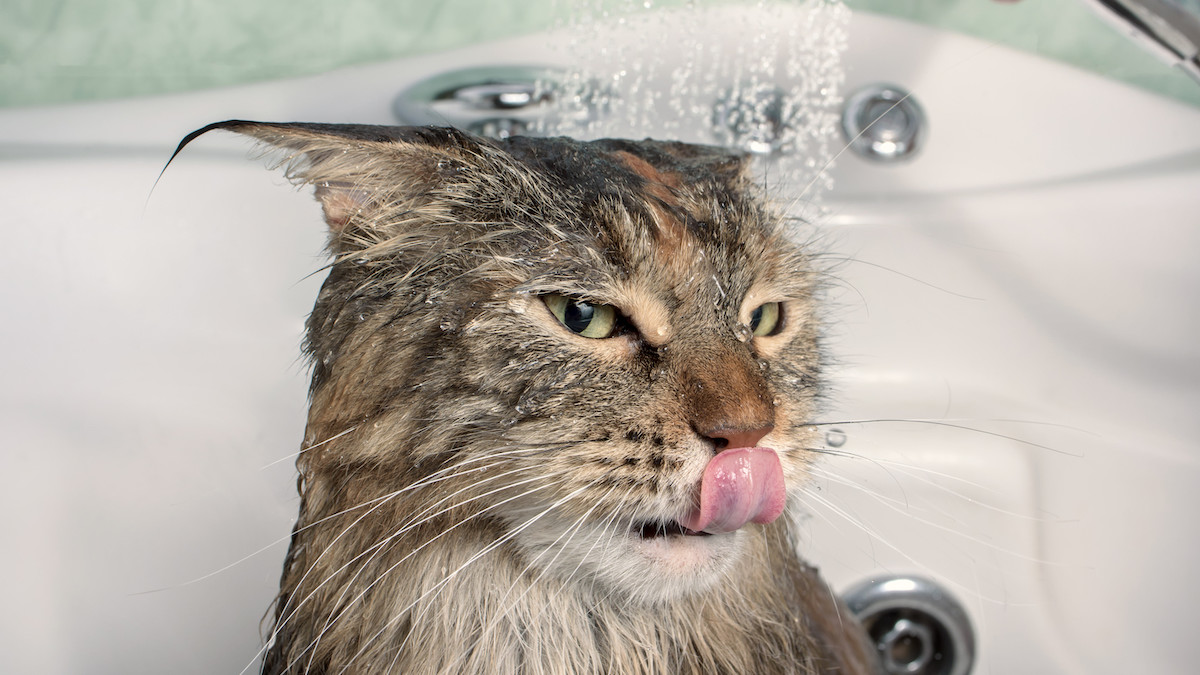
Have you ever given your cat a bath and then watched as they immediately start licking themselves clean? It might seem a bit strange, but there’s a good reason behind this behavior.
Understanding why your cat grooms themselves after a bath can help you feel more connected to your furry friend and make bath time less stressful for both of you. Keep reading to discover the surprising reasons behind this instinct and how it helps your cat feel safe and comfortable again.
Cats’ Grooming Instincts
Cats have a strong natural urge to clean themselves. Their grooming instincts are part of their daily routine. After a bath, this behavior becomes even more noticeable. Grooming helps cats feel comfortable and secure. It is a vital part of their health and well-being.
Natural Cleaning Behavior
Cats use grooming to remove dirt and loose fur. Their rough tongues act like tiny brushes. This helps keep their coats smooth and clean. After a bath, cats lick to dry their fur quickly. Grooming also helps spread natural oils evenly. These oils protect the skin and fur from damage.
Maintaining Scent And Territory
Cats have scent glands in their skin and paws. Grooming helps spread their unique scent across their bodies. This scent marks their territory and signals safety. After a bath, their natural scent washes away. Cats groom to restore their familiar smell. This helps them feel at home and less stressed.
Effects Of Water On Cats
Water affects cats in ways that go beyond just getting them wet. Since cats are naturally clean animals, the sensation of water on their fur triggers a set of reactions aimed at restoring their comfort and well-being. Understanding how water impacts cats can help you better handle their grooming behavior after a bath.
Feeling Of Dampness
Cats dislike the feeling of dampness because their fur is designed to stay dry and insulated. When wet, the fur sticks to their skin, making them feel vulnerable and uncomfortable.
Have you noticed how your cat immediately starts licking and grooming right after a bath? This is their way of shaking off that unpleasant damp feeling. Grooming helps fluff up their fur and remove excess water, bringing back the familiar dry texture they prefer.
Temperature Regulation
Water cools a cat’s body quickly, which can lead to a drop in their body temperature. Cats rely on their fur to keep warm, so when wet, they lose that natural insulation.
Grooming after a bath helps cats dry off faster and regain their body heat. If you’ve ever seen your cat vigorously licking their fur or even seeking a sunny spot, it’s their way of warming up and regulating their temperature.
Next time you give your cat a bath, ask yourself: How can I make this experience less stressful by helping them stay warm and dry sooner?
Stress And Comfort Mechanisms
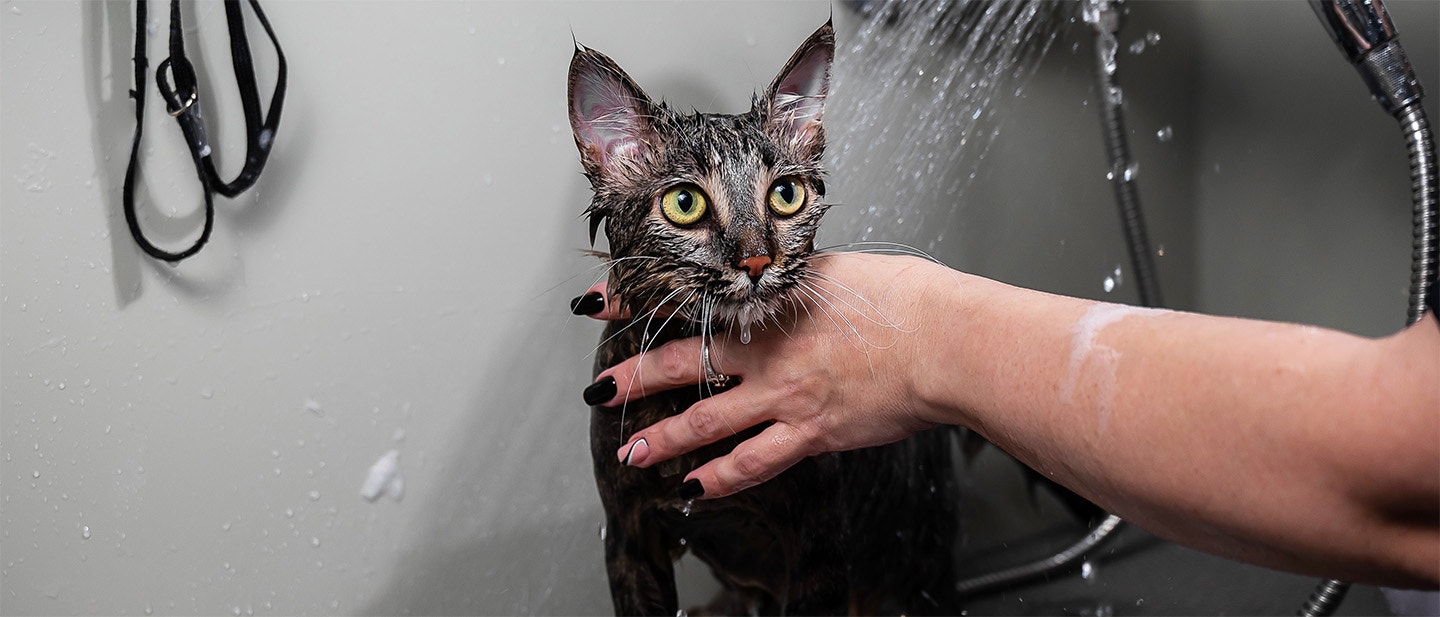
Cats often feel uneasy after a bath. This is because water is not part of their natural routine. Their bodies and minds react to this new experience, which can cause stress. Grooming themselves helps cats calm down. It is a way to bring comfort after a strange event.
Grooming also helps cats regain control. After being wet and handled, cats may feel vulnerable. Licking their fur is a way to feel safe again. It restores their normal scent and texture. This action is deeply connected to their instincts and emotions.
Self-soothing Actions
Grooming is a self-soothing action for cats. It lowers their stress levels by focusing their mind. The repetitive motion of licking can be calming. It helps cats forget the discomfort from the bath. This behavior is similar to how humans use deep breaths to relax.
Through grooming, cats regulate their body temperature. It also dries their fur and skin. This physical comfort adds to the emotional relief. Cats feel more secure as they return to their usual state.
Reducing Bath-related Anxiety
Baths can cause anxiety in cats. The sound, smell, and touch of water are unfamiliar. Grooming helps reduce this anxiety quickly. It allows cats to process the event and feel normal again.
- Restores their natural scent
- Reduces the feeling of vulnerability
- Improves mood through a calming routine
- Helps regain a sense of control
By grooming, cats signal to themselves that they are safe. This helps them recover from bath-related stress fast. It is their natural way to find comfort and peace.
Credit: www.perfect-fit.co.uk
Health And Skin Care
Cats groom themselves after a bath to dry their fur and remove leftover water. Grooming also helps them feel calm and comfortable again. This natural behavior keeps their skin healthy and fur clean.
Cats are meticulous creatures, especially when it comes to their grooming habits. After a bath, you might wonder why they engage in seemingly endless self-cleaning rituals. This behavior is deeply rooted in their instincts and plays a crucial role in maintaining their health and skin care. Let’s explore the underlying reasons behind this fascinating behavior.Removing Residual Shampoo
Even the most thorough rinsing might leave tiny traces of shampoo on your cat’s fur. Cats have an acute sense of smell, making them particularly sensitive to any lingering scents. By grooming themselves, they ensure every last bit of shampoo is removed, preventing potential skin irritation. Imagine having a faint soap scent on your skin that you can’t get rid of. Wouldn’t you want to wash it off? Your cat’s grooming is their way of achieving that fresh, natural scent they’re comfortable with.Stimulating Skin And Fur
Grooming is more than just a cleaning process for cats; it’s a way to stimulate their skin and fur. The action of their tongue against their skin increases blood circulation, promoting healthier fur growth. This natural massage can also help them relax and reduce any stress they might feel post-bath. Have you ever noticed how a good massage can make you feel invigorated? For cats, this self-stimulation is akin to a mini spa session, rejuvenating their senses and ensuring their coat remains glossy and healthy. By understanding these grooming habits, you can better appreciate your cat’s need for post-bath grooming. It’s not just about cleanliness; it’s an essential part of their health and well-being.Behavioral Differences Among Cats
Cats are unique creatures, and their grooming habits after a bath can vary widely. These differences often reflect their individual behavior, shaped by factors like breed, personality, and age. Understanding these behavioral differences helps you better care for your feline friend and make bath time less stressful.
Breed And Personality Factors
Different cat breeds have distinct grooming styles. For example, a Persian cat with long fur may spend more time licking and smoothing its coat after a bath than a short-haired Siamese. This is because long-haired breeds need extra effort to untangle and dry their fur.
Personality plays a big role too. Some cats are naturally more meticulous and will groom themselves thoroughly to feel comfortable. Others might be less concerned with their appearance and do a quick once-over before settling down. Have you noticed if your cat is a neat freak or more laid-back?
Age And Grooming Frequency
Young cats and kittens often groom themselves more energetically after a bath. They use grooming as a way to explore and understand their new sensations. Older cats, however, might take their time or groom less frequently due to reduced energy or arthritis.
How often your cat bathes can also affect its grooming behavior. Cats that are bathed rarely might spend more time grooming afterward to restore their natural scent. On the other hand, cats who are used to regular baths may seem more relaxed and groom less intensely.
Credit: bellspurr.com
Tips To Help Cats After A Bath
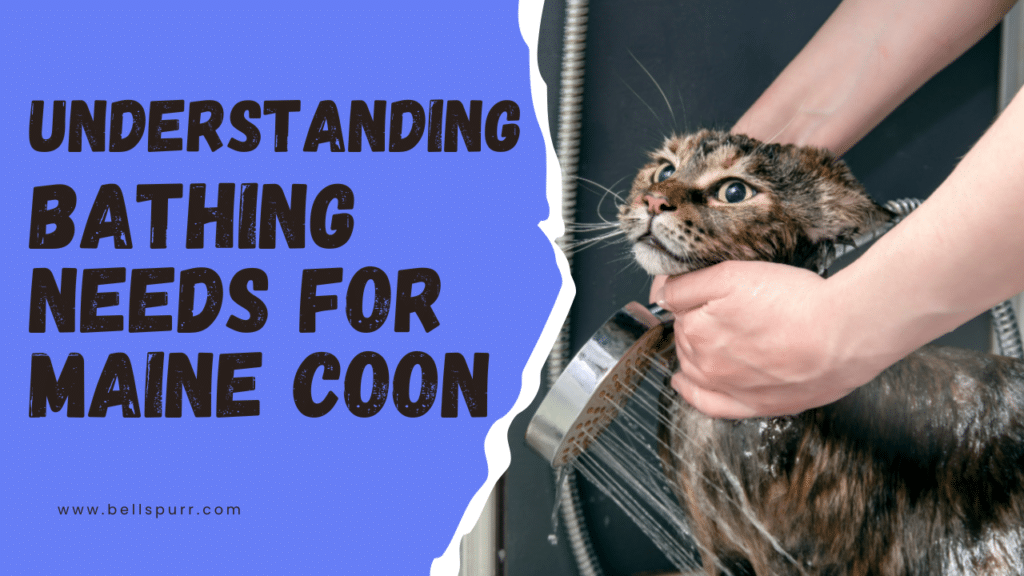
Giving your cat a bath can be stressful for both of you, but helping them recover afterward is just as important. Cats groom themselves after a bath to restore their natural scent and fluff up their fur, but you can make this process easier and more comfortable. Here are practical tips to support your feline friend right after bath time.
Drying Techniques
Start by gently towel-drying your cat to remove excess water. Use a soft, absorbent towel and avoid rubbing vigorously, as this can irritate their skin.
If your cat tolerates it, use a hairdryer on the lowest heat and noise setting. Keep the dryer moving and stay at a safe distance to prevent overheating.
Some cats prefer air drying in a warm room. Make sure the environment is draft-free to avoid chills during this time.
Creating A Calm Environment
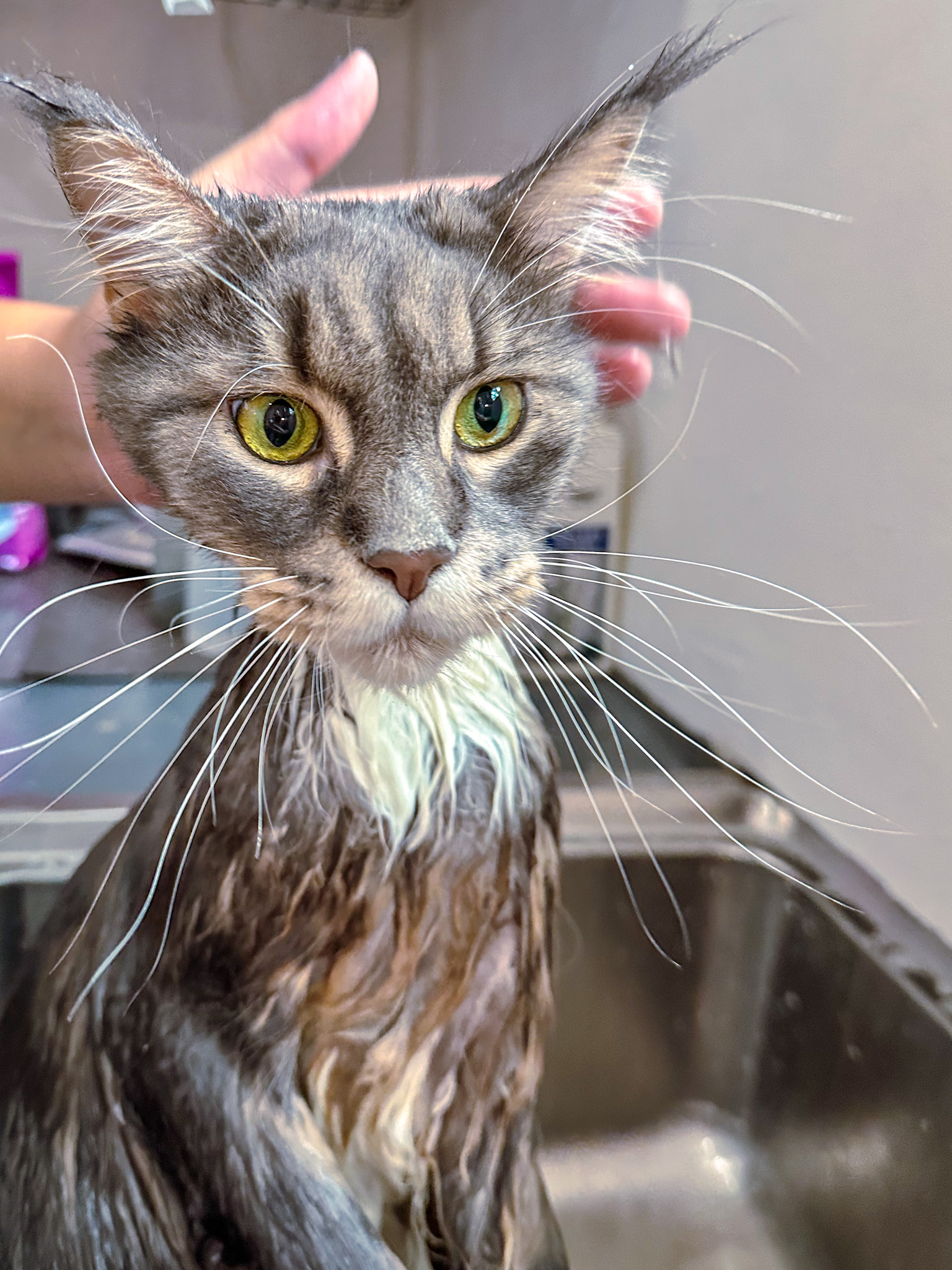
After a bath, your cat’s stress levels might be high, so create a quiet space for them to relax. Turn off loud appliances and dim the lights to help them feel safe.
Offer a favorite blanket or bed nearby to encourage settling down. Sometimes, simply sitting quietly with your cat and speaking softly can soothe their nerves.
Have you noticed how your cat’s behavior changes in a calm versus noisy room? Observing these differences can help you tailor the environment to their comfort.
Credit: lazycathotel.com
Frequently Asked Questions
Why Do Cats Lick Themselves After A Bath?
Cats lick themselves after a bath to dry their fur and remove excess water. Grooming also helps restore their natural scent and calm their nerves.
How Does Grooming Help Cats After A Bath?
Grooming helps cats regulate body temperature and realign fur strands. It also removes loose hair and stimulates natural oils for a healthy coat.
Is Self-grooming A Stress Relief For Cats?
Yes, self-grooming soothes cats by releasing endorphins. It reduces stress and helps them feel safe after a disruptive bath.
Can Cats Groom Away Bath Shampoo Residue?
Cats groom to remove shampoo residue that might irritate their skin. This keeps their coat clean and comfortable.
Conclusion
Cats groom themselves after a bath to feel clean and comfortable. Grooming helps dry their fur quickly and removes any leftover water. It also calms them down and reduces stress after the bath. This natural behavior keeps their skin healthy and fur shiny.
Watching a cat groom is a sign they feel safe and relaxed. Understanding this habit helps pet owners care better for their cats. So, remember, grooming is more than just cleaning—it is a way cats take care of themselves.



Leave a Reply