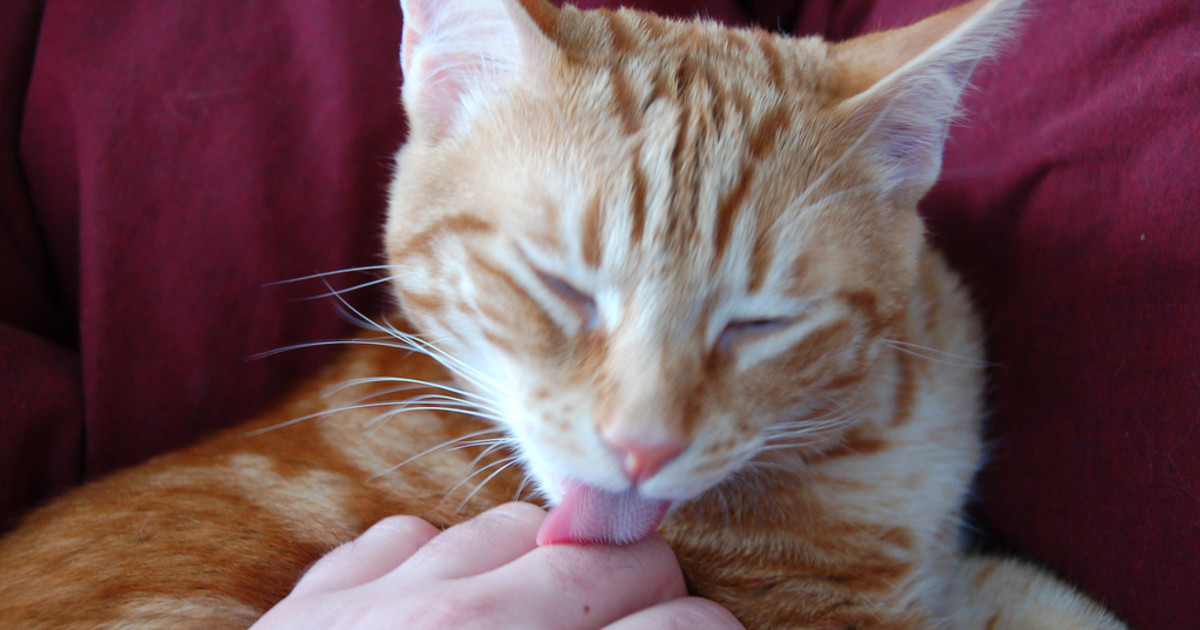
Have you ever noticed your cat suddenly start grooming itself right after finishing a meal? It might seem like a simple habit, but there’s more to this furry ritual than meets the eye.
Understanding why your cat spends so much time cleaning up after eating can give you surprising insights into their health, comfort, and even their mood. Keep reading to discover the fascinating reasons behind this behavior—and what it means for your bond with your feline friend.
Credit: www.purina.com
Cats’ Grooming Habits
Cats spend a lot of time grooming themselves. This habit is natural and important for their health. Grooming helps cats stay clean and calm. It also keeps their fur smooth and shiny. After eating, cats often groom more. This behavior has interesting reasons linked to their habits.
Frequency And Patterns
Cats groom several times a day. They start by licking their paws and face. Then, they clean their body fur with their paws. Grooming happens in short sessions or longer periods. After a meal, grooming tends to increase. This helps cats remove food smells and stay fresh.
Patterns vary by cat personality and age. Younger cats may groom more often. Older cats might groom slower but still regularly. Grooming is part of their daily routine and comfort.
Common Grooming Behaviors
- Licking fur to clean dirt and loose hair
- Nibbling or biting to remove tangles and parasites
- Using paws to wipe face and head
- Scratching to relieve itchiness
- Stretching while grooming to reach all areas
After meals, cats focus on face and mouth area. This removes food traces and prevents smells. Grooming also calms cats after eating, helping digestion. These behaviors show why grooming is a key part of cat care.
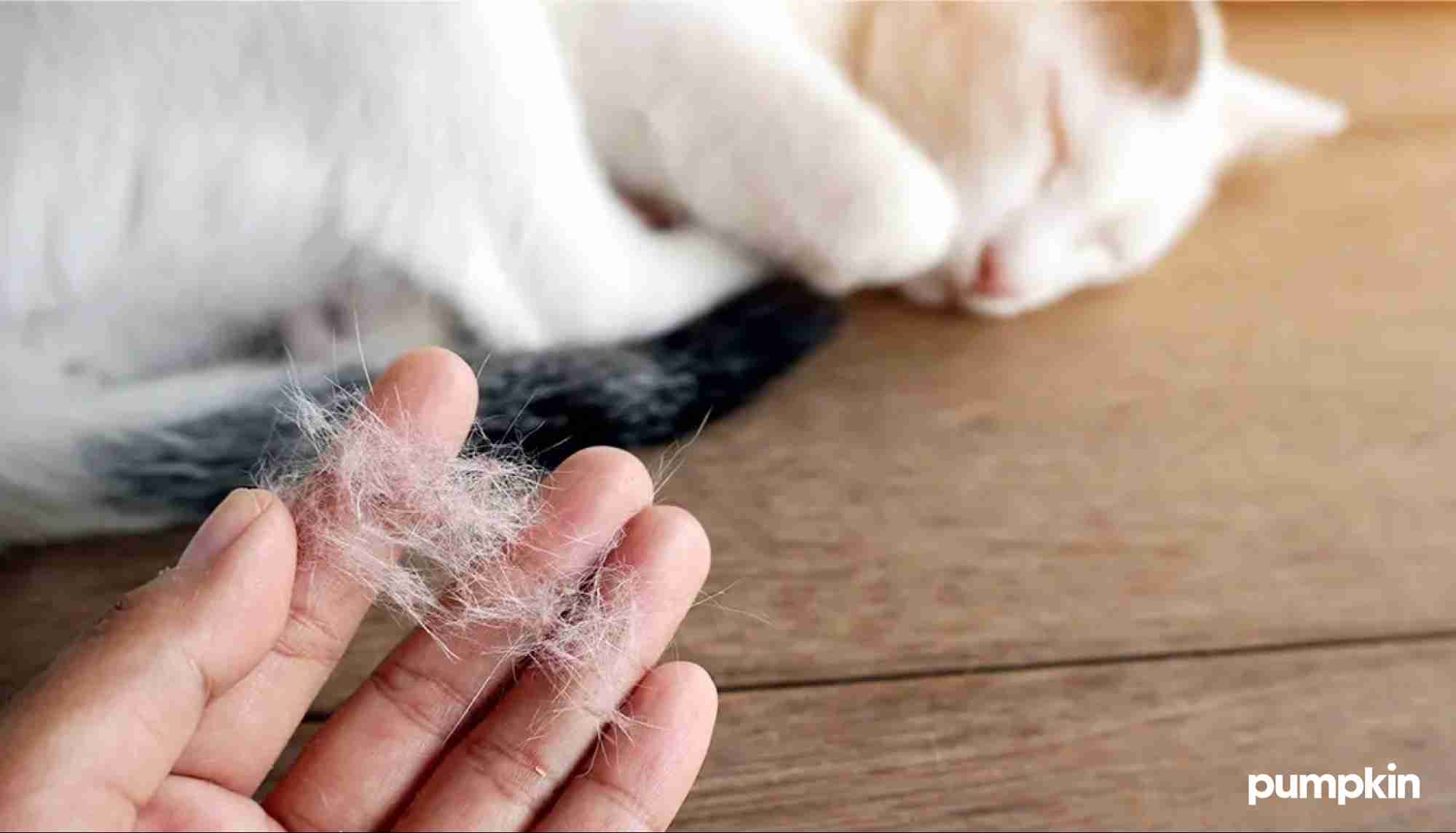
Credit: www.pumpkin.care
Link Between Eating And Grooming
Cats often spend a lot of time grooming after eating. This behavior links closely to their natural instincts and well-being. Grooming helps cats stay clean and calm after a meal. It also plays a role in their health and comfort.
Cleaning Food Residue
After eating, cats lick their fur to remove food particles. This keeps their coat clean and free from sticky leftovers. Food residue can attract dirt or insects. Grooming prevents this by maintaining hygiene. Cats use their rough tongues to clean every bit of food. This habit helps avoid discomfort and skin issues.
Calming Effect After Meals
Grooming has a soothing effect on cats. It helps them relax after eating. The rhythmic motion of licking releases calming chemicals in their brain. This reduces stress and creates a sense of safety. Grooming also signals contentment and satisfaction after a good meal. It is a natural way for cats to wind down and enjoy their rest.
Health Benefits Of Grooming
Cats groom after eating to clean their fur and remove food smells. This helps keep them healthy and comfortable. Grooming also calms them and aids digestion.
Cats are fascinating creatures, especially when it comes to their grooming habits. After a hearty meal, have you ever noticed how diligently they groom themselves? This behavior is not just about vanity. Grooming plays a crucial role in maintaining a cat’s health. Let’s explore some of the health benefits of grooming that your feline friend enjoys.Maintaining Fur Quality
Cats are meticulous about their fur. Their grooming routine helps remove dirt and debris, preventing matting and tangling. This ensures their coat remains sleek and shiny, which is not only aesthetically pleasing but also crucial for their skin health. Regular grooming also stimulates the production of natural oils. These oils keep the fur moisturized and help in maintaining its quality. By licking their fur, cats distribute these oils evenly, giving them that soft and luxurious feel.Regulating Body Temperature
Did you know that grooming helps cats regulate their body temperature? As they lick their fur, the saliva evaporates, creating a cooling effect. This is particularly beneficial during warmer months or after a meal when their body temperature can rise. In colder weather, grooming fluffs up their fur. This creates an insulating layer, trapping warmth and keeping them cozy. It’s nature’s very own heating and cooling system built into your pet!Stimulating Digestion
Grooming plays a surprising role in aiding digestion. By licking themselves, cats stimulate blood flow and help in the digestion process. It’s like a gentle massage that aids in food movement through their digestive tract. Moreover, the act of grooming can be soothing and stress-reducing. This relaxation can positively impact their digestion, ensuring they process their meals more efficiently. Who knew a grooming session could be so beneficial after a good meal? Have you ever seen your cat grooming right after eating and wondered if they’re cleaning up their whiskers? While that might be part of it, there’s a lot more going on beneath the surface!Instincts Behind Grooming
Cats have a natural habit of grooming themselves after eating. This behavior is not just about keeping clean. It is deeply linked to their instincts, which help them survive and communicate.
Survival And Hygiene
Grooming helps cats remove food smells from their fur. This makes it harder for predators or prey to detect them. Clean fur also prevents bacteria and parasites from growing. It keeps their skin healthy and reduces risks of infections. After a meal, grooming resets their scent, which is crucial in the wild.
Social Signals
Cats use grooming to send messages to others. A well-groomed cat shows it is healthy and strong. This can attract mates or show dominance. Grooming also calms cats down and reduces stress. It is a way to feel safe after eating and share calm energy with nearby cats.
Environmental Influences
Environmental factors play a big role in why your cat might start grooming right after a meal. The space around them, the mood they’re in, and even your own behavior can all influence this curious habit. Understanding these influences helps you connect better with your furry friend and respond to their needs effectively.
Stress And Comfort
Cats often groom themselves to calm down after eating, especially if something in their environment feels off. If your cat senses loud noises or unfamiliar smells, grooming acts like a reset button. It’s their way to find comfort and regain a sense of control.
Think about your own reaction to stress—maybe you tidy your desk or take deep breaths. Grooming is similar for cats. Have you noticed if your cat grooms more when there’s a new visitor or loud construction nearby?
Owner Interaction
Your presence and actions after mealtime can also affect your cat’s grooming routine. If you pet or talk to your cat gently, they may feel safer and groom less. On the other hand, if you’re distracted or rushing away, your cat might groom more as a way to soothe themselves.
Try sitting quietly with your cat after feeding them and observe how their grooming changes. Does your calm attention reduce their need to groom excessively? This simple change can improve your bond and help your cat feel truly relaxed.
When Grooming Is Excessive
Cats grooming after meals is normal behavior. It helps them clean their fur and relax. Yet, sometimes grooming can become excessive. This can signal stress or health problems. Recognizing when grooming is too much is important for your cat’s well-being.
Signs Of Overgrooming
- Frequent licking of the same spot
- Bald patches or thinning fur
- Red, irritated, or raw skin
- Scratches or scabs from biting
- Restlessness or constant grooming
Overgrooming often causes visible changes on your cat’s skin and fur. Watch closely for these signs to catch problems early.
Possible Health Issues
- Allergies to food or environment
- Parasites like fleas or mites
- Skin infections or irritations
- Stress or anxiety
- Pain or discomfort in certain areas
Health problems can cause your cat to groom more than usual. A vet visit may be needed to find the root cause. Early care helps prevent further harm and keeps your cat happy.

Credit: www.purina.com
Frequently Asked Questions
Why Do Cats Groom After Eating Food?
Cats groom after eating to clean food residue from their fur. Grooming also helps them relax and aids digestion by stimulating saliva production.
Does Grooming After Meals Help Cat Digestion?
Yes, grooming stimulates saliva, which contains enzymes that support digestion. This natural behavior helps cats process their food more efficiently.
Is Post-meal Grooming A Sign Of Cat Health?
Regular grooming after meals usually indicates good health. It shows your cat is comfortable, clean, and maintaining proper hygiene habits.
Can Grooming After Eating Prevent Parasites In Cats?
Yes, grooming removes food particles and potential parasites from fur. This self-cleaning habit helps protect cats from skin infections and pests.
Conclusion
Cats groom after eating to stay clean and comfortable. This behavior helps them remove food smells and dirt. Grooming also calms cats and aids digestion. It shows they feel safe and relaxed. Understanding this habit helps pet owners care better for their cats.
Watching a cat groom after meals reveals a natural, healthy routine. Simple but important.

Leave a Reply