
Are you wondering when your male cat will stop breeding? Understanding your cat’s breeding cycle is important for managing his health and behavior.
Knowing the right time can help you make smart decisions about neutering and care. You’ll discover exactly when male cats stop breeding and what signs to watch for. Keep reading to learn what every cat owner needs to know to keep your furry friend happy and healthy.
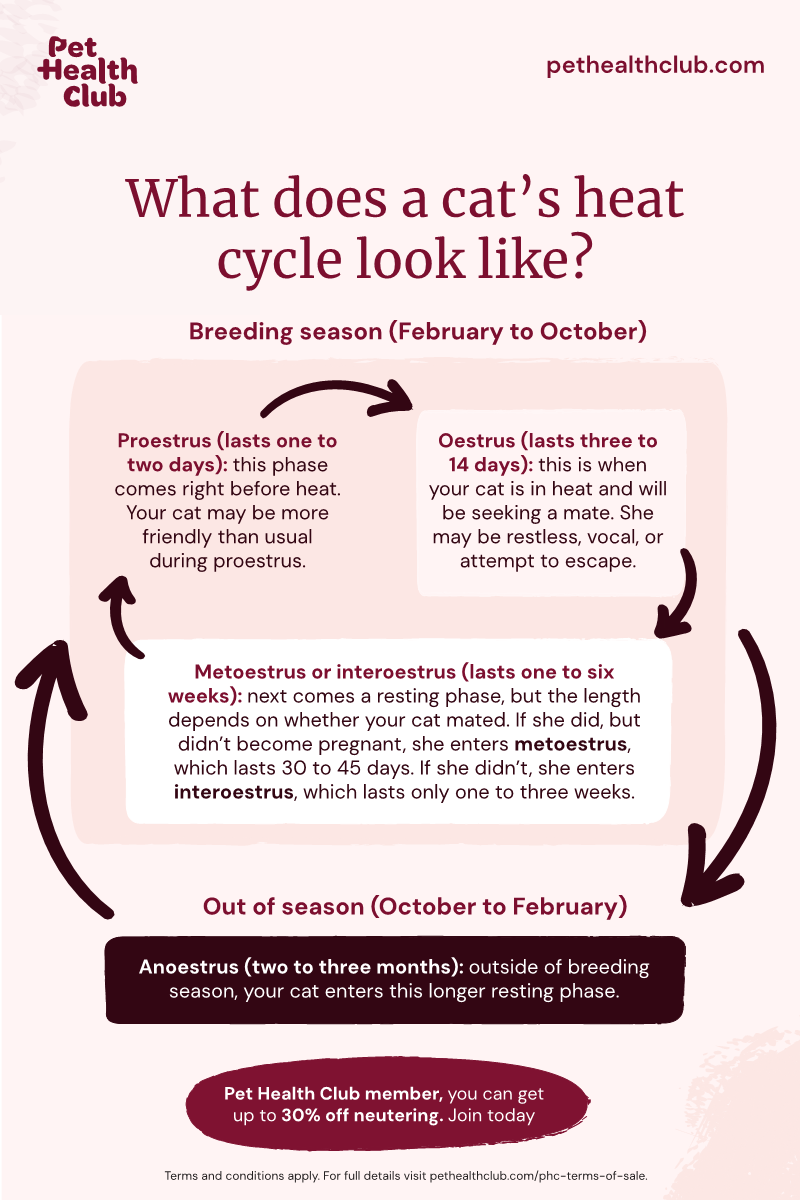
Credit: www.pethealthclub.com
Male Cat Reproductive Cycle
The male cat reproductive cycle plays a key role in breeding behavior. It involves physical and hormonal changes that prepare the cat for mating. Understanding this cycle helps to know when male cats start and stop breeding. It also reveals how often they mate and their peak fertility periods.
Age Of Sexual Maturity
Male cats usually reach sexual maturity between 5 to 9 months old. This age can vary depending on breed and health. Once mature, males show strong interest in female cats. Physical signs include a larger body and the development of testicles. Early maturity means males can start breeding quite young.
Breeding Season Timing
Male cats breed mostly during the female cats’ heat cycles. These cycles occur more in spring and summer. The breeding season lasts longer in warmer climates. Outside this period, male cats are less active in seeking mates. Their hormones slow down, reducing breeding behavior.
Frequency Of Mating
Male cats can mate several times a day during the breeding season. They are highly driven to find and court females in heat. Mating sessions are usually brief but repeated. This frequency helps increase chances of successful reproduction. Male cats remain ready to mate as long as females are fertile.
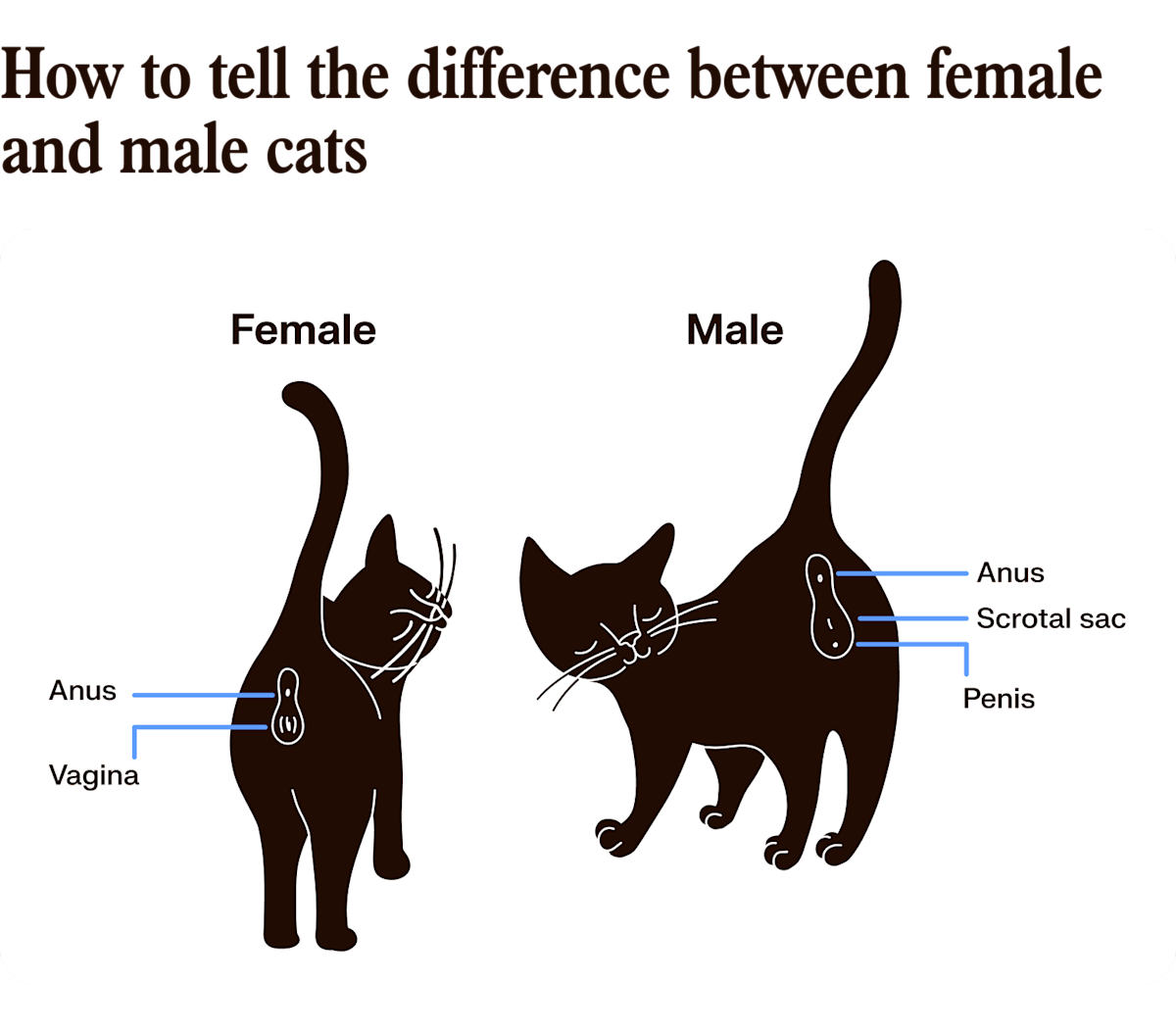
Credit: www.kinship.com
Factors Affecting Breeding
Understanding the factors that affect male cats’ breeding behavior can help you better manage their health and environment. Various elements influence when and how long a male cat remains fertile and active in breeding. Let’s look at some key aspects that play a crucial role in this process.
Health And Nutrition
Your cat’s overall health directly impacts his ability to breed. Poor nutrition can reduce sperm quality and lower libido. Make sure your cat gets a balanced diet rich in proteins, vitamins, and minerals to support reproductive health.
Regular vet check-ups can catch infections or illnesses that might interfere with breeding. Have you noticed any changes in your cat’s energy or behavior? These could be signs that his health is affecting his breeding capabilities.
Environment And Stress
Stress can be a silent killer when it comes to a cat’s breeding activity. Loud noises, constant changes in the home, or the presence of other aggressive animals can reduce your male cat’s interest in mating. A calm and stable environment helps maintain his natural instincts.
Providing a quiet space and minimizing disruptions can make a big difference. How does your cat react to new surroundings or visitors? Observing these responses can tell you if stress is a breeding barrier.
Neutering Impact
Neutering is the most significant factor that stops male cats from breeding. Once neutered, your cat’s testosterone levels drop, which halts sperm production and sexual behaviors. This procedure is usually done around six months of age but can vary depending on the vet’s advice.
If you want to control your cat’s breeding, neutering is a reliable solution. Are you aware of the best time to neuter your cat to balance health and breeding considerations? Talking to your vet can clarify this.
Signs Male Cats Stop Breeding
Male cats do not breed forever. Over time, their ability and desire to mate decrease. Recognizing the signs helps owners understand their pet’s health and behavior. These signs fall into three main groups: behavioral changes, physical indicators, and reduced interest in females.
Behavioral Changes
Male cats may become calmer and less active. Aggression toward other cats often lessens. They stop marking territory with strong spraying. Restlessness and roaming decrease, as mating drive fades. These behavior shifts show a drop in breeding instincts.
Physical Indicators
Body changes become noticeable as males age. Testicles shrink and feel softer to touch. The cat’s scent glands produce less pheromone. Muscle tone may decline, leading to less strength. These physical signs point to a reduced breeding phase.
Reduced Interest In Females
Male cats lose the urge to court females. They no longer respond to female heat signals. Vocalizations like yowling to attract mates disappear. Mounting and mating attempts become rare or stop. This lack of interest signals the end of breeding activity.
Typical Breeding Lifespan
Male cats have a typical breeding lifespan that varies with age and health. Understanding this lifespan helps in managing their reproductive health. Male cats can remain fertile for several years but show changes over time. This section breaks down the usual breeding age range, breed differences, and how males compare to females.
Average Breeding Age Range
Most male cats start breeding at about six months old. Their peak fertility usually lasts until they are around five years old. After this period, fertility may gradually decline but can continue up to ten years or more in healthy cats. Some males may remain fertile even longer, but the chances of successful breeding drop with age.
Variations By Breed
Different cat breeds can influence breeding lifespan. Larger breeds like Maine Coons may have a longer fertile period. Smaller breeds sometimes mature earlier but may also experience earlier declines in fertility. Breed-specific health issues also affect breeding ability. Understanding your cat’s breed helps predict its breeding lifespan better.
Comparison With Female Cats
Female cats have a shorter breeding lifespan than males. They usually start cycling at five to six months old. Their fertility often declines sharply after six years. Unlike males, females experience estrus cycles that eventually stop. Males can breed year-round, giving them a longer reproductive window.
Neutering Benefits And Timing
Neutering male cats plays a key role in controlling their breeding. It offers many benefits for both health and behavior. Choosing the right time to neuter helps ensure a smoother recovery and better results.
Health Advantages
Neutering reduces the risk of certain cancers. It prevents testicular cancer completely. It also lowers the chances of prostate problems. Neutered cats tend to live longer and healthier lives. This surgery can stop infections and injuries related to mating fights.
Behavioral Effects
Neutered cats show less aggression. They are less likely to roam far from home. This reduces accidents and fights with other animals. Spraying and marking territory usually stop after neutering. Male cats become calmer and more affectionate.
Best Age For Neutering
Most vets recommend neutering between 4 to 6 months old. This is before cats reach sexual maturity. Early neutering helps avoid unwanted litters. It also prevents early behavioral issues linked to hormones. Some cats can be neutered safely even younger, depending on their health.

Credit: animals.howstuffworks.com
Managing Older Male Cats
Male cats can breed well into their senior years, but fertility often decreases after seven years. Older males may still mate, though chances of successful breeding drop with age. Monitoring health helps manage breeding behavior in aging cats.
Managing older male cats can be a rewarding experience, but it requires attention to their changing needs. As these cats age, their breeding capabilities may diminish, but they still need proper care and monitoring. Understanding how to adjust your care routine can help ensure that your older male cat remains healthy and happy.Health Monitoring
Keeping a close eye on your older male cat’s health is crucial. Regular veterinary check-ups become even more important as cats age. Look out for any changes in behavior, appetite, or weight, as these can be indicators of underlying health issues. Consider keeping a health journal to track any noticeable changes. This can be helpful when discussing concerns with your vet. Are you noticing your cat becoming less active? It’s worth mentioning during your next vet visit.Adjusting Care Routines
As male cats age, their energy levels and dietary needs may change. You might find that your older cat prefers shorter play sessions or more frequent naps. Adjusting feeding schedules and providing a diet suited for older cats can help maintain their well-being. Think about incorporating interactive toys that cater to their slower pace but still stimulate mental activity. A friend once switched to puzzle feeders for her senior cat, which helped keep him engaged and reduced overeating.Preventing Unwanted Breeding
Even older male cats can contribute to unwanted breeding if not properly managed. Neutering is a common solution, but if that’s not an option, keeping your cat indoors or supervising outdoor time can help prevent encounters with females. Are there unspayed females in your neighborhood? Ensure your cat’s environment minimizes the chance of accidental breeding. Consider using pet-safe deterrents around your garden to keep other cats away. By focusing on these aspects, you can help your older male cat lead a comfortable and fulfilling life. What’s one change you can make today to improve your cat’s care routine?Frequently Asked Questions
When Do Male Cats Usually Stop Breeding?
Male cats can breed throughout their lives, but fertility often declines after 7-10 years. Older males may produce fewer viable sperm, reducing breeding success.
Can Neutering Affect A Male Cat’s Breeding Ability?
Yes, neutering stops a male cat’s ability to breed by removing testicles, which produce sperm and testosterone. It prevents unwanted litters.
How Does Age Impact A Male Cat’s Fertility?
As male cats age, sperm quality and quantity decrease. This natural decline reduces their breeding potential and may affect offspring health.
Is There A Specific Age When Male Cats Lose Fertility?
No exact age exists, but most male cats experience reduced fertility after 7-10 years. Individual health and genetics also play a role.
Conclusion
Male cats usually stop breeding around 8 to 12 years old. Their fertility drops as they age. Neutering can also stop breeding behavior early. Knowing this helps manage your cat’s health better. Breeding ability varies by each cat’s health and environment.
Watch your cat’s behavior and consult a vet for advice. This keeps your pet happy and safe. Understanding breeding helps you care for your male cat well.



Leave a Reply