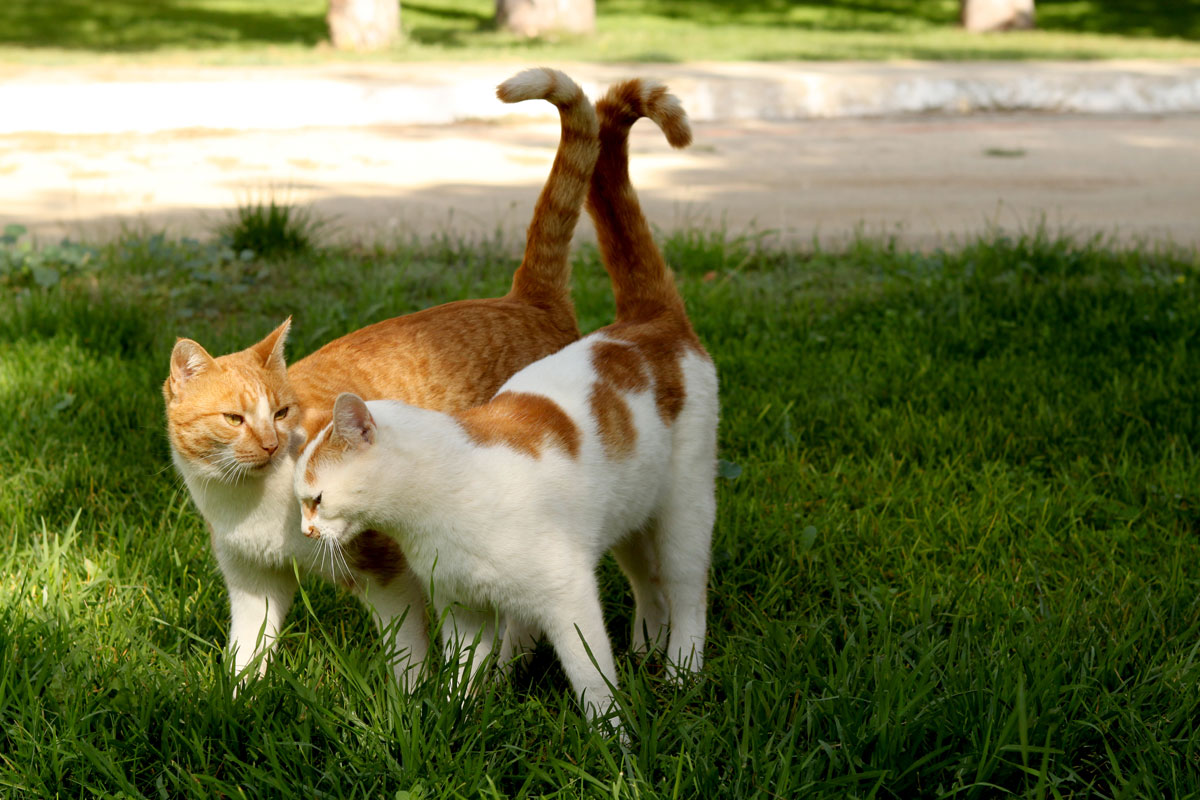
Have you ever watched cats gently licking each other and wondered why they do it? This behavior isn’t just about staying clean.
When cats groom one another, they’re sharing something deeper—a special bond that affects how they feel and interact. If you want to understand what this means for your furry friends and why it matters more than you might think, keep reading.
You’re about to discover surprising facts that will change the way you see your cats forever.

Credit: www.companionanimalpsychology.com
Social Bonding
When cats groom one another, it’s more than just keeping clean. This behavior plays a key role in building and maintaining social bonds. You might notice your cats licking each other’s fur or gently nibbling—these are signs of trust and friendship.
Strengthening Relationships
Mutual grooming helps cats feel connected and secure. It reduces tension and shows affection without words. If you’ve seen your cats grooming each other after a small disagreement, you’ve witnessed how this act repairs their bond.
Have you noticed how your cats choose specific partners for grooming? This selective behavior highlights their closest relationships. It’s their way of saying, “I trust you.”
Group Cohesion Among Cats
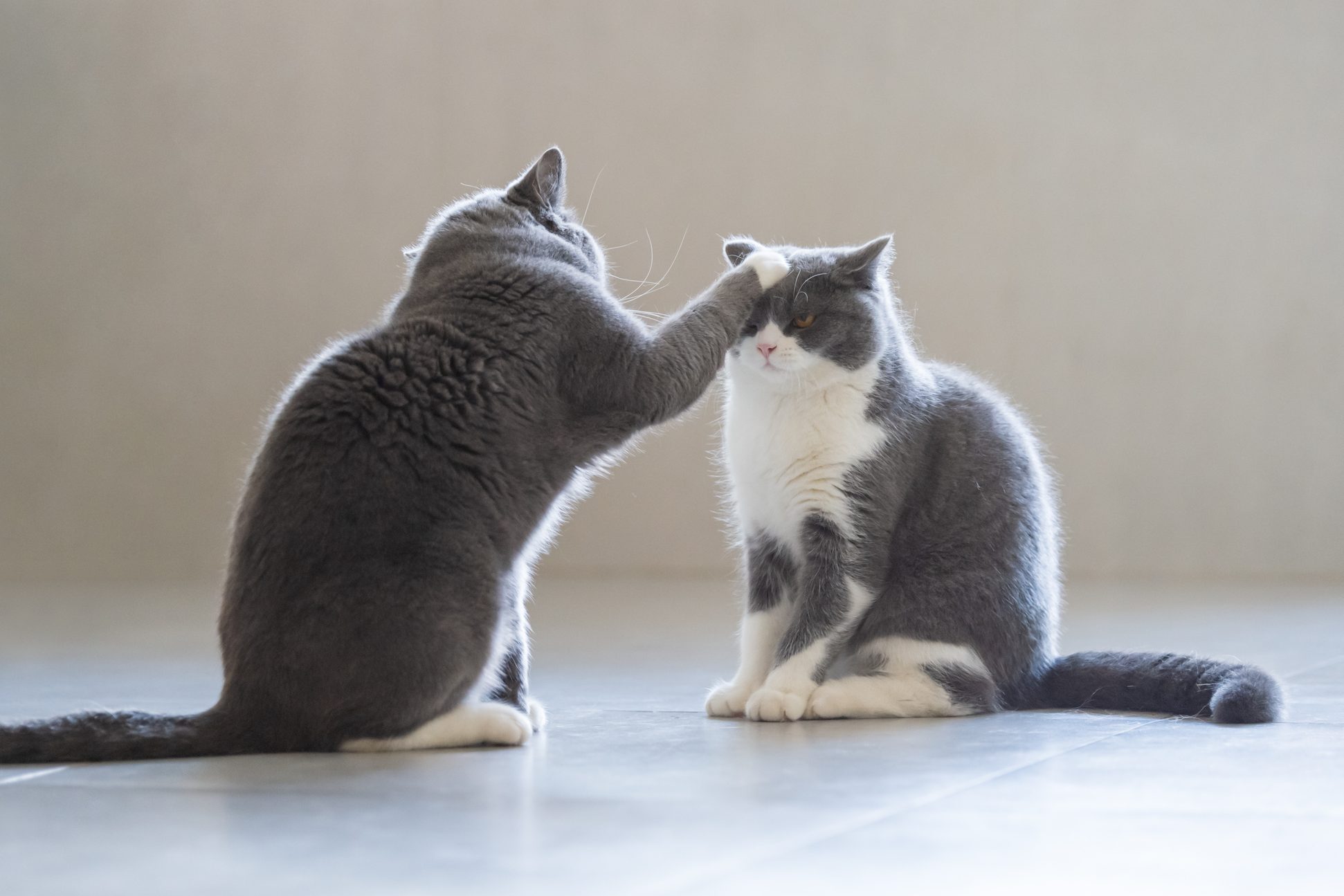
In a multi-cat household or among stray cats living in groups, grooming keeps the peace. It helps the group feel like a team, promoting cooperation and reducing conflicts. Cats often groom each other around the head and neck—areas they can’t easily reach alone—showing teamwork in action.
Think about your cats’ social dynamics. Does grooming happen more during calm times or after play? Understanding this can help you support a harmonious environment for your feline friends.
Credit: www.rd.com
Hygiene Benefits
Cats groom each other to keep clean and healthy. This behavior offers clear hygiene benefits. Grooming helps cats reach areas they cannot clean alone. It also removes harmful parasites that cause discomfort and illness.
Reaching Difficult Spots
Some parts of a cat’s body are hard to reach alone. Areas like the head, neck, and behind the ears are tricky. When cats groom each other, they can clean these spots well. This helps keep their fur smooth and free of dirt.
Removing Parasites
Parasites such as fleas and ticks hide in a cat’s fur. Grooming helps find and remove these pests quickly. Removing parasites prevents skin problems and infections. Cats grooming each other stay healthier and feel better.
Stress Reduction
Cats groom each other to feel calm and safe. This shared grooming helps reduce stress and build trust between them. It creates a peaceful bond in their group.
Cats are fascinating creatures with an array of intriguing behaviors. One of the most heartwarming is when they groom each other. This act is not just about cleanliness; it plays a significant role in reducing stress. When cats groom one another, it creates a serene environment that can help alleviate anxiety and tension. Let’s explore how this behavior impacts their emotional well-being.Calming Effects
When a cat engages in mutual grooming, it releases endorphins, the body’s natural feel-good chemicals. This process not only soothes the groomer but also the recipient. Imagine your cat softly purring while grooming its buddy; this is a sign of contentment and relaxation. Grooming one another also strengthens their bond. It’s akin to a shared moment of peace, where both cats feel a sense of security and calmness. In a household with multiple cats, this behavior can be a natural tension diffuser.Comfort During Anxiety
Just like humans find comfort in a hug during stressful times, cats may use grooming to console each other. If one of your cats is feeling anxious or unwell, you might notice another cat stepping in to groom it. This act can be a powerful way to provide comfort and reassurance. Have you ever noticed a cat grooming its companion after a visit to the vet or during a thunderstorm? This isn’t coincidental. Cats instinctively know when their feline friends need a little extra support, using grooming to offer solace. Understanding these behaviors can enhance the bond you share with your feline companions. Next time you see your cats grooming each other, you’ll know there’s more at play than just a cleaning ritual.Establishing Hierarchy
Cats grooming one another is more than just a cute bonding activity. It plays a crucial role in setting up social order within their group. Understanding this behavior can change how you view your feline friends’ interactions and even help you manage multi-cat households better.
Dominance Display
When a cat grooms another, it sometimes signals dominance. The dominant cat usually takes the lead, grooming the other more often and in specific areas like the head and neck.
This behavior shows control without aggression. Have you noticed your cat grooming a timid housemate more frequently? That’s a subtle way of saying, “I’m in charge here.”
Submission Signals
The cat being groomed often accepts this attention as a sign of submission. By allowing itself to be groomed, it signals respect and acknowledges the other cat’s higher rank.
This helps reduce fights and tension among cats. If you see your shy cat lying still while another grooms it, your cats are likely maintaining peace through this ritual.
Kitten Care
Kitten care is a crucial part of understanding why cats groom one another. Grooming starts early in a kitten’s life and plays a big role in their development and social bonding. Observing how kittens interact with their mothers and siblings gives you valuable insights into their grooming habits and overall well-being.
Mother’s Role
The mother cat is the primary groomer for her kittens during their first weeks. She cleans them regularly, which helps stimulate their circulation and digestion. This care also keeps the kittens free of dirt and parasites, providing a safe and healthy environment for growth.
Have you noticed how attentive mother cats are when licking their kittens? This behavior is not just about hygiene but also about comfort and reassurance. Your understanding of this can help you recognize when a kitten needs extra care or attention.
Teaching Grooming Habits
Kittens learn grooming behaviors by watching and imitating their mother and siblings. This early practice is essential for their independence as they grow. You might see them licking each other, which strengthens their social bonds and teaches them how to keep clean.
Encourage gentle grooming among kittens by providing a stress-free environment. If you raise kittens yourself, try to mimic some grooming actions with your touch to help them feel secure. Have you ever seen how a small lick can calm a restless kitten? It’s a powerful communication tool.

Credit: www.companionanimalpsychology.com
Health Indicators
Cats grooming each other isn’t just a sign of affection; it reveals important health information within their group. This behavior acts as a natural health check, helping cats detect any problems early. By paying attention to these grooming rituals, you can learn a lot about how cats communicate their well-being.
Spotting Illness
When a cat grooms another, it carefully inspects the fur and skin. Any changes like unusual lumps, wounds, or dull fur can be noticed quickly. Cats often avoid grooming a sick or injured friend, which can be a subtle alert for you to watch closely.
Have you ever seen a cat suddenly stop grooming a buddy? That might mean the groomed cat is hiding pain or discomfort. Observing such shifts can help you catch health issues before they worsen.
Mutual Health Monitoring
Cats use grooming to keep their group healthy by removing dirt, parasites, and dead skin. This mutual cleaning supports each cat’s hygiene and comfort. It also strengthens their social bonds, which is crucial for their mental health.
Think about how your cats behave after grooming sessions. Do they seem more relaxed or alert? Their reactions can tell you if the grooming is effective or if there’s an underlying problem needing attention.
Communication Through Grooming
Cats use grooming as more than just a way to stay clean. It’s a powerful tool for communication among them. When your cats groom each other, they’re sharing messages that help build trust and maintain harmony within their group.
Scent Sharing
Cats have scent glands located on various parts of their bodies, such as their cheeks and paws. Grooming transfers these scents between them, creating a shared group smell. This scent sharing helps cats recognize each other as part of the same family or social circle.
Have you noticed how your cats groom each other after a new cat joins the household? They are essentially saying, “You belong here.” This scent bonding reduces tension and helps prevent conflicts.
Nonverbal Messages
Grooming is a silent way cats express feelings like affection, reassurance, and submission. When one cat grooms another, it shows respect and can even calm a nervous or stressed companion.
Think about the last time your cats settled down together after grooming. That peaceful moment is a clear message of trust and friendship without a single meow.
Next time you see your cats grooming each other, watch closely. You’re witnessing a complex conversation that strengthens their social bonds and keeps their world balanced.
Frequently Asked Questions
Why Do Cats Groom Each Other?
Cats groom each other to strengthen social bonds and show affection. It helps reduce stress and maintains group harmony. Mutual grooming also removes dirt and parasites, promoting cleanliness and health.
How Does Mutual Grooming Benefit Cats?
Mutual grooming improves cats’ social relationships and trust. It reduces tension and reinforces pack unity. Grooming also helps cats stay clean, reducing skin irritations and preventing infections.
Is Grooming A Sign Of Cat Friendship?
Yes, grooming is a clear sign of trust and friendship among cats. It shows they feel safe and connected. Cats that groom each other have stronger social bonds and better group cooperation.
Can Cats Groom To Reduce Stress?
Absolutely. Grooming releases calming pheromones and lowers anxiety in cats. It provides comfort and emotional support. Cats use grooming as a natural way to cope with stress and feel secure.
Conclusion
Cats groom one another to build trust and show care. This behavior helps them stay clean and feel safe. Grooming also strengthens their social bonds and reduces stress. It is a natural way for cats to communicate friendship. Watching cats groom each other reveals their close relationships.
Understanding this helps us appreciate their social world better. Next time you see cats grooming, remember it shows love and connection. Simple acts, big meaning.



Leave a Reply