Have you ever wondered if cats really have pure breeds? Maybe you’ve seen those stunning pedigreed cats in shows or online and asked yourself how pure their bloodlines actually are.
Understanding whether your feline friend belongs to a pure breed can change how you care for them, what you expect from their behavior, and even how you connect with them. Keep reading, because uncovering the truth about purebred cats will surprise you—and it might just change the way you see your furry companion forever.
Credit: purebredcatrescue.org
Cat Breeds Basics
Cats come in many shapes, sizes, and colors. Understanding the basics of cat breeds helps to know if pure breeds really exist. Each breed has unique traits passed down from their parents. These traits create a special look and personality for the cat. Knowing more about cat breeds makes choosing a pet easier and more fun.
What Defines A Pure Breed
A pure breed cat belongs to a group with specific traits. These traits include appearance, behavior, and health features. Breeders keep track of these cats to make sure they meet breed standards. Pure breeds have a family tree or pedigree that shows their ancestors. This pedigree proves the cat’s pure breed status. Breeding pure cats keeps the breed’s traits consistent. But pure breeds can still vary a little in looks and personality.
Common Cat Breeds Today
Many cat breeds are popular around the world. Each has its own special traits. Here are some common cat breeds:
- Siamese:Known for blue eyes and vocal nature.
- Maine Coon:Large size with a fluffy tail.
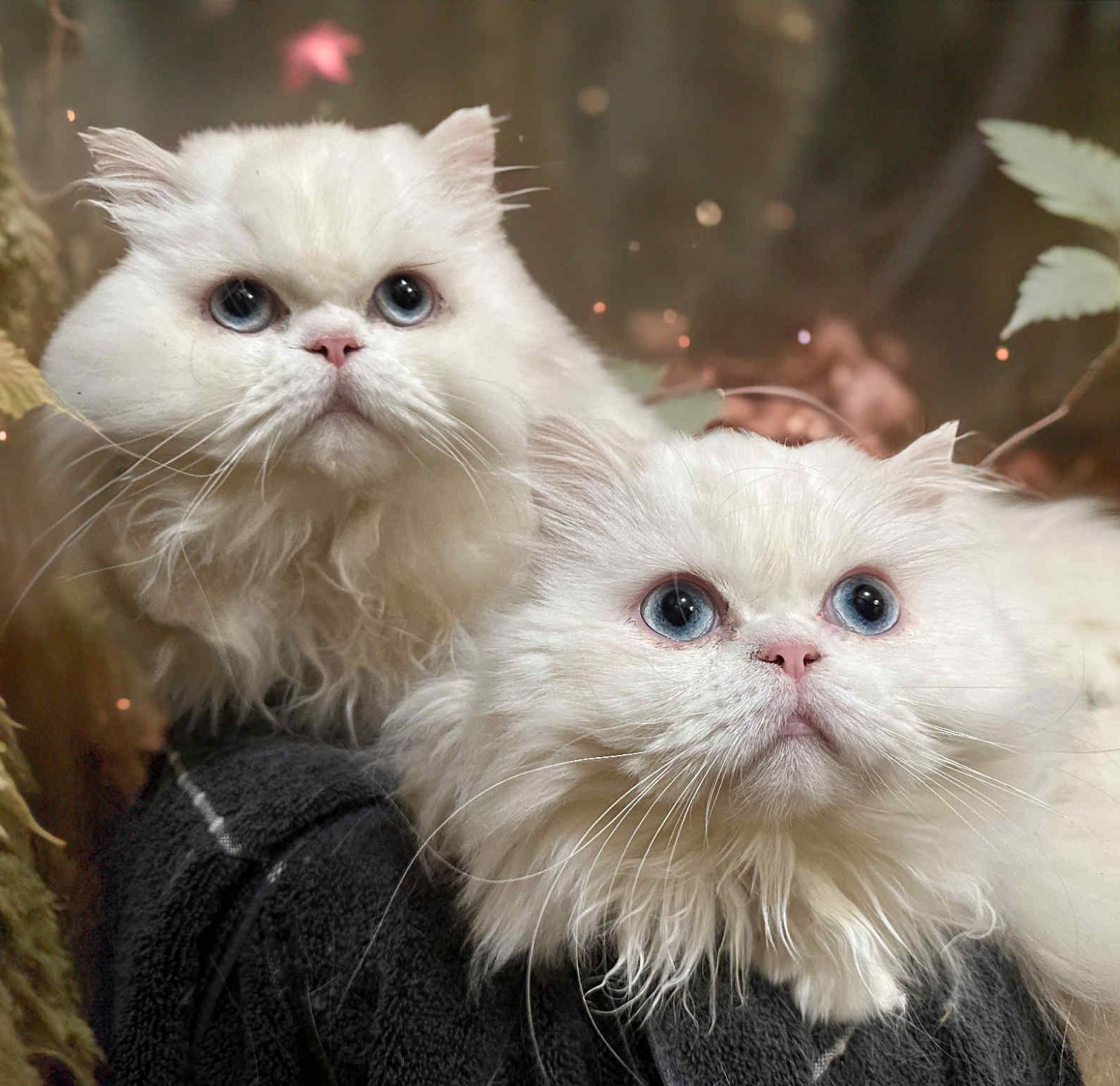
- Persian:Long fur and a flat face.
- Bengal:Spotted coat that looks like a wild cat.
- Ragdoll:Gentle and relaxed, loves to be held.
These breeds show how varied purebred cats can be. Each breed has fans and breeders worldwide.

Credit: purebredcatrescue.org
History Of Cat Breeding
The history of cat breeding is a fascinating journey that reveals how humans have shaped the feline companions we know today. Understanding this history helps you appreciate the diversity in cat breeds and the concept of “purebred” cats. It also encourages you to think about what truly defines a breed in cats.
Origins Of Domestic Cats
Domestic cats descended from wild ancestors, primarily the African wildcat. Around 9,000 years ago, humans in the Near East started living alongside these cats. Cats were valued for their hunting skills, helping to protect grain stores from rodents.
This natural relationship led to cats adapting to human environments. Unlike dogs, cats were not bred initially for specific traits but accepted for their usefulness. Does this challenge the idea of cats having “pure” breeds from the very start?
Early Breeding Practices
Intentional breeding of cats began much later than with dogs. Ancient Egyptians are among the earliest known to have selectively bred cats, focusing on traits like coat color and temperament. They admired cats so much that some breeds, like the Egyptian Mau, are linked to this period.
In Europe, cat breeding was less common until the 19th century. Breeders started establishing standards for different breeds, selecting specific physical and behavioral traits. This process laid the groundwork for what we now call “purebred” cats.
Have you ever wondered how much of a cat’s personality or look is shaped by breeding versus natural variation? Knowing this history might change how you see the breeds in your neighborhood or shelter.
Genetics And Lineage
Understanding the genetics and lineage of cats helps explain the concept of pure breeds. Cat breeds develop through selective breeding, focusing on specific traits. This process shapes their genetics over generations. The study of their genetic diversity and pedigree reveals how pure breeds come to be.
Genetic Diversity In Cats
Genetic diversity means the variety of genes within a cat population. Wild and domestic cats have wide genetic diversity. This diversity helps cats adapt to different environments and resist diseases. Purebred cats have less genetic diversity. Breeders select certain traits, which limits gene variation. This can lead to health problems due to inbreeding. Maintaining some genetic diversity is important for strong, healthy cats.
Role Of Pedigree In Breeding
Pedigree is a record of a cat’s ancestors and lineage. It shows the family tree and breeding history. Pedigrees help breeders track traits and avoid inbreeding. They confirm a cat’s purebred status by proving its ancestors belong to the same breed. Breeders use pedigree to select mates with desired traits. This keeps the breed’s characteristics consistent. Pedigree records also help preserve rare breeds and maintain breed standards.
Purebred Cats Reality
Purebred cats have a unique charm and allure. They are admired for their distinct traits and lineage. Purebred cats come from a specific breed with known ancestry. This often means they have predictable characteristics. But what is the reality behind these purebred felines?
Challenges In Maintaining Pure Breeds
Maintaining pure breeds is not simple. Breeders face many challenges. One major issue is genetic diversity. Limited gene pools can cause health problems. Inbreeding may lead to inherited diseases. This makes breeding purebreds a careful task.
Cost is another concern. Purebred cats are often expensive. This is due to breeding expenses. Vet care, special diets, and housing add to the cost. Breeders must ensure cats are healthy and well-cared for. This requires significant time and money.
Examples Of Recognized Pure Breeds
Several cat breeds are recognized worldwide. Each has its own charm and characteristics. Here are some popular examples:
- Persian:Known for its long, fluffy coat and sweet face.
- Siamese:Famous for its slender body and striking blue eyes.
- Maine Coon:Large and friendly, with tufted ears and thick fur.
- Bengal:Resembles a wild cat with its spotted or marbled coat.
- Sphynx:Hairless and warm to touch, with large ears and a wrinkled face.
These breeds are celebrated for their distinct looks and personalities. Each requires specific care and attention. Understanding their needs is crucial for their well-being.
Impact Of Breed Standards
Breed standards shape how cat breeds are defined and recognized. These guidelines set clear rules about a cat’s appearance, behavior, and health. They help maintain consistency in purebred cats across the world.
Standards impact which traits are desirable and which are not. This influences breeders and the cats they choose to breed. Over time, breed standards can affect the cat’s look and personality deeply.
Breed Registries And Their Role
Breed registries keep official records of purebred cats. They list cats that meet specific breed standards. Registries verify a cat’s lineage and ensure it matches breed criteria.
Examples include The International Cat Association (TICA) and the Cat Fanciers’ Association (CFA). These organizations set and update breed standards. They also organize cat shows to judge cats against these standards.
Registries protect breed integrity. They prevent mixing with other breeds unless allowed by rules. This helps keep purebred lines distinct and recognizable.
How Standards Influence Cat Appearance
Breed standards describe traits like coat color, eye shape, body size, and ear placement. Breeders select cats that best fit these traits for breeding. This selection shapes the breed’s look over generations.
Strict standards may lead to uniform appearance but can reduce genetic diversity. Some traits are emphasized more than health or temperament. This focus can sometimes cause health issues in certain breeds.
Standards also guide judges in cat shows. Cats are scored based on how closely they match the ideal breed traits. This drives breeders to maintain or enhance specific features.
Common Misconceptions
Many people believe all cats belong to clear pure breeds. This idea creates confusion about what purebred cats really are. Some think every cat with a breed name is purebred. Others assume mixed breed cats lack value or identity. These common misconceptions blur the true nature of cat breeds.
Myths About Purebred Cats
One myth is that purebred cats always look the same. In reality, purebreds can show small differences. Another myth claims purebred cats are healthier than mixed breeds. Health depends on care and genetics, not just breed. Some believe purebred cats are rare. Many breeds have large populations worldwide.
Distinguishing Purebreds From Mixed Breeds
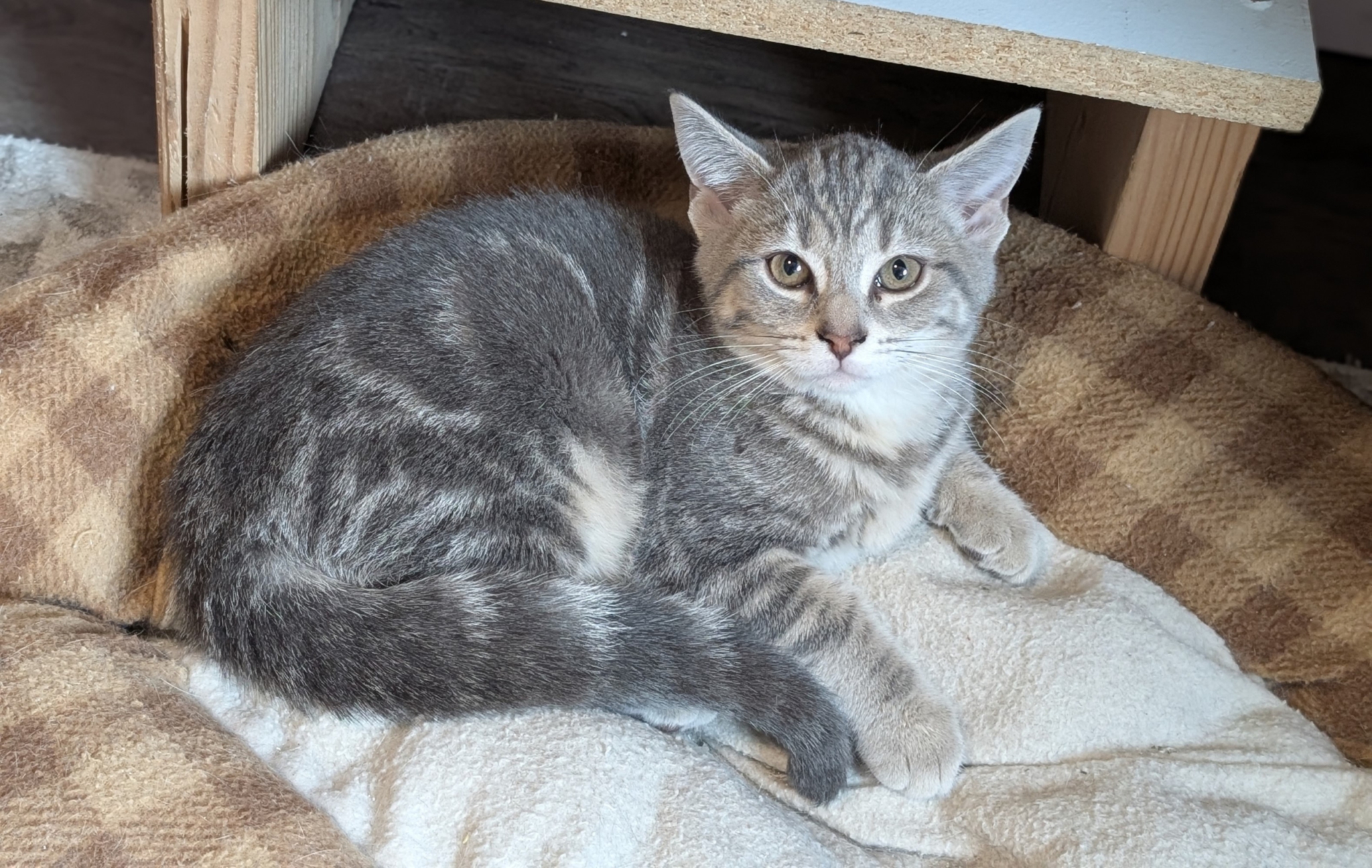
Purebred cats come from parents of the same breed. Their traits follow breed standards set by cat clubs. Mixed breed cats have parents from different breeds or unknown background. Visual traits alone may not confirm purity. Paperwork like registration papers helps prove a cat is purebred.
- Purebreds have pedigree certificates.
- Mixed breeds lack official documentation.
- Purebreds often show consistent breed traits.
- Mixed breeds may have varied appearances.
Ethical Considerations
Ethical considerations play a crucial role when discussing purebred cats. While many admire the unique looks and traits of pure breeds, there are deeper issues tied to their breeding. These concerns affect not only the cats’ health but also the responsibilities of breeders and pet owners like you.
Health Issues Linked To Purebreeding
Purebreeding often narrows the gene pool, increasing the risk of inherited diseases. Cats bred for specific traits can develop problems like heart disease, kidney issues, or respiratory troubles. Have you ever wondered if the beautiful appearance of a purebred cat comes with hidden health costs?
Take the Persian cat, for example. Their flat faces, prized in shows, can cause breathing difficulties and eye infections. This shows how selective breeding for looks can unintentionally harm a cat’s well-being.
Responsible Breeding Practices
Responsible breeders prioritize the health and welfare of their cats over appearance alone. They test for genetic diseases, avoid close inbreeding, and focus on producing healthy kittens. When you choose a breeder who follows these practices, you support better lives for cats.
Ask breeders about their health screening and breeding criteria. Do they consider the cats’ temperament and genetic diversity, or are they just focused on meeting breed standards? Your questions can encourage ethical breeding and help you find a healthier pet.
Future Of Cat Breeding
The future of cat breeding holds exciting possibilities and challenges that directly impact the health and diversity of our feline companions. As breeders and cat lovers, you have a role in shaping this future by understanding the latest tools and trends. Are you ready to see how science and shifting preferences might change the way we think about purebred cats?
Advances In Genetic Testing
Genetic testing has become a powerful tool in cat breeding. It helps identify hereditary diseases early, preventing the spread of harmful traits.
Breeders can now screen cats for specific genes, ensuring healthier litters. This means fewer surprises and more confidence in your cat’s well-being.
Have you considered how genetic insights could change your choices when selecting a kitten or breeding pair? The ability to test for coat color, temperament, and disease risk is transforming traditional practices.
Trends In Cat Breeding And Ownership
People are moving beyond just looks and pedigree when choosing cats. Health, personality, and adaptability are becoming top priorities.
Breeders are responding by focusing on robust health and social traits, not just breed standards. This shift could mean fewer health problems and happier pets.
Another trend is the rise of mixed-breed cats gaining popularity. Owners appreciate their unique traits and often find them more resilient.
- Are you open to adopting a mixed breed rather than a purebred?
- Could embracing diversity in cats lead to a healthier feline population?
Thinking about these trends might change how you view pure breeds and influence your next cat choice.
Credit: purebredcatrescue.org
Frequently Asked Questions
What Defines A Purebred Cat?
A purebred cat has documented ancestry from a recognized breed. These cats meet specific breed standards for appearance and behavior. Breeders maintain purebred lines through controlled mating. This ensures consistent traits across generations, making purebred cats distinct.
Are All Cat Breeds Considered Purebred?
No, not all cat breeds are purebred. Some cats are mixed breeds or domestic shorthairs without pedigree. Purebred cats have verified lineage and breed characteristics. Mixed cats can still be healthy and beloved pets but lack breed registration.
How Can I Identify A Purebred Cat?
Identifying a purebred cat involves checking pedigree papers and breed traits. Physical features like coat color, pattern, and body shape help. A vet or breeder can confirm a cat’s breed status. DNA testing can also verify purebred lineage.
Why Do Purebred Cats Cost More?
Purebred cats cost more due to selective breeding and documentation. Breeders invest time and resources to maintain breed standards. Registration, health screenings, and breed popularity also affect price. Purebred cats often have predictable traits and personalities.
Conclusion
Cats can have pure breeds, but many are mixed. Breeders work to keep traits consistent in purebreds. Mixed cats often show unique and diverse features. Knowing about cat breeds helps you understand their behavior. Every cat, pure or mixed, deserves love and care.
Choosing a cat depends on your lifestyle and preferences. Pure breeds bring predictability, while mixed cats bring surprises. Both types make wonderful pets and companions.



Leave a Reply