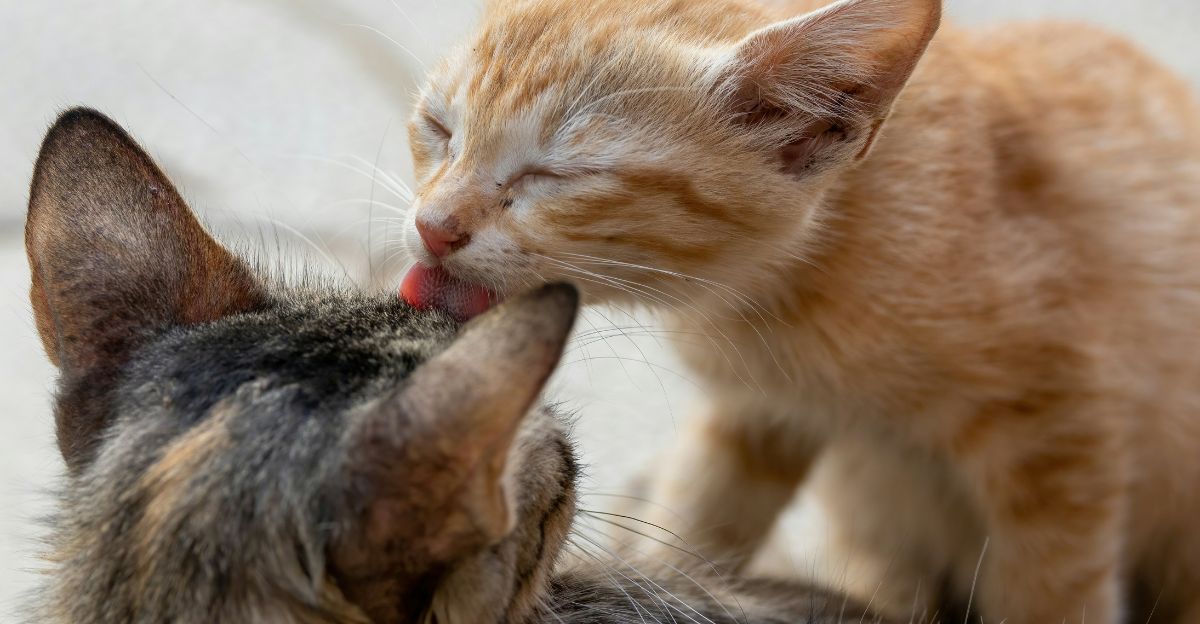
Have you ever watched your cats grooming each other lovingly, only to see them suddenly start fighting right after? It’s confusing and might leave you wondering why they go from sweet to aggressive in a flash.
Understanding this behavior can help you keep your furry friends happier and your home calmer. You’ll discover the surprising reasons behind these post-grooming spats and what you can do to prevent them. Keep reading to unlock the secrets of your cats’ complex social world.
Social Bonds In Cats
Cats are social animals, but their relationships are complex. Grooming plays a key role in how cats connect and communicate. It helps them build trust and feel safe together. Yet, this close contact can sometimes lead to fights. Understanding social bonds in cats explains why this happens.
Grooming As A Bonding Activity
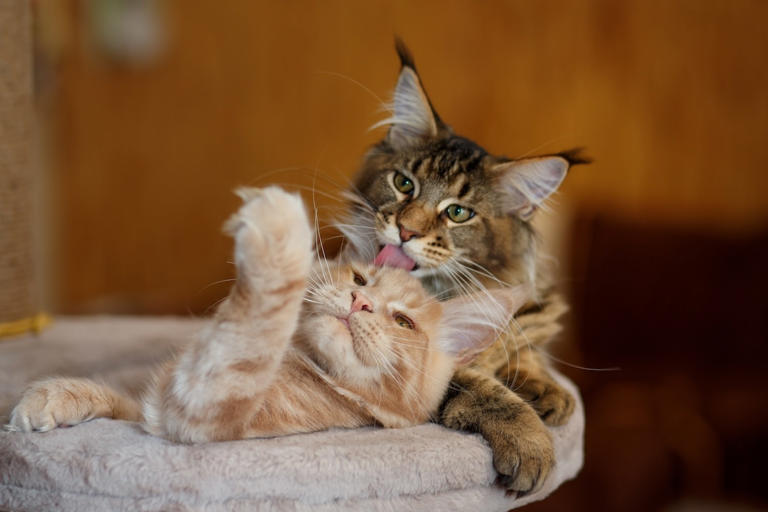
Grooming is more than cleaning. It shows affection and care between cats. Cats lick each other to share scents and create a group smell. This smell helps them recognize friends and feel united. Grooming also reduces stress and calms cats during tense moments. It strengthens their friendship and keeps the group close.
Establishing Hierarchy Through Grooming
Grooming also helps set social order. Dominant cats often groom others to show control. Subordinate cats accept this to avoid conflict. Sometimes, a cat may feel uncomfortable or challenged during grooming. This can lead to quick fights or swats to set boundaries. These small fights help cats understand their place and maintain peace long term.
Credit: catcuddlezone.com
Triggers For Post-grooming Fights
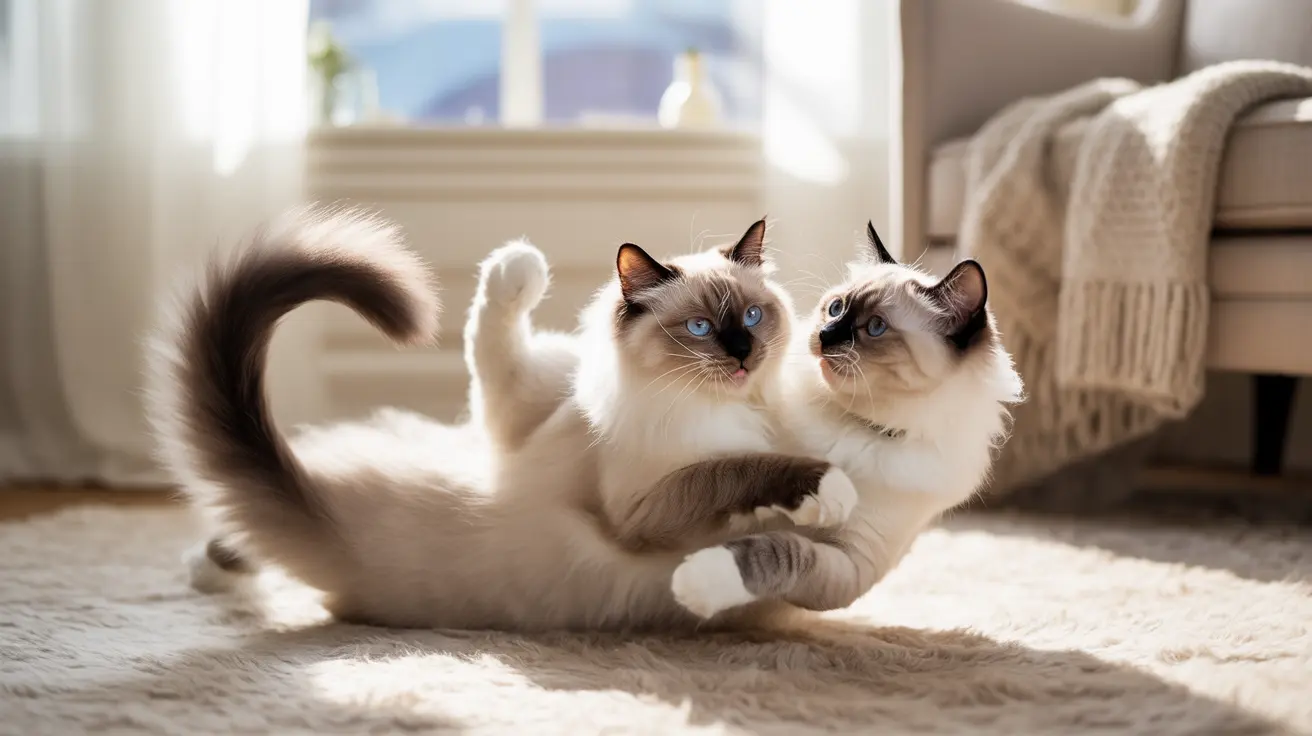
Post-grooming fights among cats often confuse many pet owners. Cats groom each other to bond and show affection. Yet, this peaceful act can suddenly turn into a small scuffle. Understanding the triggers behind these fights helps explain this strange behavior. Several factors contribute to why cats fight after grooming.
Overstimulation And Sensory Overload
Grooming can become overwhelming for cats. Their skin and fur are sensitive to touch. Continuous licking or nibbling may cause discomfort. This overstimulation makes cats snap or swipe at each other. Small movements can feel intense after a while. Cats may fight to stop the overwhelming sensation.
Territorial Behavior And Personal Space
Each cat has its own sense of territory. Grooming means close physical contact in personal space. Some cats might feel their boundaries are crossed. This can trigger defensive reactions. They may growl or swat to protect their space. Territorial instincts make them react quickly after grooming.
Miscommunication During Grooming
Cats use body language to communicate. Sometimes, grooming signals get misunderstood. A gentle lick may be seen as a challenge. Tail flicks or ear positions might confuse the other cat. These small misread signals can lead to fights. Miscommunication turns a friendly act into conflict.
Role Of Scent And Territory
Cats rely heavily on scent to communicate and claim their space. Scent and territory play a key role in their social behavior. Grooming helps cats share scents, but it can also lead to tension.
Each cat has a unique scent that marks its territory. When cats groom each other, they mix their smells. This bonding act can suddenly trigger fights if scents change or overlap too much.
Scent Marking Through Grooming
Grooming spreads a cat’s scent across its fur and body. This scent marks the cat as part of a group or family. Cats use scent glands located on their head and body during grooming.
When cats groom each other, they exchange these smells. This exchange builds trust and strengthens social bonds. It signals acceptance and friendship within their group.
Changes In Scent Causing Aggression
Small changes in scent can confuse or upset cats. A new smell may signal an outsider or a threat. Cats may react by showing aggression to protect their territory.
After grooming, a cat’s scent might mix with another’s. This change can create uncertainty about who belongs where. The cat might respond by fighting to reestablish boundaries.
Credit: www.petscare.com
Emotional States Influencing Aggression
Cats may feel stressed or annoyed after grooming, which can trigger sudden fights. Emotional shifts like irritation or jealousy often cause this unexpected aggression. Understanding these feelings helps explain why peaceful grooming sometimes ends in conflict.
Cats exhibit a range of emotions that can influence their behavior. After grooming, these emotions may shift, causing unexpected aggression. Understanding these emotional states is key to deciphering why cats fight after grooming each other.Stress And Anxiety Factors
Cats can feel stressed by sudden changes in their environment. Loud noises or new pets can make them anxious. After grooming, a cat might feel vulnerable. Stress levels can rise, leading to aggressive behavior. Pay attention to your cat’s surroundings. A calm environment can help reduce stress-induced aggression.Jealousy And Attention Seeking
Cats often crave attention from their owners. If one cat receives more grooming, jealousy may arise. This can lead to fights post-grooming. Cats may fight to seek their owner’s attention. Balancing attention among pets can help. Ensure each cat feels equally loved and cared for. This reduces jealousy and related aggression.Preventing Post-grooming Fights
Preventing fights after grooming helps keep cats calm and happy. Understanding their behavior reduces stress and avoids injuries. Creating a peaceful environment supports their natural bonding without conflict. Small actions can make a big difference in cat relationships.
Recognizing Early Warning Signs
Watch for stiff tails, ears turned back, or sudden stops in grooming. Hissing or low growls show discomfort or tension. Quick eye movements or staring can signal rising stress. Catching these signs early helps prevent fights before they start.
Creating Safe Spaces For Cats
Provide separate areas for cats to retreat after grooming. Soft beds, hiding spots, and quiet corners give them calm zones. Avoid forcing cats to stay close if they want space. Safe spaces lower stress and reduce chances of post-grooming fights.
Managing Group Dynamics
Observe how cats interact during and after grooming sessions. Some cats prefer one-on-one grooming, not group settings. Separate cats that show signs of aggression or discomfort. Feeding and playing separately can reduce competition and tension.
When To Seek Professional Help
Sometimes, cats fight after grooming each other. This behavior might seem normal at first. But some fights can be serious and harmful. Knowing when to seek professional help is important. It keeps your cats safe and happy. Experts can guide you to solve these problems quickly.
Signs Of Serious Aggression
- Growling and hissing loudly during fights
- Repeated biting that causes injury
- One cat hiding or showing fear
- Constant chasing or cornering behavior
- Swelling, scratches, or bleeding on cats
- Fights lasting longer than a few seconds
These signs show fights are more than play. Immediate attention helps prevent injuries. Observe your cats closely for these behaviors.
Behavioral Therapy And Training Options
Professional trainers use gentle methods to reduce aggression. They teach cats to feel safe around each other. Training may include:
- Controlled introduction sessions
- Positive reinforcement for calm behavior
- Redirecting attention during conflicts
- Creating separate spaces for each cat
Therapy helps cats build trust. It also helps owners understand cat body language. This reduces future fights and stress.
Credit: www.msn.com
Frequently Asked Questions
Why Do Cats Fight After Grooming Each Other?
Cats may fight after grooming due to overstimulation or misread social cues. Grooming builds trust, but sudden movements can trigger defensive reactions. This behavior helps establish boundaries and social hierarchy within their group.
Is Post-grooming Fighting Normal Cat Behavior?
Yes, it is normal. Post-grooming fights are part of cats’ social interactions. It helps them communicate limits and maintain a balance between affection and independence.
Can Grooming Cause Aggression Between Cats?
Grooming can sometimes trigger aggression if one cat feels uncomfortable or threatened. Over-grooming or excessive licking may annoy the other cat, leading to a quick defensive response.
How Can I Stop Cats From Fighting After Grooming?
Observe their body language and intervene early if tension rises. Provide separate spaces and distractions like toys. Gradually build positive interactions to reduce post-grooming fights.
Conclusion
Cats groom each other to show trust and care. Sometimes, grooming can feel too close or annoying. This can cause cats to fight briefly. They use fights to set boundaries and communicate feelings. These little fights rarely cause real harm.
Understanding cat behavior helps you keep peace at home. Watch their body language for signs of stress. Give cats space if they seem upset. This helps them feel safe and calm again. Grooming and mild fights are part of how cats bond.
Patience and care build a happy, peaceful cat family.



Leave a Reply