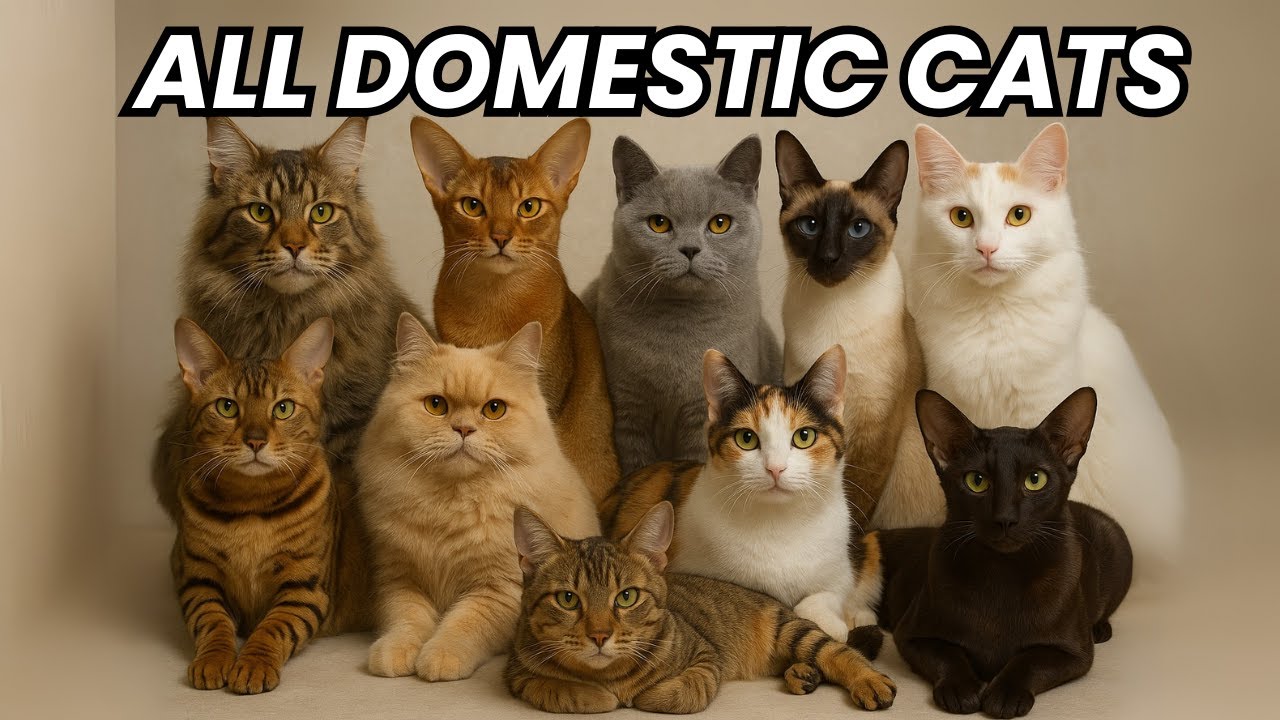
Have you ever wondered how many different types of domestic cats share your home or neighborhood? If you’re curious about the variety of feline friends out there, you’re not alone.
Knowing the number of domestic cat breeds can help you understand your own pet better or guide you if you’re thinking about adding a new furry member to your family. You’ll discover the surprising range of cat breeds, what makes each one unique, and how to spot the differences.
Keep reading, and you might find the perfect match for your lifestyle—or simply impress your friends with your new cat knowledge!
Cat Breed Categories
Understanding the different categories of domestic cat breeds helps you appreciate their unique traits and origins. Cat breeds generally fall into three main groups based on their history and development. Recognizing these categories can guide you in choosing a cat that fits your lifestyle and preferences.
Natural Breeds
Natural breeds are cats that evolved over time in specific regions without much human interference. These breeds have adapted to their environments, showing traits shaped by nature rather than selective breeding. The Maine Coon and the Norwegian Forest Cat are great examples—they developed thick coats to survive cold climates.
Have you noticed how natural breeds often have robust health and strong instincts? This is because their traits were refined by survival needs, not just looks.
Hybrid Breeds
Hybrid breeds come from crossing domestic cats with wild species. This blend creates unique appearances and sometimes more energetic or exotic temperaments. The Bengal cat, bred from domestic cats and the Asian leopard cat, is famous for its leopard-like spots and active personality.
Owning a hybrid breed means understanding their special care requirements. Their wild ancestry can influence behavior, so ask yourself if you’re ready for a more demanding pet.
Developed Breeds
Developed breeds result from intentional breeding by humans to highlight specific traits. These cats often have distinctive looks or temperaments crafted over generations. The Persian, with its long, flowing coat and calm nature, exemplifies this category.
Developed breeds can be perfect if you want a cat with predictable characteristics. However, they might also need more grooming or health monitoring due to selective breeding.
Major Cat Breed Registries
Major cat breed registries play a crucial role in defining and recognizing the diverse breeds of domestic cats worldwide. These organizations maintain official breed standards, organize cat shows, and provide resources for breeders and cat lovers alike. Understanding the key registries helps you grasp how many breeds exist and the standards that shape them.
Cat Fanciers’ Association
The Cat Fanciers’ Association (CFA) is one of the largest and most influential cat registries globally. It recognizes around 45 distinct breeds, ranging from the sleek Siamese to the fluffy Maine Coon.
CFA places strong emphasis on breed standards and health, ensuring that each breed maintains its unique characteristics. If you’ve ever attended a cat show, chances are many of the featured cats are CFA-registered.
The International Cat Association
The International Cat Association (TICA) is known for its wide acceptance of both traditional and newly developed breeds. It currently recognizes more than 70 breeds, making it one of the most inclusive registries.
TICA encourages innovation and genetic diversity in cat breeding. Have you noticed how some rare breeds only appear in TICA shows? That’s because TICA often registers experimental breeds earlier than other associations.
Fédération Internationale Féline
Fédération Internationale Féline (FIFe) is a European-based registry with global reach. It recognizes around 50 cat breeds, focusing on preserving traditional breeds alongside emerging ones.
FIFe’s standards often influence breeders in Europe and beyond. If you want to understand breed popularity trends in different countries, FIFe’s registry data offers valuable insights.
Number Of Recognized Domestic Breeds
The number of recognized domestic cat breeds varies worldwide. Different cat registries recognize different breeds. Each registry has its own standards and categories. This means the total count depends on which registry you refer to.
Understanding the number of breeds helps cat lovers appreciate feline diversity. It also guides those who want to adopt or show cats. Let’s explore how breeds differ by registry and around the globe.
Breeds By Registry
Major cat registries list different numbers of breeds. For example:
- The Cat Fanciers’ Association (CFA) recognizes about 45 breeds.
- The International Cat Association (TICA) lists over 70 breeds.
- The Fédération Internationale Féline (FIFe) acknowledges around 48 breeds.
Each registry has unique rules for breed recognition. Some focus on pedigree and appearance. Others emphasize genetics and health. This leads to variations in breed acceptance.
Global Breed Variations
Cat breeds also vary by region and culture. Certain breeds are native to specific countries. For example:
- The Siamese cat originates from Thailand.
- The Maine Coon comes from the United States.
- The Scottish Fold was first seen in Scotland.
Some breeds are popular worldwide, while others remain local. New breeds develop as breeders mix traits. The global cat population continues to grow in variety.

Credit: www.shutterstock.com
Popular Domestic Cat Breeds
When you think of domestic cats, vibrant images of various breeds might flood your mind. Each breed carries its own unique charm, personality, and history. Let’s dive into some of the most popular domestic cat breeds, exploring their traits and why they might be the perfect addition to your home.
Siamese
The Siamese cat is known for its striking blue almond-shaped eyes and sleek, short coat. These cats are incredibly vocal and love to engage in conversation with their owners. If you’re looking for a cat that will always keep you company, the Siamese is a fantastic choice.
Maine Coon
Maine Coons are one of the largest domestic cat breeds, with a heart just as big. Known for their tufted ears and fluffy tails, they are gentle giants. You might find yourself surprised at how these cats can adapt to various environments, making them perfect for families.
Persian
With their long, luxurious coats and calm demeanor, Persian cats are the epitome of elegance. These cats love a peaceful environment where they can lounge and relax. But, are you ready to commit to their grooming needs to keep their coat in top condition?
Bengal
The Bengal cat is a true spectacle with its leopard-like spots and energetic nature. These cats are highly active and enjoy exploring, climbing, and playing. If you’re an adventurous spirit, a Bengal cat could be the lively companion you’ve been searching for.
- Consider the lifestyle you lead before choosing a cat breed.
- Each breed has its own unique requirements and characteristics.
- Are you ready for the commitment and joy a cat can bring into your life?
Traits Defining Domestic Breeds
Domestic cat breeds differ widely in traits that define their identity. These traits help distinguish one breed from another. Understanding these features aids in recognizing the vast variety of cats. Traits fall into three main categories: physical traits, temperament, and care needs. Each category shapes a breed’s uniqueness and appeal.
Physical Characteristics
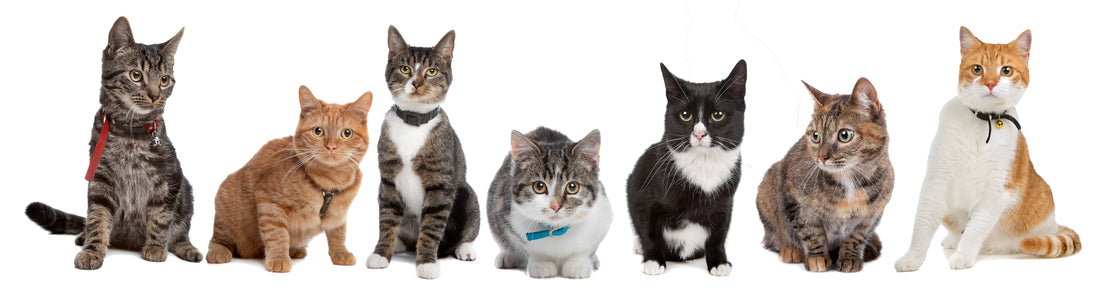
Physical traits include size, fur type, color, and body shape. Some breeds have short hair; others have long, fluffy coats. Color patterns vary from solid to striped or spotted. Body shapes range from slender and sleek to round and sturdy. Eye color and ear shape also differ between breeds.
Temperament
Temperament shows how cats behave and interact. Some breeds are very friendly and social. Others prefer quiet and independent lives. Playfulness, affection, and energy levels vary by breed. These traits influence how cats bond with people and other pets. Understanding temperament helps choose a cat that fits your lifestyle.
Care Requirements
Care needs depend on breed traits like coat length and health risks. Long-haired cats require regular grooming to avoid mats. Some breeds need more exercise or mental stimulation. Others may have specific dietary needs or health concerns. Knowing care requirements ensures a happy, healthy cat.
Credit: meowfia.us
Emerging And Rare Breeds
Domestic cat breeds continue to evolve as breeders explore new traits and preserve unique lineages. Emerging and rare breeds add diversity to the feline world. These breeds often have distinctive looks or special histories that set them apart from common breeds.
Many new breeds gain recognition after careful breeding and documentation. Some rare breeds face threats due to small populations. Understanding these breeds helps cat lovers appreciate the variety and effort behind each one.
Newly Recognized Breeds
New breeds appear as breeders develop unique traits. These cats often start as experimental crosses. Over time, they become established through breed clubs and official cat associations.
- The Lykoi, known as the “werewolf cat,” has a striking, patchy coat.
- The Dwelf is a mix of Munchkin, Sphynx, and American Curl traits.
- The Highlander breed has wild-looking ears and a muscular build.
New breeds bring fresh interest and variety to cat enthusiasts. They often combine unique physical features with playful personalities.
Endangered Breeds
Some breeds have very few cats left worldwide. These endangered breeds need protection to survive. Their rarity makes them precious to breeders and fans.
- The Turkish Van is famous for its swimming skills but has a small population.
- The Kurilian Bobtail has a rare bobbed tail and is native to Russia.
- The Sokoke is a wild-looking cat from Kenya, very rare outside its home.
Conservation efforts focus on responsible breeding to keep these breeds healthy. Supporting endangered breeds helps preserve genetic diversity among cats.
Factors Influencing Breed Popularity
Breed popularity is shaped by more than just appearance or temperament. Several factors come into play, influencing which domestic cat breeds capture your attention and become household favorites. Understanding these influences can help you see why certain breeds rise in demand while others remain rare.
Media Impact
Have you noticed how a cat breed featured in a movie or viral video suddenly becomes trendy? Media exposure can skyrocket a breed’s popularity overnight. For instance, the Scottish Fold gained massive attention after starring in numerous online videos showcasing its unique folded ears.
This spotlight affects adoption and sales rates. When a particular breed appears in commercials or social media, people often want to own the same type of cat. This can sometimes lead to impulsive decisions, so it’s important to research the breed thoroughly before choosing one based on media hype.
Cultural Preferences
Different cultures favor different cat breeds based on historical ties, beliefs, or aesthetics. In Japan, for example, the Japanese Bobtail is admired for bringing good luck and prosperity. Meanwhile, Persian cats have long been symbols of luxury in Western countries.
These cultural influences shape what breeds people find appealing or prestigious. If you’re considering a breed, think about how your own culture might affect your preferences—and whether those preferences match your lifestyle.
Breeding Trends
Breeders often focus on traits that meet current market demands, which impacts breed popularity. Traits like hypoallergenic coats or distinctive colors attract buyers looking for specific features. The Bengal cat’s striking spotted pattern has made it a sought-after breed in recent years.
However, trends can change fast. Breeders may shift their focus, causing some breeds to become less common. When choosing a cat, consider long-term commitment rather than jumping on the latest trend. What will fit your life best years down the road?

Credit: www.yahoo.com
Frequently Asked Questions
How Many Domestic Cat Breeds Exist Worldwide?
There are approximately 70 to 75 recognized domestic cat breeds worldwide. This number varies slightly by cat registries. Each breed has unique traits and histories. These breeds range from popular ones like Siamese to rare breeds like the Turkish Van.
What Defines A Domestic Cat Breed?
A domestic cat breed is defined by specific traits and lineage. Breeders select cats for appearance, personality, and genetics. Official cat organizations recognize these traits to classify breeds. This helps maintain breed standards and ensures breed purity.
Are All Domestic Cat Breeds Hypoallergenic?
Not all domestic cat breeds are hypoallergenic. Some breeds, like the Siberian or Balinese, produce fewer allergens. However, individual reactions vary. People allergic to cats should spend time with specific breeds before adopting.
How Do Domestic Cat Breeds Differ?
Domestic cat breeds differ in size, coat type, color, and personality. Some breeds have long hair, others short or curly. Temperaments range from playful to reserved. These differences help potential owners choose cats that fit their lifestyle.
Conclusion
Domestic cat breeds are diverse and fascinating. Each breed has unique traits and charm. Knowing the number of breeds helps appreciate this variety. Cats offer companionship in many shapes and sizes. Whether fluffy or sleek, all cats bring joy. Exploring breeds can guide you to your perfect pet.
Keep learning about cats and their special traits. Enjoy the journey of discovering these wonderful animals.



Leave a Reply