
Have you ever noticed your cat biting its fur while grooming and wondered why? It might seem strange or even a little worrying.
But understanding this behavior can help you better care for your furry friend. You’ll discover the surprising reasons behind your cat’s fur-biting habit and learn what it means for their health and happiness. Keep reading—you’ll want to know what’s really going on beneath that soft fur.
Grooming Habits Of Cats
Cats spend a lot of time grooming themselves. Grooming keeps their fur clean and healthy. It also helps them feel calm and relaxed. Understanding how cats groom can explain why they sometimes bite their fur during this process.
Normal Grooming Behaviors
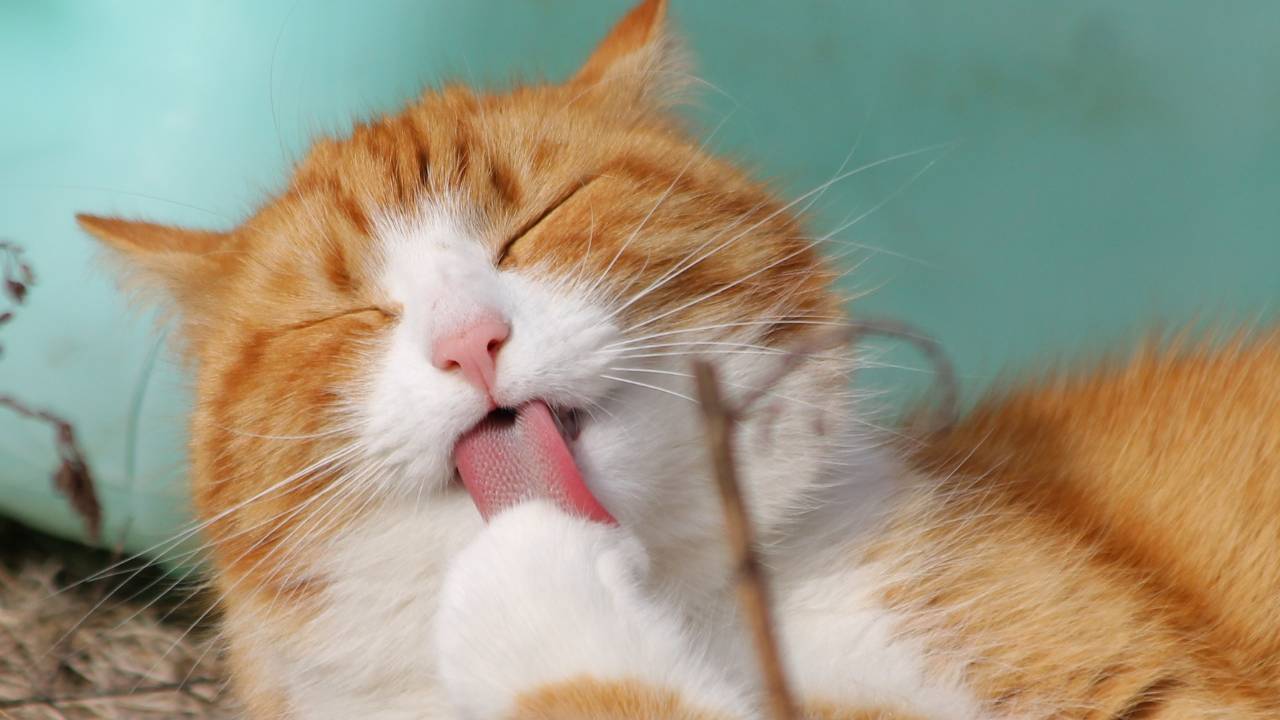
Cats lick their fur to remove dirt and loose hair. Their tongues have tiny, rough bumps that help clean deep into the fur. Grooming also spreads natural oils, making the coat shiny and soft.
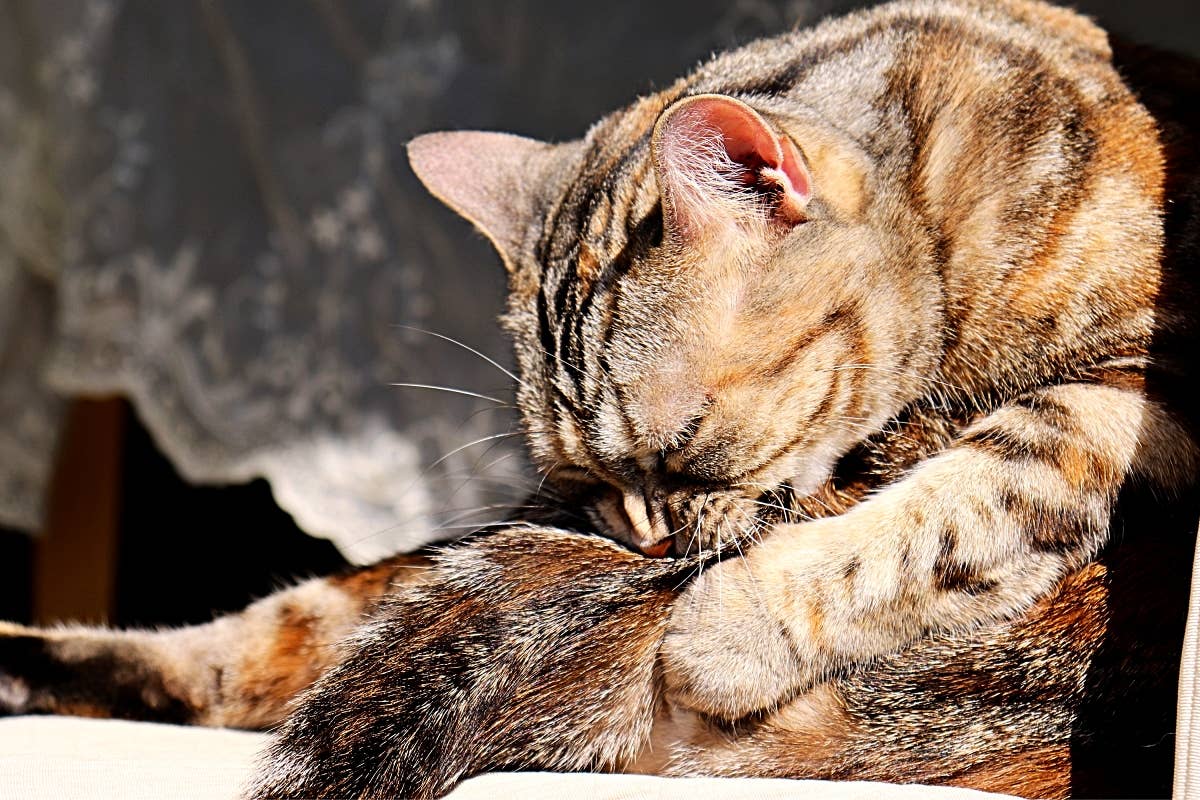
Besides licking, cats use their paws to clean hard-to-reach spots. They often bite gently at knots or tangles in their fur. This is normal behavior to keep their coat smooth.
How Cats Use Their Mouths
Cats use their mouths to bite and nibble during grooming. This helps remove stuck debris or loose fur. Biting is usually gentle and controlled. It is not meant to hurt but to maintain a clean coat.
Sometimes cats bite their fur to soothe an itch or irritation. Biting can also help them focus on a specific area that needs attention. This mouth action is part of their natural grooming routine.

Credit: www.reddit.com
Reasons Behind Fur Biting
Cats biting their fur during grooming is a behavior that often puzzles many pet owners. Understanding the reasons behind this action can help you better care for your feline friend and recognize when their behavior is normal or a sign of something more serious.
Removing Dirt And Parasites
One main reason cats bite their fur is to clean themselves thoroughly. Biting helps them remove dirt, loose fur, and tiny pests like fleas that brushing alone might miss.
If you’ve ever watched a cat groom, you might notice how focused they get on certain spots. That’s because biting allows them to reach areas that need extra attention.
Dealing With Irritation
Sometimes, biting fur is a way for cats to soothe an itch or irritation. This could be caused by allergies, insect bites, or even dry skin.
If your cat suddenly starts biting one spot repeatedly, check for redness, swelling, or hair loss. These signs mean you should consult your vet to find the root cause.
Stress And Anxiety Signals
Cats also bite their fur as a response to stress or anxiety. This behavior can become repetitive and even damaging if the cat feels unsettled for long periods.
Think about your cat’s environment — have there been changes like a new pet, moving homes, or loud noises? Helping your cat feel secure can reduce this kind of fur biting.
Health Issues Linked To Fur Biting
Noticing your cat biting its fur during grooming might seem harmless at first. However, this behavior can signal underlying health problems that need your attention. Understanding these health issues can help you take timely action to keep your feline friend comfortable and healthy.
Allergies And Skin Conditions
Cats can develop allergies to food, pollen, or household chemicals, causing itchy skin that leads them to bite their fur. Skin conditions like dermatitis or fungal infections also trigger discomfort and fur biting. If your cat’s skin looks red, flaky, or swollen, this could be a sign that allergies or a skin condition is causing the behavior.
Parasite Infestations
Parasites such as fleas, ticks, or mites irritate your cat’s skin, prompting frequent biting and grooming. Even if you don’t see these tiny pests immediately, persistent fur biting might be your cat’s way of trying to relieve the itch. Regularly checking for parasites and using vet-recommended preventatives can protect your cat and stop the biting.
Pain Or Discomfort
Sometimes, fur biting is a response to pain or discomfort in a specific area. This might result from an injury, arthritis, or dental problems causing your cat to bite around the painful spot. Have you noticed your cat favoring one side or acting unusually withdrawn? These signs paired with fur biting deserve a vet’s evaluation.
Behavioral Causes
Cats often bite their fur during grooming to remove dirt or loose hair. Stress or boredom can also cause this behavior as a way to feel comforted. Sometimes, it helps them calm down or focus on self-care.
Cats are fascinating creatures, and their grooming habits can sometimes leave us puzzled. If you’ve noticed your feline friend biting their fur during grooming, you might be wondering why. Understanding the behavioral causes behind this can help you ensure your cat’s well-being and happiness.Boredom And Overgrooming
Cats, much like humans, can get bored. When left with little stimulation, they may resort to grooming as a way to pass the time. This can lead to overgrooming, where your cat might start biting their fur excessively. It’s crucial to provide your cat with interactive toys or engage them in play to keep their mind active. Have you tried rotating their toys to keep things interesting?Attention-seeking Actions
Cats often have unique ways of grabbing your attention. Biting their fur might just be one of them. If your cat notices you react every time they do this, they might continue the behavior to get more of your time. Observing when your cat tends to bite their fur can help you determine if they’re seeking attention. Could this be your cat’s way of saying they need a bit more love?Territorial Marking
Believe it or not, cats also bite their fur as a form of territorial marking. This behavior is more common in multi-cat households. When a cat bites their fur, they might be spreading their scent, marking their territory. It’s their way of telling other cats, “This is my space.” Have you noticed this behavior increasing with the arrival of a new pet? Addressing these behavioral causes can lead to a happier and healthier relationship with your furry companion.When Fur Biting Becomes A Problem
Cats biting their fur is normal during grooming. It helps remove dirt and loose hair. But sometimes, this behavior becomes a problem. Excessive fur biting can indicate stress or health issues. It can also cause harm to your cat’s skin and coat. Knowing the signs and effects is important to keep your cat healthy and happy.
Signs Of Excessive Grooming
- Visible bald spots on the fur
- Red or irritated skin
- Frequent biting or licking in one area
- Restlessness or anxiety behaviors
- Scabs or wounds from biting
Watch for these signs closely. They show your cat might be over-grooming. This behavior can be due to allergies, stress, or parasites.
Potential Damage To Fur And Skin
- Hair loss creating patchy spots
- Skin inflammation or redness
- Open sores or wounds that may get infected
- Thickened or rough skin from constant biting
- Increased sensitivity or pain
Repeated biting can cause serious damage. The skin loses its natural protection. This can lead to infections and discomfort. Early attention helps prevent long-term harm.
Credit: americanpaws.club
Tips To Help Your Cat
Helping your cat manage fur biting starts with understanding their needs and environment. Cats often bite their fur out of boredom, stress, or underlying health issues. You can make a big difference by offering the right care and attention tailored to your pet’s situation.
Improving Environment And Stimulation
Is your cat getting enough playtime and mental challenges? Boredom can lead to excessive grooming and biting. Add interactive toys, scratching posts, and regular play sessions to keep your cat engaged.
Try rotating toys to keep things fresh. A tired cat is less likely to resort to fur biting. Also, consider creating cozy resting spots near windows; watching birds or outside activity can mentally stimulate your cat.
Veterinary Care And Treatments
If your cat’s biting seems intense or causes bald patches, a vet visit is essential. Skin conditions, allergies, or parasites might be triggering the behavior. Your vet can recommend treatments or medications to relieve discomfort.
Discuss with your vet about possible anxiety or stress-related causes. Sometimes, behavioral therapy or prescription calming aids help cats stop fur biting. Early intervention often prevents the problem from worsening.
Using Soothing Products
Have you tried calming sprays or diffusers? Products containing pheromones can create a relaxing environment for your cat. These are easy to use and often reduce stress-induced behaviors like fur biting.
Consider natural remedies like chamomile or lavender, but always check with your vet first. Adding a soft brush massage can also soothe your cat and reduce the urge to bite their fur.
Credit: pethelpful.com
Frequently Asked Questions
Why Do Cats Bite Their Fur During Grooming?
Cats bite their fur to remove dirt, loose hair, and parasites. This behavior helps keep their coat clean and healthy. Biting also stimulates skin oils that protect and condition their fur, promoting a shiny and smooth appearance.
Is Biting Fur Normal Grooming Behavior In Cats?
Yes, biting fur is a normal part of a cat’s grooming routine. It helps them clean hard-to-reach spots and remove tangles or debris. However, excessive biting may indicate stress or skin problems that require veterinary attention.
Can Biting Fur Cause Harm To Cats?
Occasional fur biting is harmless, but excessive biting can cause skin irritation or bald patches. Over-grooming may result from anxiety, allergies, or parasites. If fur biting leads to wounds or hair loss, consult a veterinarian for treatment.
How Can I Reduce My Cat’s Fur Biting Habit?
Ensure your cat has a clean, stress-free environment and regular parasite control. Provide toys and playtime to reduce anxiety. Groom your cat gently to remove loose fur and check for skin issues, helping minimize biting behavior.
Conclusion
Cats bite their fur to clean and soothe themselves. This behavior helps remove dirt and loose hair. Sometimes, it shows stress or skin problems. Watching your cat’s grooming habits is important. It helps spot any health issues early. Keep their fur clean and check for changes.
A happy cat grooms comfortably and calmly. Understanding why cats bite their fur leads to better care. Simple attention keeps your pet healthy and content.


Leave a Reply