If your cat has been showing signs of digestive discomfort, you’re probably wondering what to give your cat for gastrointestinal health. You want to help your furry friend feel better, but it can be confusing to know which foods, supplements, or treatments actually work.
The good news is, there are simple, effective options that can support your cat’s digestion and keep their tummy happy. You’ll discover practical tips and safe choices that make a real difference. Keep reading to find out how to give your cat the care they need to stay comfortable and healthy every day.
Common Cat Digestive Issues
Digestive health is vital for a cat’s overall well-being. Many cats suffer from common gastrointestinal problems. These issues can affect their appetite, mood, and energy levels. Knowing the signs and causes helps in early detection and treatment.
Symptoms To Watch For
- Vomiting or frequent gagging
- Diarrhea or loose stools
- Constipation or difficulty passing stool
- Loss of appetite or refusal to eat
- Weight loss without explanation
- Excessive drooling or licking lips
- Abdominal pain or bloating
- Lethargy or unusual tiredness
Causes Of Gastrointestinal Problems
- Dietary changes or food intolerance
- Swallowing foreign objects
- Infections from bacteria or parasites
- Stress or anxiety affecting digestion
- Chronic diseases like inflammatory bowel disease
- Allergic reactions to food or environment
- Medications that upset the stomach
- Obstructions in the digestive tract
Safe Dietary Adjustments
Adjusting your cat’s diet carefully can make a big difference in their gastrointestinal health. Safe dietary changes help ease digestion, reduce discomfort, and support overall wellness. You don’t need drastic changes—simple tweaks can have powerful effects.
High-fiber Foods
Adding fiber can improve your cat’s digestion by regulating bowel movements and preventing constipation. You can try small amounts of canned pumpkin or plain cooked sweet potato. These foods are gentle and safe, but start with tiny portions to see how your cat reacts.
Have you noticed your cat struggling with irregular stools? Increasing fiber might be the answer. Avoid high-fiber foods that contain spices or additives, as these can upset your cat’s stomach.
Hydration Tips
Water plays a crucial role in your cat’s digestive health. Cats often don’t drink enough, which can lead to hard stools and constipation. Try adding water or low-sodium broth to their wet food to boost fluid intake.
Some cats prefer running water, so a pet fountain might encourage them to drink more. Watch for signs of dehydration, like dry gums or lethargy, and make hydration a daily priority.
Probiotic-rich Options
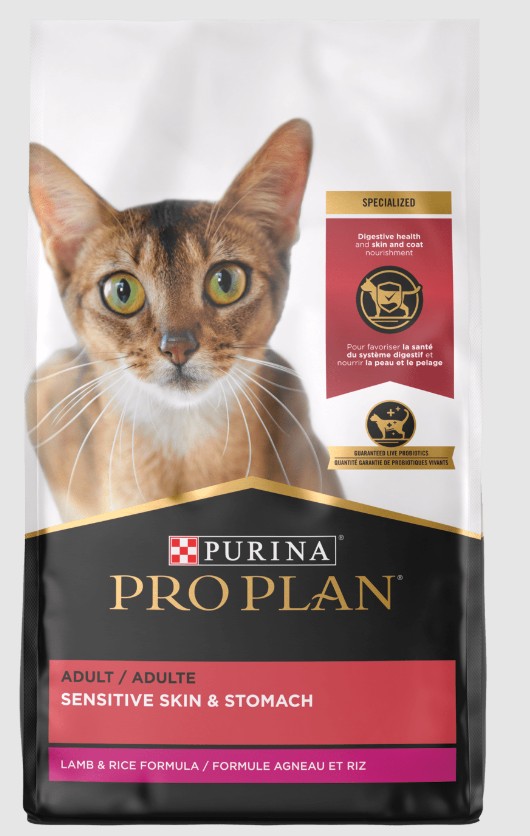
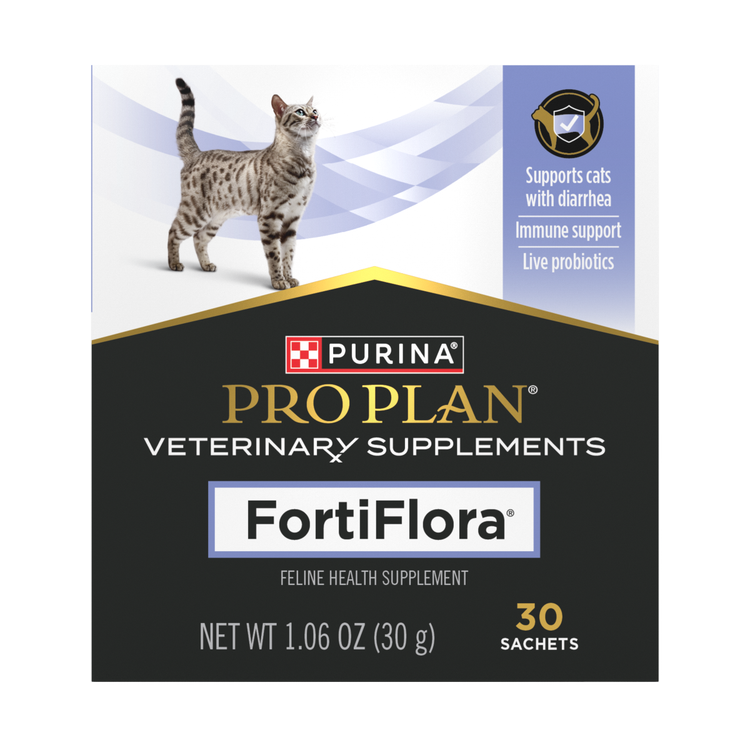
Probiotics help balance the good bacteria in your cat’s gut, improving digestion and immune function. You can find probiotic supplements designed for cats or use probiotic-rich foods like plain yogurt, but only if your cat tolerates dairy well.
Not all probiotics are the same, so choose products specifically made for feline use. Have you tried probiotics yet? They might surprise you with how much they can ease your cat’s tummy troubles.
Natural Remedies For Cats
Natural remedies can support your cat’s gastrointestinal health gently. They often soothe the stomach and improve digestion. Many pet owners prefer natural options to avoid harsh chemicals or side effects. Using simple, safe ingredients can help maintain your cat’s gut balance and comfort.
Pumpkin And Other Vegetables
Pumpkin is rich in fiber. It helps regulate bowel movements and eases constipation. Many cats enjoy cooked pumpkin added to their food. Other vegetables like sweet potatoes and carrots offer similar fiber benefits. Always cook vegetables well and serve in small amounts. Avoid onions and garlic, as they are harmful to cats.
Slippery Elm Benefits
Slippery elm is a natural herb that soothes the digestive tract. It forms a gel that coats the stomach and intestines. This coating reduces irritation and inflammation. You can find slippery elm in powder or capsule form. Mix with water before giving it to your cat. It helps with diarrhea, indigestion, and acid reflux.
Aloe Vera Use
Aloe vera supports digestion and soothes the gut lining. It has anti-inflammatory and healing properties. Use only pure aloe vera juice or gel meant for pets. Small doses added to food or water work best. Avoid aloe latex, which can be toxic. Consult a vet before starting aloe treatment for your cat.
Credit: kohapet.com
Over-the-counter Supplements
Supplements like probiotics and fiber can support your cat’s digestive system. These help balance gut bacteria and ease digestion naturally. Always choose safe, vet-approved options for best results.
Cats, like humans, can occasionally experience stomach troubles. If your feline friend is having digestive issues, over-the-counter supplements might be a helpful addition to their diet. These supplements can provide essential nutrients and support your cat’s gastrointestinal health, ensuring they feel their best.Digestive Enzymes
Digestive enzymes play a crucial role in breaking down food, making it easier for your cat to absorb nutrients. If your cat is having trouble digesting their meals, adding these enzymes can help. Look for supplements that contain amylase, protease, and lipase, which aid in breaking down carbohydrates, proteins, and fats, respectively. Have you ever noticed your cat experiencing bloating or gas after eating? Digestive enzymes could be the missing piece. By supporting their natural digestive process, you can help your cat enjoy their meals without discomfort.Probiotics And Prebiotics
Probiotics and prebiotics are fantastic for maintaining a healthy gut flora. Probiotics are beneficial bacteria that help balance the gut microbiome, while prebiotics feed these good bacteria. Together, they create a harmonious environment for digestion. Consider probiotics if your cat has recently been on antibiotics or has frequent diarrhea. These supplements can restore the balance of good bacteria, improving gut health. Many cat owners notice a remarkable difference in their pet’s energy and mood once their digestive health is restored.Herbal Supplements
Herbal supplements can also be a gentle way to support your cat’s gastrointestinal health. Ingredients like slippery elm bark and licorice root are known for their soothing properties. They can help calm an upset stomach and reduce inflammation in the digestive tract. Before introducing herbal supplements, check with your vet. While natural, some herbs might not be suitable for every cat. With the right guidance, herbal supplements can be a valuable part of your cat’s digestive health routine. Have you tried any of these supplements with your cat? It’s amazing how a small addition can make a big difference in their overall well-being. Feel free to share your experiences or ask questions in the comments below!When To See A Vet
Knowing when to take your cat to the vet for gastrointestinal issues can make all the difference in their recovery. Some symptoms might seem mild but can quickly worsen. Being alert to the right signs ensures your cat gets professional help before things escalate.
Signs Of Severe Illness
Watch for persistent vomiting or diarrhea lasting more than 24 hours. If your cat shows signs of dehydration, such as dry gums or sunken eyes, it’s urgent to seek help. Other red flags include lethargy, loss of appetite, and sudden weight loss.
My cat once had mild diarrhea that I thought would pass, but when she stopped eating and became very weak, I realized it was time to visit the vet immediately. Don’t wait until symptoms worsen—early action can save your cat’s life.
Diagnostic Tests
At the vet, several tests can pinpoint the cause of gastrointestinal distress. Blood tests check for infections or organ function issues. Stool samples help identify parasites or bacterial infections.
Sometimes, the vet may recommend X-rays or ultrasounds to look for blockages or abnormalities in the digestive tract. These tests provide a clear picture and guide the best treatment plan for your cat’s specific condition.
Treatment Options
Treatment varies based on the diagnosis but often includes fluid therapy to prevent dehydration. Your vet might prescribe medications to control vomiting, diarrhea, or infections.
Diet changes are common; your cat may need a special gastrointestinal formula food temporarily. Follow your vet’s instructions carefully—your commitment plays a big role in your cat’s recovery.
Credit: www.purina.com
Preventing Future Digestive Problems
Preventing future digestive problems in cats helps maintain their overall health. Keeping their digestive system healthy reduces discomfort and costly vet visits. Simple daily habits can make a big difference for your cat’s gut health.
Regular Diet Monitoring
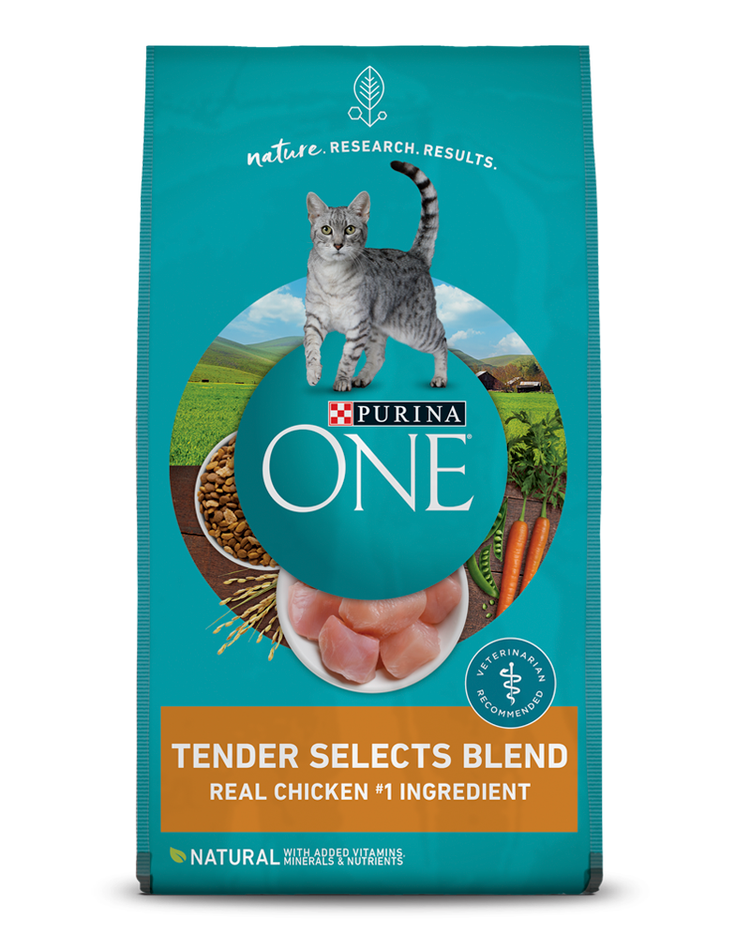
Watch what your cat eats closely. Ensure their food is high-quality and balanced for digestive health. Avoid sudden changes in diet, as these can upset their stomach. Keep an eye on any signs of intolerance or allergies. Feeding consistent, appropriate meals supports a strong digestive system.
Stress Reduction Techniques
Stress affects your cat’s digestion. Create a calm and safe environment for them to reduce anxiety. Provide quiet resting places and regular playtime. Use gentle handling and avoid loud noises. Lower stress keeps their digestive system working smoothly.
Routine Health Checks
Schedule regular vet visits to monitor your cat’s health. Early detection of digestive issues leads to better treatment results. Discuss any changes in appetite or bathroom habits with your vet. Routine checks help catch problems before they worsen.
Credit: www.purina.com
Frequently Asked Questions
What Foods Improve My Cat’s Gastrointestinal Health?
Feeding your cat high-quality, easily digestible food supports gut health. Include fiber-rich ingredients and wet food to aid digestion. Avoid fillers, artificial additives, and excessive fat to prevent gastrointestinal issues.
Can Probiotics Help My Cat’s Digestive System?
Yes, probiotics promote healthy gut bacteria balance. They improve digestion, reduce diarrhea, and strengthen immunity. Consult your vet for the best probiotic supplement suited to your cat’s needs.
Are There Specific Supplements For Cat Gut Health?
Digestive enzymes and omega-3 fatty acids support gastrointestinal health. These supplements enhance nutrient absorption and reduce inflammation. Always check with a vet before adding supplements to your cat’s diet.
How Do I Recognize Gastrointestinal Problems In Cats?
Look for symptoms like vomiting, diarrhea, constipation, loss of appetite, and weight loss. Early detection helps prevent serious conditions. Contact your vet if symptoms persist more than 24 hours.
Conclusion
Caring for your cat’s gut health is important for their happiness. Choose foods rich in fiber and easy to digest. Probiotics can help balance their stomach. Always offer fresh water and avoid sudden diet changes. Watch for signs of discomfort or illness.
Regular vet visits keep your cat healthy. Simple steps make a big difference. Healthy digestion means a happier, more active cat. Keep their tummy happy every day.


Leave a Reply