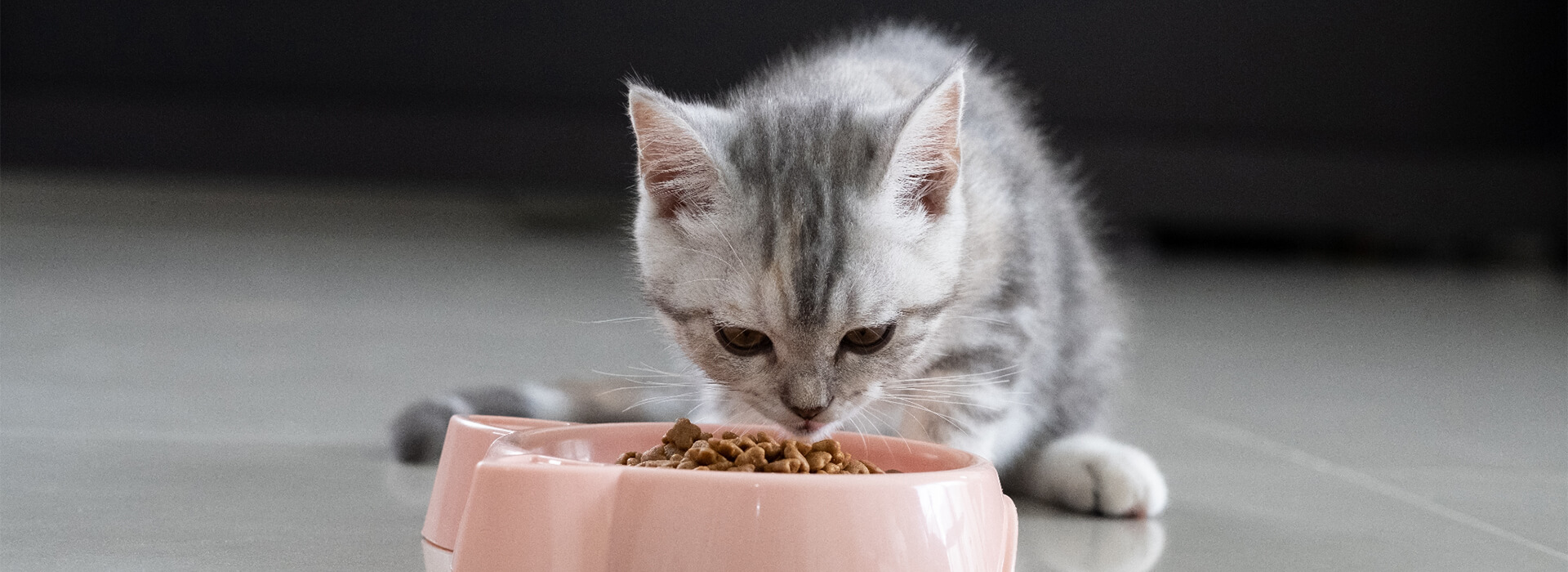
You want the best for your kitten, and that includes feeding them the right food at the right time. But how do you know when your kitten is ready to switch to adult cat food?
Making this change too early or too late can affect their health and growth. You’ll discover clear signs to watch for and simple tips to make the transition smooth. Keep reading to ensure your furry friend gets the nutrition they need to thrive.
Kitten Growth Stages
Kittens grow fast and change a lot in a short time. Understanding their growth stages helps decide the right time to switch their food. Each stage has unique needs that affect their diet and care. Knowing these stages supports healthy development and a smooth transition to adult cat food.
Newborn To Weaning
Newborn kittens rely fully on their mother’s milk. It gives them all needed nutrients and antibodies. During the first four weeks, kittens mainly sleep and nurse. Their eyes open around day 10, and they start to move more by week three. Weaning begins at about four weeks, when they start tasting soft food.
Transition To Solid Food
At four to eight weeks, kittens try solid food alongside milk. Offer soft, easy-to-digest meals made for kittens. This stage is gradual. They still need milk but begin eating more solid food daily. By eight weeks, most kittens eat solid food regularly and nurse less. This phase builds their chewing skills and digestive strength.
Key Growth Milestones
- Week 1-2: Eyes open, limited movement
- Week 3-4: Crawling, teeth start to appear
- Week 4-6: Start weaning, explore solid food
- Week 6-8: Increase solid food intake, less nursing
- Week 8-12: Fully eating solid food, rapid growth
These milestones show when kittens can handle adult cat food slowly. Usually, kittens are ready to switch at around 12 months. Until then, kitten food supports their fast growth and energy needs.
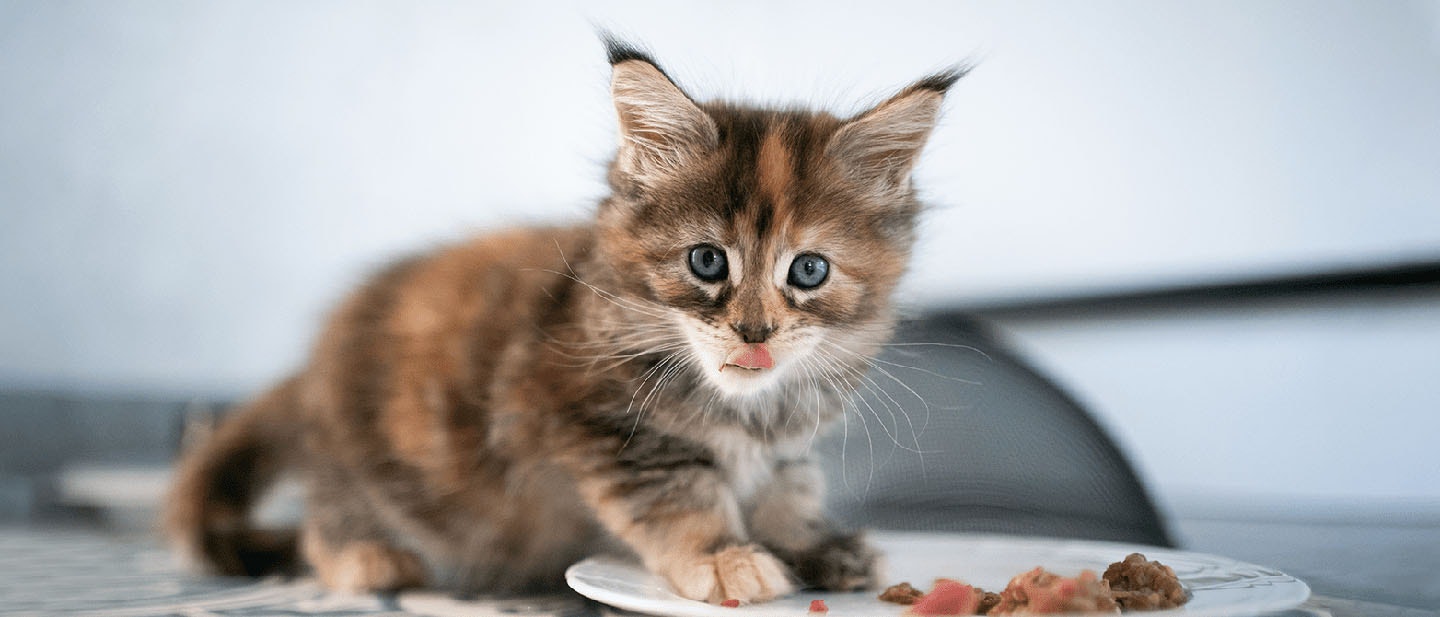
Credit: www.whiskas.com.ph
Nutritional Needs Of Kittens
Kittens grow fast, and their food must keep up with their changing needs. Their nutritional requirements are different from adult cats because they’re building bones, muscles, and immune systems. Understanding what your kitten needs helps you decide the right time to switch to adult cat food.
Essential Nutrients For Growth
Kittens need more protein than adult cats to support rapid muscle development. Proteins provide the building blocks called amino acids, crucial for healthy tissues.
Fat is another vital nutrient, offering energy and aiding brain development. Vitamins like A, D, and E help strengthen eyesight, bones, and the immune system.
Don’t forget minerals like calcium and phosphorus—they ensure your kitten’s skeleton grows strong and healthy. Missing out on these can lead to lasting health problems.
Differences Between Kitten And Adult Food
Kitten food contains higher levels of protein and fat compared to adult cat food. This extra nutrition is designed to fuel their growth spurts and keep their energy up.
Adult cat food, on the other hand, focuses on maintaining health and preventing obesity. It has fewer calories and lower protein to match their slower metabolism.
Have you noticed how your kitten’s appetite changes as they grow? That’s a clue that their diet should change, too.
Importance Of Balanced Diet
A balanced diet ensures your kitten gets all essential nutrients in the right amounts. Too much or too little of any nutrient can cause health issues.
For example, excess calcium can harm developing bones, while too little protein can slow growth. Feeding a well-balanced commercial kitten food usually covers these needs perfectly.
Think about your kitten’s energy and coat quality—these are good signs of whether their diet is working. Are you paying attention to these details?
Signs Your Kitten Is Ready
Knowing when your kitten is ready to switch to adult cat food can feel tricky. Watching for clear signs helps ensure you make the change at the right time. These signs range from how your kitten behaves to physical and digestive clues that show they are growing up.
Behavioral Changes
Your kitten’s behavior often hints at their readiness for adult food. If they start showing less interest in kitten food or seem to want more solid meals, it’s a sign they might be ready to transition.
Notice if your kitten begins to eat less frequently but consumes larger portions. This shift means their energy needs are changing as they grow.
Are they exploring new textures or showing curiosity about your meals? This curiosity suggests they’re open to trying adult food varieties.
Physical Development Indicators
Physical growth is a clear marker. When your kitten reaches about 80% of their expected adult size, it’s a good time to consider adult food.
Look for changes in their teeth too. Permanent teeth replacing baby teeth means their mouth can handle the tougher texture of adult kibble.
Strong, coordinated movements and increased muscle tone also point to maturity. These developments show they’re ready for more nutrient-dense food.
Digestive Readiness
Digestive health is key to a smooth food transition. If your kitten’s stools are firm and regular, their digestive system is likely ready for adult food.
Watch for any signs of upset like diarrhea or constipation when introducing new food. Mild reactions are normal, but persistent issues mean you should slow down the transition.
Have you noticed your kitten handling small amounts of adult food without problems? This tolerance is a strong indicator that their gut is adjusting well.
Credit: www.petmd.com
Switching To Adult Cat Food
Switching your kitten to adult cat food is a key milestone in their growth. This change supports their evolving nutritional needs as they move past the kitten stage. Making the switch smoothly helps prevent digestive issues and keeps your cat healthy.
Choosing The Right Adult Food
Not all adult cat foods are created equal. Look for a formula that matches your cat’s lifestyle—active cats may need higher protein, while less active ones require balanced calories to avoid weight gain.
Consider your cat’s preferences too. Some cats prefer wet food, others dry. You might even find a mix that keeps them interested and hydrated.
Check the label for essential nutrients like taurine, omega-3 fatty acids, and antioxidants. These support heart health, coat condition, and overall wellness.
Gradual Transition Process
A sudden switch can upset your cat’s stomach. Start by mixing 25% adult food with 75% kitten food for three days.
Then, shift to a 50/50 mix for another three days. This slow change helps your cat’s digestive system adjust without stress.
Watch how your cat reacts. If you notice vomiting or diarrhea, slow down the transition or consult your vet.
Monitoring For Reactions
After the switch, keep an eye on your cat’s behavior and stool quality. Are they eating well? Any signs of discomfort or allergies?
Changes in energy levels or coat condition can also signal if the food suits them. Don’t hesitate to try another brand if problems persist.
Remember, your cat’s needs can change with age. Regular check-ups and food reassessments keep them thriving.
Common Mistakes To Avoid
Transitioning a kitten to adult cat food can be tricky. Mistakes can lead to health issues and growth problems. Knowing what to avoid helps ensure a smooth transition.
Switching Too Early Or Late
Timing is crucial for your kitten’s diet change. Switching too early might deprive them of essential nutrients. Kittens need specific nutrients for growth. Delaying the switch can also be problematic. Adult cats need different nutrients for maintenance. Transitioning at the right time supports their health and development.
Ignoring Dietary Requirements
Each cat has unique dietary needs. Ignoring these can cause health problems. Some kittens may need special diets. Consider factors like age, breed, and health condition. Consult a vet to understand specific needs. This ensures they get proper nutrition.
Overfeeding Or Underfeeding
Feeding the right amount is vital for health. Overfeeding can cause obesity. Underfeeding might result in malnutrition. Follow the feeding guidelines on the food package. Adjust portions based on your kitten’s activity level. Regular weight checks help maintain a healthy balance.

Credit: www.aldog.com
Special Considerations
Understanding the special considerations when transitioning your kitten to adult cat food can make a big difference in their health and happiness. Each kitten is unique, and factors like breed, size, and health conditions can change the timeline and type of food they need. Paying attention to these details ensures your cat gets the right nutrition at the right time.
Breed And Size Variations
Different breeds grow at different rates. For example, larger breeds like Maine Coons take longer to reach full maturity, sometimes up to 3-4 years, while smaller breeds may be ready for adult food around one year old.
Consider your kitten’s expected adult size when choosing their diet. A small breed’s nutritional needs differ significantly from a large breed’s, especially in calorie intake and nutrient balance.
Have you noticed how your kitten’s energy levels and growth compare to others of the same breed? This can hint at whether they’re ready for adult food.
Health Conditions Affecting Diet
Some kittens face health challenges that affect their diet. For example, a kitten with digestive issues may require specialized food even after switching to adult formulas.
Conditions like kidney problems or allergies can also dictate a different nutritional approach. You might need to select food tailored to manage these issues rather than a standard adult cat formula.
Watching for changes in appetite, weight, or behavior can provide clues about whether their current diet suits their health needs.
Consulting Your Veterinarian
Your veterinarian is the best resource when deciding the right time and type of food for your kitten. They can assess your kitten’s growth, breed-specific needs, and any health concerns to guide you effectively.
Don’t hesitate to ask questions about food brands, nutrient content, and how to transition smoothly. A vet’s advice can prevent nutritional gaps or digestive upset during the switch.
Have you scheduled a growth check with your vet recently? It’s a perfect opportunity to discuss your kitten’s diet and readiness for adult food.
Frequently Asked Questions
When Should I Switch My Kitten To Adult Cat Food?
Kittens are usually ready for adult cat food between 9 to 12 months. This is when their growth slows, and nutritional needs change. Gradually transition to adult food over 7–10 days to avoid digestive issues.
What Signs Indicate My Kitten Needs Adult Food?
If your kitten’s growth rate slows and energy levels stabilize, it’s time to switch. Also, adult cat food suits their dental development and changing metabolism better after 9 months.
Can I Feed Adult Cat Food To A Young Kitten?
No, young kittens need food with higher protein and fat content. Adult cat food lacks these essential nutrients and can hinder their growth and development.
How To Transition Kitten Food To Adult Cat Food?
Mix increasing amounts of adult food with kitten food over 7–10 days. This helps your kitten adjust taste and digestion without stomach upset.
Conclusion
Kittens grow fast and need the right food at each stage. Around four to six months, they start to need adult cat food. Watch for signs like teeth changes and less milk interest. Switching slowly helps their stomach adjust well.
Good nutrition supports strong bones and a healthy coat. Remember, every kitten is different, so stay patient and observe. Feeding the right food keeps your cat happy and healthy for life. Simple steps make feeding easier for you and your kitten.


Leave a Reply