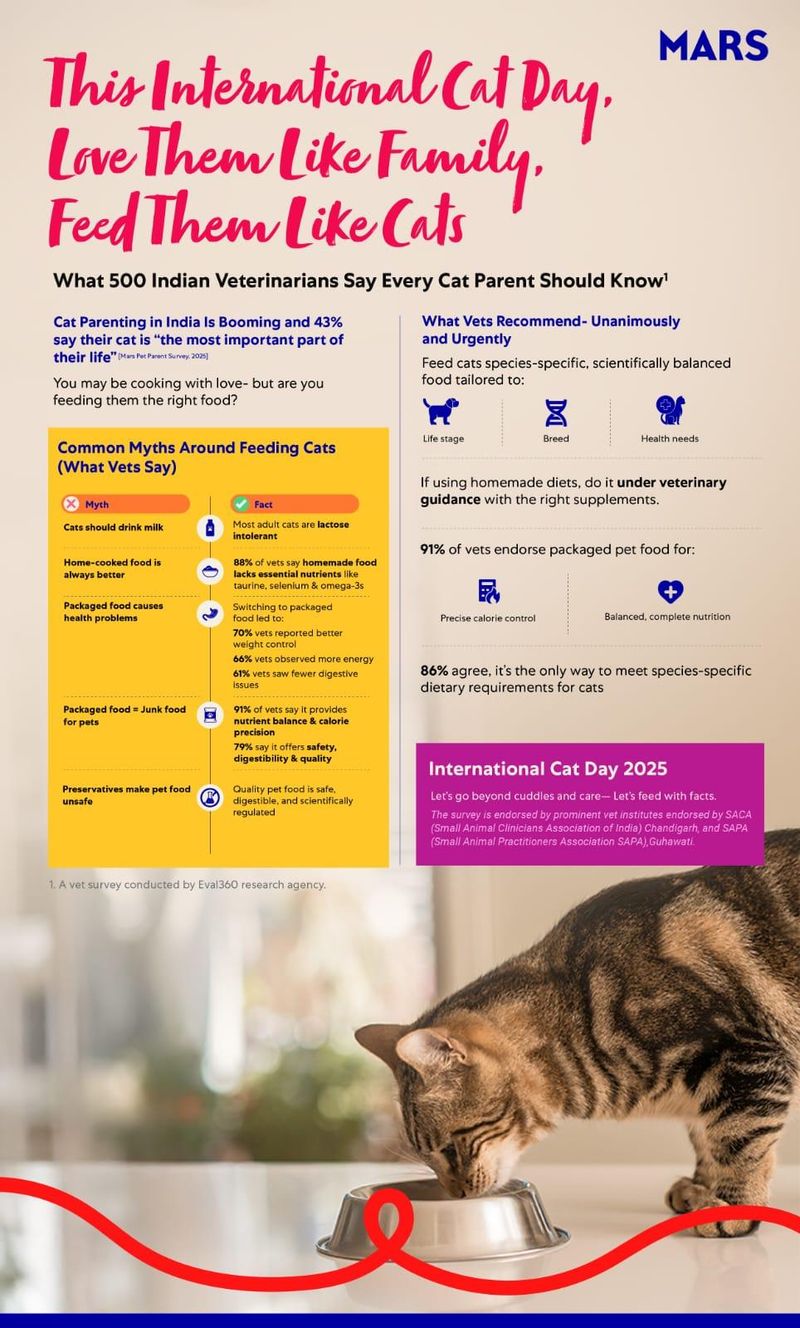
You love your cat and want the best for their health. But have you ever stopped to think about how their diet affects their heart?
Just like people, cats need the right nutrition to keep their hearts strong and healthy. What you feed your furry friend can make a big difference in preventing heart problems down the road. If you want to keep your cat happy and full of life, understanding why diet and heart health matter is key.
Keep reading to discover simple changes you can make that will protect your cat’s heart and improve their overall well-being.
Link Between Diet And Heart Health
The link between diet and heart health in cats is clear and important. What cats eat directly affects how well their heart works. A balanced diet supports strong heart muscles and helps prevent heart disease.
Poor nutrition can weaken the heart and cause serious health problems. Choosing the right foods keeps a cat’s heart healthy and active. Understanding this connection helps cat owners make better diet choices.
How Nutrition Impacts Cardiac Function
Nutrition supplies the heart with energy and essential materials. Proteins build and repair heart tissue. Fats provide fuel for the heart to pump blood effectively.
Vitamins and minerals keep the heart’s electrical system stable. Lack of key nutrients can cause irregular heartbeats or heart failure. Proper nutrition helps maintain steady heart rhythms and strength.
Common Heart Issues In Cats
- Hypertrophic Cardiomyopathy (HCM) – thickening of heart muscles.
- Congestive Heart Failure – heart struggles to pump blood.
- Arrhythmias – abnormal heartbeats affecting blood flow.
Many of these problems worsen without proper diet. Early detection and diet management can improve a cat’s quality of life.
Role Of Nutrients In Heart Wellness
| Nutrient | Benefit | Food Sources |
|---|---|---|
| Taurine | Supports heart muscle function | Meat, fish, poultry |
| Omega-3 Fatty Acids | Reduces inflammation and improves heart health | Fish oil, flaxseed |
| Magnesium | Regulates heartbeat and muscle function | Leafy greens, fish |
| Vitamin E | Protects heart cells from damage | Nuts, seeds, vegetable oils |
Including these nutrients in your cat’s diet promotes heart wellness and prevents disease.

Credit: justcatsclinic.com
Key Nutrients For Cat Heart Health
Proper nutrition plays a big role in keeping your cat’s heart strong. Certain nutrients support heart function and help prevent disease. Knowing these key nutrients helps you choose the best diet for your cat’s heart health.
Importance Of Taurine
Taurine is an essential amino acid for cats. Their bodies cannot make enough taurine on their own. Low taurine levels can cause serious heart problems, like dilated cardiomyopathy. Taurine helps keep heart muscles healthy and supports normal heart rhythm. Cats need taurine-rich foods such as meat, especially heart and muscle tissue.
Benefits Of Omega-3 Fatty Acids
Omega-3 fatty acids improve heart health by reducing inflammation. They help lower blood pressure and prevent blood clots. These fats support healthy cholesterol levels and protect heart cells. Fish oils are a good source of omega-3s and can be added to your cat’s diet carefully. Ensure the right balance to avoid digestive upset.
Vitamins And Minerals To Watch
Vitamins and minerals also affect heart health. Vitamin E acts as an antioxidant, protecting heart cells from damage. B vitamins support energy production in heart muscles. Minerals like magnesium and potassium help regulate heartbeats and muscle function. A balanced diet with these nutrients keeps the heart working well.
Choosing The Right Cat Food
Choosing the right cat food plays a crucial role in maintaining your feline’s heart health. The food you pick directly affects your cat’s energy, weight, and even their risk for heart disease. Understanding what to look for can help you make better choices that support your cat’s well-being long-term.
Wet Vs Dry Food For Heart Health
Wet food contains more moisture, which helps keep your cat hydrated. Proper hydration supports healthy blood flow and reduces strain on the heart. On the other hand, dry food is convenient and can promote dental health, but it may not provide enough moisture for cats prone to heart or kidney issues.
Many cat owners find a combination of both works well. Have you noticed how your cat responds to wet food versus dry? Their preferences and health needs might guide your decision more than brand claims.
Reading Pet Food Labels
Labels can be confusing, but knowing what to look for empowers you. Focus on ingredients like high-quality protein sources (chicken, fish), essential fatty acids, and vitamins like taurine, which supports heart function. Avoid vague terms like “meat by-products” or “animal digest,” which don’t specify the quality of protein.
Check for guaranteed analysis percentages too. A diet rich in protein but moderate in fats and low in carbohydrates often benefits heart health. Are you taking time to compare labels or just choosing based on price or packaging?
Avoiding Harmful Ingredients
Some ingredients can harm your cat’s heart and overall health. Artificial preservatives such as BHA and BHT, excessive fillers like corn and wheat, and too many additives can cause inflammation or allergic reactions. These stress the body and potentially affect heart function.
Choosing foods without these additives is easier now with many brands offering natural or limited-ingredient formulas. What harmful ingredients have you spotted in your cat’s current food? Making the switch could lead to noticeable improvements in their vitality and heart health.
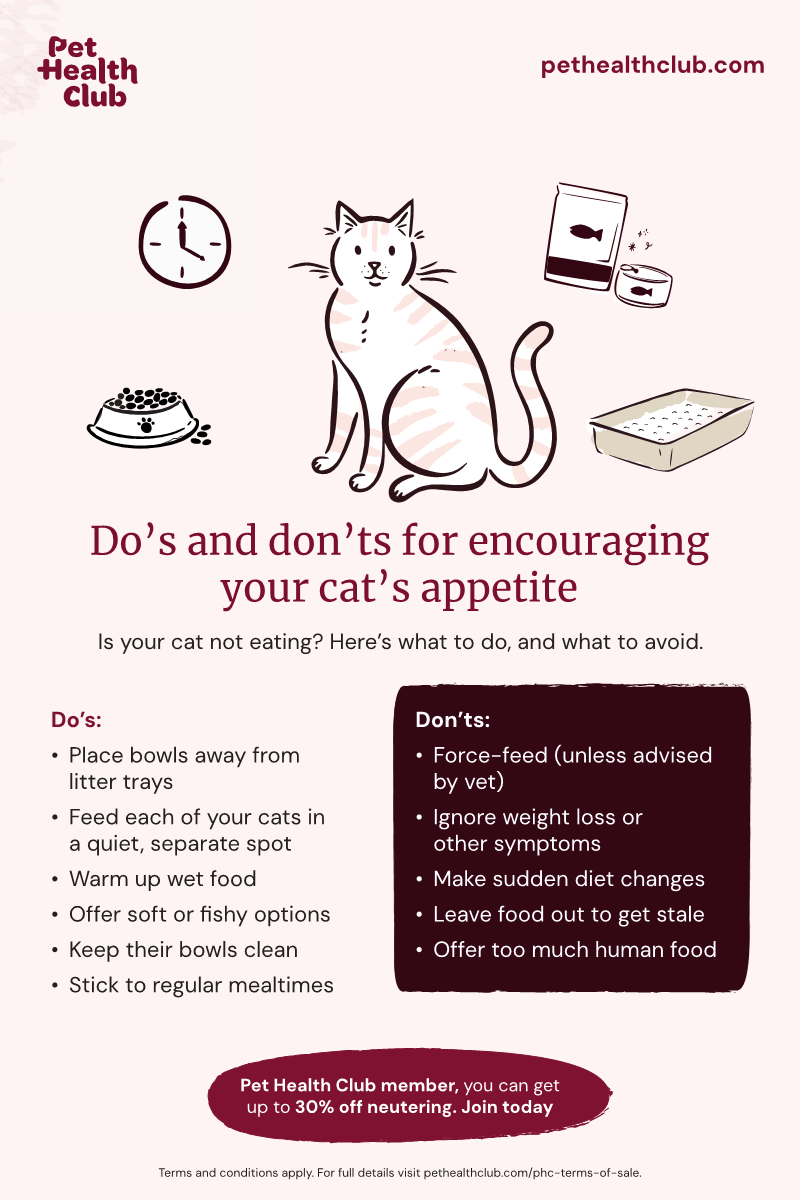
Credit: www.pethealthclub.com
Feeding Habits That Support Wellness
Feeding habits play a big role in keeping your cat’s heart healthy. Balanced meals help provide the right nutrients without overloading the heart. Good feeding habits reduce stress on the cardiovascular system. They also support overall wellness and energy levels.
Small changes in meal frequency, hydration, and weight management can make a difference. These habits help prevent heart problems and keep your cat active and happy.
Meal Frequency And Portion Control
Feeding smaller meals more often helps maintain steady energy. It avoids sudden spikes in blood sugar and fat levels. Portion control stops overeating, which strains the heart.
Set regular feeding times. Measure food portions carefully to match your cat’s age and activity. Avoid free-feeding to prevent weight gain.
Hydration’s Role In Heart Health
Water supports blood flow and helps the heart work well. Dehydration thickens blood and makes the heart pump harder.
Provide fresh water daily. Wet food can increase water intake. Encourage drinking by placing water bowls in quiet, easy spots.
Managing Weight To Prevent Heart Strain
Extra weight forces the heart to work harder. It raises the risk of heart disease and other health problems.
Monitor your cat’s weight regularly. Adjust food amounts and activity to keep a healthy body condition. Consult your vet for safe weight loss plans.
Lifestyle Factors Affecting Heart Health
Lifestyle choices play a big role in a cat’s heart health. Small daily habits can either protect or harm their heart. Diet is important, but other factors matter too. Understanding these helps keep cats happy and healthy.
Exercise And Physical Activity
Regular exercise keeps a cat’s heart strong. Playtime with toys or short walks help maintain a healthy weight. Active cats have better blood flow and less risk of heart problems. Encourage daily movement with fun activities.
Stress Reduction Techniques
Stress can harm a cat’s heart over time. Calm environments lower heart strain. Soft music, gentle petting, and quiet spaces help cats relax. Avoid loud noises and sudden changes. A peaceful home supports heart health.
Regular Vet Checkups For Early Detection
Frequent vet visits catch heart issues early. Vets check heart rate and listen for abnormal sounds. Early detection allows timely treatment. Keep up with scheduled checkups to protect your cat’s heart.
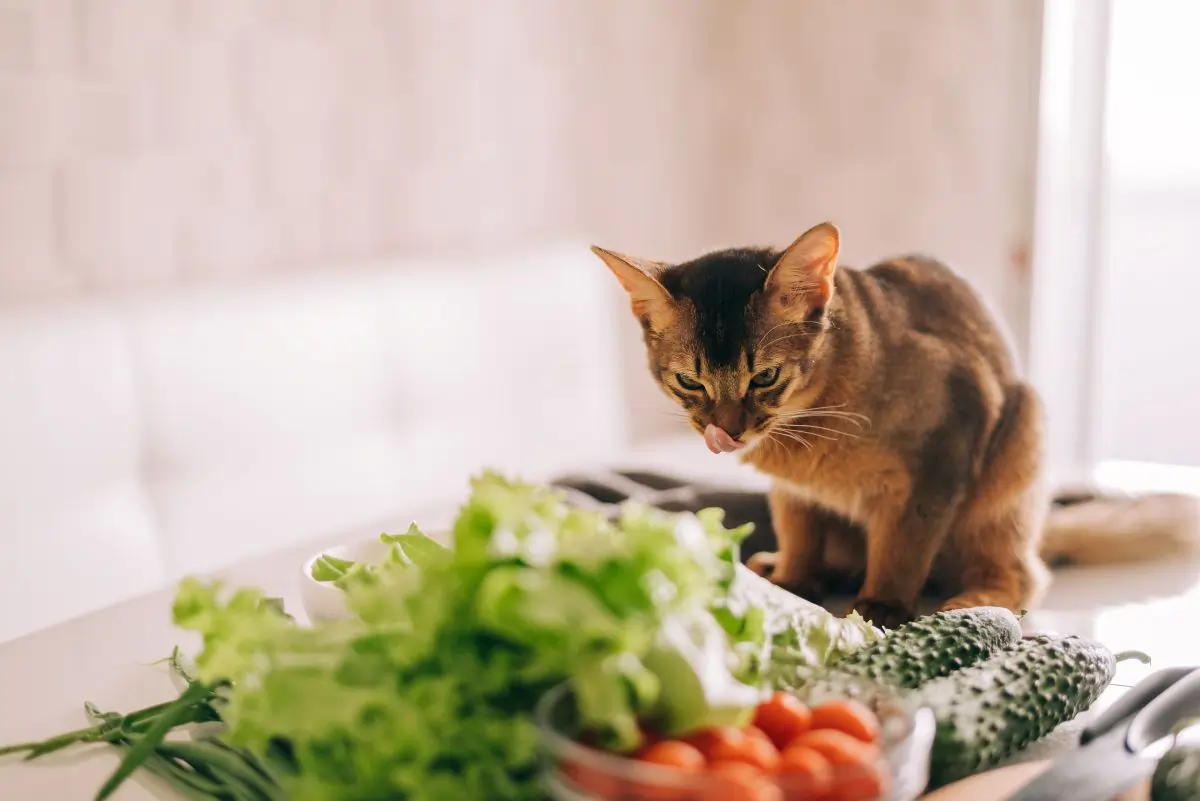
Credit: www.bellaandduke.com
Supplements And Treatments
Proper diet supports a cat’s heart health by providing essential nutrients. Supplements and treatments help manage heart conditions and improve quality of life. Feeding the right food can prevent heart problems and keep cats active and happy.
Cats are more than just pets; they’re family. Ensuring their heart health is as vital as maintaining their playful spirit. Just as we prioritize our diets and health supplements, cats too can benefit from thoughtful nutrition and treatments. Supplements and treatments can play a significant role in supporting their heart health, especially when tailored to their specific needs. But how do you know what’s right for your feline friend?When To Consider Supplements
Determining the right time to introduce supplements into your cat’s diet can be tricky. If your cat seems less energetic or has been diagnosed with a heart condition, it might be time to consider supplements. Consult with your vet to ensure any supplement aligns with your cat’s specific health needs.Natural Remedies Supporting The Heart
Natural remedies can be a gentle way to support your cat’s heart health. Ingredients like taurine, fish oil, and CoQ10 are known to benefit heart function. These can often be found in foods or as separate supplements. Always ensure they are of high quality and specifically formulated for cats.Medications And Veterinary Care
Sometimes, supplements aren’t enough, and professional care is necessary. Your vet might prescribe medication if your cat has a heart condition that requires more than dietary adjustments. Regular check-ups can help monitor their heart health and adjust treatments as necessary. Trust in your vet’s expertise and maintain open communication about your pet’s symptoms and behaviors. In the end, it’s about keeping our furry friends happy and healthy. Have you considered what might be missing from your cat’s diet or treatment plan?Frequently Asked Questions
How Does Diet Impact A Cat’s Heart Health?
A balanced diet supports heart function by providing essential nutrients. Proper nutrition prevents obesity, reduces heart disease risk, and improves overall vitality in cats.
What Foods Are Best For A Cat’s Heart Health?
Foods rich in taurine, omega-3 fatty acids, and antioxidants promote heart health. High-quality protein and low sodium levels also benefit your cat’s cardiovascular system.
Can Poor Diet Cause Heart Problems In Cats?
Yes, a poor diet lacking key nutrients can lead to heart diseases like cardiomyopathy. Obesity and nutrient deficiencies increase the risk of heart-related issues.
How Often Should I Review My Cat’s Diet For Heart Health?
Regularly review your cat’s diet every 6 to 12 months with a vet. This helps adjust nutrition based on age, weight, and heart health status.
Conclusion
A healthy diet helps keep your cat’s heart strong. Good food supports energy and overall health. Poor nutrition can cause heart problems early. Feeding the right nutrients makes a big difference. Simple changes in diet protect your cat’s life. Watch what your cat eats every day.
Small steps lead to long, happy years together. Caring for your cat means caring for its heart. Start with good food choices and stay consistent. Your cat will thank you with a healthy, active life.


Leave a Reply