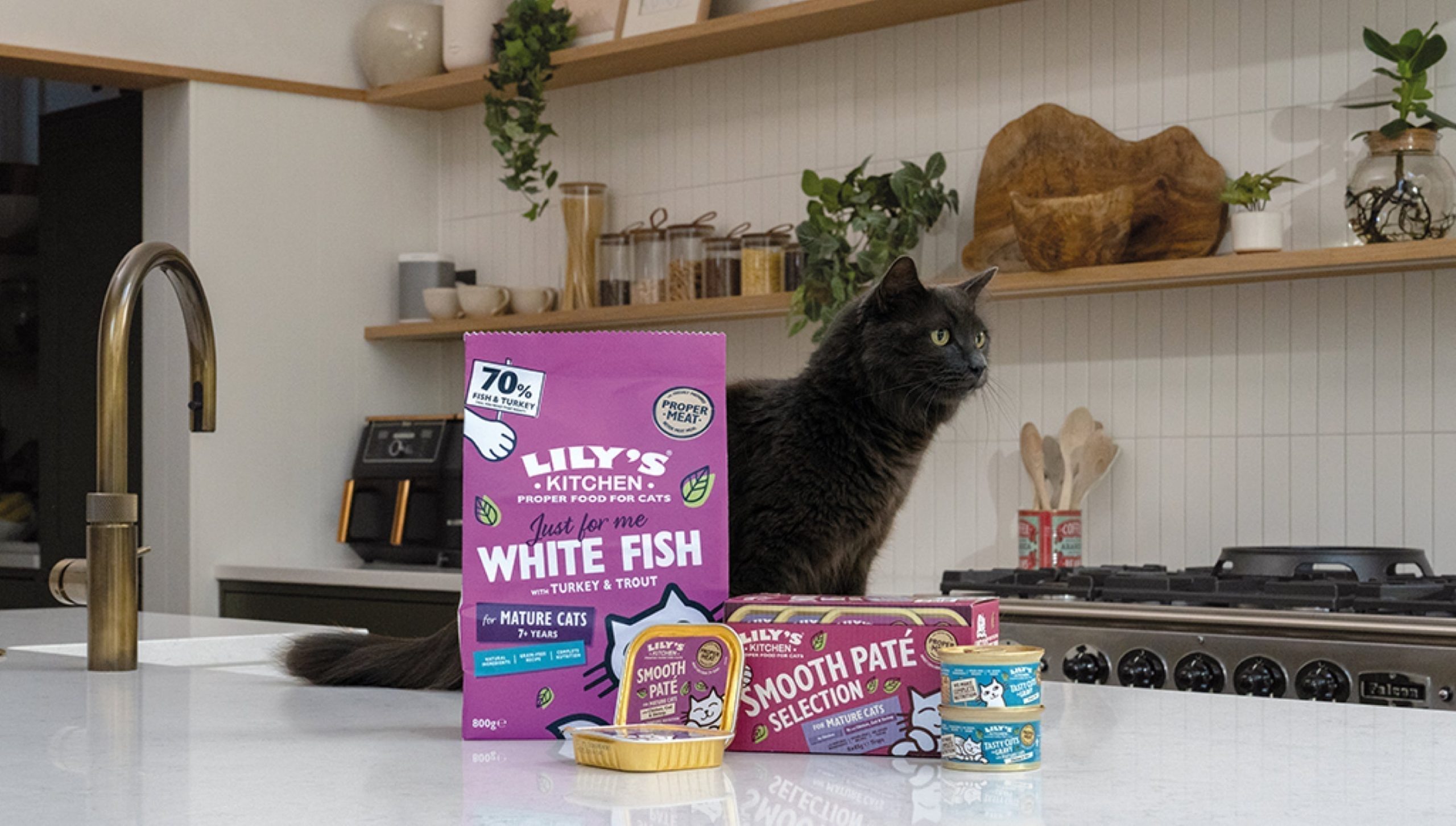
Are you wondering if it’s okay to feed your adult cat senior food? You want the best for your furry friend, but switching diets can feel confusing.
Choosing the right food impacts your cat’s health, energy, and happiness every day. You’ll discover what senior cat food really means, whether it suits your adult cat, and how to make the best choice for their well-being. Keep reading to make sure your cat’s meals are just right—no guesswork needed.

Credit: www.businessinsider.com
Differences Between Adult And Senior Cat Food
Understanding the differences between adult and senior cat food is crucial for keeping your feline friend healthy as they age. Cats’ bodies change over time, which means their dietary needs do too. Feeding your adult cat senior food might seem harmless, but there are key distinctions you should know before making that switch.
Nutritional Needs At Different Life Stages
Adult cats require balanced nutrition that supports their active lifestyle and muscle maintenance. Their diet typically focuses on moderate protein and fat levels to sustain energy.
Senior cats, however, often need diets that support joint health, kidney function, and easier digestion. They may benefit from added supplements like glucosamine and omega fatty acids to keep them comfortable and mobile.
Have you noticed changes in your cat’s activity or appetite? This could indicate it’s time to adjust their food to meet these new needs.
Common Ingredients In Senior Formulas
Senior cat foods usually contain higher amounts of antioxidants to help support the immune system. Ingredients such as vitamin E and C are common in these formulas.
You’ll also find added fiber to aid digestion and help prevent constipation, which is more common in older cats. Many senior foods include joint-supporting ingredients like chondroitin and glucosamine.
Are you reading ingredient labels closely to spot these beneficial additions for your aging cat?
Calorie And Protein Variations
Senior cats often have lower energy levels and less muscle mass than adults, so their calorie needs usually drop. Senior foods tend to have fewer calories to prevent unwanted weight gain.
Protein levels in senior diets might be adjusted to ease kidney strain, but they still need enough high-quality protein to maintain muscle. Too little protein can lead to muscle wasting, so balance is key.
Have you checked if your cat’s current food matches their changing calorie and protein requirements?
When To Switch To Senior Cat Food
Knowing when to switch to senior cat food helps keep your cat healthy. Cats’ nutritional needs change as they grow older. Senior cat food supports aging bodies with the right nutrients. Watch for signs that show your cat is entering senior years. Consult your veterinarian for advice on the best time to change food.
Signs Your Cat Is Aging
- Less active and sleeps more
- Weight changes, either gain or loss
- Thinner coat or dull fur
- Changes in eating habits
- Stiffness or trouble jumping
These signs suggest your cat is moving into an older stage. The body needs different nutrition to stay strong and healthy.
Veterinarian Recommendations
Veterinarians know the best diet for each cat’s age. They check overall health and suggest diet changes. Some cats have special needs that senior food can meet. Regular vet visits help catch health issues early.
Timing The Transition
Start switching food around your cat’s seventh or tenth birthday. Do this gradually over 7 to 10 days. Mix small amounts of senior food with current food. Slowly increase senior food while reducing the old food. Watch your cat’s reaction to new food carefully. A slow change helps avoid stomach upset.
Potential Risks Of Feeding Senior Food To Adult Cats
Feeding senior cat food to an adult cat may cause some health problems. Senior formulas have different nutrients that suit older cats’ needs. Using them for younger cats can lead to risks that affect their well-being.
Nutrient Imbalance Concerns
Senior cat food often has less protein and fat. Adult cats need higher levels of these nutrients for growth and muscle maintenance. Feeding senior food might cause a nutrient shortage. This can weaken their immune system and overall health.
Weight Management Issues
Senior cat food usually contains fewer calories. Adult cats require more energy to stay active. Low-calorie food can lead to weight loss or low energy reserves. This may make them less playful and affect their daily activities.
Impact On Energy Levels
Energy needs differ between adult and senior cats. Senior food is designed for slower metabolism. Adult cats eating senior food may feel tired or sluggish. Lack of proper energy can reduce their motivation to play or exercise.
Benefits Of Senior Food For Adult Cats
Feeding adult cats senior food can support their joint health and improve digestion. This diet often contains fewer calories to prevent weight gain. Nutrients in senior food help maintain energy and overall well-being.
Feeding your adult cat senior food might sound unconventional, but it can offer some surprising benefits. Senior cat food is formulated to address specific health needs that can also benefit adult cats. Understanding these benefits can help you make an informed decision about your feline’s diet.Preventive Health Support
Senior cat food often contains antioxidants and vitamins that support your cat’s immune system. This can be beneficial for adult cats, helping prevent illnesses before they start. Imagine reducing unexpected vet visits simply by adjusting your cat’s diet.Joint And Kidney Health
As cats age, joint and kidney issues can become more prevalent. Senior cat foods are designed to support these critical areas with added nutrients and supplements. Even if your adult cat isn’t showing signs of joint pain or kidney issues yet, these foods can provide a proactive approach to maintaining their health.Digestibility And Palatability
Many senior cat foods are crafted to be more digestible and palatable, which can be a game-changer for picky eaters. If your adult cat has a sensitive stomach or is a finicky eater, senior food might be the solution. Have you noticed your cat turning up its nose at regular food? A switch to senior options could enhance their dining experience and improve their overall wellbeing. Incorporating these benefits into your cat’s diet could lead to a healthier, happier feline friend. Have you ever considered the long-term impact of your cat’s diet on their health? It’s worth pondering as you plan your pet’s meals.How To Choose The Right Food For Your Cat
Choosing the right food for your cat is crucial, especially when deciding whether to feed an adult cat senior food. Every cat has unique dietary needs based on age, health, and lifestyle. Understanding how to pick the right food helps you support your cat’s wellbeing and avoid potential health issues.
Reading Labels Effectively
Labels can be confusing, but learning to read them can make a big difference. Look for clear ingredient lists and avoid foods with vague terms like “meat by-products.”
Focus on the first few ingredients; they should be high-quality protein sources like chicken, fish, or beef. Check for the right balance of nutrients—cats need protein, fats, and certain vitamins in specific amounts.
Also, watch out for fillers like corn or wheat, which offer little nutritional value and can cause allergies or digestive problems.
Considering Your Cat’s Health Conditions
Your cat’s health influences which food suits them best. If your cat has kidney issues, a low-protein diet might be necessary. For overweight cats, choose foods lower in calories but rich in nutrients to maintain muscle mass.
Senior food formulas often include added supplements like glucosamine for joint health or antioxidants for immune support. But feeding senior food to a healthy adult cat might not provide benefits and could lead to nutritional imbalances.
Ask yourself: Is your cat showing signs of aging or health problems that require special nutrition? If not, adult cat food might be the better choice.
Consulting With A Veterinarian
Your vet is the best resource for personalized advice. They can recommend foods based on your cat’s medical history and current condition.
Discuss any changes you want to make in your cat’s diet, especially switching to senior food. Vets can guide you on the right timing and portion sizes to prevent digestive upset or nutrient deficiencies.
They might also suggest tests to understand your cat’s nutritional needs better. Have you talked to your vet about what’s best for your cat lately? It can make all the difference.
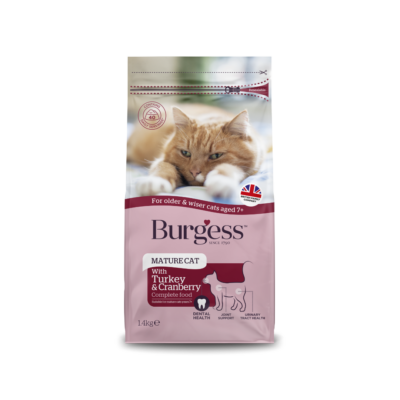
Credit: www.burgesspetcare.com
Transitioning Your Cat’s Diet Safely
Changing your cat’s diet to senior food needs care and patience. Cats can be sensitive to new foods. A sudden switch may cause stomach upset or refusal to eat. A careful transition helps your cat adjust smoothly. It keeps their digestion calm and ensures they get the right nutrients.
Step-by-step Food Introduction
Start by mixing a small amount of senior food with your cat’s current food. Gradually increase the senior food portion over 7 to 10 days. Offer fresh food twice a day to encourage eating. Watch if your cat shows interest or avoids the new food. Keep water available at all times to aid digestion.
Monitoring For Adverse Reactions
Observe your cat for any signs of trouble during the diet change. Look for vomiting, diarrhea, or changes in appetite. Check if your cat seems less energetic or shows discomfort. If any symptoms appear, slow down the transition or pause it. Contact your vet if issues persist or worsen.
Adjusting Portions Gradually
Adjust food portions based on your cat’s weight and activity level. Avoid feeding too much senior food at once. Use a measuring cup to keep portions consistent. Reduce old food slowly while increasing senior food daily. This gradual change helps your cat’s body adapt without stress.
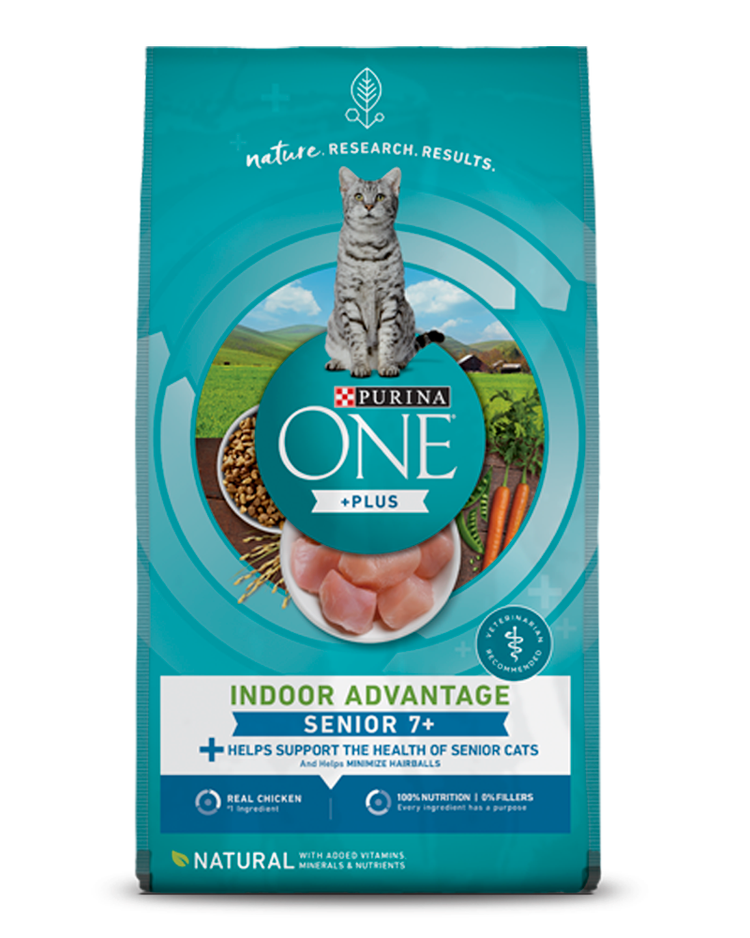
Credit: www.purina.com
Frequently Asked Questions
Can Adult Cats Eat Senior Cat Food Safely?
Yes, adult cats can eat senior cat food safely. However, senior formulas are designed for older cats’ specific needs. Feeding adult cats senior food occasionally is fine, but long-term use may cause nutritional imbalance. Always consult your vet before making diet changes for your cat.
What Are The Risks Of Feeding Adult Cats Senior Food?
Feeding adult cats senior food may lead to nutrient deficiencies or excesses. Senior food often has lower calories and different vitamin levels. This mismatch can affect your adult cat’s health and energy. Monitor your cat’s condition and consult a vet if you notice changes after switching foods.
When Should I Switch My Cat To Senior Food?
Switch your cat to senior food when they reach about 7-10 years old. Signs include reduced activity, joint stiffness, or weight changes. Senior formulas support aging cats with tailored nutrition. Always discuss with your veterinarian to determine the best time for this change.
Does Senior Cat Food Help Adult Cats With Health Issues?
Senior cat food may help adult cats with specific health issues like arthritis or kidney problems. These formulas often contain joint-supporting nutrients and controlled protein. However, adult cats without these conditions usually do not need senior food. Always seek vet advice for health-related diet changes.
Conclusion
Feeding an adult cat senior food is not always best. Cats have different needs at each life stage. Senior food has nutrients for older cats, which may not suit younger adults. Watch your cat’s health and energy closely. Consult a vet before changing their diet.
Choose food that fits your cat’s age and health. Keep your furry friend happy and healthy with the right nutrition. Simple changes can make a big difference in their life. Your cat will thank you for careful feeding.

Leave a Reply