Are you wondering when it’s the right time to switch your kitten from baby food to adult cat food? Making this change at the perfect moment is important for your kitten’s health and growth.
If you switch too early or too late, it could affect their energy, digestion, and overall well-being. You’ll discover clear signs to look for and easy tips to help your furry friend make a smooth transition. Keep reading to make sure your kitten gets the best start in life!

Credit: www.purina.com
Kitten Nutritional Needs
Kittens need special nutrition to grow strong and healthy. Their bodies develop quickly, and they need food that supports this rapid growth. Feeding the right diet helps kittens build bones, muscles, and a strong immune system. Adult cat food does not meet these high nutritional needs.
Understanding a kitten’s nutritional needs ensures proper feeding choices. This helps prevent health problems and supports their development. Knowing the right time to switch foods depends on understanding growth stages and essential nutrients.
Growth Stages And Diet
Kittens go through different growth stages, each with specific dietary needs. From birth to 8 weeks, they rely on mother’s milk or kitten formula. After 4 weeks, they start eating soft, wet kitten food.
Between 8 weeks and 6 months, kittens grow very fast. They need high-calorie, protein-rich food to support this growth. From 6 months to 1 year, their growth slows but they still need nutrient-rich food.
Adult cat food is too low in calories and nutrients for kittens. Feeding adult food too early can cause malnutrition or slow growth.
Key Nutrients For Kittens
- Protein:Supports muscle and tissue growth.
- Fat:Provides energy for active kittens.
- Calcium and Phosphorus:Build strong bones and teeth.
- Taurine:An essential amino acid for heart and eye health.
- Vitamins and Minerals:Support immune function and overall health.
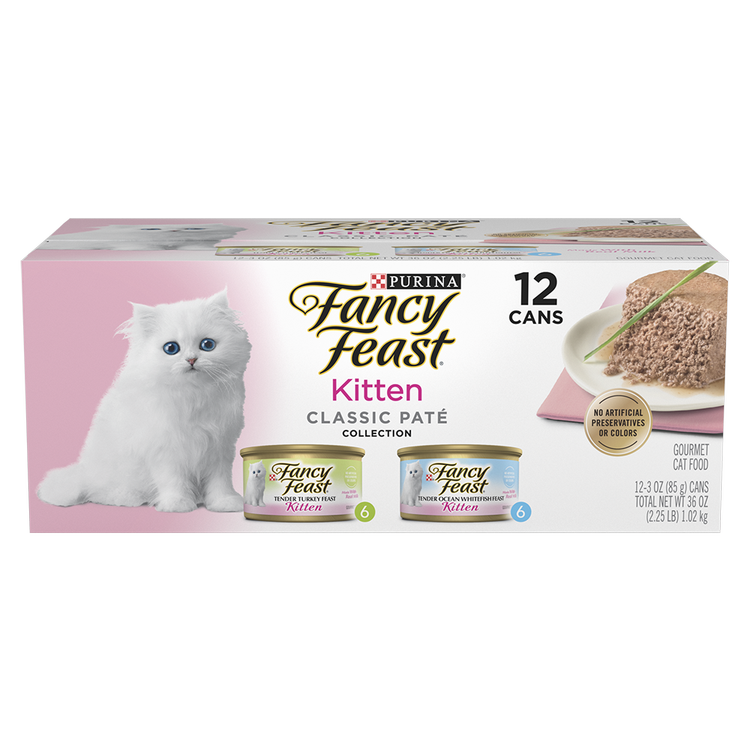
Kittens need food specially made to include these nutrients in the right amounts. Commercial kitten food is balanced to support all these needs.
Credit: www.purina.com
Differences Between Kitten And Adult Cat Food
Understanding the differences between kitten and adult cat food helps you make better feeding choices. Kitten food is specially designed to support rapid growth and high energy needs. Adult cat food focuses more on maintenance and preventing health issues as your cat matures.
Protein And Calorie Content
Kitten food contains higher protein levels to support muscle development and organ growth. It also has more calories to fuel their active and curious lifestyle. Adult cat food has lower calories since grown cats are less active and need to avoid weight gain.
Imagine your kitten zooming around the house all day. Their tiny body burns a lot of energy, which is why they need that extra fuel. If you switch to adult food too early, your kitten might miss out on essential nutrients needed for strong bones and muscles.
Vitamin And Mineral Variations
Kitten food includes extra vitamins and minerals like calcium and phosphorus to build healthy bones and teeth. It often has more DHA, a nutrient important for brain and eye development. Adult cat food balances these nutrients for long-term health rather than growth.
Have you noticed your kitten’s rapid changes in size and behavior? Those growth spurts demand specific vitamins to keep everything on track. Feeding adult food too soon might slow down this crucial development phase, affecting their overall health.
Signs Your Kitten Is Ready
Knowing when to switch your kitten to adult cat food can be tricky. Watch closely for signs that your kitten is growing and changing. These clues help you decide the right time to make the transition without risking their health.
Behavioral Changes
Your kitten’s behavior gives you clear hints about their readiness for adult food. They may start showing less interest in nursing or kitten-specific meals. Instead, they begin exploring solid foods more eagerly and can chew tougher textures.
Notice if your kitten is eating more on their own and seems less dependent on you for feeding. Increased independence in eating often means their digestive system is adapting. Have you seen your kitten try to steal food from your plate? That’s a strong sign they’re curious about adult flavors and textures.
Physical Development Milestones
Physical growth plays a big role in deciding when to switch foods. By around 9 to 12 months, most kittens reach about 80-90% of their adult size. Their teeth should be fully developed, allowing them to handle harder food without discomfort.
Check your kitten’s weight and muscle tone. If they look lean but strong, with no signs of stunted growth, they’re likely ready for adult food. Have you noticed their coat becoming shinier and thicker? This indicates good nutrition, which you can maintain with the right adult diet.
Ideal Age To Switch
Switching a kitten from kitten food to adult cat food is a crucial step. It ensures they receive the right nutrients for their life stage. Timing the switch properly supports their growth and health. Understanding the ideal age for this transition can help cat owners make informed decisions.
General Age Guidelines
Kittens need a diet rich in calories and nutrients. This supports their rapid growth. Typically, kittens are ready to switch to adult food around 12 months. By this age, their growth rate slows, and their nutritional needs change. Some larger breeds may require kitten food longer, up to 18 months.
Veterinarian Recommendations
Veterinarians provide personalized advice based on your kitten’s health. They consider factors like breed, weight, and overall health. Consulting a vet ensures a smooth and healthy transition. Some kittens may need special dietary adjustments. Always follow your vet’s guidance for the best outcomes.
How To Transition Safely
Transitioning a kitten from kitten food to adult cat food requires care and patience. Sudden changes can upset their stomach and cause digestive issues. A smooth transition helps your kitten adjust to new flavors and nutrients. It ensures they continue to grow strong and healthy during this important stage.
Gradual Food Mixing
Start by mixing a small amount of adult cat food with the kitten food. Increase the adult food portion slowly over 7 to 10 days. This gradual mixing helps the kitten’s digestive system adapt. Watch your kitten’s eating habits closely during this time. Avoid giving only adult food at once to prevent upset stomach.
- Day 1-3: 75% kitten food, 25% adult food
- Day 4-6: 50% kitten food, 50% adult food
- Day 7-9: 25% kitten food, 75% adult food
- Day 10: 100% adult food
Monitoring Health During Switch
Watch your kitten’s health while changing foods. Check for vomiting, diarrhea, or loss of appetite. Keep an eye on their energy levels and weight. If any problems appear, slow down the transition. Consult a vet if symptoms last more than two days. Good health signs mean your kitten is adjusting well.
Common Mistakes To Avoid
Knowing when to switch your kitten to adult cat food is important, but avoiding common mistakes can make the transition smoother and healthier. Many pet owners rush the process or overlook key nutritional differences, which can affect your cat’s growth and wellbeing. Let’s look at some common errors you should watch out for to keep your furry friend happy and healthy.
Switching Too Early
One big mistake is moving your kitten to adult food before they’re ready. Kittens have different energy and nutrient needs than adult cats, especially for growth and development.
Switching too soon can lead to nutrient deficiencies or slow growth. For example, I once switched my kitten at 3 months, thinking it was fine, but she seemed less energetic and lost weight.
Wait until your kitten is about 12 months old or as advised by your vet before making the change. Patience here ensures your cat gets the right balance of protein, fats, and vitamins during critical growth stages.
Ignoring Nutritional Needs
Adult cat food is designed differently from kitten food, which is richer in certain nutrients like calcium and protein. Simply assuming any adult food is suitable can cause problems.
Look carefully at the label to make sure the food meets your cat’s specific needs. For example, if your kitten has a sensitive stomach or specific health concerns, not all adult foods will be appropriate.
Have you checked your cat’s food ingredients lately? Missing out on important nutrients can lead to issues like weak bones or a dull coat. Always choose food that supports your cat’s stage of life and health requirements.
Alternative Feeding Options
Choosing the right food for your growing kitten can sometimes feel confusing. While the goal is to transition to adult cat food eventually, there are alternative feeding options that can better suit your kitten’s unique needs during different stages. These options can help support their health, growth, and digestion without rushing into adult food too soon.
Senior Cat Food For Older Kittens
You might wonder if senior cat food is suitable for older kittens nearing adulthood. Some brands offer formulas designed for cats transitioning from kitten to adult stages, often labeled as “mature” or “senior” for cats around 7 years and older. However, certain older kittens with slower growth or special health needs might benefit from these milder, nutrient-balanced options.
Senior cat food tends to have fewer calories but still provides essential nutrients to maintain healthy weight and muscle tone. If your kitten seems less active or gains weight quickly, this food could be a gentle step before fully switching to adult cat food. Always check with your vet to ensure it fits your kitten’s specific situation.
Special Diets For Sensitive Kittens
Some kittens have sensitive stomachs or allergies that make regular kitten or adult cat food unsuitable. Special diets formulated for sensitive kittens can ease digestion and reduce allergic reactions. These diets often include limited ingredients or hypoallergenic formulas.
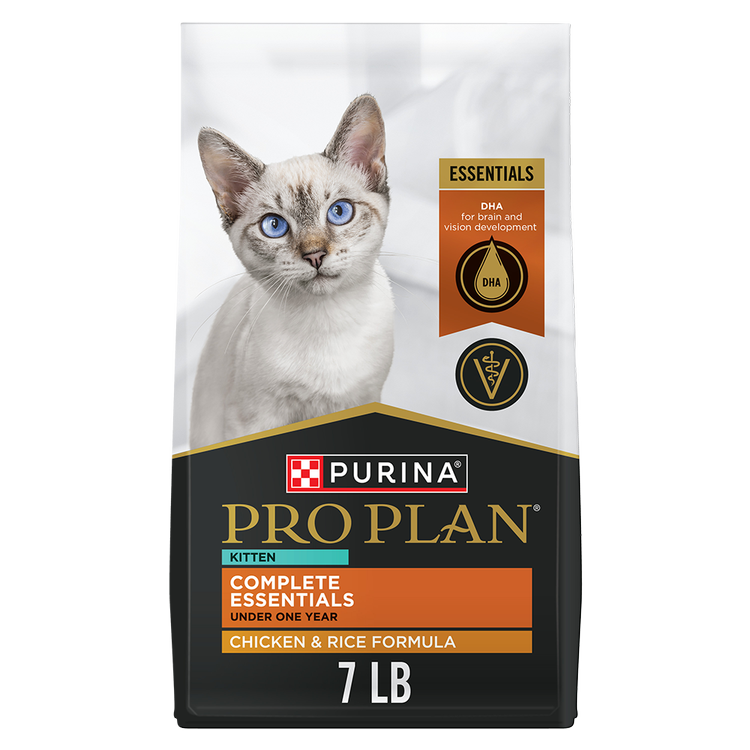
If your kitten shows signs of food intolerance such as vomiting, diarrhea, or excessive scratching, you might want to try these alternatives. Feeding sensitive kittens with specialized diets can prevent discomfort and promote better nutrient absorption. Have you noticed any food sensitivities in your kitten? Trying a small trial of sensitive food might reveal if it’s the right choice.
Credit: www.purina.com
Frequently Asked Questions
When Is The Right Time To Switch Kitten Food?
The ideal time to switch is around 12 months old. Kittens need nutrient-rich food until then. Adult cat food supports mature cats better.
Can Kittens Eat Adult Cat Food Safely?
Kittens can eat adult food briefly, but it lacks growth nutrients. Use kitten food for proper development until one year.
What Happens If Kittens Eat Adult Food Too Early?
Early adult food can cause nutritional deficiencies in kittens. Growth may slow, and immune health could weaken. Stick to kitten-specific diets.
How To Transition Kittens To Adult Cat Food?
Gradually mix adult food with kitten food over 7-10 days. This prevents digestive upset and eases the dietary change effectively.
Conclusion
Kittens need special food to grow strong and healthy. Adult cat food lacks some nutrients kittens require. Usually, kittens can start eating adult food after one year. Watch your kitten’s health and behavior during the change. Gradually mix adult food with kitten food for a smooth switch.
Consult your vet if unsure about the best time. Proper nutrition supports a happy, active cat life. Keep your kitten’s needs in mind for the best care.



Leave a Reply