Have you ever found your cat pooping outside their litter box and wondered why this keeps happening? It can be frustrating and confusing, especially when you’ve done everything right.
But don’t worry—you’re not alone, and there are clear reasons behind this behavior. Understanding why your cat avoids their litter box can help you fix the problem quickly. Keep reading, and you’ll discover simple solutions that can bring peace back to your home and comfort to your furry friend.
Credit: vetic.in
Common Reasons Cats Avoid Litter Box
Cats may stop using their litter box for many reasons. Understanding these reasons helps solve the problem faster. Sometimes, health issues cause this behavior. Other times, the litter box itself is the problem. Stress can also make cats avoid their box. The box’s location and the type of litter matter too. Each factor can affect a cat’s comfort and habits.
Medical Issues To Consider
Urinary tract infections cause pain during bathroom visits. Constipation or diarrhea can make cats avoid the box. Arthritis can make it hard to climb into the box. Parasites may cause discomfort and change bathroom habits. Always check with a vet if problems continue.
Litter Box Cleanliness Problems
Cats like a clean, fresh place to go. Dirty boxes smell bad and discourage use. Clumps and waste left inside turn cats away. Scoop the box daily and change litter often. Clean the box with mild soap and water.
Stress And Anxiety Factors
New pets or people can scare cats. Loud noises and changes in routine upset them. Moving the house or rearranging furniture can cause stress. An anxious cat may avoid the litter box. Create a calm space to help them relax.
Litter Box Location Concerns
Boxes in noisy or busy spots make cats uncomfortable. Near loud appliances or heavy foot traffic is bad. Boxes in dark, quiet places work best. Avoid placing boxes near food and water bowls. A private spot encourages regular use.
Litter Type Preferences
Some cats dislike certain litter textures or smells. Clumping litter is often preferred but not always. Unscented and fine-grained litter feels soft on paws. Changing litter type suddenly can confuse cats. Test different litters to find what they like.
Behavioral Causes Behind Litter Box Problems
Behavioral causes often explain why cats poop outside their litter box. Cats use their litter box not only for hygiene but also for communication. Changes in their routine or environment can disrupt this behavior. Understanding these causes helps in resolving litter box problems effectively.
Territorial Marking Habits
Cats mark territory by leaving scents through their waste. Pooping outside the litter box may signal a territorial claim. This behavior is common in unneutered or stressed cats. Marking helps cats feel secure in their space.
Changes In Household Environment
New family members or pets can unsettle cats. Moving furniture or changing the litter box location also causes confusion. Cats prefer stable environments and may avoid the litter box if things change abruptly.
Multiple Cats And Litter Box Sharing
Sharing a litter box can cause stress and conflict between cats. Some cats dislike sharing and may avoid the box. Providing enough litter boxes for each cat reduces this problem. Cleanliness and location of boxes are also important.
How To Fix Litter Box Avoidance
Cats may avoid their litter box due to stress, illness, or a dirty box. Changing the type of litter or cleaning the box often helps. Providing a quiet, safe place can encourage proper use.
Cats may poop outside their litter box for many reasons. This can be frustrating for cat owners. Understanding why it happens is the first step. Fixing litter box avoidance is possible with the right approach. Here are some practical steps to help your cat feel comfortable with their litter box again.Ensuring Proper Medical Care
First, rule out any medical issues. Health problems can cause litter box avoidance. Visit a vet to check for infections or digestive issues. A clean bill of health ensures your cat’s behavior isn’t due to illness.Improving Litter Box Hygiene
Cats prefer clean litter boxes. Scoop waste daily to prevent odors. Wash the box with mild soap once a week. Avoid strong-smelling cleaners that may deter your cat. Keeping the box fresh encourages your cat to use it.Choosing The Right Litter And Box
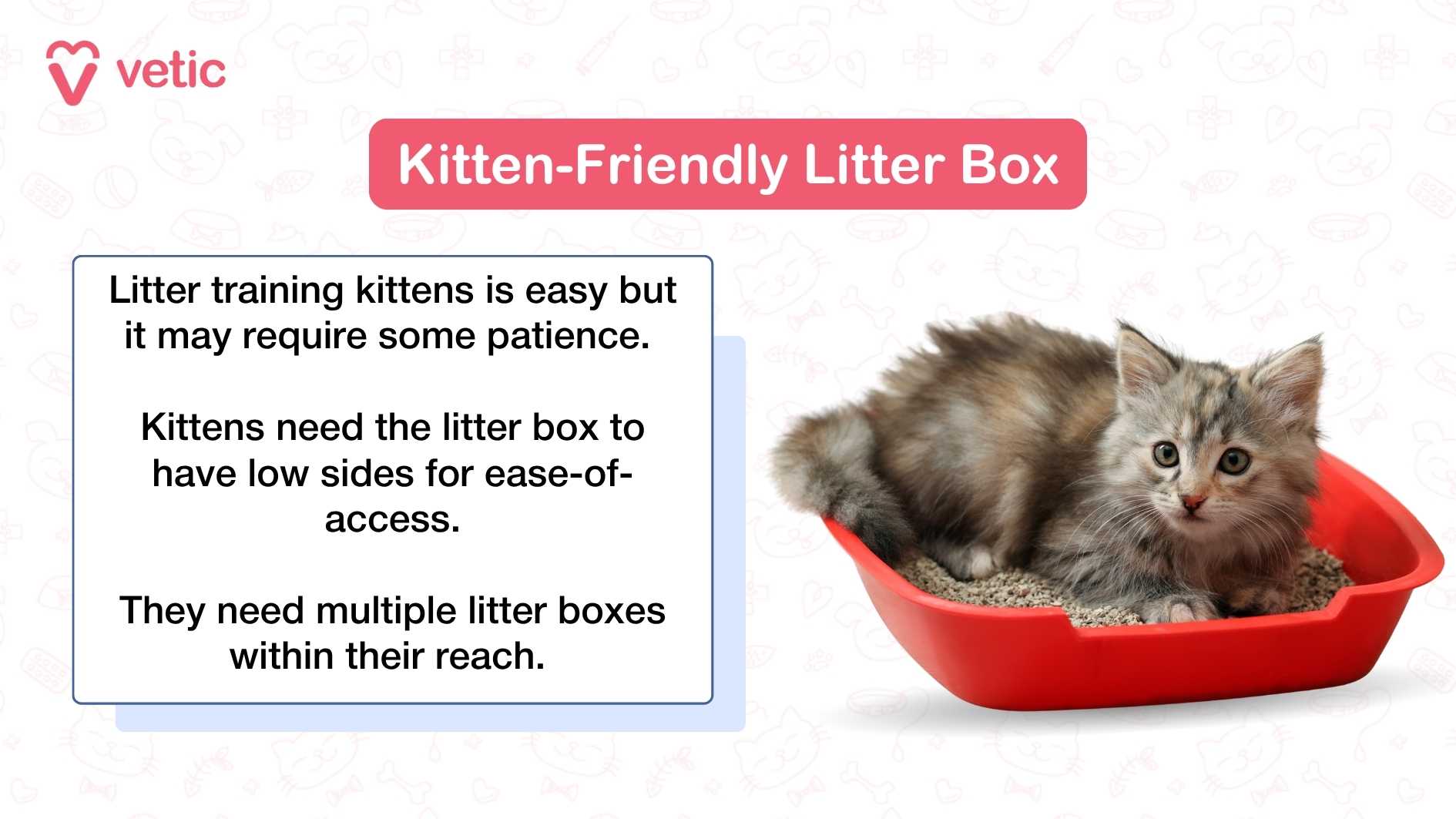
Select a litter your cat likes. Some cats prefer unscented, clumping litter. Experiment with different types to find the best fit. Ensure the box size suits your cat. A large box is more comfortable for bigger cats.Reducing Stress And Anxiety
Stress can cause litter box avoidance. Identify changes in your home that may upset your cat. Provide a quiet space for them to relax. Use calming sprays or diffusers to ease anxiety. A calm cat is more likely to use the litter box.Creating A Cat-friendly Bathroom Setup
Make the bathroom inviting for your cat. Place the box in a quiet, accessible spot. Ensure easy access and no obstacles. Keep the area well-lit and ventilated. A welcoming setup makes it easier for your cat to use the box.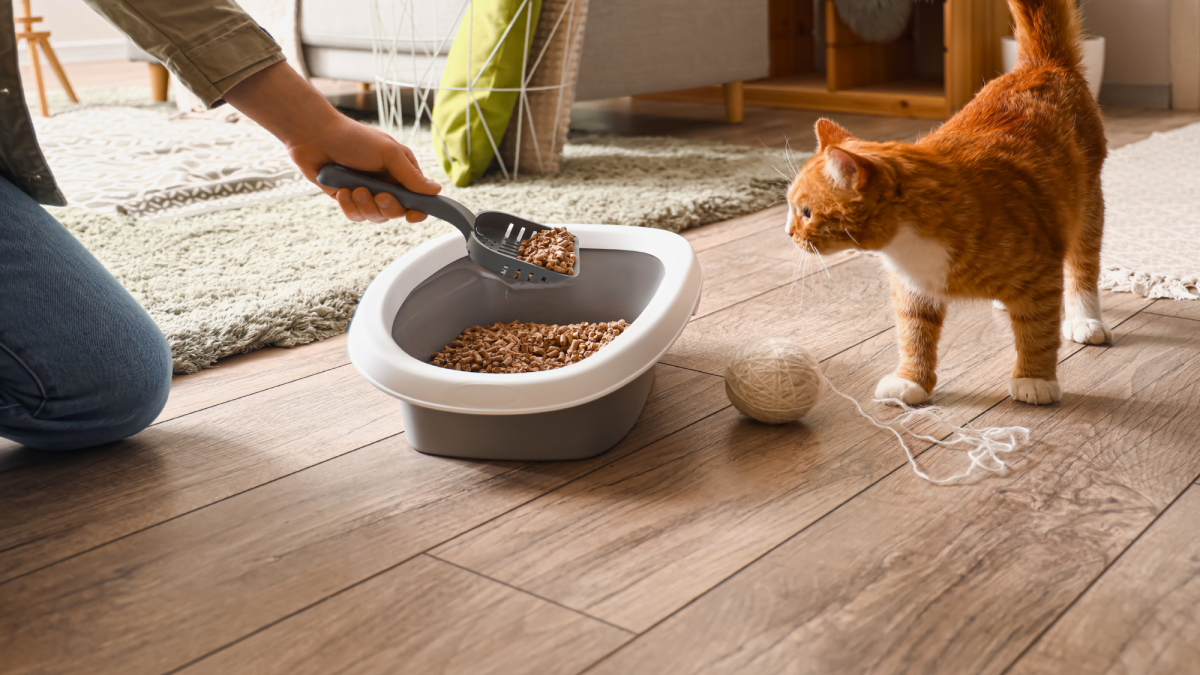
Credit: pethelpful.com
When To Seek Professional Help
Sometimes, cats avoid their litter box despite efforts to fix the issue. This can signal health or behavioral problems that need expert help. Knowing when to get professional support can save your cat from discomfort and stress.
Veterinarian Consultation
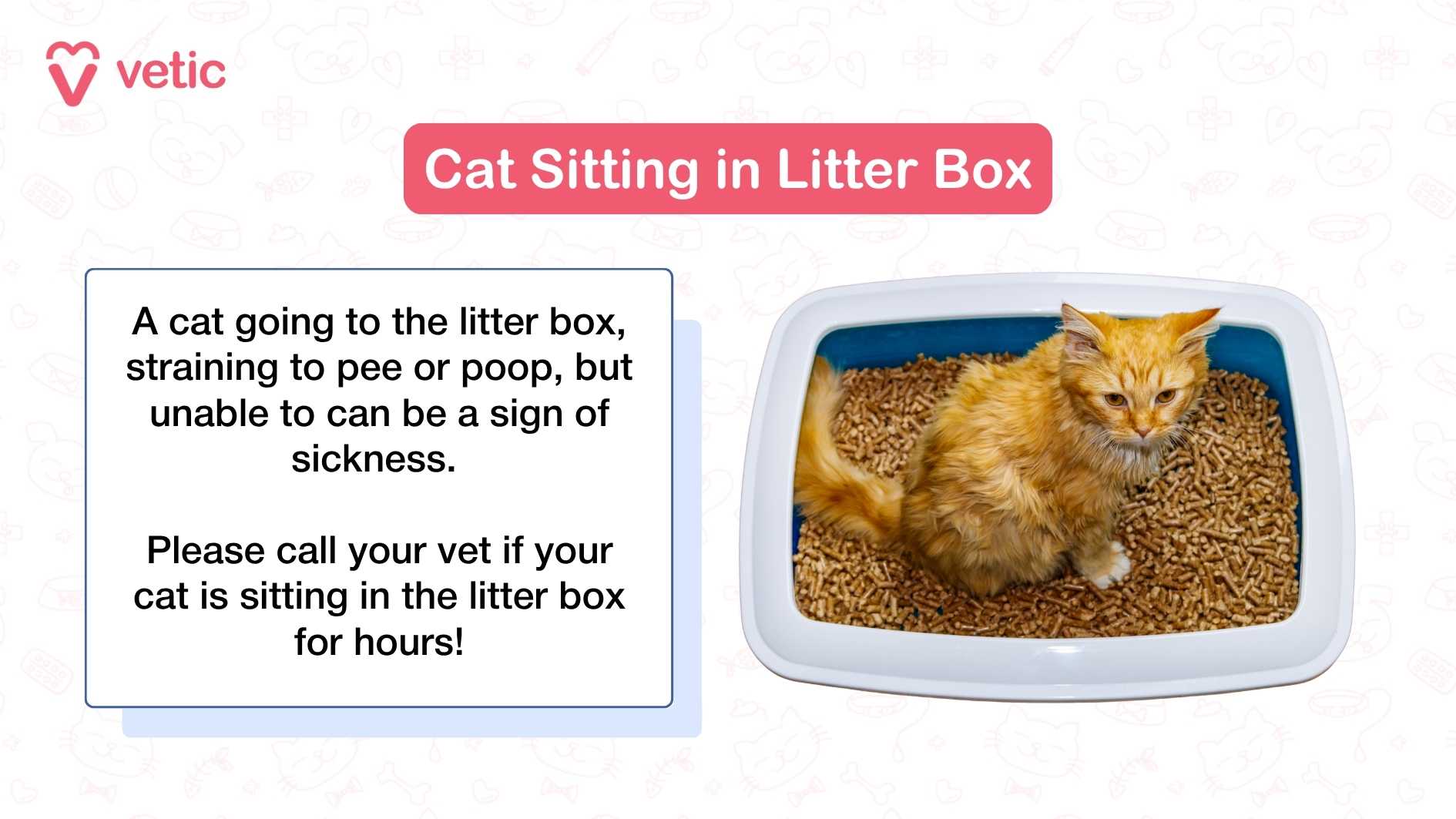
Visit a vet if your cat suddenly stops using the litter box. Possible medical issues include urinary tract infections, kidney problems, or digestive troubles. A vet will perform tests to find any health concerns. Treating illness often stops the unwanted behavior quickly. Regular check-ups can catch hidden problems early. Never ignore signs like blood in urine or straining to poop.
Behavioral Specialist Guidance
Some cats have anxiety or stress causing litter box avoidance. A cat behavior specialist helps identify these triggers. They suggest changes in the environment or routine to reduce stress. Specialists teach training methods to encourage proper litter box use. They also help with issues like territorial marking or fear of the box. Getting this guidance improves your cat’s wellbeing and your home’s cleanliness.
Credit: vetic.in
Frequently Asked Questions
Why Do Cats Avoid Their Litter Box Sometimes?
Cats may avoid their litter box due to cleanliness issues, stress, or medical problems. A dirty box or sudden changes in routine can cause this behavior. Ensuring a clean, quiet, and accessible litter box helps prevent avoidance.
Can Health Issues Cause Cats To Poop Outside Litter Box?
Yes, health problems like urinary tract infections or digestive issues can lead cats to poop outside the box. If your cat suddenly changes habits, a vet checkup is essential to rule out medical causes.
How Does Litter Box Location Affect Cat’s Behavior?
Litter box location impacts a cat’s comfort and privacy. Placing it in noisy or busy areas may deter use. A quiet, accessible spot encourages consistent litter box use.
What Type Of Litter Do Cats Prefer For Pooping?
Cats often prefer unscented, clumping litter with a soft texture. Harsh or scented litter may discourage use. Experimenting with litter types helps find the best fit for your cat.
Conclusion
Cats may poop outside their litter box for many reasons. Stress, health issues, or a dirty box can cause this behavior. Watch your cat closely to find the cause. Clean the litter box often and keep it in a quiet spot.
Give your cat plenty of love and attention. If problems continue, visit a vet for advice. Understanding your cat helps keep your home clean and your pet happy. Small changes can make a big difference. Keep patience and care; your cat will adjust soon.



Leave a Reply