If your cat isn’t using the litter box, it can be frustrating and stressful for both of you. You want a clean home, and your furry friend needs a comfortable place to do their business.
But how do you encourage your cat to pee in the litter box every time? You’ll discover simple, effective tips that really work. By the end, you’ll feel confident and ready to solve this common problem quickly. Keep reading to learn how to make your cat love their litter box again.

Credit: cats-magazine.com
Choose The Right Litter Box
Choosing the right litter box is key to encourage your cat to pee inside it. The box must be comfortable and easy for your cat to use. Cats prefer a space that fits their size and habits. The wrong box can make your cat avoid it.
Size And Shape Matters
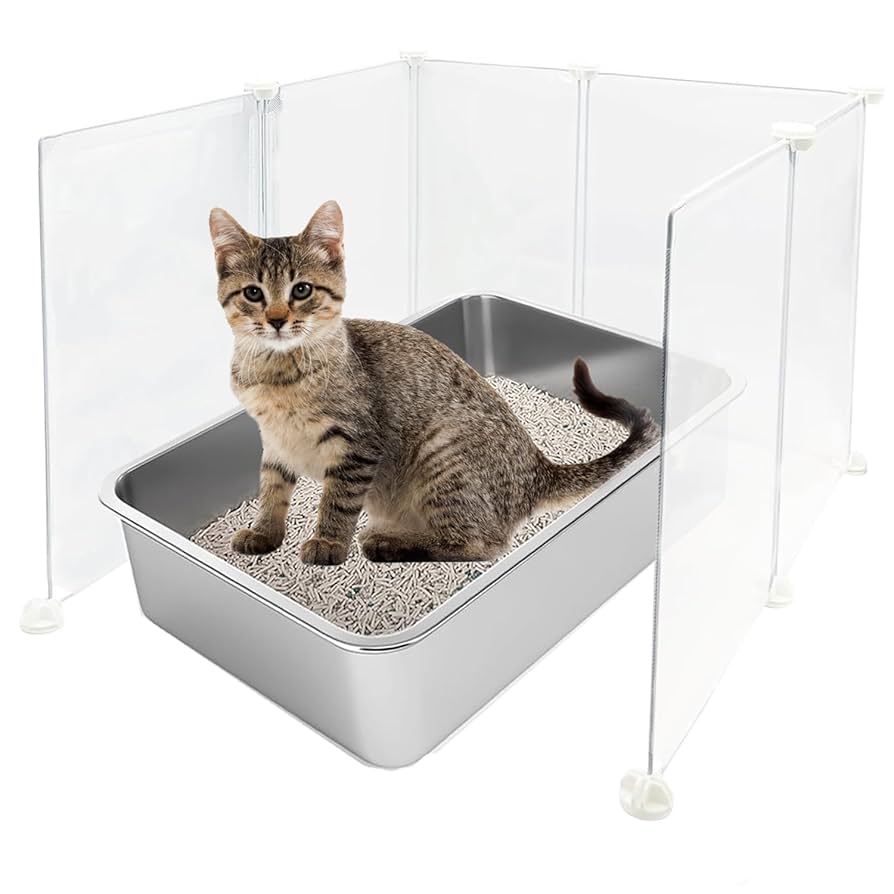
Pick a litter box large enough for your cat to turn around. Small boxes cause stress and accidents. The sides should be low enough for kittens or older cats to enter easily. Tall sides help contain litter scatter and urine spray.
Consider your cat’s posture. Some cats prefer rectangular boxes for stretching. Others like round ones for privacy. Watch your cat’s behavior to find the best fit.
Open Vs Covered Boxes
Open litter boxes offer easy access and good ventilation. Cats can see around and feel safe from trapping smells. Open boxes suit shy cats or those that dislike tight spaces.
Covered boxes provide privacy and reduce odor spread. Some cats feel secure in a covered box like a small cave. Others may find it confining or scary. Check your cat’s preference by testing both types.
Pick The Best Cat Litter
Picking the best cat litter is a crucial step to encourage your cat to use the litter box consistently. The right litter not only attracts your cat but also helps control odors and makes cleaning easier for you. Choosing the wrong type can lead to accidents and frustration for both you and your cat.
Types Of Litter
There are several types of cat litter available, each with unique features. Clay-based clumping litter is popular because it forms solid clumps, making scooping simple. However, it can be dusty and heavier to carry.
Natural litters like corn, wheat, or pine offer an eco-friendly alternative. They tend to be less dusty and biodegradable, but some cats may not like the texture or scent. Crystal litter made from silica gel absorbs moisture well and controls odor for longer, but it doesn’t clump and can be more expensive.
Think about your cat’s preferences and any allergies they might have. Have you noticed if your cat avoids certain textures or smells? Trying different types in small amounts can help you find the best fit.
Scented Vs Unscented
Scented litter can help mask odors, keeping your home smelling fresher. However, some cats dislike the added fragrances and may avoid the litter box because of it. If your cat is sensitive or has respiratory issues, unscented litter is usually the safer choice.
Unscented litter relies on its material to control odors naturally. It offers a more neutral environment, which many cats prefer. You might be surprised how much difference this makes in your cat’s willingness to use the box.
Consider your cat’s reaction first. Does your cat show signs of discomfort or avoidance when you use scented litter? Observing this can guide you to the best option that suits both your needs and your cat’s comfort.
Set Up The Litter Box Properly
Place the litter box in a quiet, easy-to-reach spot. Keep it clean and use the right type of litter your cat prefers. A properly set up box encourages your cat to use it consistently.
Setting up the litter box properly ensures your cat uses it consistently. Cats are particular about their bathroom habits. A well-placed and clean litter box makes all the difference.Ideal Location
Choose a quiet, private spot for the litter box. Avoid high-traffic areas where your cat might feel uneasy. A calm environment helps your cat feel secure. Keep the box away from loud appliances like washing machines. Cats prefer peaceful spots to do their business.Keep It Clean
Scoop the litter box daily to remove waste. Cats dislike dirty boxes and may refuse to use them. Change the litter completely once a week. Use mild soap and water to clean the box. Avoid strong-smelling cleaners; cats have sensitive noses. A fresh, clean box attracts your cat to use it.Encourage Your Cat To Use The Box
Encouraging your cat to use the litter box takes patience and gentle guidance. Cats respond well to comfort and clear signals. Creating a positive and stress-free environment helps them feel safe near the box. Consistency and small rewards make the litter box a friendly place.
Positive Reinforcement
Reward your cat when it uses the litter box. Praise with a soft voice or offer a small treat. This shows the behavior is good. Avoid punishment; it can cause fear or confusion. Use gentle encouragement to build trust. Keep rewards immediate to connect action with praise.
Limit Access To Other Areas
Restrict your cat’s access to places outside the litter box area. Close doors or use barriers to keep the cat near the box. This reduces accidents and helps form a habit. Gradually increase freedom as the cat learns to use the box consistently. A controlled space helps your cat focus on the right spot.
Address Behavioral Issues
Addressing behavioral issues is key to encouraging your cat to use the litter box. Cats may avoid the box due to stress, discomfort, or health problems. Understanding these reasons helps create a better environment for your pet. This section covers common behavioral challenges and ways to manage them.
Stress And Anxiety
Stress affects many cats and can cause litter box problems. Changes in the home, new pets, or loud noises can upset your cat. Cats may pee outside the box as a way to cope.
Try these tips to reduce stress:
- Keep a quiet, calm space for your cat.
- Maintain a regular feeding and playtime schedule.
- Use calming sprays or diffusers made for cats.
- Give your cat plenty of attention and gentle affection.
Medical Problems
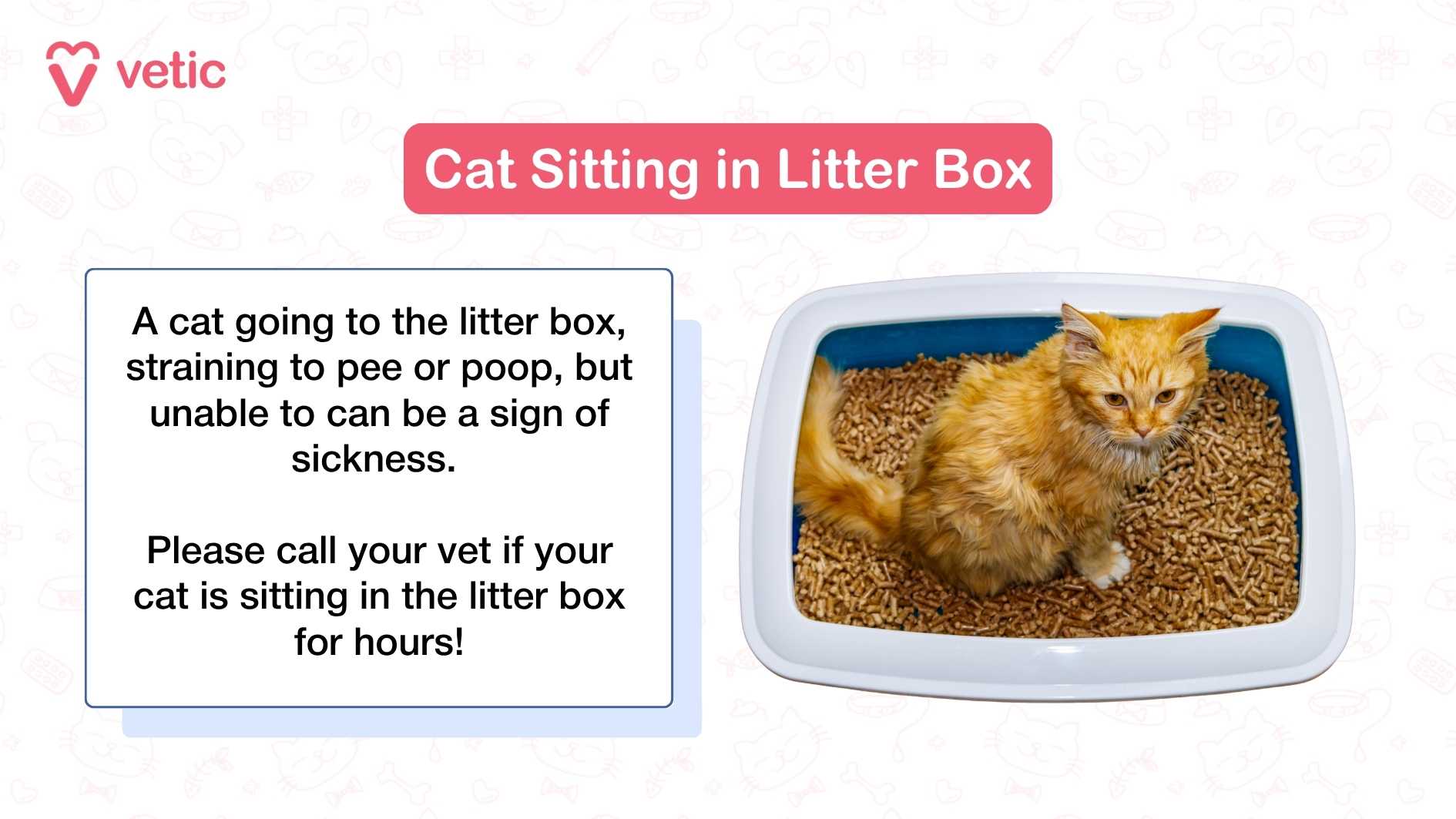
Health issues often cause cats to avoid the litter box. Urinary tract infections, bladder stones, and other problems make peeing painful.
Watch for signs like:
- Frequent trips to the box with little output.
- Crying or discomfort when peeing.
- Blood in the urine.
Take your cat to the vet for a full check-up. Treating medical problems quickly helps your cat return to normal habits. Always follow the vet’s advice for care and medication.

Credit: www.embracepetinsurance.com
Use Training Aids And Products
Training aids and products help guide your cat to use the litter box. They make the learning process easier and faster. These tools attract cats to the right spot and keep them away from places you don’t want them to pee.
Using the right aids creates a positive habit for your cat. It reduces accidents and keeps your home clean. These products work best when combined with patience and consistency.
Attractants
Attractants are special sprays or powders that encourage cats to use the litter box. They contain scents that cats find appealing. These scents help your cat recognize the litter box as the right place to pee.
- Spray attractants on clean litter or the box edges.
- Use attractant powders mixed with litter for better results.
- Apply attractants regularly to reinforce good behavior.
Attractants work well for cats new to the litter box or those who avoid it. They also help if your cat has had accidents outside the box.
Deterrents For Wrong Spots
Deterrents keep cats away from places where they should not pee. They use smells or textures cats dislike. This helps stop repeat accidents in the same wrong spots.
- Use sprays with scents like citrus or eucalyptus near wrong spots.
- Place aluminum foil or double-sided tape on areas to deter cats.
- Clean accidents with enzyme cleaners to remove scent traces.
Deterrents do not punish the cat but guide them gently. This makes the cat less likely to return to bad spots.
Monitor And Adjust
Monitoring and adjusting your cat’s litter box habits is key to success. Watch how your cat reacts to changes. Notice patterns and behavior around the litter box. Small tweaks can make a big difference in encouraging proper use. Stay patient and consistent throughout the process.
Track Progress
Keep a daily log of your cat’s litter box use. Note times and frequency of peeing in the box. Write down any accidents outside the box. Observe if your cat avoids the box or seems stressed. Track changes after you introduce new litter or boxes. This record helps identify what works best for your cat.
Make Changes As Needed
Adjust the litter type if your cat avoids the box. Try a different texture or scent. Clean the litter box more often to keep it fresh. Add another box if your home is large or has multiple cats. Change the box location to a quieter, low-traffic area. Keep testing small changes until your cat uses the box consistently.
Credit: vetic.in
Frequently Asked Questions
How Can I Encourage My Cat To Use The Litter Box?
Place the litter box in a quiet, accessible location. Keep it clean by scooping daily. Use a litter type your cat prefers. Reward your cat with treats or praise when it uses the box.
Why Is My Cat Avoiding The Litter Box?
Cats avoid litter boxes due to cleanliness issues, stress, or medical problems. Check for infections or bladder issues with a vet. Keep the box clean and in a calm area to encourage use.
What Type Of Litter Attracts Cats To Pee?
Cats prefer unscented, clumping clay or natural litter. Avoid strong fragrances as they can deter cats. Experiment with different litters to find what your cat likes best.
How Often Should I Clean The Litter Box?
Clean the litter box daily by scooping waste. Fully change litter and wash the box weekly. Cleanliness helps prevent odors and encourages consistent litter box use.
Conclusion
Helping your cat pee in the litter box takes time and patience. Keep the box clean and in a quiet place. Use the right type of litter your cat likes. Praise and reward your cat for good behavior. Watch for any health problems that might cause accidents.
Small changes can make a big difference. Stay calm and consistent every day. Soon, your cat will use the litter box without trouble. Caring for your cat’s needs helps build trust and comfort. A happy cat means a happy home.

Leave a Reply