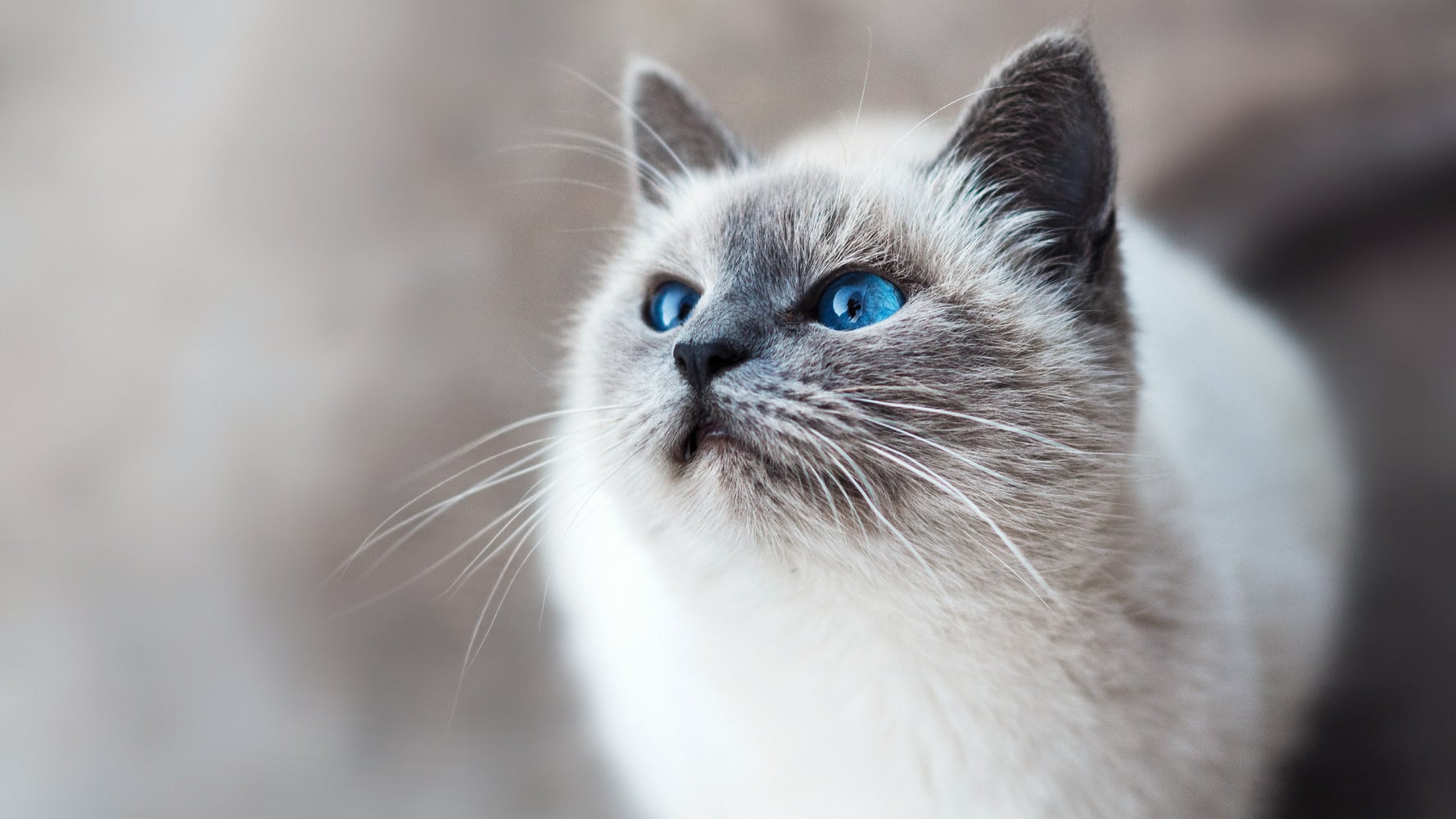
Have you ever wondered why so many people say having a cat can actually make you healthier? It’s not just about cute cuddles or playful moments—cats bring real benefits that can improve your mind and body.
If you want to feel less stressed, sleep better, and even boost your heart health, this article is for you. Keep reading to discover surprising ways your feline friend can help you live a happier, healthier life.

Credit: www.huffpost.com
Health Benefits Of Cat Ownership
Owning a cat offers many health benefits that improve daily life. Cats provide comfort and joy, which positively affect your mind and body. Their presence can lead to a healthier lifestyle in simple, natural ways.
Lower Stress And Anxiety Levels
Petting a cat helps reduce stress and calm the mind. The gentle purring sound lowers anxiety and promotes relaxation. Cats offer companionship that fights feelings of loneliness. Their playful behavior lifts mood and distracts from worries.
Improved Heart Health
Cat owners have a lower risk of heart disease. Studies show that having a cat can reduce blood pressure. The calming effect of cats helps prevent heart attacks. Caring for a pet encourages a routine that supports heart health.
Boosted Immune System
Exposure to cats can strengthen the immune system. Children raised with cats tend to have fewer allergies. Early contact with pets helps the body build resistance. Cats can help reduce the chance of asthma and other illnesses.
Mental Health Advantages
Cats offer more than just companionship—they can actively improve your mental health. Their presence brings a sense of calm and connection that many people find hard to get elsewhere. Understanding how cats impact your mental well-being can help you appreciate your furry friend even more.
Reduced Feelings Of Loneliness
Having a cat around can fill the silence in your home with gentle purrs and soft meows. These sounds and interactions create a comforting presence that eases loneliness. When you talk to your cat or watch them play, it reminds you that you are not alone.
Many cat owners report feeling less isolated, especially if they live alone or work from home. Could your cat be the companion that helps you feel connected each day?
Enhanced Mood And Happiness
Cats have a unique way of lifting your spirits without demanding much in return. Their playful antics and affectionate nudges trigger the release of feel-good chemicals in your brain. This natural boost can brighten even the toughest days.
Simply stroking your cat’s fur can reduce stress and bring moments of joy. Have you noticed how your mood shifts after spending quiet time with your cat?
Support For People With Depression
For those managing depression, cats offer steady, non-judgmental support. Their routine needs—feeding, grooming, playtime—encourage you to maintain structure in your day. This can provide a sense of purpose and accomplishment.
The unconditional love from a cat can also reduce feelings of worthlessness. If you struggle with depression, could your cat be a source of comfort and motivation?
Physical Activity And Routine
Cats influence physical activity and daily habits positively. Their playful nature invites movement and interaction. Caring for a cat encourages regular activity throughout the day.
Encouragement To Stay Active
Cats love to play with toys and chase objects. This behavior motivates owners to join in playtime. Activities like throwing balls or using feather wands keep both active. Moving around to entertain a cat helps burn calories. Small bursts of exercise improve overall fitness and mood. Cats also prompt owners to get up from sitting for breaks.
Establishing Daily Routines
Cats thrive on routine, needing feeding and care at set times. Owners develop consistent schedules to meet these needs. Regular feeding times create structure in daily life. Scheduled play sessions build habits of physical engagement. Routine care tasks like grooming promote mindfulness and calm. This structure supports mental and physical well-being over time.
Credit: www.huffingtonpost.co.uk
Social Connections Through Cats
Cats do more than just sit quietly in your lap—they can be powerful social bridges that connect you with others. Their unique personalities and curious behaviors often spark conversations and shared experiences, building bonds that might not happen otherwise. If you ever felt shy or out of place, owning a cat can gently nudge you toward new social circles.
Building Community With Other Cat Owners
Cat owners often find themselves part of a welcoming community. Whether it’s online forums, local meetups, or social media groups, these spaces allow you to swap stories, ask for advice, and celebrate your cat’s quirks.
One cat owner shared how joining a neighborhood cat lovers’ club led to lasting friendships and even helped them find a vet recommendation. These connections go beyond just discussing cats—they often turn into support networks.
- Attend cat shows or adoption events to meet like-minded people.
- Join social media groups focused on feline care and fun.
- Participate in community initiatives like cat rescue or fostering.
Improving Social Skills
Interacting through your cat can ease social anxiety and improve your communication skills. Sharing stories about your cat’s antics or seeking advice encourages you to open up and listen actively.
Imagine starting a conversation with a simple “My cat did the funniest thing today!” This can break the ice and make social interactions feel less forced and more genuine.
Do you notice how talking about a shared interest makes it easier to connect? Your cat becomes a natural conversation starter, helping you practice empathy and build rapport with others.
Therapeutic Roles Of Cats
Cats offer calming companionship that lowers stress and anxiety. Their gentle purring can help reduce blood pressure and promote relaxation. Spending time with cats often brings comfort and improves overall mood.
Cats can significantly enhance mental well-being. Their calming presence offers therapeutic benefits. They help reduce stress and anxiety. Cats can even improve emotional health. Let’s explore their therapeutic roles.Cats In Therapy Programs
Cats often participate in therapy programs. They offer companionship and support. Their gentle nature soothes troubled minds. Many hospitals and nursing homes welcome them. Cats help patients feel less lonely. They encourage social interaction. Their presence can lower blood pressure. Cats bring joy to those in need.Emotional Support And Comfort
Cats provide emotional support daily. They sense human emotions. Their purring comforts and relaxes people. Cats offer unconditional love. They are there during tough times. Cats help people feel secure. Their playful behavior lifts spirits. They make excellent companions for mental health. Cats truly care for their humans.
Credit: uk.style.yahoo.com
Science Behind Cat Benefits
Cats do more than offer companionship. Science shows they improve our health in real ways. Their presence can calm nerves and boost well-being. Researchers study how cats influence both body and mind. Understanding these effects helps explain why cats are great for health.
Research Studies And Findings
Studies reveal clear links between cat ownership and health benefits. People with cats often report less stress and anxiety. Research finds cat owners have lower blood pressure during stressful tasks. One study shows cat owners have a reduced risk of heart attack. Another research highlights how cats help reduce feelings of loneliness. Scientists use surveys and medical data to confirm these effects.
Biological Effects Of Cat Interaction
Touching and playing with cats triggers positive changes in the body. Petting a cat can lower cortisol, the stress hormone. It also increases oxytocin, known as the “love hormone.” These changes promote relaxation and happiness. Cat purring creates vibrations that may help heal bones and muscles. Interaction with cats often improves mood and reduces depression symptoms. The biological responses explain why cats are calming and healthful.
Frequently Asked Questions
How Do Cats Reduce Stress And Anxiety?
Cats provide calming companionship that lowers stress hormones. Petting a cat releases oxytocin, promoting relaxation and reducing anxiety levels effectively.
Can Owning A Cat Improve Heart Health?
Yes, cat ownership is linked to lower blood pressure and reduced risk of heart disease. Their presence encourages a calmer lifestyle.
Why Do Cats Help With Loneliness And Depression?
Cats offer emotional support through affection and companionship, easing feelings of loneliness. Their playful nature can uplift mood and combat depression.
How Do Cats Improve Overall Mental Well-being?
Interacting with cats boosts serotonin and dopamine, enhancing happiness. Their routine care fosters responsibility and a sense of purpose.
Conclusion
Cats bring many health benefits to your life. They help reduce stress and make you feel calm. Petting a cat can lower your blood pressure. Cats also offer great company, which fights loneliness. Their playful nature encourages you to stay active.
Having a cat at home can improve your mood daily. Small actions with cats create big positive effects. Caring for a cat builds routine and purpose too. Truly, cats are simple friends with powerful health perks. Consider welcoming a cat to enjoy these benefits yourself.




Leave a Reply