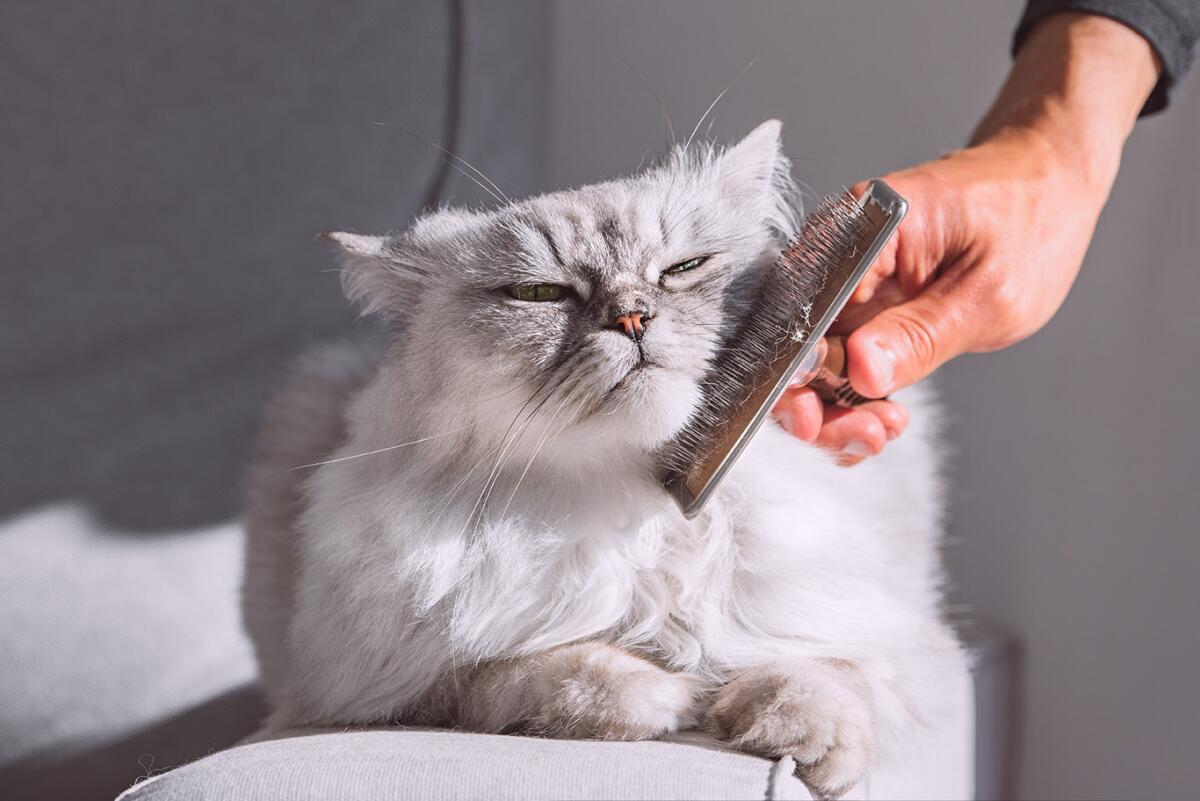
Grooming your cat can be a real challenge when they just won’t stay still. You want to keep your furry friend clean and comfortable, but their constant movement makes it tough.
What if you could make grooming easier, safer, and less stressful for both of you? In this post, you’ll discover simple, effective ways to help your cat stay calm and still during grooming. Keep reading to transform your grooming routine into a peaceful experience your cat will actually tolerate.
Preparing Your Cat For Grooming
Getting your cat ready for grooming can make the whole process smoother and less stressful for both of you. Preparation is more than just having the right tools; it’s about timing, setting, and understanding your cat’s mood. You want your cat to feel safe and cooperative before you even pick up a brush.
Choosing The Right Time
Watch your cat’s daily routine and pick a time when they are naturally calm or sleepy. Cats are often more relaxed after meals or naps, which can make grooming easier. Avoid grooming when your cat is energetic or playful, as they may resist and become agitated.
Have you noticed how your cat behaves right before bedtime? That’s often a perfect window to start grooming, as they tend to be more docile. Trying to groom a restless cat usually leads to frustration for both of you.
Creating A Calm Environment
Set up a quiet, comfortable space free from loud noises and distractions. Dim the lights slightly and close doors to prevent other pets or people from interrupting. You can even play soft, soothing music to help your cat relax.
Think about your own mood too—cats pick up on tension. Speak softly and move slowly to keep your cat at ease. Have you ever noticed how your calm tone can encourage your cat to settle down?
Gathering Essential Grooming Tools
Before you start, make sure all your grooming supplies are within reach to avoid leaving your cat unattended. Common tools include a brush suited to your cat’s fur type, nail clippers, and gentle wipes for cleaning. Keep treats handy to reward your cat during and after grooming.
- Brush:Slicker brush for long-haired cats, rubber brush for short-haired ones.
- Nail clippers:Choose ones designed specifically for cats to avoid injury.
- Wipes:Use pet-safe wipes to clean dirty spots gently.
- Towels:Keep a soft towel nearby to wrap your cat if needed.
Have you ever found yourself searching for a tool mid-groom? Preparing everything ahead saves you from that stressful scramble.

Credit: paw-swing.com
Techniques To Keep Your Cat Still
Keeping your cat still during grooming can be challenging. Cats often feel uneasy or restless. Using the right techniques can make grooming smoother and safer. These methods help your cat feel calm and reduce stress.
Using Gentle Restraint Methods
Hold your cat softly but firmly. Use one hand to support the body. The other hand can hold the head or neck gently. Avoid tight grips that cause discomfort. A towel wrap can help calm your cat. Wrap your cat like a burrito, leaving the head exposed. This limits movement without hurting your pet.
Distracting With Treats And Toys
Offer tasty treats during grooming sessions. Give small rewards to keep your cat interested. Toys can also catch their attention. Use a feather wand or a small ball. Play briefly before and during grooming. Distractions help shift focus away from grooming. This makes your cat less likely to struggle.
Employing Slow And Steady Movements
Move your hands slowly and calmly. Quick or sudden actions can startle your cat. Keep your voice soft and soothing. Slow strokes build trust and comfort. Let your cat adjust to each movement. Take breaks if your cat shows signs of stress. Patience helps keep your cat still and relaxed.
Handling Anxious Or Aggressive Cats
Grooming a cat that feels anxious or shows aggression can be a real challenge. These cats need extra care to stay calm and safe during grooming sessions. Understanding their feelings and using the right tools helps create a peaceful experience for both you and your cat.
Recognizing Stress Signals
Cats show many signs when they feel stressed or scared. Watch for:
- Flattened ears
- Rapid tail flicking
- Hissing or growling
- Wide eyes with dilated pupils
- Trying to hide or escape
- Swatting or biting attempts
Spotting these signs early helps you pause and calm your cat before things get worse.
Using Calming Aids And Sprays
Calming aids can reduce anxiety and make grooming easier. Some options include:
- Feliway sprays and diffusers mimic cat pheromones
- Soft music or white noise to soothe
- Comforting towels or blankets with your scent
- Natural supplements like chamomile or valerian (check with vet)
Use these aids before and during grooming to help your cat relax.
Seeking Professional Help When Needed
Sometimes, grooming at home is too stressful for your cat. A professional groomer or vet can help. They have experience with difficult cats and special tools. They also know how to keep your cat safe and calm.
Ask your vet about grooming options if your cat shows strong fear or aggression. It can protect your cat’s health and improve grooming success.

Credit: www.preventivevet.com
Grooming Tips For Different Cat Types
Grooming cats requires different techniques based on their fur type and age. Tailoring your approach helps keep cats calm and cooperative. Understanding each cat’s needs makes grooming easier and safer.
Short-haired Cats
Short-haired cats need less frequent brushing. Use a soft-bristle brush to remove loose hair. Brush gently in the direction of hair growth. This reduces skin irritation and helps the cat stay calm. Use a damp cloth to clean dirty spots. Short sessions work best to avoid stress.
Long-haired Cats
Long-haired cats need daily brushing to prevent mats. Use a wide-tooth comb to detangle knots carefully. Hold the fur close to the skin to avoid pulling. Brush small sections at a time to keep the cat relaxed. Trim mats only if the cat allows. Use treats to reward good behavior.
Senior Cats And Kittens
Senior cats may have sensitive skin and less patience. Use gentle strokes and soft tools. Keep grooming sessions short and quiet. Kittens need gentle, slow introductions to grooming. Use soft brushes and calm voices. Make grooming a fun and positive experience. Frequent, short sessions help build trust.
Post-grooming Care
Gently stroke your cat to calm them before grooming. Use soft, slow movements and speak in a quiet voice to keep them relaxed. Offer treats and breaks to make grooming easier and less stressful.
Post-grooming care is essential to keep your cat healthy and happy. It ensures the grooming experience ends on a positive note. This helps your cat feel calm and secure for future grooming sessions. Let’s explore some key aspects of post-grooming care.Rewarding Your Cat
After grooming, reward your cat with a treat or extra cuddles. This positive reinforcement helps associate grooming with pleasant experiences. Use your cat’s favorite treats for extra motivation. A gentle voice and soothing words further enhance this bonding moment.Cleaning And Storing Tools
Always clean grooming tools after use. This prevents bacteria buildup. Use warm water and mild soap to clean brushes and combs. Dry them thoroughly before storing. Keep tools in a safe, dry place to maintain their condition. Regular maintenance prolongs the life of your grooming tools.Monitoring Your Cat’s Skin And Coat
Check your cat’s skin for any irritation or redness. Look for signs of discomfort or unusual behavior. A healthy coat should be shiny and free of knots. If you notice anything unusual, consider consulting a vet. Regular checks help maintain your cat’s overall well-being.
Credit: paw-swing.com
Frequently Asked Questions
How Can I Calm My Cat Before Grooming?
Use gentle petting and soft speaking to relax your cat. Offer treats and create a quiet, comfortable space. This helps reduce anxiety and makes grooming easier.
What Tools Help Keep Cats Still During Grooming?
Use a grooming glove or a soft brush for gentle control. A non-slip mat can prevent slipping. These tools help keep your cat calm and steady.
How Often Should I Groom My Cat To Keep It Still?
Regular grooming, about once a week, helps cats get used to it. Consistency makes them more relaxed and cooperative during sessions.
Can Grooming Sprays Help Keep Cats Still?
Yes, calming grooming sprays with natural ingredients like lavender can soothe your cat. Use them sparingly to avoid irritation and increase grooming comfort.
Conclusion
Keeping your cat calm during grooming takes patience and care. Use gentle strokes and speak softly. Offer treats to make the experience positive. Take breaks if your cat feels stressed. Choose a quiet place to avoid distractions. Practice regularly to build trust and comfort.
Small steps lead to better grooming sessions. Your cat will learn to stay still with time. Consistency and kindness make all the difference. Grooming can become a calm, bonding moment for both.




Leave a Reply