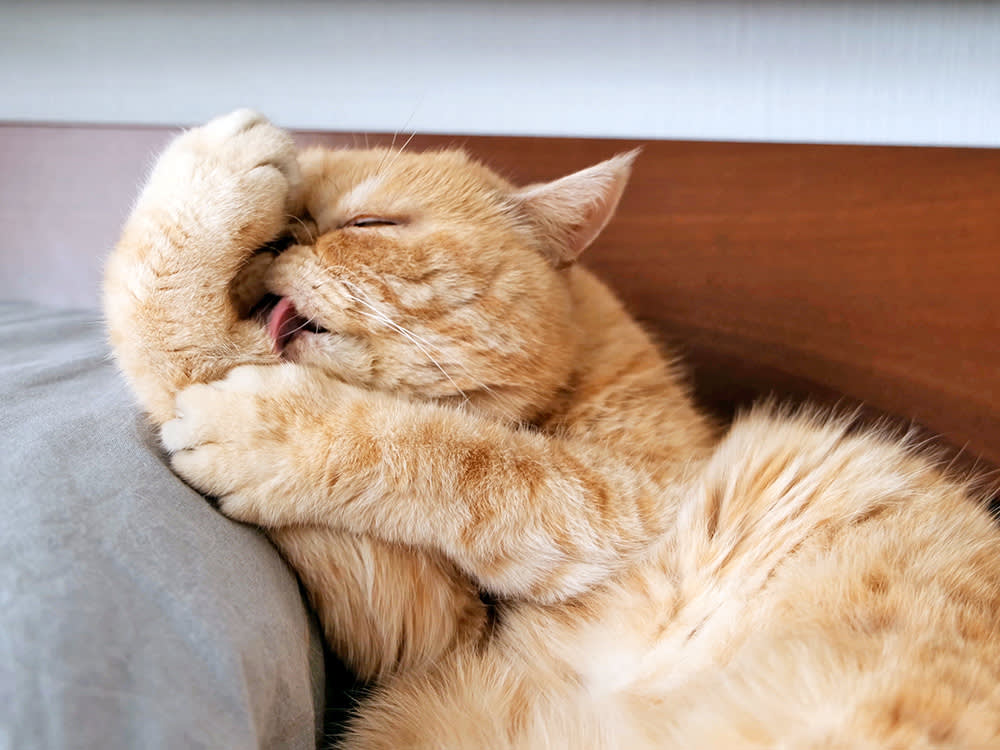
Have you ever watched your cat spend so much time licking their fur and wondered why they groom themselves so much? It’s more than just keeping clean.
Your cat’s grooming habits hold secrets about their health, mood, and even their happiness. Understanding why your furry friend grooms themselves can help you care for them better and deepen the bond you share. Keep reading to discover the surprising reasons behind this natural behavior and what it means for your cat’s well-being.
Natural Instincts
Cats grooming themselves is more than just a habit; it’s a deep-seated behavior rooted in their natural instincts. This self-care routine reflects millions of years of adaptation and survival strategies. Understanding these instincts can give you a fresh perspective on why your cat spends so much time licking and cleaning.
Evolutionary Roots
Grooming goes way back in a cat’s family tree. Wild ancestors used grooming to keep their fur clean from dirt and parasites, which was essential for staying healthy. This behavior has been passed down through generations, making it a natural part of your cat’s daily life.
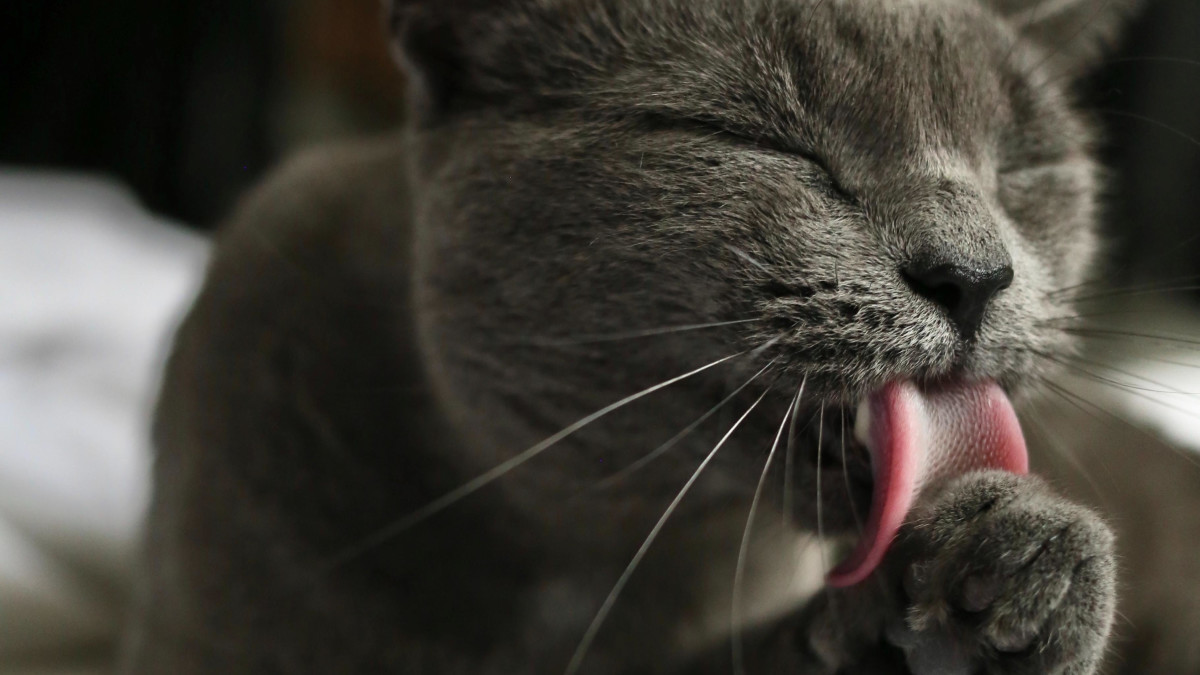
Think about your cat’s tongue—it’s rough, almost like sandpaper. This unique texture helps remove loose fur and dirt effectively. Have you ever noticed your cat’s intense focus while grooming? It’s a skill honed over thousands of years.
Survival Benefits
Grooming helps cats in several practical ways. Clean fur keeps their body temperature regulated and prevents skin infections. It also removes scents that predators or prey might detect, giving your cat a stealth advantage.
When your cat licks itself, it’s not just about looking good. It’s about staying alive and comfortable. Next time you see your cat grooming, ask yourself—how does this simple act help them survive in the wild? Understanding this can make you appreciate your cat’s natural behavior even more.
Hygiene And Cleanliness
Cats groom themselves to keep clean and healthy. Their grooming helps remove dirt and harmful pests. It also controls bad smells from their fur. Grooming is a natural way for cats to stay fresh every day.
Removing Dirt And Parasites
Cats use their tongues to clean their fur. Their rough tongues catch dirt and loose hair. Grooming helps get rid of fleas and ticks too. This keeps their skin healthy and free from irritation. It also lowers the risk of infections.
Controlling Odor
Cats have special oils in their skin. Grooming spreads these oils across their fur. This natural oil keeps their coat shiny and soft. It also stops bad smells from building up. A clean cat smells fresh and feels comfortable.
Temperature Regulation
Temperature regulation is a vital reason why cats groom themselves so often. Unlike humans, cats don’t sweat much to cool down. Instead, grooming helps them manage their body heat and stay comfortable in different environments.
Cooling Through Saliva
When your cat licks its fur, it spreads saliva across the coat. As the saliva evaporates, it cools the skin underneath, much like how sweat cools you down. This natural cooling system is especially helpful on hot days or after your cat has been active.
Have you noticed your cat grooming more during warm weather? That’s a sign they’re trying to keep their body temperature in check. You can help by providing fresh water and a cool place to rest.
Maintaining Fur Condition
Grooming also keeps your cat’s fur in top shape, which supports temperature control. Clean, well-kept fur traps air close to the skin, creating insulation that protects against both heat and cold.
When fur gets dirty or matted, it loses this insulating ability. By grooming regularly, cats ensure their coat remains effective at regulating temperature all year round.
Credit: pethelpful.com
Stress And Comfort
Cats often turn to grooming not just to stay clean but also to manage their emotional state. Stress and comfort play a huge role in why your feline friend spends so much time licking their fur. Understanding this can help you support your cat’s well-being better.
Self-soothing Behavior
Grooming acts like a calming ritual for cats. When your cat feels uneasy, licking their fur releases endorphins, which help soothe their nerves. This behavior is similar to how humans might twirl their hair or bite their nails when anxious.
Have you noticed your cat grooming more after a loud noise or a visit to the vet? That’s their way of finding comfort and regaining control in a stressful situation. It’s a subtle but powerful tool they use to calm down.
Reducing Anxiety
Excessive grooming can sometimes signal anxiety in cats. If your cat is licking themselves more than usual, it might be their way of coping with stressors like changes in their environment or routine.
To help reduce anxiety, create a calm space for your cat with familiar scents and quiet areas. You might also introduce interactive toys or gentle play to distract and comfort them.
Next time your cat starts grooming intensely, ask yourself what might be causing their stress. Could a simple change in their day improve their comfort and reduce their need to self-soothe?
Social Signals
Cats groom themselves to stay clean and remove dirt from their fur. This behavior also helps them relax and cool down. Grooming strengthens their social bonds with other cats through shared scents.
Cats are fascinating creatures, especially when it comes to their grooming habits. Beyond keeping their fur clean and shiny, grooming serves as a complex communication tool. Cats use grooming to convey social signals that are essential for their interactions and relationships. Understanding these signals can deepen your bond with your feline friend.Marking Territory
Cats have scent glands located around their face and head. When a cat grooms itself, it spreads its unique scent across its body. This behavior is a subtle way of marking territory, reassuring the cat of its presence within a familiar environment. Imagine your cat grooming itself on its favorite spot on the couch. It’s not just about keeping clean—it’s also about leaving a scent mark that says, “This is my space.” This behavior can help reduce anxiety and make your cat feel more secure.Bonding With Other Cats
Grooming can also be a bonding activity among cats. When cats groom each other, it’s a sign of trust and affection. This behavior, known as allogrooming, helps strengthen social bonds within a cat group. If you have multiple cats, you might notice them grooming each other frequently. This mutual grooming builds camaraderie and reduces stress. It’s akin to a social ritual that reinforces their friendship. Have you ever seen your cat grooming another pet or even you? This can be a sign of deep affection and trust. It’s their way of including you in their social circle. Do you feel more connected to your cat when they do this? Understanding these social signals can enrich your relationship with your feline companion.)
Credit: www.northroadvet.com.au
Health Indicators
Grooming is more than just a routine activity for cats—it’s a clear window into their health. By observing how and when your cat grooms, you can catch subtle signs that something might be wrong. Understanding these health indicators can help you act quickly and keep your feline friend comfortable and safe.
Spotting Illness Early
Have you noticed your cat suddenly grooming less or more than usual? Changes like these can signal health issues such as skin infections, allergies, or even pain. Cats often hide discomfort, but grooming habits rarely lie.
Watch for excessive licking or scratching in one area—this might mean irritation or injury. On the other hand, neglecting grooming can lead to matted fur, which often points to arthritis or dental problems that make grooming painful. Identifying these signs early can save your cat from worsening conditions.
Changes In Grooming Habits
Your cat’s grooming style can shift due to stress, illness, or aging. If your cat suddenly spends hours grooming or stops altogether, ask yourself what might have changed in their environment or health.
Older cats might groom less because of reduced flexibility, while stressed cats may over-groom to soothe themselves. Keep a close eye on these changes and consult your vet if the habits persist or worsen. Understanding these signals can help you support your cat’s well-being better than any quick fix.

Credit: www.reddit.com
Frequently Asked Questions
Why Do Cats Groom Themselves So Often?
Cats groom themselves to stay clean, remove dirt, and control body odor. Grooming also helps regulate their body temperature and reduce stress.
How Does Grooming Benefit A Cat’s Health?
Grooming removes loose fur, prevents matting, and reduces parasites like fleas. It also promotes blood circulation and keeps their skin healthy.
Can Grooming Be A Sign Of A Cat’s Mood?
Yes, cats groom more when relaxed and less when stressed or sick. Excessive grooming may indicate anxiety or skin problems.
Do All Cats Groom Themselves The Same Way?
Most cats groom similarly by licking their fur, but grooming frequency varies by age, breed, and health. Older or sick cats groom less.
Conclusion
Cats groom themselves to stay clean and healthy. Grooming helps remove dirt and loose fur. It also keeps their skin fresh and prevents illness. Cats feel calm and safe while grooming. This habit is natural and important for their well-being.
Watching a cat groom shows how they care for themselves. Understanding this helps us appreciate our pets more. Keep their grooming habits in mind to support their health. Simple care and love go a long way. Cats know best how to stay comfortable and clean.




Leave a Reply