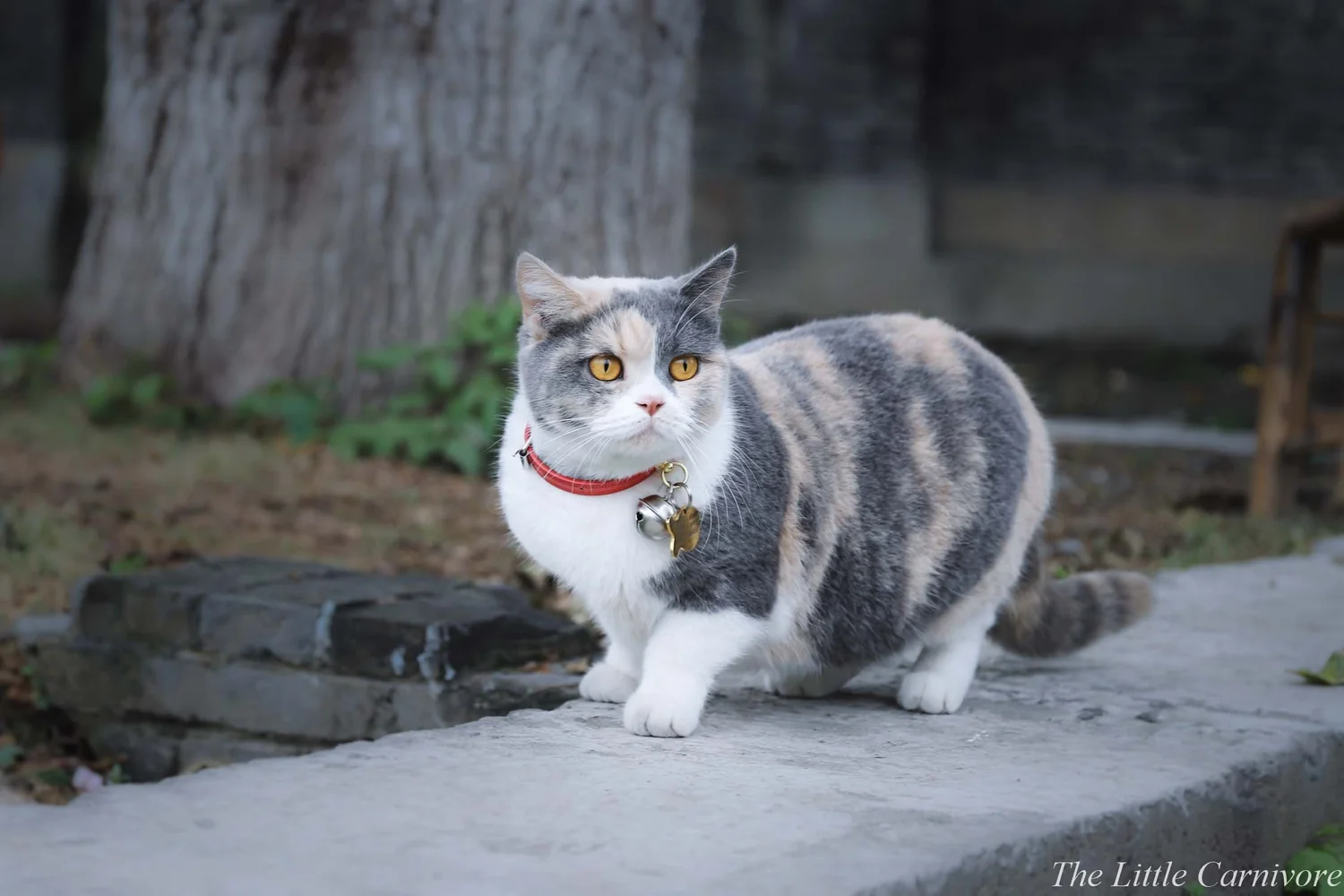
Have you ever wondered why breeding Munchkin cats might not be as harmless as it seems? If you’re thinking about getting one or simply love these tiny-legged felines, it’s important to understand the hidden problems behind their cute appearance.
What if your choice to support breeding could cause real harm to these cats? Keep reading, because what you don’t know could change the way you see Munchkin cats forever. This isn’t just about looks—it’s about their health, happiness, and future.

Credit: www.yahoo.com
Munchkin Cat Traits
Munchkin cats are known for their unique traits. Their most notable feature is their very short legs. These traits make them stand out but also raise concerns about their health and wellbeing. Understanding these traits helps explain why breeding Munchkin cats can be harmful.
Short Legs And Appearance
Munchkin cats have a genetic mutation causing short legs. Their legs are much shorter than typical cats. This gives them a distinct, almost dwarf-like look. Many find this appearance cute and charming.
Short legs affect how Munchkin cats move. They may have trouble jumping and running like other cats. This can lead to joint problems and arthritis as they age. The short legs put extra pressure on their spine and hips.
Breed Popularity
Munchkin cats became popular for their unusual look. Many people want them as pets because they seem playful and unique. This popularity leads to frequent breeding, which spreads genetic problems.
Breeders often focus on keeping short legs, ignoring health risks. High demand encourages breeding without proper care. This can increase the chance of inherited diseases in Munchkin cats.
Health Problems Linked To Breeding
Breeding Munchkin cats often causes serious health problems. Their unique short legs come from a genetic mutation. This mutation can lead to many physical issues. Breeders who focus on this trait risk the cat’s well-being. Understanding the health problems linked to breeding helps explain why this practice is harmful.
Spinal Issues And Arthritis
Munchkin cats often suffer from spinal problems. Their short legs put extra pressure on the spine. This pressure can cause spinal deformities and pain. Arthritis is common in these cats at a young age. Joint inflammation limits their movement and causes discomfort.
Mobility Challenges
Short legs reduce the cat’s ability to jump and run properly. These cats may struggle to climb or move quickly. Limited mobility affects their natural behavior. It also lowers their quality of life. Some Munchkin cats develop muscle weakness due to their short limbs.
Genetic Disorders
The gene that causes short legs can carry other risks. Breeding increases the chance of passing harmful genes. These genetic disorders may affect the heart, kidneys, or bones. Some kittens are born with deformities or health defects. Genetic problems often lead to a shorter lifespan for these cats.
Ethical Concerns In Breeding
Breeding Munchkin cats raises serious ethical concerns. These concerns focus on the health and well-being of the cats. The short legs of Munchkin cats result from a genetic mutation. Breeding to maintain this trait can cause harm. It is important to understand the risks involved in this selective breeding practice.
Animal Welfare Risks
Munchkin cats often face health problems. Their short legs can lead to spine and joint issues. These problems may cause pain and mobility difficulties. Some cats struggle with arthritis earlier in life. Breeding these cats knowingly puts their welfare at risk. Many animal experts oppose breeding that causes such health issues.
Selective Breeding Consequences
Selective breeding focuses on physical traits over health. This can reduce genetic diversity in the cat population. Limited genes increase the chance of inherited diseases. Breeders may ignore other important traits like temperament or overall health. This narrow focus can harm the long-term survival of the breed. Ethical breeding should prioritize the cat’s health and comfort.
Impact On Cat Behavior
The unique body shape of Munchkin cats changes how they behave. Their short legs limit many natural cat activities. These changes can affect their mood and daily habits. Understanding these effects helps explain why breeding Munchkin cats raises concerns.
Physical Limitations Affecting Activity
Munchkin cats have shorter legs than other cats. This limits their ability to jump and climb. They cannot reach high places easily. Playtime becomes less active and less varied. These physical limits reduce their exercise and exploration. Less activity may lead to weight gain and health issues.
Potential Stress And Anxiety
Being unable to move naturally causes frustration in Munchkin cats. They may feel anxious or stressed more often. Stress can show through hiding or aggression. These cats might struggle to interact normally with other pets. Stress affects their overall well-being and happiness.
Alternatives To Munchkin Breeding
Breeding Munchkin cats can cause health problems due to their short legs and spine issues. Choosing adoption or other cat breeds helps avoid these risks. It supports animal welfare and promotes healthier pets.
Breeding Munchkin cats can often lead to significant health issues for the cats, which is why many animal lovers are seeking alternatives. If you’re passionate about bringing a feline friend into your home, there are ethical and humane options to consider. These alternatives not only prevent further health issues but also contribute to the well-being of the broader cat community.Adopting Rescue Cats
Adopting a rescue cat is a wonderful alternative that saves lives. Shelters are filled with cats of all ages, colors, and personalities waiting for a loving home. By adopting, you’re giving these cats a second chance and reducing the demand for breeding practices that may harm animals. Rescue cats often come with their own unique stories. Imagine the joy of transforming a scared, timid cat into a happy, affectionate companion. Adoption can be a rewarding journey that brings out the best in both you and your new feline friend.Supporting Ethical Breeders
If you’re set on getting a specific breed, consider finding ethical breeders who prioritize the health and well-being of their cats. These breeders focus on maintaining the breed’s standards without compromising on the animals’ health. They ensure that their breeding practices do not lead to genetic defects or other health issues. Ask breeders about their breeding practices. Do they provide a nurturing environment for their cats? Do they perform health checks and offer transparency about the cats’ lineage? Supporting ethical breeders can help promote responsible pet ownership and discourage harmful breeding practices. Have you thought about how your choices impact the broader animal community? Opting for alternatives to Munchkin breeding could be your chance to make a positive difference.
Credit: purebredkitties.com
Legal And Regulatory Issues
Breeding Munchkin cats involves complex legal and regulatory challenges. Many regions have laws that restrict or ban breeding due to animal welfare concerns. These laws aim to protect cats from health problems linked to their short legs and genetic issues.
Understanding these legal rules is essential. Ignoring them can lead to heavy fines or legal trouble. Responsible breeders must stay informed about regulations in their area.
Breeding Restrictions
Several countries and states have specific bans on breeding Munchkin cats. These restrictions often come from worries about the cats’ spinal and joint health. Breeders may face:
- Licensing requirements
- Limits on the number of litters
- Prohibitions against breeding certain traits
Such rules prevent unethical practices and protect the cats’ well-being.
Animal Protection Laws
Animal protection laws play a key role in regulating Munchkin cat breeding. These laws ensure breeders provide proper care and avoid causing harm. Key points include:
- Mandates for veterinary check-ups
- Standards for living conditions
- Penalties for neglect or abuse
Following these laws helps stop breeding that harms the cats physically or mentally.

Credit: www.petbook-magazine.com
Frequently Asked Questions
Why Is Breeding Munchkin Cats Considered Harmful?
Breeding Munchkin cats can cause genetic health problems, including spinal issues and arthritis. These cats have short legs due to a genetic mutation, which can lead to mobility and pain concerns. Ethical breeders discourage breeding to avoid these welfare problems.
What Health Risks Do Munchkin Cats Face?
Munchkin cats often suffer from lordosis, scoliosis, and joint pain. Their short legs strain their spine and joints, resulting in chronic discomfort. These health risks reduce their quality of life and lifespan.
Are There Ethical Concerns With Munchkin Cat Breeding?
Yes, breeding Munchkin cats raises ethical concerns due to intentional propagation of harmful traits. It prioritizes appearance over animal welfare. Many animal rights groups oppose this breeding practice for causing preventable suffering.
Can Munchkin Cats Live A Normal Life Span?
Munchkin cats may have a shorter lifespan due to genetic issues. Their health complications can lead to a reduced quality of life and earlier mortality compared to other cats.
Conclusion
Breeding Munchkin cats causes many health problems. These cats often suffer joint pain and spinal issues. Choosing to breed them puts their well-being at risk. Many experts warn against this practice. Caring for cats means prioritizing their health and happiness.
Avoid supporting breeding that harms animals. Instead, consider adopting cats that need a home. Healthy cats live longer, happier lives. Think about the impact before encouraging harmful breeding. Every cat deserves a safe and loving life.




Leave a Reply