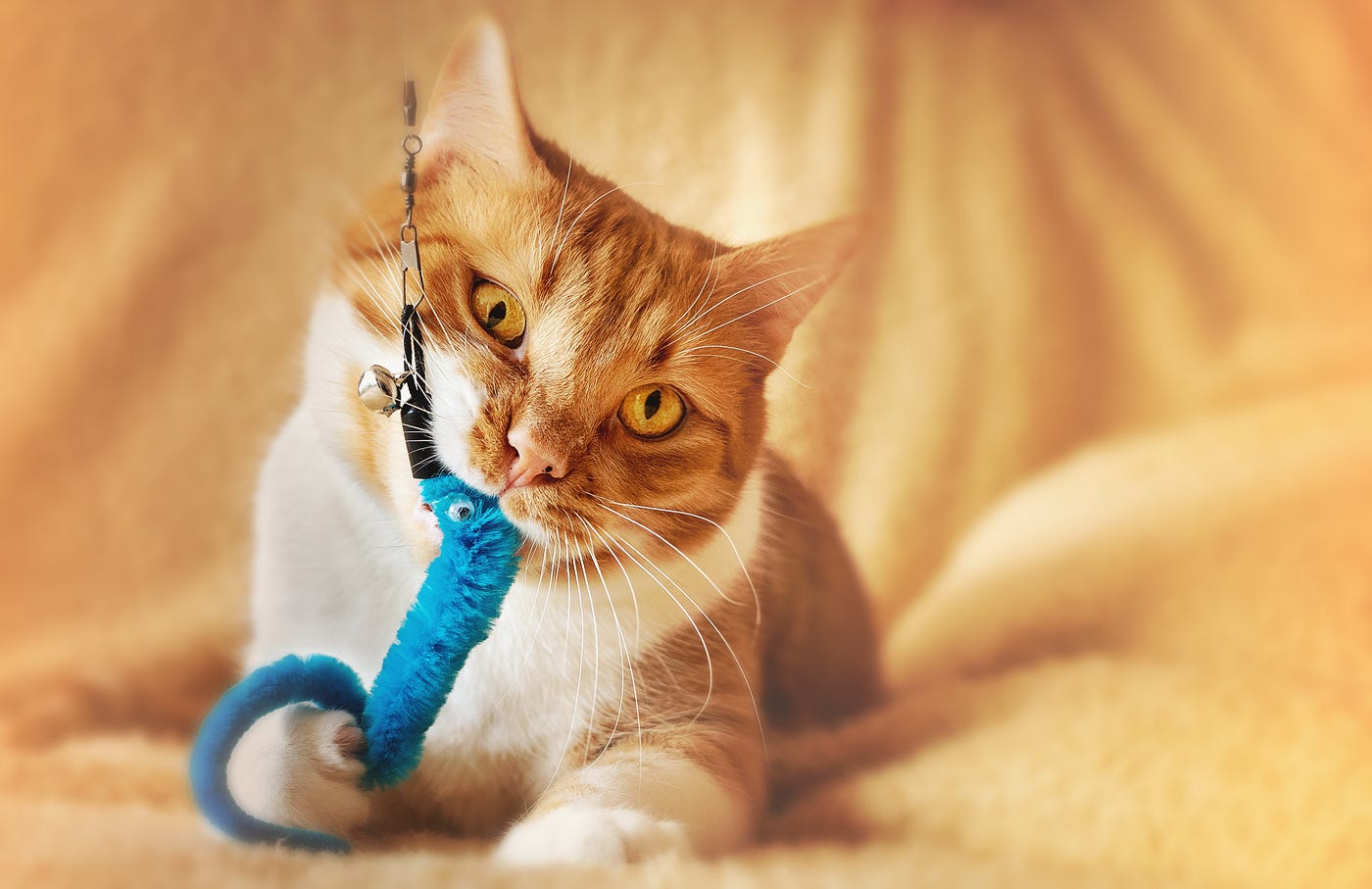
Have you ever wondered why your cat seems obsessed with one toy but ignores another? It’s not just a random choice—cats are naturally drawn to certain toys for very specific reasons.
Understanding what makes a toy irresistible to your furry friend can help you keep them entertained, active, and happy. You’ll discover the surprising factors that grab your cat’s attention and how you can use this knowledge to choose the perfect toys that your cat will love.
Ready to unlock the secret behind your cat’s favorite playthings? Let’s dive in!
Credit: loopara.com
Cat Play Instincts
Cats have natural instincts that drive their play behavior. Understanding these instincts helps you choose toys that truly capture their attention. When your cat pounces on a feather wand or chases a laser pointer, it’s not just fun—it’s instinct in action.
Hunting And Predatory Behavior
Play mimics hunting, a vital survival skill for cats. Your cat’s quick movements and sharp reflexes come alive during play sessions. Toys that resemble small animals or insects trigger this predatory behavior.
Think about the last time your cat stalked a toy mouse. You probably noticed how focused and alert they became, just like a real hunt. This is why toys that move unpredictably or can be “caught” are so appealing—they satisfy their desire to chase and capture prey.
Sensory Triggers In Toys
Cats rely heavily on their senses—especially sight, sound, and touch—when choosing toys. Toys that crinkle, sparkle, or have feathers tap into these sensory triggers. These features make the toy more engaging and harder to ignore.
Have you seen how a simple bell inside a ball can keep your cat entertained for hours? The sound stimulates their curiosity and encourages interaction. Similarly, textures like soft fur or rough edges invite your cat to bite, scratch, and explore.
Next time you pick a toy, watch which sensory elements your cat reacts to most. This insight helps you select toys that keep your cat active and mentally sharp.
Toy Features Cats Love
Understanding what features attract your cat to certain toys can help you choose playthings that keep them engaged and happy. Cats are natural hunters, and their instincts guide the way they interact with toys. When you pick toys that match these instincts, playtime becomes more exciting and satisfying for your furry friend.
Movement And Sound
Cats are instinctively drawn to toys that move unpredictably. Toys that wiggle, flutter, or roll mimic the behavior of prey, grabbing your cat’s attention instantly. Adding sound, like a soft rattle or a crinkle, can make toys even more irresistible.
Have you noticed how your cat pounces harder on a toy that squeaks or rustles? That sensory feedback keeps them curious and entertained longer. Try rotating toys with different movements and sounds to see which your cat prefers.
Texture And Size
The feel of a toy in your cat’s paws and mouth matters a lot. Soft plush toys appeal to cats who like to cuddle or carry their “prey,” while firmer textures satisfy those who enjoy biting and clawing. Size also plays a key role; toys should be small enough to bat around but large enough to avoid choking hazards.
Think about your cat’s play style. Does your cat prefer batting small balls or wrestling with bigger stuffed animals? Matching toy size and texture to your cat’s preferences can turn any toy into a favorite.
Scent And Material
Scent is a powerful attractor for cats. Toys infused with catnip or silvervine can trigger intense play sessions. Even the material itself can influence interest—natural fibers like cotton or sisal often appeal more than synthetic ones.
Have you ever noticed your cat returning repeatedly to a particular toy because it smells different? Experiment with scented toys and observe which materials your cat favors. This can guide you in choosing toys that keep your cat coming back for more fun.
Individual Cat Preferences
Every cat is unique, and their toy preferences reflect that individuality. Understanding what draws your cat to certain toys can help you choose the right ones that keep them happy and engaged. Let’s look closer at how age, personality, and past experiences shape these preferences.
Age And Activity Level
Kittens usually love toys that move quickly or make noise, satisfying their high energy and hunting instincts. Older cats might prefer softer, slower toys that don’t require as much chasing or jumping.
If your senior cat ignores a noisy mouse toy but eagerly bats at a feather wand, their age and energy level are influencing what they enjoy. Have you noticed how your cat’s play style changes as they grow?
Personality Differences
Some cats are natural hunters, preferring toys that mimic prey like small balls or laser pointers. Others are more laid-back and enjoy cuddly toys or puzzle feeders that challenge their mind rather than their body.
Your cat’s personality affects what excites them. A shy cat might avoid loud toys but enjoy gentle, interactive play. Do you tailor playtime to your cat’s mood and temperament?
Past Experiences
Cats remember what worked or didn’t work for them before. A toy that caused frustration or fear might be avoided, while one associated with positive experiences becomes a favorite.
Think about your cat’s history—have they had toys that sparked joy or anxiety? Learning from their reactions helps you pick toys they actually want to play with, not just ones you think they should.

Credit: www.purina.com
Benefits Of Play
Play is more than just fun for cats; it’s essential for their overall well-being. Engaging with toys helps cats stay active, sharp, and emotionally balanced. Understanding the benefits of play can help you choose the right toys to keep your feline friend happy and healthy.
Physical Health
Playing with toys encourages your cat to move and exercise regularly. Activities like chasing, pouncing, and batting at toys help maintain a healthy weight and improve muscle tone.
Regular play can reduce the risk of obesity and related health issues. Have you noticed how a simple feather wand can turn your cat into a mini athlete?
Mental Stimulation
Play challenges your cat’s mind by mimicking hunting behaviors. Toys that move or make noise keep your cat curious and engaged.
Mental stimulation prevents boredom and destructive behavior. What kind of toys does your cat prefer—puzzles, laser pointers, or interactive balls?
Bonding With Owners
Playing together strengthens the connection between you and your cat. It builds trust and provides positive shared experiences.
Spend a few minutes daily playing with your cat to deepen your relationship. Have you tried using playtime to calm your cat during stressful moments?
Choosing The Right Toy
Cats often choose toys that mimic the movement or texture of prey. Their natural hunting instincts make certain toys more exciting and engaging to them. Scent, size, and sound also play a big role in what catches a cat’s interest.
Choosing the Right Toy Cats are mysterious creatures with unique preferences, especially when it comes to their toys. Picking the right toy can make a world of difference in keeping your furry friend engaged and happy. So, how do you choose the perfect plaything for your feline companion?Matching Play Style
Consider your cat’s play style. Does your cat prefer chasing, pouncing, or batting? Some cats are natural hunters who will love toys that mimic prey, like feather wands or laser pointers. Others might enjoy toys that they can bat around, such as balls or small plush toys. Observing your cat’s behavior can provide valuable insights into what will captivate their attention.Safety Considerations
Safety should be a top priority when selecting toys. Ensure that the toys are made of non-toxic materials and have no small parts that can be swallowed. Avoid toys with strings or ribbons that could pose a choking hazard. Always supervise your cat during playtime to ensure their safety. Have you checked if your cat’s favorite toy is safe for unsupervised play?Rotating Toys
Cats can quickly lose interest if they play with the same toy every day. To keep their curiosity piqued, rotate their toys regularly. You can introduce a new toy or bring back an old favorite to reignite their interest. This not only keeps playtime exciting but also stimulates their mind. How often do you switch up your cat’s toys to keep them engaged?
Credit: icatcare.org
Frequently Asked Questions
Why Do Cats Prefer Certain Toys Over Others?
Cats prefer toys that mimic prey movement or texture. Toys with feathers, strings, or small size trigger their hunting instincts. These features keep cats engaged and entertained, satisfying their natural curiosity and playfulness.
How Do Toy Textures Attract Cats?
Cats are drawn to toys with varied textures like soft feathers or rough fabric. These textures simulate prey, making playtime more stimulating and enjoyable. Texture variety helps keep a cat’s interest and encourages active play.
Can Scent Influence A Cat’s Toy Preference?
Yes, certain scents like catnip or valerian root attract cats to toys. These scents stimulate their senses and encourage playful behavior. Scented toys often become favorites, increasing a cat’s interaction and exercise.
Does Toy Movement Affect A Cat’s Interest?
Movement plays a crucial role in attracting cats to toys. Toys that mimic erratic or fast prey movements engage their natural hunting instincts. Moving toys keep cats mentally and physically stimulated for longer periods.
Conclusion
Cats love certain toys because they match their natural instincts. Toys that move or make noise catch their attention quickly. They enjoy hunting, chasing, and pouncing on these objects. Playing helps cats stay active and happy. Choosing the right toys can keep your cat entertained for hours.
Understanding what attracts your cat makes playtime more fun. Every cat is different, so observe which toys they prefer. Giving them toys they enjoy supports their health and well-being. Simple toys can bring big joy to your furry friend.

Leave a Reply