You love your cat and want to keep their favorite cloth toy clean and safe. But you might be wondering, should you wash it?
What’s the best way to do it without ruining the toy or upsetting your furry friend? If you’ve ever hesitated or felt unsure about this, you’re not alone. You’ll discover simple answers and practical tips to keep your cat’s cloth toy fresh, safe, and ready for endless playtime.
Keep reading—you’ll be glad you did!

Credit: www.reddit.com
Reasons To Wash Cat Toys
Keeping your cat’s cloth toys clean is more important than you might think. These toys often get tossed around, chewed, and dragged through various spots in your home. Washing them regularly helps maintain a safe and enjoyable playtime for your feline friend.
Hygiene And Health Benefits
Your cat’s cloth toys can harbor dirt, saliva, and even tiny parasites. Cleaning these toys reduces the risk of infections and skin irritations. Have you noticed your cat scratching more after playing? Dirty toys might be the hidden culprit.
Removing Dirt And Allergens
Toys pick up dust, pollen, and other allergens that can affect both you and your cat. Washing removes these irritants, making the environment healthier. If your cat sneezes or seems uncomfortable, consider how clean their toys are.
Preventing Bacterial Growth
Moisture and saliva create the perfect conditions for bacteria to grow on cloth toys. Left unchecked, these bacteria can cause unpleasant odors and even illness. Regular washing stops this growth and keeps toys fresh and safe for your cat’s playful moments.

Credit: www.amazon.com
How Often To Wash Cloth Toys
Knowing how often to wash your cat’s cloth toys is important for keeping your furry friend healthy and happy. These toys can collect dirt, saliva, and even germs over time, so regular cleaning is necessary. But how do you decide when it’s time to wash them?
Factors Influencing Cleaning Frequency
Several factors affect how often you should clean your cat’s cloth toys. If your cat plays with the toy daily, it will need washing more frequently—usually every one to two weeks.
Consider the environment too. Toys left outside or on the floor collect more dust and bacteria. Also, if your cat has allergies or a sensitive nose, cleaning more often can prevent irritation.
Think about the type of toy. Toys filled with catnip may need washing sooner because catnip can make them smell stronger and attract dirt. On the other hand, simpler cloth toys without stuffing might stay cleaner longer.
Signs Your Cat’s Toy Needs Washing
Watch for clear signs that your cat’s cloth toy needs a wash. If you notice a bad smell or visible dirt, it’s time to clean it. Sticky or damp spots are also a red flag, as moisture encourages bacteria growth.
Has your cat lost interest in the toy? Sometimes, toys that smell unpleasant or feel grimy can turn them off. Washing the toy can refresh it and bring back your cat’s enthusiasm.
Check for wear and tear as well. If the toy is falling apart or stuffing is coming out, washing might not be enough—consider replacing it instead. Safety should always come first.
Safe Washing Methods
Keeping your cat’s cloth toy clean is crucial for your pet’s health and happiness. However, washing these toys requires care to avoid damage and maintain their softness. Safe washing methods help you protect the toy’s fabric and any internal elements while removing dirt and germs effectively.
Hand Washing Tips
Hand washing is gentle and gives you control over the cleaning process. Use lukewarm water and mild soap to avoid harsh chemicals that could irritate your cat’s skin.
Gently scrub the toy with your hands or a soft brush, focusing on stained or dirty areas. Rinse thoroughly to ensure no soap residue remains, as this can be harmful if ingested.
After washing, press the toy between towels to remove excess water and let it air dry completely. Avoid wringing, which can deform the toy.
Machine Washing Guidelines
If your cat’s toy is machine washable, place it inside a pillowcase or laundry bag to protect it during the cycle. Use a gentle or delicate cycle with cold water to minimize wear and tear.
Select a mild detergent free from strong fragrances or dyes. Avoid using bleach or fabric softeners since they can leave harmful residues.
Check the toy after washing to ensure no parts are loose or damaged. Air dry the toy instead of using a dryer to prevent shrinking or fabric damage.
Recommended Cleaning Products
- Mild Dish Soap:Effective for removing dirt without harsh chemicals.
- Pet-Safe Laundry Detergent:Specifically designed for animal items, minimizing allergic reactions.
- Baking Soda:Use a small amount for deodorizing and gentle cleaning.
- White Vinegar:A natural disinfectant that can be added to rinse water to eliminate odors.
Have you checked the label on your cat’s toy before choosing a cleaning product? Always test a small area first to avoid unexpected damage or discoloration.
Drying And Maintenance
Keeping your cat’s cloth toys clean and in good shape is essential for your pet’s health and happiness. Drying and maintenance play a big role in making sure toys last longer and stay safe. How you dry and check the toys can make a difference between a fresh plaything and a potential hazard.
Proper Drying Techniques
After washing your cat’s cloth toys, drying them thoroughly is key. Avoid leaving toys damp as this can lead to mold or mildew, which is harmful to your cat.
Air drying is usually best. Lay the toy flat in a well-ventilated area or hang it up where it can dry evenly. If you use a dryer, choose a low heat setting to prevent shrinking or damage.
Have you noticed how some toys get stiff or rough after drying? That’s a sign heat might be too high or the fabric isn’t suited for machine drying.
Inspecting For Damage
Regularly check your cat’s toys for tears, loose threads, or stuffing coming out. These small issues can quickly become choking hazards or cause your cat to swallow harmful materials.
Look closely at seams and any attached parts like buttons or bells. If you find damage, repair it if possible or set the toy aside.
It’s easy to overlook minor damage until it becomes a problem. How often do you really take a close look at your cat’s favorite playthings?
When To Replace Toys
Not all toys can be saved with a wash or a stitch. If a toy is falling apart or has persistent odors, it’s time to replace it.
Consider your cat’s safety first. A toy that looks worn out may be tempting but could cause injury or illness.
Keeping a rotation of clean, intact toys can keep your cat engaged and safe. What signs tell you it’s time to toss an old toy?
Additional Toy Care Tips
Cleaning your cat’s cloth toy helps keep it safe and fresh. Use gentle soap and cold water to avoid damage. Let it air dry completely before giving it back to your cat.
Keeping your cat’s cloth toys clean and well-maintained is essential for their health and enjoyment. But cleaning is just one part of the equation. Proper toy care ensures that your furry friend stays engaged and safe. Here are some additional toy care tips to help you keep those kitty playthings in top shape.Storing Toys Properly
To prolong the life of your cat’s toys, store them in a dry, cool place. This prevents mold and bacteria from developing, which can happen in damp or warm environments. Consider using a basket or a dedicated toy box to keep everything organized and easy to find. You might be surprised how much your cat appreciates a tidy toy collection. It makes it easier for them to pick out their favorites. Plus, having a specific spot for toys helps you keep track of what needs cleaning or replacing.Rotating Toys For Freshness
Ever notice how your cat loses interest in their toys after a while? Rotating them can renew their excitement. Keep a few toys out and store the rest, swapping them every week or so. This simple trick keeps playtime interesting and prevents boredom. It’s like getting a brand-new toy without spending a dime! Just think about how thrilled you feel when you rediscover something you haven’t used in a while. By taking these small steps, you enhance your cat’s playtime experience and ensure their toys are safe and enjoyable. Why not give these tips a try and see how your cat responds?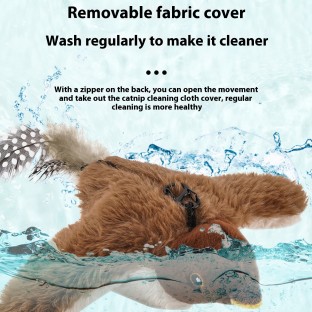
Credit: www.gifttree.co.nz
Frequently Asked Questions
How Often Should I Wash My Cat’s Cloth Toy?
Wash your cat’s cloth toy every 1 to 2 weeks. Frequent washing removes dirt, saliva, and bacteria. This keeps the toy safe and hygienic for your cat.
Can Washing Damage My Cat’s Cloth Toy?
Washing can damage delicate toys if done improperly. Use gentle cycles and mild detergent. Air dry to maintain the toy’s shape and texture.
What Is The Best Method To Clean Cloth Cat Toys?
Hand wash with warm water and mild soap for best results. Avoid harsh chemicals and hot water. This ensures the toy remains safe and intact.
Is It Safe To Use Detergent On Cat Toys?
Use pet-safe, fragrance-free detergents only. Harsh chemicals may irritate your cat’s skin or cause allergies. Rinse thoroughly to remove all soap residues.
Conclusion
Keeping your cat’s cloth toy clean helps protect your pet’s health. Regular washing removes dirt, germs, and bad smells. Use gentle soap and cold water to avoid damage. Let the toy dry completely before giving it back. Clean toys last longer and stay safe for play.
A fresh toy keeps your cat happy and active. Small efforts make a big difference in pet care. Always check for wear and replace when needed. Clean toys mean a healthy, playful cat every day.

Leave a Reply