
If you care about your cat’s health, choosing the right urinary tract health cat food is crucial. You want to keep your furry friend comfortable and free from painful urinary issues.
But with so many options out there, how do you know which one truly works best? This guide will help you understand what to look for and find the perfect food to support your cat’s urinary health. Keep reading, because your cat’s well-being depends on making the right choice.
Why Urinary Health Matters
Maintaining your cat’s urinary health is crucial for their overall well-being. Urinary problems can cause serious discomfort and lead to more severe health issues if left untreated. Paying attention to your cat’s diet and recognizing early signs can prevent costly vet visits and keep your feline friend happy and active.
Common Urinary Issues In Cats
Urinary tract problems are common in cats, especially as they age. Some of the most frequent issues include:
- Urinary Tract Infections (UTIs):Bacteria cause painful infections that make urination difficult.
- Feline Lower Urinary Tract Disease (FLUTD):A group of conditions affecting the bladder and urethra, often causing inflammation and blockage.
- Urinary Crystals and Stones:These form when minerals in the urine solidify, sometimes blocking urine flow.
Each of these conditions requires different care, but all can be helped by proper diet and hydration. Have you noticed your cat struggling to go to the litter box or licking their genital area more than usual? These might be signs of trouble.
Signs Your Cat Needs Special Care
You know your cat best, so trust your instincts if something seems off. Watch for these signs that indicate your cat may need a urinary health-focused diet or vet attention:
- Frequent attempts to urinate but passing only small amounts
- Blood in the urine or cloudy urine appearance
- Excessive licking of the genital area
- Sudden accidents outside the litter box
- Signs of pain like crying or hiding
Ignoring these signs can lead to dangerous blockages, especially in male cats. Have you ever felt helpless watching your pet in discomfort? Adjusting their food can make a real difference before things get worse.
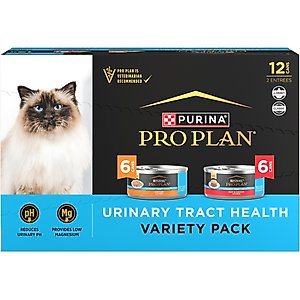
Credit: www.chewy.com
Key Ingredients To Look For
Choosing the right cat food for urinary tract health involves paying close attention to its ingredients. The right nutrients support bladder function and reduce the risk of urinary problems. Avoiding harmful substances also plays a key role in keeping your cat healthy.
Essential Nutrients For Urinary Health
- Low Magnesium:Helps prevent the formation of urinary crystals.
- Controlled Phosphorus:Supports kidney and urinary tract health.
- High Moisture Content:Encourages hydration and flushes the urinary system.
- DL-Methionine:Acidifies urine to reduce crystal formation.
- Taurine:An essential amino acid that supports overall health.
- Omega-3 Fatty Acids:Reduce inflammation in the urinary tract.
Ingredients To Avoid
- Excessive Magnesium:Raises the risk of urinary crystals and stones.
- Artificial Colors and Flavors:Can irritate the bladder and cause allergies.
- High Carbohydrate Levels:May contribute to obesity and worsen urinary issues.
- Excess Salt:Can cause dehydration and stress the kidneys.
- Fillers like Corn, Wheat, and Soy:Offer little nutritional value and may cause allergies.
Top Cat Food Brands For Urinary Health
Choosing the right cat food for urinary health can make a significant difference in your feline’s well-being. Certain brands focus on formulas that help maintain a healthy urinary tract by balancing minerals, promoting hydration, and preventing crystal formation. Knowing which brands deliver quality and effective ingredients helps you support your cat’s health without guesswork.
Premium Choices
Premium cat food brands often use high-quality ingredients tailored to support urinary health. These foods typically contain controlled levels of magnesium, phosphorus, and calcium, which are crucial for reducing the risk of urinary crystals and stones.
Brands like Hill’s Prescription Diet c/d Multicare and Royal Canin Urinary SO are popular among vets. They include clinically tested formulas that promote a healthy urinary environment. Plus, these brands often add antioxidants and omega fatty acids to support overall wellbeing.
Have you noticed how some premium foods encourage your cat to drink more water? This hydration boost is key in flushing the urinary tract and avoiding blockages.
Budget-friendly Options
If you want to care for your cat’s urinary health without stretching your budget, there are reliable options available. Some brands offer affordable formulas with balanced minerals and added moisture to help maintain urinary tract health.
Look at options like Purina ONE Urinary Tract Health or Blue Buffalo Natural Veterinary Diet W+U. These choices give you a blend of quality and value, making it easier to keep your cat’s urinary system in check every day.
Remember, consistent feeding of appropriate food often matters more than the price. Would you rather spend a little more now or face costly vet visits later?
Wet Vs Dry Cat Food For Urinary Care
Choosing between wet and dry cat food affects urinary health differently. Wet food helps increase water intake, supporting bladder function. Dry food often promotes dental health but may lack moisture needed for urinary care.
Choosing the right cat food for urinary tract health can be a bit of a puzzle. Wet and dry cat foods both have their place, but which is better for urinary care? Understanding the benefits and drawbacks of each can help you make an informed decision for your feline friend. Wet cat food often emerges as a popular choice for supporting urinary tract health. Its high moisture content can help keep your cat hydrated, which is crucial for maintaining a healthy urinary tract. Since cats are naturally low water drinkers, wet food can be a practical way to increase their water intake. Imagine how beneficial this could be if your cat isn’t fond of drinking from their water bowl.Benefits Of Wet Food
Wet food’s soft texture is not only easy to eat but also ideal for cats with dental issues. The added moisture can dilute urine, reducing the risk of crystal and stone formation. This could mean fewer trips to the vet and a happier, healthier cat. Moreover, wet food often contains higher protein levels, which is essential for your cat’s overall health. You might notice your cat becoming more energetic and content when their diet is rich in high-quality proteins.Pros And Cons Of Dry Food
Dry cat food, on the other hand, has its own set of advantages. It’s generally more convenient to store and serve, and can be more cost-effective in the long run. The crunchy texture can also help with dental health by reducing plaque buildup. However, it’s important to be aware of its lower moisture content. This means you’ll need to encourage your cat to drink more water to maintain a healthy urinary tract. Have you considered using a water fountain? Many cats find flowing water more appealing than still water, which can help increase their fluid intake. Ultimately, the choice between wet and dry food depends on your cat’s specific needs and preferences. What works for one cat might not work for another, so observing your cat’s behavior and health is key. By offering a balanced diet and paying attention to their hydration, you can support your cat’s urinary tract health effectively.Special Formulas For Different Needs
Special formulas for urinary tract health cat food meet unique needs. Cats of different ages and conditions require tailored nutrition. These diets support urinary health while addressing other health concerns. Choosing the right formula helps maintain your cat’s wellbeing and comfort.
Age-specific Foods
Kittens, adults, and senior cats have different nutritional needs. Urinary tract health formulas reflect these differences. Kitten formulas support growth and urinary health with balanced minerals. Adult cat foods maintain urinary tract function and overall health. Senior cat diets focus on gentle nutrition and urinary support. These age-specific options help protect the urinary system throughout life stages.
Weight Management And Urinary Health
Obesity increases the risk of urinary problems in cats. Special diets combine weight control with urinary health support. These formulas have reduced calories and balanced minerals. They help cats lose excess weight safely. Maintaining a healthy weight lowers the chance of urinary tract issues. This dual approach improves your cat’s quality of life and long-term health.
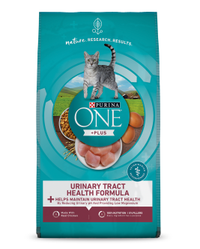
Credit: www.purina.com
Tips For Transitioning To Urinary Health Food
Switching your cat to a urinary tract health food requires patience and care. Sudden changes can upset their stomach or cause them to reject the new food altogether. Paying attention to how you introduce the new diet will make the transition smoother for both you and your feline friend.
Gradual Switch Strategies
Start by mixing a small amount of the urinary health food with your cat’s current food. A good rule is to begin with 25% new food and 75% old food for the first few days.
Slowly increase the proportion of the new food every 3 to 4 days until your cat is eating only the urinary health formula. This gradual change helps avoid digestive upset and gives your cat time to adjust to new flavors and textures.
Keep mealtime consistent and avoid adding extra treats during this period. This helps your cat focus on the new diet without confusing their palate.
Monitoring Your Cat’s Response
Watch for any signs of discomfort or refusal to eat. If your cat shows reluctance, slow down the transition process and stick to a lower ratio of the new food for a few more days.
Notice changes in your cat’s litter box habits and urine output. Urinary health food often helps reduce crystals and inflammation, but if you see any signs of distress or unusual symptoms, consult your vet promptly.
Ask yourself: is your cat eating well and staying hydrated? These are key indicators that the new food is working and your cat is adapting.
Additional Ways To Support Urinary Health
Supporting your cat’s urinary health involves more than choosing the right food. Daily habits and care also play a big role. Simple actions can help keep their urinary tract healthy and comfortable. These extra steps work well alongside special cat food formulas.
Hydration And Water Intake
Water is key to good urinary health. Cats often do not drink enough water. This can lead to concentrated urine and bladder problems. Make fresh water available all day. Use multiple bowls placed around the house. Some cats prefer running water from a pet fountain. Wet cat food can also increase water intake. More water helps flush the urinary tract and prevent crystals.
Regular Vet Checkups
Routine vet visits catch urinary issues early. Many urinary problems show few signs at first. Your vet can perform urine tests to spot infections or crystals. Regular exams help adjust diet and treatment plans. Early care reduces the risk of serious problems. Keep a schedule for vet visits and follow their advice closely.

Credit: www.amazon.com
Frequently Asked Questions
What Ingredients Support Urinary Tract Health In Cat Food?
Ingredients like cranberries, omega-3 fatty acids, and controlled minerals help support urinary tract health. These components reduce inflammation and prevent crystal formation, promoting overall urinary system wellness in cats.
How Does Urinary Tract Health Cat Food Prevent Infections?
Specialized cat food lowers urine pH and controls mineral levels. This environment discourages bacterial growth and crystal buildup, reducing the risk of urinary tract infections in cats.
Can All Cats Benefit From Urinary Tract Health Cat Food?
Not all cats need urinary tract health formulas. They are best for cats prone to urinary issues or diagnosed with urinary tract diseases. Consult a vet before switching to specialized diets.
How To Choose The Best Urinary Tract Health Cat Food?
Look for veterinary-approved formulas with balanced minerals and natural ingredients. Check for positive reviews and consult your vet to ensure the food meets your cat’s specific urinary health needs.
Conclusion
Choosing the best urinary tract health cat food helps keep cats happy and healthy. Cats need food that supports their bladder and kidney health. Good nutrition reduces risks of urinary problems. Always check ingredients and talk to your vet before buying.
Feeding the right food can prevent pain and costly vet visits. Healthy cats live longer and feel better every day. Careful choices matter for your cat’s well-being. Simple steps make a big difference in urinary tract health. Keep your cat’s diet balanced and safe.



Leave a Reply