
Are you wondering if your adult cat can eat wet food? You want the best for your furry friend, but with so many options out there, it’s easy to feel confused.
Wet food might seem like a tasty treat, but is it really good for your cat’s health? Keep reading to discover the truth about wet food for adult cats, and learn how to make the right choice that keeps your pet happy and healthy every day.

Credit: ziggyfamily.com
Benefits Of Wet Food
Wet food offers many benefits for adult cats. It helps keep them healthy and happy. Choosing wet food can improve your cat’s daily diet in several ways. Here are some key advantages of feeding wet food to adult cats.
Hydration Support
Wet food contains a high water content that helps keep cats hydrated. Cats often do not drink enough water on their own. The moisture in wet food supplements their water intake. This supports kidney health and overall body function. Proper hydration reduces the risk of urinary problems in cats.
Enhanced Palatability
Wet food has a stronger aroma and taste than dry food. This makes it more appealing to picky eaters. Cats with reduced appetite often prefer wet food. Its soft texture is easier to chew, especially for older cats. This encourages cats to eat more regularly and maintain a healthy weight.
Nutrient Density
Wet food is rich in essential nutrients packed in every bite. It often contains higher protein levels that cats need. The balanced vitamins and minerals support muscle and immune health. Wet food usually has fewer carbohydrates, matching a cat’s natural diet better. This nutrient profile helps keep cats fit and active.
Nutritional Needs Of Adult Cats
Understanding the nutritional needs of adult cats is essential when deciding if wet food is a good choice for your feline friend. Adult cats have specific dietary requirements that help maintain their health, energy, and overall well-being. Meeting these needs ensures your cat stays active and happy for years to come.
Protein Requirements
Cats are obligate carnivores, meaning they need a diet high in animal protein to thrive. Protein provides the amino acids necessary for muscle maintenance, immune function, and tissue repair.
Wet food often contains higher levels of quality protein compared to dry food, making it a strong candidate for adult cats. Have you checked the protein content on your cat’s wet food label? Aim for at least 30-40% protein for adult cats.
Fat And Carbohydrates
Fat is a vital energy source for cats and supports healthy skin and coat. Wet food usually contains moderate fat levels, which helps maintain energy without causing weight gain.
Carbohydrates are less important for cats and should be kept low. Many wet foods have fewer carbs than dry food, aligning better with your cat’s natural diet. Look for wet foods with minimal fillers like corn or wheat.
Vitamins And Minerals
Essential vitamins and minerals keep your cat’s body running smoothly. Nutrients like taurine, vitamin A, calcium, and phosphorus are crucial for heart health, vision, and bone strength.
Wet food often includes these nutrients in balanced amounts. Check labels to ensure the food meets AAFCO standards for adult cat nutrition, so your cat gets everything needed in every meal.
Choosing Quality Wet Food
Choosing quality wet food for adult cats is important for their health and happiness. Good wet food provides moisture and essential nutrients. It supports digestion and keeps cats hydrated. Selecting the right product needs attention to details on the label and the brand’s trustworthiness.
Reading Ingredient Labels
Check the first ingredients. Real meat or fish should be at the top. Avoid vague terms like “meat by-products” or “animal digest.”
Look for balanced protein, fats, and carbohydrates. Cats need high protein and moderate fat. Carbs should be low.
Ensure the food contains essential vitamins and minerals. Taurine, an amino acid, is vital for cats.
Avoiding Harmful Additives
Stay away from artificial colors and flavors. These add no nutrition and may cause allergies.
Avoid preservatives like BHA, BHT, and ethoxyquin. These chemicals can be harmful over time.
Choose products without added sugar or excessive salt. They can lead to health problems.
Brand Reputation
Pick brands with positive reviews from pet owners and vets. Their products are often tested for safety.
Brands that share ingredient sourcing and manufacturing details show transparency.
Look for companies that follow strict quality controls and regular recalls. It ensures better product safety.
Feeding Guidelines For Wet Food
Feeding adult cats wet food requires careful planning. This ensures they receive proper nutrition. Understanding the feeding guidelines is essential for your cat’s health.
Portion Control
Portion control is crucial for maintaining a healthy weight. Cats need specific portions based on their weight and activity level. Consult with your vet to find the right amount. Overfeeding can lead to obesity, which causes health issues. Use a measuring cup to serve the exact portion.
Feeding Frequency
Wet food should be given in small, frequent meals. This mimics a cat’s natural hunting and eating pattern. Divide the daily portion into two or three meals. This helps in digestion and keeps your cat satisfied throughout the day.
Combining Wet And Dry Food
Mixing wet and dry food offers a balanced diet. Wet food provides moisture, while dry food supports dental health. Introduce this combination gradually to avoid digestive issues. Monitor your cat’s response to find the right balance.
Common Concerns With Wet Food
Wet food is a popular choice for many cat owners, but it comes with its own set of concerns. Understanding these issues can help you make better decisions for your cat’s health. Let’s dive into some common worries you might have about feeding wet food to your adult cat.
Risk Of Overfeeding
Wet food often looks more appealing to cats, which can lead to overfeeding. Since it contains more moisture, you might think it’s less calorie-dense, but many wet foods still have high calorie content.
Have you noticed your cat finishing a can quickly and begging for more? That’s a sign you need to measure portions carefully. Overfeeding can lead to weight gain and health problems like diabetes.
To avoid this, always check the feeding guidelines on the label and adjust based on your cat’s activity and weight. Using a kitchen scale can help you serve the right amount every time.
Storage And Freshness
Once opened, wet food can spoil quickly if not stored properly. Leaving it out for too long allows bacteria to grow, which can upset your cat’s stomach or cause more serious illness.
Storing wet food in an airtight container inside the fridge is a good practice. Try to finish the opened portion within 24 hours to keep it fresh and safe.
Have you ever noticed your cat sniffing and then walking away from wet food? That could be a sign the food isn’t fresh anymore. Always trust your cat’s instincts and check the food before serving.
Potential Allergies
Some cats can develop allergies or sensitivities to ingredients in wet food. Common culprits include beef, dairy, or certain grains.
If your cat starts scratching more, has red skin, or experiences vomiting after switching to wet food, it might be an allergy. Keeping a food diary can help you track which ingredients cause reactions.
Consult your vet if you suspect allergies. They can recommend hypoallergenic wet food options that suit your cat’s needs without causing discomfort.
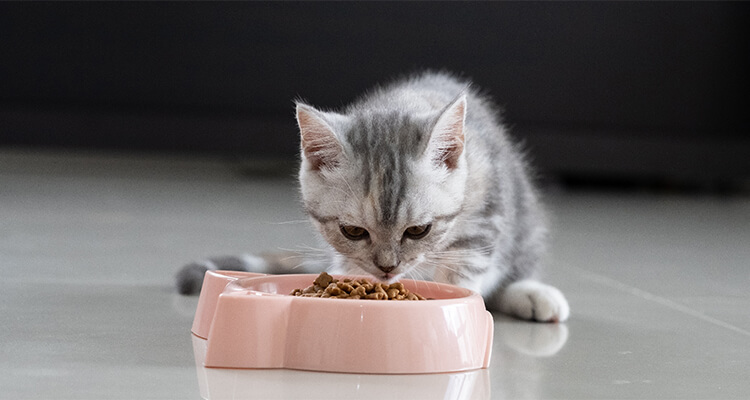
Credit: www.whiskas.co.uk
Signs Of A Healthy Diet
Recognizing signs of a healthy diet in adult cats helps ensure their well-being. A balanced diet supports overall health and vitality. Observing specific indicators lets you know if your cat thrives on wet food.
Coat Condition
A shiny, smooth coat shows good nutrition. Cats with dull or flaky fur may lack essential nutrients. Wet food often provides moisture and proteins that improve coat health. Healthy skin and fur reflect a balanced diet rich in vitamins and fats.
Energy Levels
Active, playful behavior signals proper energy intake. Cats with low energy might not get enough calories or nutrients. Wet food offers hydration and nutrients that help maintain stamina. Watch for consistent activity as a sign of good health.
Weight Management
Maintaining a stable, healthy weight is crucial. Overweight or underweight cats might need diet adjustments. Wet food can aid in weight control by providing moisture and fewer calories per serving. Monitor your cat’s weight regularly for best results.
When To Consult A Veterinarian
Knowing when to consult a veterinarian is important for your cat’s health. Wet food can be great for adult cats, but sometimes expert advice is needed. Changes in eating habits or health can signal the need for a vet’s help.
Dietary Changes
Sudden changes in your cat’s appetite or weight are warning signs. If your cat refuses wet food or shows dislike, check with a vet. A vet can guide you on the right diet plan for your cat’s needs.
Health Issues
Illness can affect your cat’s eating habits. Vomiting, diarrhea, or lethargy after eating wet food needs veterinary attention. A vet can diagnose and treat health problems linked to diet.
Special Dietary Needs
Some cats have allergies or medical conditions. These require special diets prescribed by a vet. Always consult a vet before introducing wet food for cats with health issues.
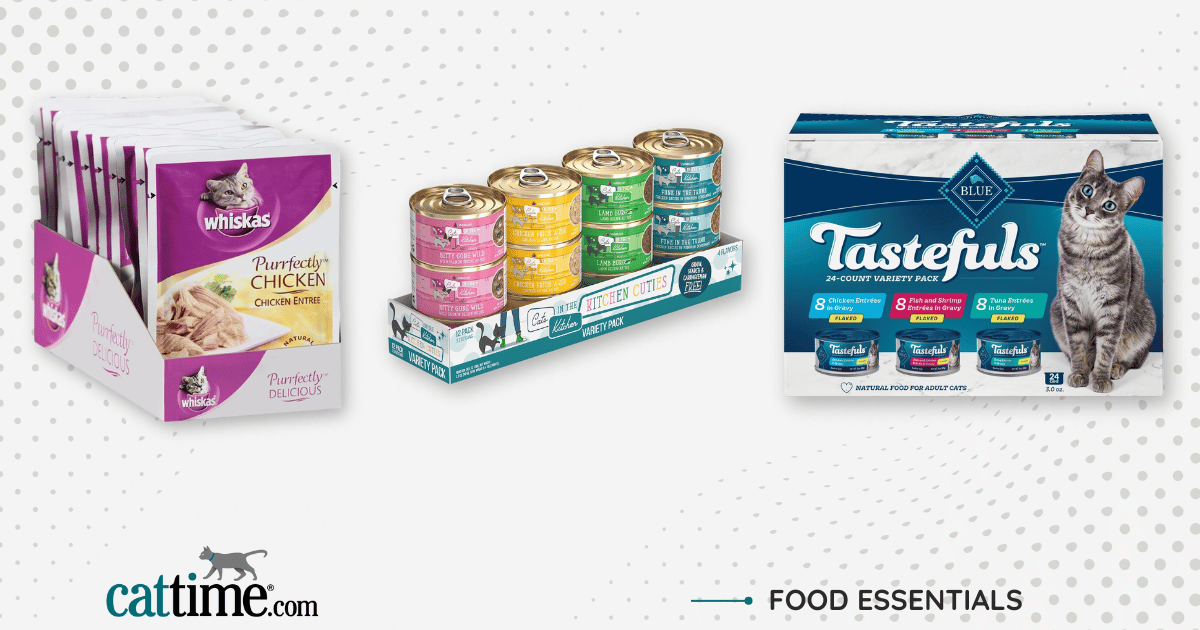
Credit: cattime.com
Frequently Asked Questions
Can Adult Cats Eat Only Wet Food?
Yes, adult cats can eat only wet food. Wet food provides hydration and essential nutrients. It supports urinary health and is easier to digest for some cats. Ensure the wet food is complete and balanced for adult cats’ dietary needs.
Is Wet Food Better Than Dry Food For Cats?
Wet food contains more moisture, which helps hydration. It usually has higher protein and fewer carbohydrates than dry food. Wet food can prevent urinary issues and aid digestion. However, a balanced diet may include both wet and dry food for variety.
How Often Should Adult Cats Eat Wet Food?
Adult cats can eat wet food once or twice daily. Feeding frequency depends on the cat’s health, age, and preference. Divide the daily portion into smaller meals to avoid overeating and maintain a healthy weight.
Can Wet Food Cause Dental Problems In Cats?
Wet food is softer and less abrasive than dry food. It doesn’t clean teeth as dry food does, which may increase plaque buildup. Regular dental care and vet check-ups are important to maintain oral health in cats eating wet food.
Conclusion
Adult cats can enjoy wet food as part of their diet. It helps keep them hydrated and supports healthy kidneys. Wet food often has more protein, which cats need to stay strong. Choose good quality options without too many fillers or additives.
Mix wet food with dry food for a balanced meal. Watch for any allergies or stomach upset. Feeding wet food can make mealtime more interesting for your cat. Always provide fresh water alongside. A happy, healthy cat starts with the right food choices.


Leave a Reply