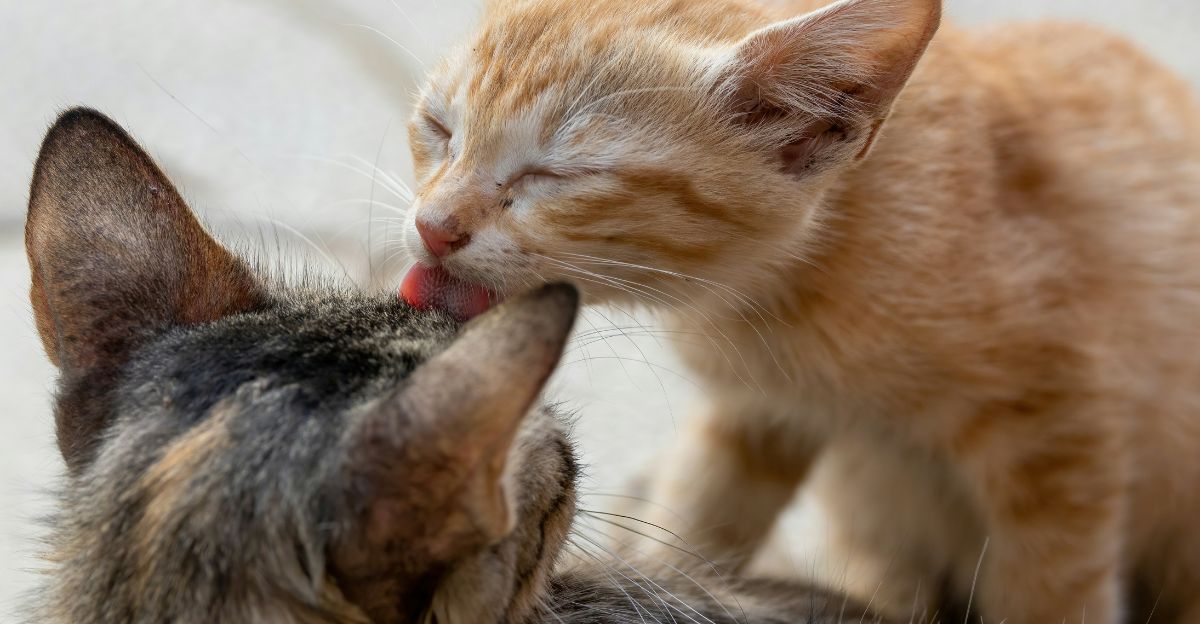
Have you ever watched two cats grooming each other and wondered why one takes the lead? Understanding which cat grooms the other can reveal a lot about their relationship, feelings, and social bonds.
If you want to know what this behavior means for your furry friends and how it affects their daily lives, keep reading. You’ll discover surprising insights that will change the way you see your cats’ interactions forever.
Credit: catgroomerla.com
Social Grooming In Cats
Social grooming in cats is more than just a way to keep clean; it plays a crucial role in their social lives. When cats groom each other, they communicate trust, friendship, and sometimes even hierarchy within their group. Observing this behavior can reveal a lot about how your cats relate to one another and how they maintain their social bonds.
Purpose Of Mutual Grooming
Mutual grooming, or allogrooming, serves several important purposes beyond hygiene. It helps cats reach spots they can’t easily clean themselves, like the back of the head or neck. This practical function is just the start.
More importantly, grooming reduces tension among cats and prevents conflicts. It’s a peaceful way to show acceptance and tolerance. Have you noticed your cats grooming each other after a tense encounter? That’s their way of smoothing things over.
Bonding Through Grooming
Grooming strengthens the emotional connection between cats. When one cat grooms another, it says, “I trust you,” and “I consider you part of my group.” This builds a sense of safety and belonging.
Your cats might even groom you occasionally, which is a sign they see you as part of their family. It’s their way of including you in their social circle. Next time your cat licks your hand, think of it as a compliment.
Try watching closely when your cats groom each other. Notice how their body language changes—they often purr or relax completely. These moments show how grooming can calm nerves and deepen friendships.
Dominance And Grooming Roles
Understanding the link between dominance and grooming roles in cats reveals much about their social structure. Grooming isn’t just about cleanliness; it’s a way cats communicate rank and build relationships. Watching who grooms whom can tell you which cat holds power and which one submits.
Alpha Cats And Grooming Control
Alpha cats often take the lead in grooming sessions. They decide when and where grooming happens, showing control over their group. This behavior helps maintain their status and reinforces their leadership.
Alphas usually groom others more than they get groomed. They pick specific spots on their companions, like the head or neck, areas that are hard to reach by themselves. This selective grooming keeps their followers bonded and loyal.
Have you noticed how your dominant cat might interrupt a grooming session if another cat tries to take over? This interruption is a clear sign of who’s in charge.
Submissive Cats’ Grooming Behavior
Submissive cats often accept grooming from dominant cats without resistance. They may even initiate grooming toward the alpha to show respect and reduce tension. This behavior helps them stay safe within the group.
These cats tend to groom less and receive more grooming, especially on sensitive spots. It’s a way to signal their lower rank and willingness to follow the social order.
Sometimes, a submissive cat might groom another submissive as a form of social bonding, but this usually happens away from the alpha’s gaze. This subtlety keeps the hierarchy clear and stable.
Mother And Kitten Grooming
Mother and kitten grooming is a vital part of their bond. The mother cat cleans her kittens soon after birth. This grooming keeps the kittens clean and healthy. It also helps them feel safe and loved.
The grooming process is gentle and careful. The mother uses her tongue to clean the fur and skin. She also stimulates the kittens to help them breathe and digest food. This care shapes the kitten’s early life and growth.
Maternal Care Rituals
The mother cat spends a lot of time grooming her kittens. This is more than cleaning. It strengthens their connection and trust. She licks their fur to remove dirt and parasites.
She also licks around their eyes and ears. This action helps the kittens learn to groom themselves later. The mother’s grooming calms the kittens and lowers their stress.
Learning Grooming Habits
Kittens watch and copy their mother’s grooming. They start cleaning themselves after a few weeks. This learning is important for their health.
By licking and grooming, kittens keep their fur clean and skin healthy. They also learn to groom others in their group. This skill helps them build friendships and stay safe.

Credit: basepaws.com
Friendship And Grooming Patterns
Cats often groom each other to show friendship and trust. Usually, the cat that feels safer or more relaxed starts grooming the other. This behavior helps strengthen their bond and keeps their fur clean.
Friendship among cats often reveals itself through grooming patterns. These patterns show their bonds and social structure. Cats groom each other for many reasons, all tied to their unique relationships. It might seem simple, but grooming is a complex behavior. It tells a lot about how cats interact and care for each other.Preferred Grooming Partners
Cats choose specific friends to groom. This choice shows their strong connection. Not every cat in a group will groom another. They prefer certain companions. Observing which cats groom each other helps understand their friendships. Sometimes, siblings become grooming partners. Other times, unrelated cats form these bonds. The choice of partner can depend on trust. It might also depend on previous positive interactions.Grooming As Conflict Resolution
Grooming can calm tensions between cats. It acts as a peace offering after small disputes. Cats might argue over toys or food. After a conflict, grooming helps them reconnect. This act reduces stress and restores harmony. In a multi-cat household, grooming as conflict resolution maintains peace. It’s a natural way for cats to mend their relationships. Recognizing this behavior helps cat owners understand their pets better.Grooming And Health Benefits
Grooming between cats is more than just a social habit. It plays a vital role in their health and well-being. Cats help each other stay clean and calm through mutual grooming. This behavior strengthens bonds and offers several health benefits that keep them happy and healthy.
Cleaning And Parasite Control
Cats use grooming to clean hard-to-reach places on each other. Their tongues remove dirt, loose fur, and dead skin. This cleaning reduces the chance of skin infections.
Grooming also helps control parasites like fleas and ticks. Cats can spot and remove these pests from each other’s fur. This natural parasite control supports their health and comfort.
Stress Relief Through Grooming
Grooming calms cats and lowers stress levels. The gentle licking releases feel-good hormones. This helps cats feel safe and relaxed.
Mutual grooming builds trust and friendship. It creates a peaceful environment, reducing tension in the group. This stress relief is important for their overall health.
Unexpected Grooming Behaviors
Grooming among cats usually involves mutual care within their species, but some behaviors might surprise you. Cats sometimes extend their grooming rituals beyond their feline friends, showing affection and social bonds in unexpected ways.
Cats Grooming Humans
Have you ever noticed your cat licking your hand or face? This behavior is more than just curiosity; it’s a form of grooming that cats direct toward humans. When your cat grooms you, they are showing trust and acceptance as part of their social group.
Some cats gently nibble or lick your hair or skin, mimicking the way they groom each other. This can be a sign that your cat feels comfortable and is trying to care for you as they would a fellow cat.
But what if your cat suddenly increases this behavior? It might mean they want more attention or are responding to your own grooming habits. Try returning the favor by gently stroking their fur to strengthen your bond.
Cross-species Grooming
Cross-species grooming isn’t limited to cats and humans. Cats sometimes groom other animals in the house, like dogs, rabbits, or even birds. This behavior can indicate a strong social connection or an attempt to establish harmony within their environment.
When a cat grooms a dog, it might seem surprising, but it’s a way to show acceptance and reduce tension. You might notice your cat licking the ears or face of their canine companion, which is a sign of friendship rather than dominance.
Have you seen your cat grooming a pet that’s very different from them? This act can help calm both animals and build trust. If you observe this, encourage calm interactions to enhance their relationship.

Credit: www.youtube.com
Frequently Asked Questions
Which Cat Usually Grooms The Other First?
Typically, the dominant or older cat grooms the other first. This behavior shows social bonding and hierarchy.
Why Do Cats Groom Each Other?
Cats groom each other to strengthen social bonds, reduce stress, and maintain cleanliness.
How Often Do Cats Groom Each Other?
Cats groom each other several times a day, especially when they share close bonds.
Can Grooming Indicate Cat Friendship?
Yes, mutual grooming often signals trust and friendship between cats in the same household.
Conclusion
Cats groom each other to build trust and show care. Usually, the cat who feels safe starts grooming first. Grooming helps keep their fur clean and healthy. It also strengthens their bond and reduces stress. Watching cats groom can teach us about their feelings.
Next time you see cats grooming, notice who begins and how they behave. This simple act reveals a lot about their friendship. Understanding this helps us appreciate cats even more. Cats truly have their own special way to connect.



Leave a Reply