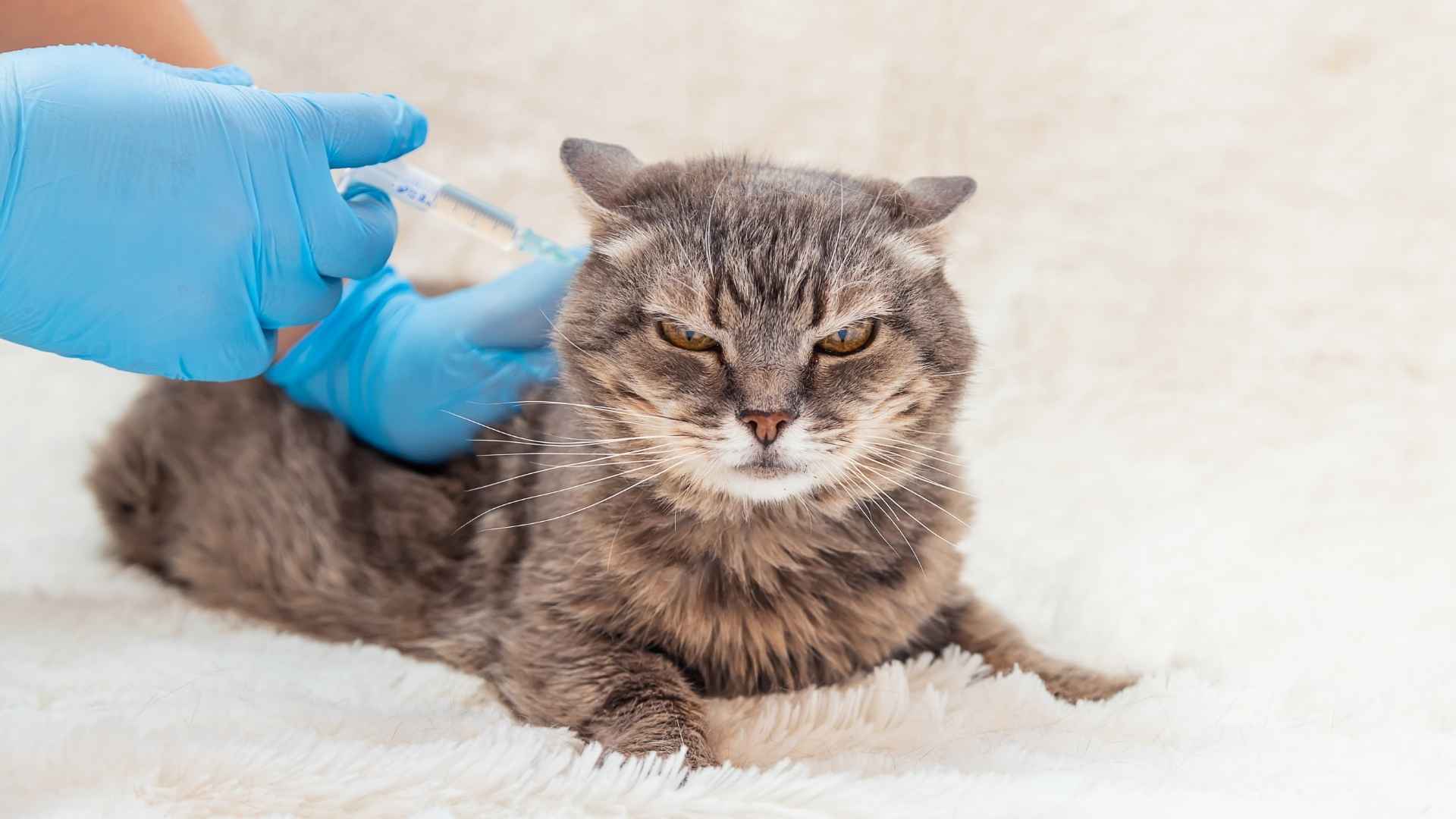
Have you ever wondered which cat breed might bring more health worries into your life? Choosing a cat isn’t just about looks or personality—it’s also about their well-being.
Some breeds face more health challenges than others, and knowing this can save you heartache and unexpected vet bills. You’ll discover which cat breed struggles the most with health problems and what that means for you as a cat owner.
Keep reading to make the best choice for your furry friend and your peace of mind.

Credit: www.youtube.com
Common Health Issues In Cats
Cats can face many health problems. Some breeds have more risks than others. Understanding common health issues helps owners care better. These problems often fall into three groups: genetic disorders, chronic diseases, and infectious conditions. Each type affects cats differently and needs special attention.
Genetic Disorders
Genetic disorders come from inherited traits. These problems pass from parent cats to kittens. Some breeds have higher chances of genetic diseases. Examples include:
- Hypertrophic cardiomyopathy (heart disease)
- Polycystic kidney disease
- Progressive retinal atrophy (vision loss)
These conditions can reduce a cat’s quality of life. Early detection is important to manage symptoms.
Chronic Diseases
Chronic diseases last a long time and worsen gradually. Older cats often face these health issues. Common chronic conditions include:
- Diabetes
- Arthritis
- Chronic kidney disease
Regular vet visits help catch these problems early. Proper treatment can improve comfort and lifespan.
Infectious Conditions
Infectious conditions spread from one cat to another. They can cause sudden illness and need quick action. Some common infections are:
- Feline leukemia virus (FeLV)
- Feline immunodeficiency virus (FIV)
- Upper respiratory infections
Vaccination and good hygiene reduce infection risks. Isolating sick cats prevents spreading diseases.
Credit: worldanimalfoundation.org
Breeds Prone To Health Problems
Some cat breeds are more prone to health problems than others. Understanding which breeds face these challenges can help you prepare better care strategies. It’s important to know what to watch for and how to keep your feline friend healthy.
Persian Cats
Persians are famous for their luxurious coats and flat faces. However, their unique features make them vulnerable to several health issues.
They often suffer from breathing difficulties due to their flat noses. Eye problems like excessive tearing and infections are common too.
Regular grooming is essential to prevent skin infections. If you have a Persian, you should schedule frequent vet check-ups to catch problems early.
Sphynx Cats
Sphynx cats might look tough with their hairless bodies, but they have delicate skin that needs special attention. Their lack of fur means they’re prone to skin infections and sunburn.
You’ll need to bathe them regularly to remove oil buildup on their skin. They can also face heart issues, so cardiac screenings are important.
Have you thought about how you would protect a cat with such sensitive skin from harsh weather? It’s a daily commitment but rewarding when you see them happy.
British Shorthair
British Shorthairs are sturdy, but they’re not free from health problems. They tend to develop obesity if not exercised properly.
Hypertrophic cardiomyopathy (HCM), a heart condition, is another concern. Monitoring their weight and scheduling heart check-ups can make a big difference.
Think about your lifestyle—can you provide enough activity for a British Shorthair? Their health depends a lot on the care and environment you provide.
Why Some Breeds Face More Risks
Certain cat breeds have higher health risks than others. These risks often stem from how breeders select and pair cats over time. Understanding these reasons helps us see why some breeds suffer more health problems.
Inbreeding Effects
Inbreeding occurs when close relatives mate. It reduces genetic diversity in a breed. This can increase the chance of inherited diseases.
Health problems like heart defects and immune issues often arise. Inbreeding also weakens the cat’s ability to fight infections. The fewer the genes, the higher the risk of health complications.
Selective Breeding Consequences
Selective breeding focuses on specific traits like appearance or behavior. Breeders pick cats with these traits to produce kittens.
This can lead to exaggeration of certain features. For example, flat faces or short legs can cause breathing or joint problems. Sometimes, breeders unintentionally pass on harmful genes linked to these traits.
Lifestyle And Environment
Some breeds need special care due to their physical traits. Indoor living or lack of exercise can worsen health conditions.
Stressful environments or poor diets also impact health. Breeds with fragile health require gentle handling and proper nutrition to stay well.
Identifying Signs Of Health Issues
Cats often hide their health problems. This makes it hard to spot issues early. Knowing what to look for helps in catching problems sooner. Early detection can lead to better treatment outcomes. Let’s explore some key signs of health issues in cats.
Behavioral Changes
Sudden changes in behavior can signal health problems. A normally active cat might become lethargic. Increased aggression or fearfulness can also be a warning sign. Watch for changes in sleeping patterns. Excessive grooming or lack of grooming is also concerning. Monitor their eating habits closely.
Physical Symptoms
Physical symptoms are often more visible. Weight loss or gain without diet changes is a red flag. Check for any lumps or bumps on their body. Look at their eyes for discharge or cloudiness. Watch for coughing, sneezing, or trouble breathing. Changes in their coat condition may also indicate health issues.
Routine Vet Checks
Regular vet visits are crucial for your cat’s health. These visits help catch problems before they become serious. Vets can spot early signs of common issues. Blood tests and physical exams are part of routine checks. Vaccinations and parasite control protect against many diseases.
Preventing Health Problems
Preventing health problems in cats, especially breeds prone to issues, requires consistent care and attention. You hold the key to your cat’s well-being through daily choices that impact their long-term health. Small, deliberate actions can make a huge difference in keeping your feline friend happy and healthy.
Proper Nutrition
Your cat’s diet directly affects their immune system and overall health. Feeding high-quality, breed-specific food ensures they get the right balance of proteins, fats, and essential vitamins. Avoid fillers and artificial additives that can cause allergies or digestive problems.
Have you noticed how some cats seem more energetic after a diet change? That’s because proper nutrition fuels their body and helps prevent obesity, diabetes, and other common health problems. Consult your vet to tailor meals that suit your cat’s age, weight, and activity level.
Regular Exercise
Exercise isn’t just for dogs—cats need it too. Physical activity keeps their muscles strong and joints flexible, reducing risks of arthritis and obesity. Playtime also stimulates their mind, preventing boredom-related behaviors that can stress their body.
Simple activities like interactive toys or short indoor chases can make a big difference. Do you set aside daily time to engage your cat? Consistency is key, as regular movement supports a healthier heart and longer life.
Genetic Testing
Some breeds inherit specific health issues that can be identified early through genetic testing. Knowing your cat’s genetic risks allows you to take preventive steps before symptoms appear. This proactive approach can save you from costly treatments down the road.
If you’re considering adopting a breed known for health problems, ask breeders about genetic screening. Wouldn’t it be reassuring to know your cat’s health risks upfront and prepare accordingly? Working closely with your vet on this can make all the difference.
Choosing A Healthy Cat Breed
Choosing a healthy cat breed is important for a long and happy pet life. Some breeds have more health problems than others. Picking a breed with fewer health risks means fewer vet visits and less worry.
Understanding a breed’s health background helps make a smart choice. It also helps prepare for any special care the cat might need. Focus on breeds known for strong health and good temperaments.
Researching Breed History
Check a breed’s history to learn about common health issues. Some breeds have genetic problems passed down through generations. Study reliable sources and breed clubs for accurate health records.
Look for information on:
- Typical diseases or conditions
- Average lifespan
- Care needs and diet
This knowledge helps avoid breeds with serious health risks.
Consulting Veterinarians
Talk to vets about the healthiest cat breeds. They see many cats and understand breed-related problems. Vets offer practical advice based on experience and medical knowledge.
Ask about:
- Breeds with fewer inherited diseases
- Signs of common health problems
- Preventive care tips
Veterinarians guide you to choose a breed that fits your lifestyle and health goals.
Adopting Mixed Breeds
Mixed breed cats often have fewer genetic health problems. Their diverse genes can lead to stronger immune systems. Adoption shelters have many mixed breeds needing loving homes.
Benefits include:
- Lower risk of inherited diseases
- Variety of appearances and personalities
- Saving a life
Mixed breeds make great pets for those seeking healthy cats with unique charm.
Credit: www.ministryofcat.com
Frequently Asked Questions
Which Cat Breed Has The Most Health Problems?
The Persian cat breed has the most health problems. They often face respiratory issues, kidney disease, and eye conditions. Their flat faces contribute to breathing difficulties. Regular vet visits and proper care can help manage these issues effectively.
Why Do Certain Cat Breeds Have More Health Issues?
Certain breeds have genetic predispositions due to selective breeding. This leads to inherited diseases and physical abnormalities. Breeds with flat faces or long hair often face more health challenges. Responsible breeding practices can reduce these risks significantly.
How Can I Identify Health Problems In My Cat Breed?
Look for symptoms like coughing, sneezing, lethargy, or changes in appetite. Regular vet check-ups help detect early signs. Understanding breed-specific risks aids early diagnosis. Prompt treatment improves the cat’s quality of life.
Are Mixed Breed Cats Healthier Than Purebreds?
Generally, mixed breed cats have fewer genetic health problems. Their diverse gene pool reduces inherited disease risks. However, they can still develop common cat illnesses. Regular vet care is essential for all cats, regardless of breed.
Conclusion
Some cat breeds face more health problems than others. Knowing these risks helps you care for your pet better. Choose a breed that fits your lifestyle and budget. Regular vet visits keep cats healthy and happy. Love and attention matter most for any cat’s well-being.
Caring for your cat means understanding their needs clearly. Every cat deserves a healthy, joyful life.



Leave a Reply