Choosing the right food for your cat can be confusing. You want to give your furry friend the best, but with so many options out there, how do you know which cat food truly supports their health?
What ingredients should you look for, and which ones should you avoid? This guide will help you understand what makes cat food healthy and how to pick the perfect meal that keeps your cat happy and thriving. Keep reading to discover simple tips that make a big difference in your cat’s well-being.
Key Nutrients For Cat Health
Cats need specific nutrients to stay healthy and active. Their diet must include the right balance of proteins, fats, vitamins, minerals, and water. These nutrients support strong muscles, shiny fur, good eyesight, and a strong immune system. Feeding your cat properly helps prevent illnesses and keeps them full of energy.
Essential Proteins And Fats
Proteins are vital for cats. They build muscles and repair tissues. Cats are carnivores, so they need animal-based proteins. Fats provide energy and help absorb vitamins. Healthy fats also keep the skin soft and fur shiny. Look for foods with real meat and fish as main ingredients.
Vitamins And Minerals
Vitamins and minerals support many body functions. They help with bone growth, vision, and immune health. Important vitamins include A, D, and E. Minerals like calcium, phosphorus, and taurine are crucial too. Taurine is especially important because cats cannot make enough themselves. Balanced amounts keep cats feeling their best.
Hydration And Moisture Content
Cats often do not drink enough water. Moisture in cat food helps prevent dehydration. Wet food has higher water content than dry food. Proper hydration supports kidney and urinary tract health. Feeding wet food or adding water to dry food helps keep cats hydrated.

Credit: www.walmart.com
Types Of Cat Food
Cats need the right food to stay healthy and happy. Choosing the best type of cat food is important. Different foods offer various nutrients and benefits. Understanding the types helps in making better choices for your pet.
Dry Food Benefits And Drawbacks
Dry cat food is easy to store and serve. It usually costs less than other options. Crunchy texture helps clean cats’ teeth. It lasts longer once opened.
Dry food may have less moisture than cats need. Some brands contain fillers and low-quality ingredients. It can cause dehydration if water intake is low. Not all cats enjoy the dry texture.
Wet Food Advantages
Wet cat food has high moisture content. This helps cats stay hydrated. It often contains more protein and fewer carbs. Wet food is closer to a cat’s natural diet.
Cats find wet food tastier and easier to eat. It helps with urinary tract health. Wet food spoils faster once opened. It usually costs more than dry food.
Raw And Homemade Diets
Raw and homemade diets give full control over ingredients. Fresh meats and vegetables can be included. This diet avoids artificial additives and fillers.
Preparing raw or homemade food takes time and care. There is a risk of bacteria if not handled well. Balancing nutrients correctly is challenging. Consulting a vet before starting is important.
Top Brands Recommended By Experts
Finding the right cat food can feel overwhelming with so many brands claiming to be the best. Experts often narrow down choices to those that deliver balanced nutrition and meet rigorous quality standards. Knowing which brands they trust can save you time and ensure your cat gets the healthiest diet possible.
Premium Commercial Brands
Brands like Royal Canin, Hill’s Science Diet, and Blue Buffalo stand out for their consistent quality and research-backed formulas. These companies invest heavily in nutritional science and use high-grade ingredients to support feline health.
Many cat owners notice improvements in coat shine and energy levels after switching to these brands. Are you paying attention to ingredient lists and guaranteed analysis when selecting your cat’s food?
Vet-approved Formulas
Veterinarians often recommend foods tailored to specific health needs, such as kidney support or weight management. Prescription diets from brands like Purina Pro Plan Veterinary Diets and Hill’s Prescription Diet are created with vet input to address medical conditions.
Choosing a vet-approved formula means your cat’s diet is designed with their wellbeing in mind. Have you discussed your cat’s unique nutritional needs with your vet before picking a food?
Organic And Natural Options
If you prefer fewer additives and more natural ingredients, brands like Wellness CORE and Natural Balance offer organic and grain-free choices. These foods avoid artificial colors, flavors, and preservatives, focusing on whole foods.
Switching to organic options can reduce exposure to synthetic chemicals and appeal to cats with sensitive stomachs. What benefits have you noticed when trying organic or natural cat foods?
Special Diets For Specific Needs
Cats with allergies or health issues need special diets for proper care. Choosing the right cat food supports their unique health needs and improves well-being. Tailored nutrition helps manage conditions like kidney disease or weight problems effectively.
Cats have unique dietary needs. Some need special diets for their health. Understanding these diets can make your cat healthier and happier. Each cat’s needs differ based on their health issues. Below, we explore some special diets designed for specific needs.Weight Management Formulas
Cats can gain weight easily. Weight management formulas help control their calorie intake. These diets have fewer calories but maintain essential nutrients. They support muscle maintenance while reducing fat. Look for high protein and fiber content. This keeps your cat feeling full longer.Sensitive Stomach And Allergy Care
Some cats have sensitive stomachs or allergies. Special diets can ease these issues. Limited ingredient diets are ideal for allergies. They reduce potential allergens. For sensitive stomachs, choose easily digestible proteins. Ingredients like rice or pumpkin can soothe digestion. Always consult a vet for the best choice.Senior Cat Nutrition
Senior cats have different nutritional needs. They need diets rich in antioxidants and omega fatty acids. This supports joint health and cognitive function. Senior formulas often have reduced calorie content. This helps prevent weight gain as activity levels drop. Opt for softer kibble for easier chewing.Reading Cat Food Labels
Reading cat food labels helps choose the best diet for your pet. Labels show what ingredients and nutrients are inside the food. Understanding these details ensures your cat gets proper nutrition. It also helps avoid harmful substances that may cause health problems.
Identifying Quality Ingredients
Look for real meat or fish listed as the first ingredient. Cats need animal protein for energy and muscle health. Whole ingredients like chicken, beef, or salmon are good signs. Avoid vague terms like “meat by-products” or “animal digest.” These can hide low-quality parts.
Check for added vitamins and minerals. These support your cat’s immune system and overall health. Ingredients like taurine are essential for heart and eye function.
Avoiding Harmful Additives
Some cat foods contain artificial colors, flavors, or preservatives. These do not benefit your cat and may cause allergies or sickness. Common additives to avoid include BHA, BHT, and ethoxyquin. Look for labels that say “no artificial additives” or “natural preservatives.”
Also, watch for excessive fillers like corn, wheat, or soy. Cats have trouble digesting these and get little nutrition from them.
Understanding Nutritional Claims
Labels often highlight claims like “complete and balanced” or “grain-free.” “Complete and balanced” means the food meets nutrient standards set by experts. It ensures your cat gets all essential nutrients.
“Grain-free” can be good for cats with allergies but not always necessary. Check the full ingredient list and nutrient profile to decide.
Beware of vague claims like “natural” or “premium.” These have no legal definition and may not guarantee quality.
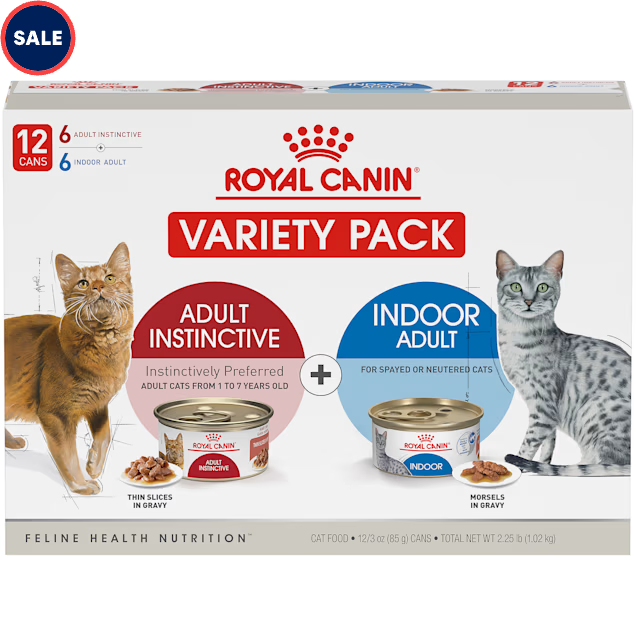
Credit: www.petco.com
Feeding Tips For Optimal Wellness
Feeding your cat the right way goes beyond just choosing the best food. How you feed your cat affects their digestion, energy levels, and overall happiness. Paying attention to portion sizes, smooth transitions between foods, and watching their health closely can make a big difference in your cat’s wellness journey.
Portion Control And Feeding Schedule
Overfeeding can lead to obesity, while underfeeding might cause nutritional gaps. Use your cat’s weight, age, and activity level to guide portion sizes. Many pet owners find success by dividing daily food into smaller, regular meals instead of one big serving.
Try feeding at the same times every day to create a routine your cat will feel comfortable with. Consistency helps prevent begging and overeating. Have you noticed how your cat’s energy changes with meal timing?
Transitioning Between Foods
Switching cat foods abruptly can upset your cat’s stomach. Mix the new food with the old gradually over 7 to 10 days. Start with 25% new food and increase the amount slowly while decreasing the old food.
If your cat shows signs of digestive upset, slow the transition down. Remember, patience pays off. What has been your experience with changing your cat’s diet?
Monitoring Cat’s Health And Behavior
Keep an eye on your cat’s weight, coat condition, and energy levels after changing food or feeding routines. Sudden changes in appetite, vomiting, or diarrhea are red flags. Regular vet check-ups help catch issues early before they become serious.
Behavior can tell you a lot too—if your cat seems less playful or more lethargic, it might be time to adjust their diet. How often do you check your cat’s health after a diet change?

Credit: www.amazon.com
Frequently Asked Questions
What Ingredients Make Cat Food Healthy?
Healthy cat food contains high-quality protein, essential fats, vitamins, and minerals. Avoid fillers like corn and soy. Natural ingredients support digestion and overall health.
How To Choose The Best Cat Food For Health?
Choose cat food based on your cat’s age, weight, and health needs. Look for balanced nutrition with quality proteins and limited artificial additives for optimal health.
Can Wet Cat Food Improve My Cat’s Health?
Yes, wet cat food provides hydration and is easier to digest. It supports kidney health and helps maintain a healthy weight when fed appropriately.
Is Grain-free Cat Food Healthier For Cats?
Grain-free cat food can benefit cats with allergies or sensitivities. However, it’s not always necessary; balanced nutrition matters more than grain content alone.
Conclusion
Choosing the right cat food supports your pet’s health and happiness. Good nutrition helps cats stay active and strong. Always check ingredients for quality and balance. Fresh water and proper feeding routines matter too. Keep an eye on your cat’s weight and behavior.
Consult a vet for personalized advice when needed. Healthy food leads to a longer, joyful life for your cat. Small changes can make a big difference. Your cat deserves the best care every day.



Leave a Reply