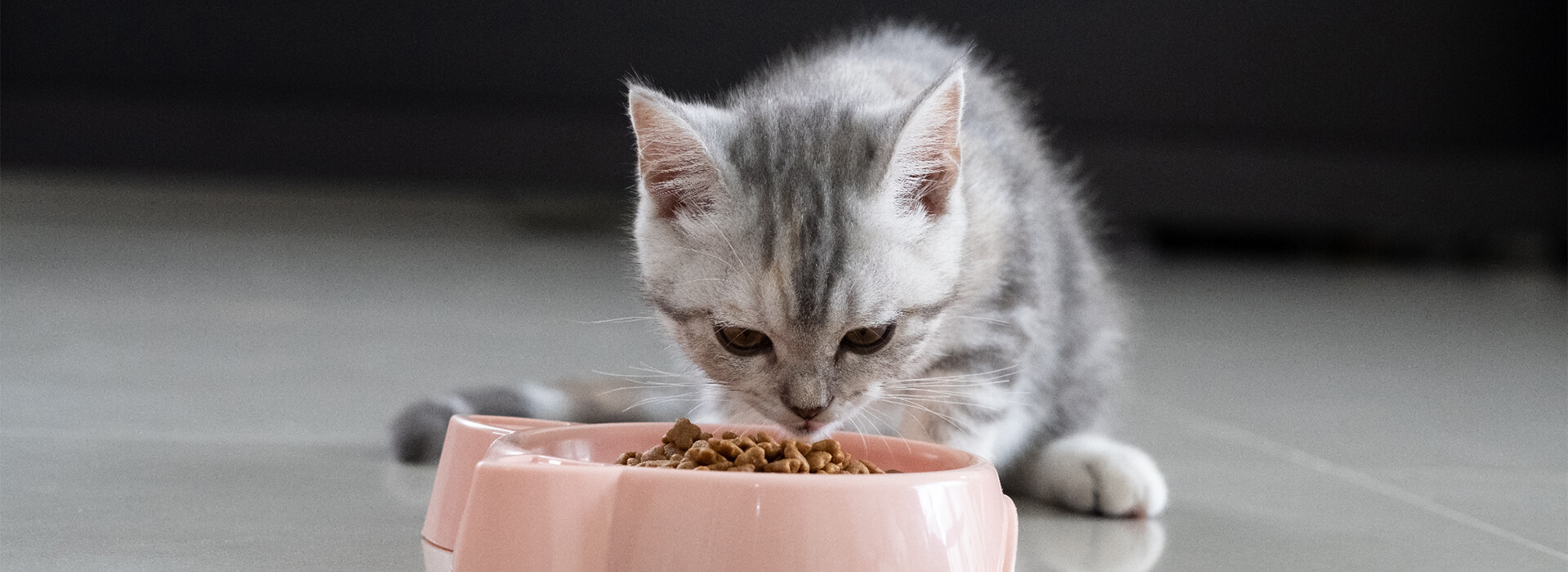
Are you wondering if it’s okay to feed your kitten adult cat food? It’s a common question for many pet owners, and the answer might surprise you.
Your kitten needs special nutrition to grow strong and healthy, and what you feed them now can affect their entire life. If you want to make sure your furry friend gets the best start, keep reading. We’ll break down the facts clearly, so you can make the right choice for your kitten’s diet without any confusion.

Credit: www.pd.com.au
Nutritional Needs Of Kittens
Kittens have unique nutritional needs that differ significantly from adult cats. Their rapid growth and development demand a diet rich in specific nutrients to support their changing bodies. Understanding these needs helps you decide whether adult cat food can meet those requirements or if a kitten-specific diet is necessary.
Growth Requirements
Kittens grow incredibly fast, sometimes doubling their weight in just a few weeks. This rapid growth requires more calories than adult cats need. You might notice your kitten eating more often, which is because their bodies are working hard to build bones, muscles, and organs.
Feeding a diet that supports this growth is crucial. Kits need food that is higher in protein and fat to fuel their energy and development. Have you ever seen a kitten turn away from adult cat food? It’s often because it doesn’t satisfy their hunger or nutritional demands.
Essential Nutrients
Kittens require a variety of nutrients that are vital for their health. These include:
- Protein:Supports muscle growth and repair.
- Fat:Provides energy and supports brain development.
- Calcium and Phosphorus:Crucial for strong bones and teeth.
- Taurine:An amino acid important for heart and eye health.
- Vitamins:A, D, and E help with immune function and overall growth.
Adult cat food often lacks these higher levels of nutrients that kittens need. Would you risk your kitten’s growth by feeding them less nutritious food? Choosing the right diet can prevent health problems later in life and ensure your kitten thrives.
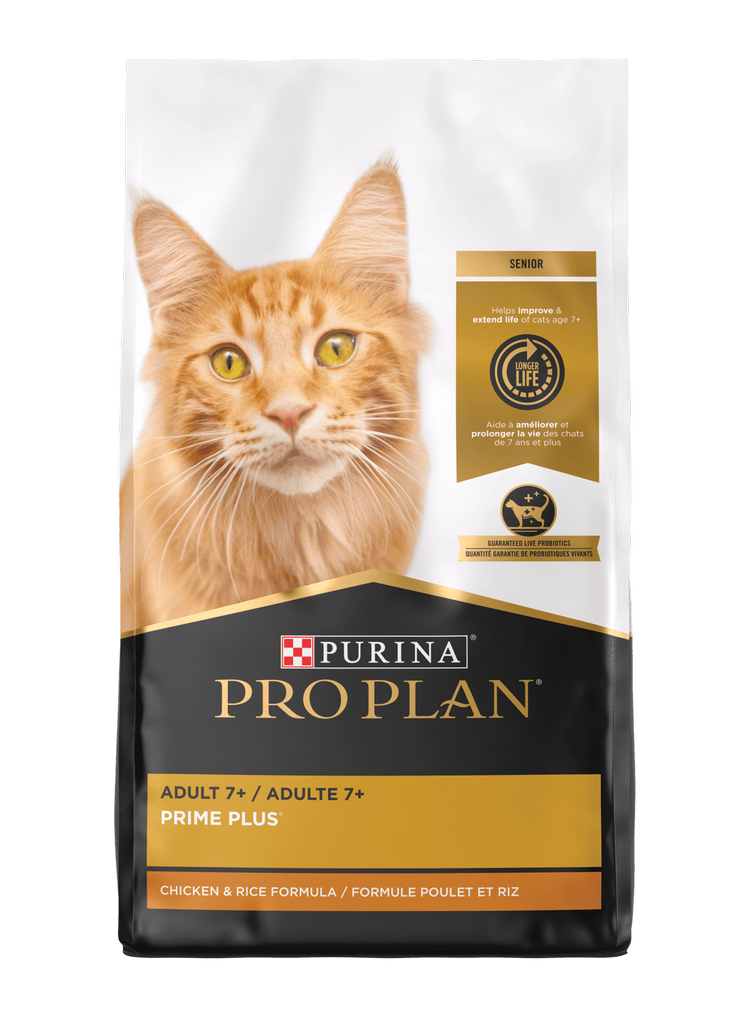
Credit: www.purina.com
Differences Between Kitten And Adult Cat Food
Understanding the differences between kitten and adult cat food is essential before deciding what to feed your growing feline. Kitten food is specially designed to meet the unique nutritional needs of young cats, which differ significantly from those of adult cats. Knowing these differences helps you make the best choice for your kitten’s health and development.
Calorie Content
Kitten food contains higher calories than adult cat food. Young cats burn a lot of energy as they grow, so they need more calories to support this rapid development.
If you feed your kitten adult cat food, they may not get enough energy, which can slow their growth. Have you noticed your kitten seems less playful or energetic? It might be due to insufficient calorie intake.
Protein And Fat Levels
Kitten food has higher protein and fat levels compared to adult cat food. These nutrients are crucial for building muscles and developing a strong immune system in kittens.
Adult cat food may not provide enough protein and fat for a kitten’s growing body. This can affect their overall health and even lead to poor coat quality or weak muscles. Your kitten deserves food that supports their rapid growth every day.
Vitamin And Mineral Balance
The vitamin and mineral balance in kitten food differs from adult cat food. For example, kittens need more calcium and phosphorus to develop strong bones and teeth.
Adult cat food usually has lower amounts of these minerals since adult cats don’t require as much for growth. Feeding your kitten adult food might mean missing out on vital nutrients they need at this stage.
Think about what your kitten needs now versus later. Would you feed a toddler the same diet as an adult? The same principle applies to your kitten’s nutrition.
Potential Risks Of Feeding Adult Food To Kittens
Feeding adult cat food to kittens can cause several health problems. Kittens have unique nutritional needs that adult food often does not meet. This can lead to serious issues during their critical growth phase. Understanding the risks helps ensure kittens grow strong and healthy.
Nutritional Deficiencies
Adult cat food lacks key nutrients vital for kittens. Kittens need higher protein and fat levels for energy. Adult food usually contains less of these nutrients. It may also miss important vitamins and minerals like calcium and DHA. These deficiencies can weaken a kitten’s immune system and bones.
Digestive Issues
Kittens’ digestive systems are sensitive and still developing. Adult food has different ingredients that may upset their stomach. Feeding adult food can cause diarrhea, vomiting, or constipation. These problems can lead to dehydration and discomfort. A kitten’s digestive system thrives on specially formulated food.
Impact On Development
Proper growth depends on the right diet. Adult food may slow down a kitten’s physical and brain development. Lack of essential nutrients can affect muscle and organ growth. Cognitive functions may also suffer without proper nutrition. Feeding the right food supports a kitten’s overall health and future wellbeing.
When Adult Cat Food Might Be Acceptable
There are times when feeding kitten adult cat food might be okay. These situations are specific and often temporary. Understanding these circumstances helps ensure the kitten’s health and development.
Short-term Feeding
Short-term feeding of adult cat food is sometimes necessary. This could happen when kitten food is unavailable. It should be a temporary solution only. Kittens have different nutritional needs than adult cats. Adult cat food lacks nutrients needed for growing kittens. Always return to kitten food when possible.
Transitioning Phases
During transitioning phases, adult cat food might be acceptable. This is often when kittens are nearing one year old. Their dietary needs begin to change. Gradually mix adult food with kitten food. This helps their digestive system adjust. Monitor their health and energy levels closely. A smooth transition supports their growth into adulthood.
Special Circumstances
Special circumstances may require feeding adult cat food. An example is when a kitten has specific health issues. Veterinary guidance is crucial in these cases. Sometimes, vet-prescribed adult food meets their needs better. Always consult a vet before making changes. The kitten’s health should be the top priority.
Expert Recommendations For Kitten Feeding
Feeding kittens correctly is crucial for their growth and health. Experts stress the importance of proper nutrition in the early months. Choosing the right food, setting up a feeding schedule, and watching their development closely all play key roles. These steps help kittens get the nutrients they need to grow strong and healthy.
Choosing The Right Food
Kittens need food made for their age group. Kitten food has more protein, fat, and calories than adult cat food. These extra nutrients support rapid growth and energy needs. Wet and dry options are available, both balanced for kittens. Avoid feeding adult cat food to kittens, as it lacks essential nutrients.
- Look for kitten-specific labels on packaging
- Choose high-quality brands with good ingredients
- Include wet food for hydration and variety
- Consult your vet for specific dietary advice
Feeding Schedules
Kittens need frequent meals throughout the day. Their small stomachs cannot hold much food at once. Experts suggest feeding kittens 3 to 4 times daily until six months old. After that, reduce to 2 meals per day as they approach adulthood.
- Feed small portions at regular intervals
- Keep fresh water available at all times
- Use a consistent feeding routine for comfort
Monitoring Growth And Health
Tracking a kitten’s weight and behavior helps ensure good health. Rapid growth is normal but watch for sudden weight loss or gain. Healthy kittens are active, alert, and have shiny coats. Regular vet check-ups help spot problems early. Adjust food type or amount based on your vet’s advice.
- Weigh kittens weekly to track growth
- Observe eating habits and energy levels
- Watch for signs of illness or digestive issues
- Keep vaccination and vet visits up to date
Homemade Vs Commercial Kitten Diets
Choosing the right diet for a kitten is important for healthy growth. Homemade and commercial kitten diets both offer unique benefits and challenges. Understanding these can help provide the best nutrition for your young cat.
Pros And Cons
- Homemade Diets:Control over ingredients and freshness.
- Can be tailored to specific needs or allergies.
- Requires time and knowledge to prepare correctly.
- Risk of missing essential nutrients if not balanced.
- Commercial Diets:Formulated to meet kitten nutritional needs.
- Convenient and easy to use.
- Quality varies between brands and products.
- Some contain fillers or artificial additives.
Ensuring Balanced Nutrition
Kittens need a diet rich in protein, fat, vitamins, and minerals. Homemade meals must include all these elements in the right amounts.
Veterinary guidance helps avoid nutrient gaps and excesses. Commercial foods often meet these standards through strict regulations.
Supplements might be necessary for homemade diets to cover all nutritional bases.
Regular check-ups ensure the kitten grows strong and healthy regardless of diet choice.
Signs Your Kitten Needs A Dietary Change
Kittens need the right food to grow healthy and strong. Sometimes, their diet may not suit their needs anymore. Noticing signs that your kitten needs a dietary change helps keep them happy and well. Watch for changes in behavior, physical health, and advice from your vet.
Behavioral Changes
Changes in your kitten’s behavior can show dietary problems. If your kitten becomes less active or playful, it may not get enough nutrients. Sudden irritability or restlessness can also hint at hunger or discomfort. Watch if your kitten avoids food or eats less than usual.
Physical Symptoms
Physical signs often point to diet issues. Poor coat quality, like dull or patchy fur, shows a lack of essential nutrients. Weight loss or slow growth means the food might not support their needs. Digestive problems, such as diarrhea or vomiting, are warning signs too.
Veterinary Advice
Vets can identify if your kitten needs a diet change. Regular check-ups help track growth and health. Your vet may recommend special food for kittens or a gradual switch to adult cat food. Always follow veterinary advice to keep your kitten healthy.
Credit: companion-vets.com
Frequently Asked Questions
Can Kittens Eat Adult Cat Food Safely?
Kittens can eat adult cat food briefly, but it lacks essential nutrients. Kitten food supports growth with higher protein and calories. Feeding adult food long-term may slow development and harm health. Always choose kitten-specific food for balanced nutrition during early months.
What Happens If Kittens Eat Adult Cat Food?
Kittens eating adult cat food may miss vital nutrients needed for growth. This can lead to weak bones, poor immune health, and stunted development. Adult cat food is lower in protein and fat, which kittens require for energy and proper growth.
When Can Kittens Switch To Adult Cat Food?
Kittens can switch to adult cat food around 12 months old. By then, their growth slows, and nutritional needs align with adult cats. Transition gradually over a week to avoid digestive upset. Consult your vet for the best timing and food choice.
Why Is Kitten Food Different From Adult Cat Food?
Kitten food contains higher protein, fat, and calories to support growth. It also includes extra vitamins and minerals for bone and brain development. Adult cat food has fewer nutrients as adult cats need maintenance, not growth support.
Conclusion
Feeding a kitten adult cat food is not the best choice. Kittens need more nutrients for growth and energy. Adult food lacks some important vitamins and minerals for young cats. This can slow their development and affect their health. Always choose food made for kittens to help them grow strong.
Taking care of their diet now means a healthier cat later. Small changes in their food make a big difference. Keep your kitten happy and healthy with the right nutrition.



Leave a Reply