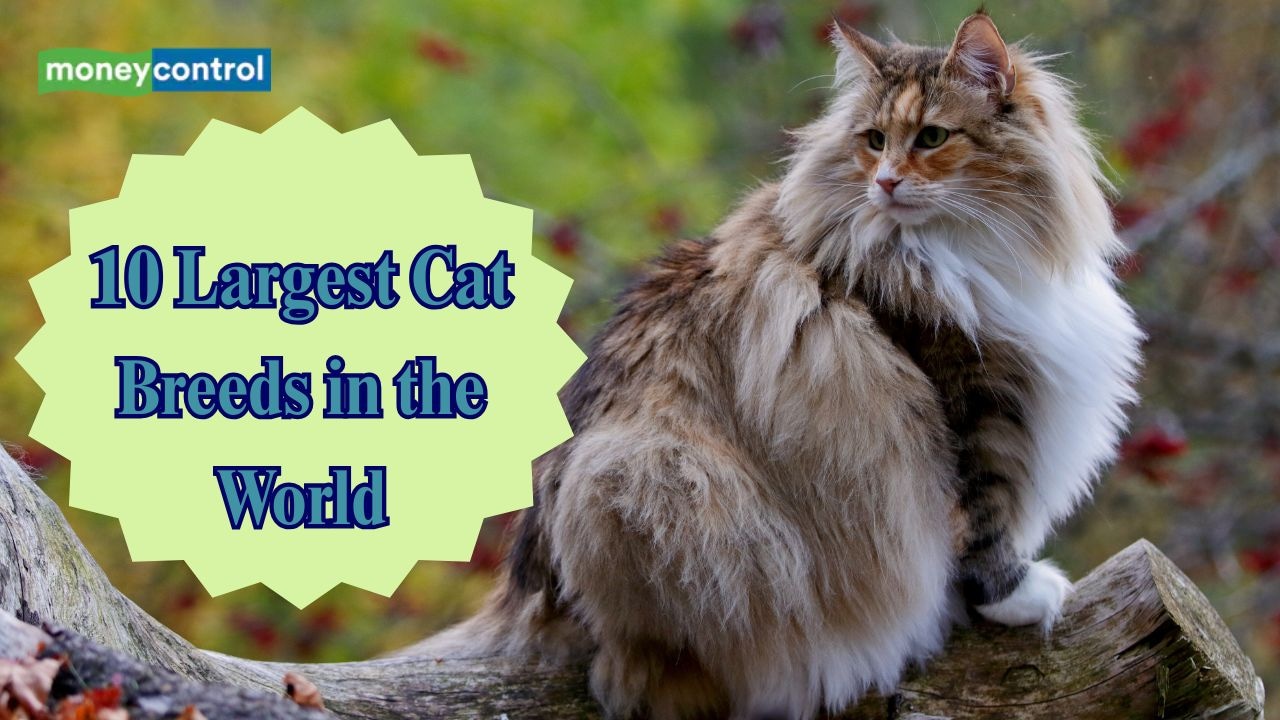
Have you ever wondered which cat breeds grow to be the biggest in size? Whether you’re thinking about adding a majestic feline friend to your home or you’re just curious about these giant furballs, this guide is for you.
You’ll discover which cats stand out not just for their size but also for their unique charm and personality. Get ready to be surprised by some gentle giants you might never have heard of! Keep reading to find out which cats could steal your heart—and take up plenty of space on your couch.

Credit: worldanimalfoundation.org
Maine Coon
The Maine Coon is one of the largest domestic cat breeds. Known for its impressive size, this breed captivates many cat lovers. It has a strong build and a friendly nature. The Maine Coon adapts well to various homes and lifestyles. Its unique look and personality make it a favorite choice for many pet owners.
Physical Characteristics
The Maine Coon has a muscular body and broad chest. Adult males can weigh between 13 to 18 pounds or more. Females are slightly smaller, weighing 8 to 12 pounds. They have long, thick fur that helps in cold weather. Their bushy tail is often as long as their body. Large, tufted ears and expressive eyes add to their charm. Their paws are big and well-furred to walk on snow.
Temperament
Maine Coons are gentle giants with a calm nature. They enjoy being around people and other pets. They are playful but not overly active. These cats are known to be intelligent and curious. They often follow their owners around the house. Maine Coons are friendly and good with children. Their soft voice and sweet personality make them great companions.
Care And Maintenance
Their thick fur requires regular grooming. Brushing 2 to 3 times a week helps prevent mats. Bathing occasionally can keep their coat clean. Maine Coons need a balanced diet to maintain their size. Regular vet check-ups ensure good health. Providing toys and playtime keeps them mentally fit. Large litter boxes suit their size better. Clean water should be available at all times.
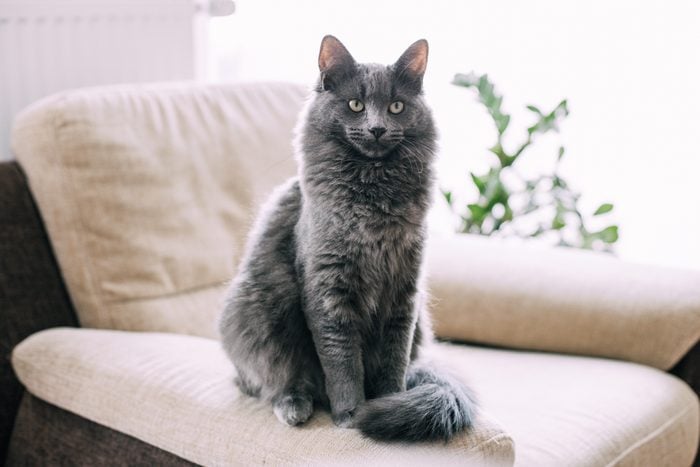
Credit: www.rd.com
Savannah Cat
The Savannah Cat is a striking breed known for its tall, slender build and wild appearance. This breed is a cross between a domestic cat and the African serval. It stands out because of its large size and unique spotted coat. The Savannah Cat has captured attention for its exotic look and impressive height.
Appearance And Size
Savannah Cats have long legs and a lean body. Their coat is short with distinct black or dark brown spots. The color ranges from golden to tawny. Adult males can weigh between 15 to 25 pounds. They often stand 14 to 17 inches tall at the shoulder. This size makes them one of the tallest domestic cat breeds.
Personality Traits
Savannah Cats are curious and intelligent. They enjoy exploring and playing. This breed is very social and bonds closely with owners. They are known to be loyal and protective. Savannah Cats often show dog-like behaviors, such as following people and fetching toys. Their energy level is high, needing daily stimulation.
Living Environment
Savannah Cats do well in homes with plenty of space. They need room to run and climb. Owners should provide interactive toys and climbing trees. This breed adapts well to indoor living but enjoys supervised outdoor time. A secure yard or enclosed patio is ideal. Regular playtime helps keep them happy and healthy.
Norwegian Forest Cat
The Norwegian Forest Cat is one of the largest domestic cat breeds. It has a natural, wild look and a strong build. This breed is known for its thick, water-resistant coat and bushy tail. It thrives in cold climates and has ancient roots in Norway. The Norwegian Forest Cat is not just big; it is also graceful and sturdy.
Build And Coat
Norwegian Forest Cats have a muscular and sturdy body. Males can weigh between 13 to 22 pounds. Females are slightly smaller but still large. Their legs are strong and medium-long with large paws. The coat is thick and double-layered. The outer coat is long and glossy. The undercoat is soft and dense for insulation. Their bushy tail helps them stay warm in winter.
Behavior Patterns
This breed is friendly and social but also independent. They enjoy playing and climbing. Norwegian Forest Cats are curious and smart. They like to explore high places. They get along well with children and other pets. These cats are quiet but can be vocal when they want attention. They prefer a calm home environment with space to roam.
Health Considerations
- Generally healthy and robust breed
- Prone to hip dysplasia and heart disease
- Regular vet check-ups are important
- Keep their coat brushed to avoid mats
- Watch their diet to prevent obesity
- Active lifestyle helps maintain health
Ragdoll
Ragdolls rank among the largest cat breeds. They are known for their gentle nature and striking blue eyes. These cats can weigh up to 20 pounds, making them one of the biggest companions in the feline world.
The Ragdoll cat is known for its striking appearance and gentle nature. These cats are large, fluffy, and famously affectionate. Their blue eyes and silky fur make them a standout among feline breeds. Ragdolls are perfect companions for those seeking a loving pet. They are often referred to as “puppy cats” due to their friendly demeanor.Size And Weight
Ragdolls are among the largest domesticated cat breeds. Male Ragdolls typically weigh between 15 to 20 pounds. Females are slightly smaller, weighing 10 to 15 pounds. Their bodies are long and muscular, giving them a substantial presence. Despite their size, they are graceful and elegant. Their large size is one of their most defining features.Temperament
Ragdolls are known for their calm and docile temperament. They are exceptionally friendly and enjoy human company. These cats often follow their owners around the house. They are also good with children and other pets. Their gentle nature makes them ideal family pets. Ragdolls rarely show aggression and are easygoing by nature.Grooming Needs
Ragdolls have semi-long fur that requires regular grooming. Brushing their coat a few times a week is sufficient. This helps prevent tangles and reduces shedding. Their fur is soft and silky, making grooming a pleasant task. Ragdolls are generally good at grooming themselves. Regular check-ups are needed to maintain their coat’s health.Siberian Cat
The Siberian cat is a majestic breed known for its impressive size and striking appearance. Originating from Russia, these cats have adapted to harsh climates, giving them a dense, water-resistant coat. Their robust build and playful nature make them a favorite among cat enthusiasts who want a big, affectionate companion.
Physical Features
Siberian cats are large and muscular with a strong bone structure. Adult males can weigh between 15 to 20 pounds, sometimes more, while females typically weigh slightly less.
Their triple-layered coat keeps them warm in cold weather and comes in many colors and patterns. They have large, round paws with tufts of fur between the toes, perfect for walking on snow.
Their expressive eyes range from green to gold, adding to their wild, enchanting look.
Disposition
Siberians are known for their sweet and friendly nature. They are loyal to their families and often follow you around the house, wanting to be part of everything you do.
These cats are playful but not overly demanding, striking a balance that makes them great for homes with kids or other pets. Their intelligence means they enjoy interactive toys and puzzles.
Have you noticed how some cats seem to understand your mood? Siberians often sense when you need extra comfort, offering quiet companionship.
Care Tips
Despite their thick coat, Siberian cats don’t require daily grooming. Brushing them 2-3 times a week helps reduce shedding and keeps their fur healthy.
Because they are active and curious, provide plenty of climbing spaces and toys to keep them engaged. Regular playtime helps maintain their muscle tone and prevents boredom.
Nutrition is key for these big cats. Choose high-quality food to support their energy needs and maintain a healthy weight.
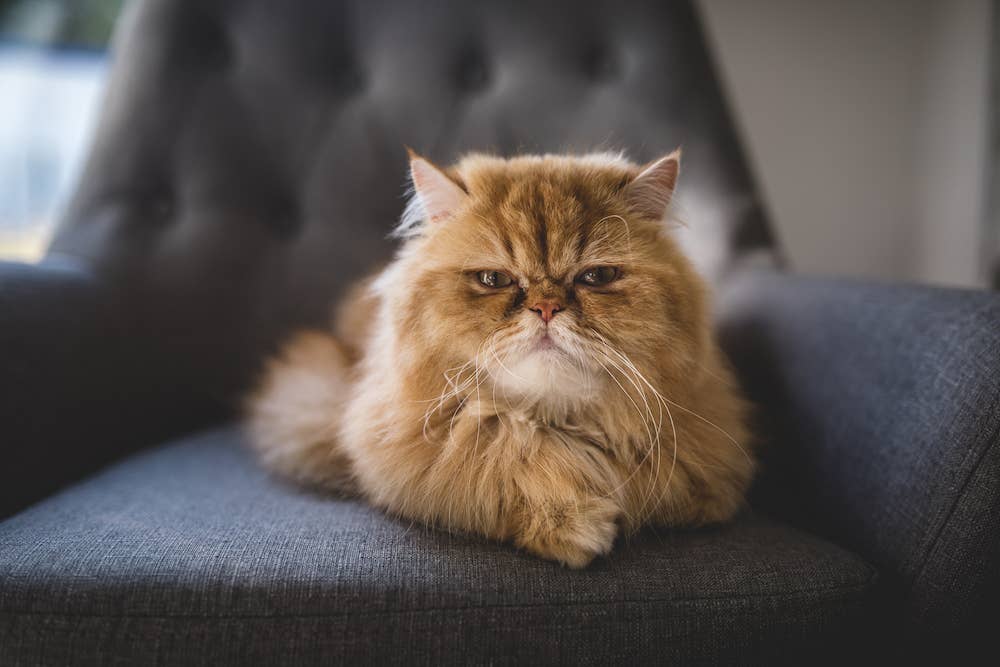
Credit: paradepets.com
Chausie
The Chausie is a large and striking cat breed. It has a wild appearance but a friendly nature. This breed combines the domestic cat with the wild jungle cat. Its size and agility make it unique among big cat breeds. Many cat lovers admire the Chausie for its impressive build and playful spirit.
Origins And Size
The Chausie comes from crossing domestic cats with the jungle cat. It started as an effort to create a big, wild-looking cat for homes. Male Chausies often weigh between 15 and 20 pounds. Females are slightly smaller but still large. Their bodies are long, lean, and muscular. They stand tall with long legs and large ears. This cat’s size makes it one of the biggest domestic breeds.
Activity Levels
Chausies are very active and energetic cats. They love to climb, jump, and explore their surroundings. Their wild ancestry gives them great agility and speed. They need daily exercise to stay healthy and happy. Interactive toys and climbing trees suit them well. Without enough activity, they may become bored or restless. Playtime strengthens the bond between cat and owner.
Diet Requirements
Chausies need a high-protein diet for their strong muscles. Meat-based cat food supports their energy needs. Choose quality dry or wet food with real meat ingredients. Avoid fillers like corn and soy, which offer little nutrition. Fresh water should always be available. Some owners add raw or cooked meat treats. Balanced nutrition keeps the Chausie fit and lively.
Impact Of Size On Health
Size plays a significant role in your cat’s overall health, especially with the biggest breeds. Larger cats often face unique challenges that smaller cats don’t, affecting their mobility, comfort, and lifespan. Understanding these impacts helps you provide better care and improve your cat’s quality of life.
Common Health Issues
Big cats like the Maine Coon or Savannah are prone to joint problems such as arthritis and hip dysplasia. Their weight puts extra stress on bones and joints, which can cause pain and limit movement.
Heart conditions are also more common in larger breeds. For example, hypertrophic cardiomyopathy (HCM) is a heart disease often seen in Maine Coons.
Obesity can worsen these issues, leading to diabetes and respiratory problems. Have you noticed your big cat struggling to jump or climb? These signs often point to underlying health concerns.
Preventive Care
Regular vet check-ups are essential for catching health problems early. Ask your vet to monitor your cat’s weight and heart health closely.
Keeping your cat active can reduce joint stiffness and maintain a healthy weight. Simple changes like providing climbing trees or interactive toys can make a big difference.
Nutrition plays a crucial role too. Feeding a balanced diet tailored for large breeds supports their unique needs and helps prevent obesity.
Lifespan Expectations
Larger cat breeds generally have a shorter lifespan compared to smaller ones. Many big cats live around 10 to 15 years, while some smaller breeds can reach beyond 18 years.
However, lifespan varies greatly depending on genetics, care, and environment. By focusing on preventive care and early detection, you can help your cat live a longer, healthier life.
What changes can you make today to support your big cat’s health and happiness?
Choosing The Right Giant Cat
Choosing the right giant cat is an important decision. These cats are large and need special care. Understanding their needs helps create a happy home for both you and your pet. Consider space, lifestyle, and costs before bringing a giant cat home.
Space And Environment
Giant cats need plenty of room to move. Small apartments may feel cramped for them. They enjoy climbing and exploring, so vertical space is helpful. A safe outdoor area can also keep them active and healthy.
Provide large beds and sturdy furniture to support their weight. Avoid fragile items that may break easily. A calm environment helps reduce stress in big cats.
Lifestyle Compatibility
Big cats often need more attention and playtime. Active households suit their energetic nature well. Quiet or busy homes may affect their behavior differently.
Consider how much time you have for daily care. Giant cats love interaction but also need rest. Their size means they may not fit easily on laps or small furniture.
Financial Commitment
Giant cats cost more to care for than smaller breeds. Food portions are larger and more expensive. Veterinary care may also be pricier due to their size.
Toys, bedding, and litter boxes should be bigger and stronger. Budget for these items to ensure your cat’s comfort. Regular health checkups help avoid costly problems later.
Frequently Asked Questions
Which Cat Breed Is The Largest In Size?
The Maine Coon is the largest domestic cat breed. They can weigh up to 18 pounds and measure over 40 inches long. Their muscular build and long fur make them appear even bigger.
How Big Do Savannah Cats Grow?
Savannah cats can weigh between 12 to 25 pounds. They are tall and lean, often reaching up to 17 inches in height. Their size depends on their wild serval ancestry.
Are Norwegian Forest Cats Big Cats?
Yes, Norwegian Forest Cats are large and sturdy. They typically weigh 12 to 16 pounds and have thick fur to survive cold climates, making them look bigger.
What Makes A Cat Breed Grow Large?
Genetics, diet, and health influence a cat’s size. Large breeds inherit genes for bigger bones and muscles. Proper nutrition supports their growth and weight.
Conclusion
Big cat breeds offer a unique charm and impressive size. They need space, care, and love like any pet. Choosing a big cat means enjoying their gentle giant nature. These cats can be great companions for many families. Remember to consider their needs before bringing one home.
Size is just one part of what makes them special. Each breed has its own personality and traits to explore. Enjoy learning about these amazing large cats and their world.



Leave a Reply