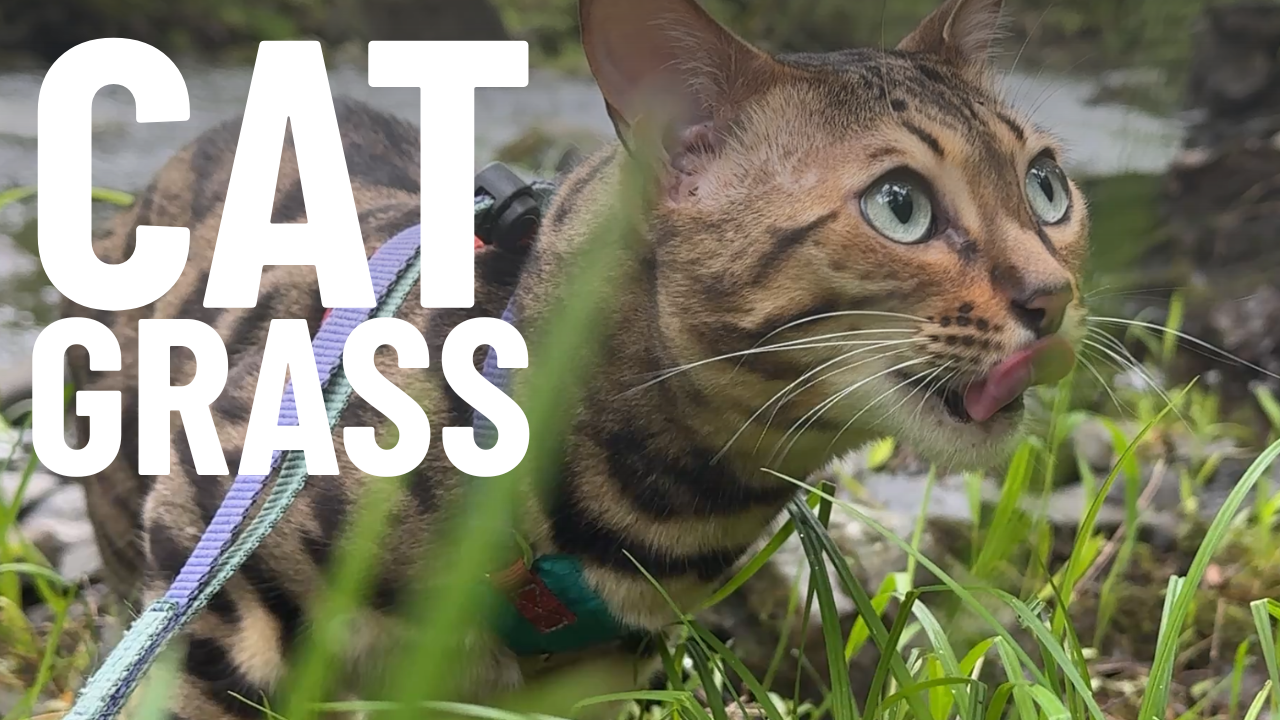
Have you ever wondered if yellow cat grass is still healthy for your furry friend? You want the best for your cat, and choosing the right plants can make a big difference in their well-being.
But with so much information out there, it’s easy to feel confused or worried. You’ll discover the truth about yellow cat grass—what it is, how it affects your cat’s health, and whether it’s a safe choice. Keep reading to find out how you can keep your pet happy and healthy with the right grass.

Credit: www.outdoorbengal.com
Health Benefits Of Yellow Cat Grass
Yellow cat grass isn’t just a quirky addition to your home or garden; it offers real health benefits that many pet owners and plant enthusiasts appreciate. Understanding these benefits can help you decide if this vibrant grass is a worthy part of your daily routine or your pet’s diet. Let’s look deeper into what makes yellow cat grass a healthy choice.
Nutritional Value
Yellow cat grass is packed with essential nutrients such as vitamins A, C, and E. These vitamins support your immune system and help maintain healthy skin and eyes. It also contains fiber, which can improve overall digestion.
If you’re looking for a natural way to boost your diet or your pet’s nutrition, adding yellow cat grass can be a simple step that delivers multiple benefits.
Digestive Support
One of the key benefits of yellow cat grass is its ability to support digestion. The fiber in the grass helps regulate bowel movements and reduce constipation. This can be especially helpful for pets that tend to have sensitive stomachs.
Have you noticed how your cat or even yourself feel lighter after munching on some fresh grass? That’s the fiber working to keep your digestive system running smoothly.
Detoxification Properties
Yellow cat grass is believed to have natural detoxifying effects. It helps flush out toxins from the body, which can improve overall health and energy levels. The chlorophyll in the grass also aids in cleansing the blood.
Adding a small amount of yellow cat grass to your routine might help your body eliminate harmful substances more efficiently. Could this simple plant be a natural ally in your health journey?
Credit: www.angi.com
Comparing Yellow Cat Grass To Other Varieties
When choosing cat grass for your feline friend, understanding how yellow cat grass stacks up against other varieties can help you make the best decision for their health. Each type offers unique benefits, but not all grasses are created equal in terms of nutrition, care, and cat preference. Let’s break down these differences to see if yellow cat grass truly remains a healthy choice.
Differences In Nutrient Content
Yellow cat grass tends to have a slightly different nutrient profile compared to popular varieties like wheatgrass or oat grass. It usually contains a good mix of fiber and essential vitamins such as vitamin A and folate, which support digestion and overall health.
However, wheatgrass often boasts higher chlorophyll levels, which can help detoxify your cat’s system. Oat grass, on the other hand, may offer more antioxidants. If your cat has specific dietary needs, these subtle differences could influence your choice.
Growth And Maintenance
Yellow cat grass is generally easy to grow indoors, requiring moderate sunlight and regular watering. It typically grows faster than some other grasses, allowing for quicker replenishment if your cat loves to munch often.
Compared to wheatgrass, which can be a bit more delicate, yellow cat grass is forgiving for beginners. Oat grass might take a bit longer to mature, but it can thrive well in cooler conditions. Your growing environment and time commitment should guide your selection.
Suitability For Cats
Most cats enjoy yellow cat grass because of its mild taste and soft texture, making it easy to chew and digest. Some cats might prefer the slightly sweeter or more fibrous feel of oat or wheatgrass, so offering a variety could reveal your pet’s favorite.
Have you noticed your cat’s reaction to different grasses? Watching their preferences can tell you a lot about what their body craves. Yellow cat grass remains a reliable, healthy option, but don’t hesitate to experiment to find the best fit for your furry friend.
Potential Risks And Precautions
Yellow cat grass can be a healthy treat for your feline friend, but it’s important to be aware of potential risks and take necessary precautions. Understanding these risks helps you keep your cat safe while still enjoying the benefits of this natural supplement.
Toxicity Concerns
Yellow cat grass is generally safe, but some varieties or contaminated plants might contain harmful substances. Pesticides or fertilizers used during growth can pose toxicity risks to your cat. Always ensure you buy organic or home-grown grass to avoid exposing your pet to chemicals.
Have you ever wondered if the grass you offer might contain hidden dangers? Double-checking the source of your cat grass can prevent accidental poisoning.
Overconsumption Effects
Eating too much yellow cat grass can upset your cat’s stomach. Symptoms like vomiting or diarrhea may occur if your cat overindulges. Some cats might also develop mild allergic reactions if they consume excessive amounts.
Observe your cat’s behavior after introducing the grass. If you notice any discomfort, reduce the amount or frequency of serving it.
Safe Usage Tips
- Introduce yellow cat grass gradually to monitor tolerance.
- Provide fresh grass and replace it regularly to avoid mold growth.
- Keep the grass out of reach from other pets who might react differently.
- Consult your vet if your cat has existing health issues or takes medication.
Have you set a routine for how often your cat gets grass? Regular but controlled servings help maintain health without risks.

Credit: www.outsidepride.com
How To Grow And Care For Yellow Cat Grass
Yellow Cat Grass is a delightful addition to any cat-friendly home. This vibrant plant is not only decorative but also a treat for your furry friends. Growing and caring for Yellow Cat Grass is simple. Follow these guidelines to ensure your plant thrives.
Ideal Growing Conditions
Yellow Cat Grass flourishes in mild temperatures. Aim for a range between 60°F and 75°F. Ensure the soil is well-draining. Sandy or loamy soil types work best. A neutral pH level is ideal. Keep it between 6.0 and 7.0 for optimal growth.
Watering And Light Needs
Water the grass regularly, but avoid overwatering. Soil should be moist, not soggy. Allow the top inch of soil to dry before watering again. Bright, indirect sunlight suits Yellow Cat Grass. A windowsill with filtered light is perfect.
Harvesting And Storage
Trim the grass when it reaches about four inches. Use clean scissors to cut. This encourages fresh growth and keeps the plant healthy. Store harvested grass in the refrigerator. Use an airtight container to maintain freshness.
Signs Your Cat Benefits From Cat Grass
Noticing changes in your cat’s behavior or health after introducing yellow cat grass can reveal if it’s truly benefiting them. Cats often show subtle signs that indicate the grass is helping with their digestion, mood, or overall well-being. Paying attention to these signs can help you decide whether to keep this green treat in your home.
Behavioral Changes
Your cat might become more playful or relaxed after eating cat grass. Some cats seem calmer and less anxious, which suggests the grass is soothing their stomach or mind. Have you noticed your cat spending more time near the grass or gently nibbling it? That’s a clear sign they enjoy and benefit from it.
Improved Digestion
Yellow cat grass can help your cat pass hairballs more easily or avoid constipation. If your cat’s litter box habits improve or they vomit less frequently after munching on the grass, their digestion is likely getting a boost. Keep an eye out for smoother bowel movements and less discomfort—these are practical signals that cat grass supports their digestive system.
Enhanced Coat Health
A shiny, soft coat can indicate your cat is getting essential nutrients or better digestion from the grass. If your cat’s fur looks healthier or they scratch less, it might be because the grass helps remove toxins or improves nutrient absorption. Have you noticed your cat’s coat becoming glossier since adding cat grass to their routine?
Frequently Asked Questions
Is Yellow Cat Grass Safe For Cats To Eat?
Yes, yellow cat grass is safe for cats. It aids digestion and helps reduce hairballs naturally.
How Does Yellow Cat Grass Benefit Cat Health?
Yellow cat grass improves digestion, reduces hairballs, and provides essential nutrients. It also encourages natural chewing behavior in cats.
Can Yellow Cat Grass Cause Any Allergies In Cats?
Allergic reactions to yellow cat grass are rare. However, monitor your cat for any unusual symptoms after consumption.
How Often Should Cats Eat Yellow Cat Grass?
Cats can eat yellow cat grass daily in small amounts. Moderation prevents digestive upset and ensures health benefits.
Conclusion
Yellow cat grass remains a healthy choice for cats today. It helps with digestion and reduces hairballs naturally. Cats enjoy nibbling on it, which keeps them happy. Just ensure the grass is fresh and free from chemicals. Growing it at home is simple and safe.
This natural snack supports your cat’s well-being every day. Keep it clean and replace it often. Your cat will thank you with better health and energy. A small plant, big benefits. Worth adding to your pet care routine.



Leave a Reply