
Are you thinking about bringing a cat into your home but worried about aggressive behavior? Understanding which cat breeds are more prone to aggression can save you from future headaches and help you choose a feline friend that matches your lifestyle.
You’ll discover the key traits of certain cat breeds known for their feistier side. By knowing what to expect, you can create a happier, safer environment for both you and your pet. Keep reading to find out which cats might challenge your patience—and which ones could be the perfect calm companion.
Traits Linked To Aggression In Cats
Understanding the traits linked to aggression in cats helps you better manage their behavior and build a stronger bond. Aggression can show up in many forms, and recognizing these early signs is key to addressing potential issues. Your cat’s temperament is shaped by both their personality and environment, so knowing what to watch for can keep everyone safe and happy.
Common Aggressive Behaviors
Aggression in cats often appears through specific actions. These include:
- Hissing and growling:Warning signs that a cat feels threatened or uncomfortable.
- Swatting or scratching:Physical attempts to push away or defend against a perceived threat.
- Biting:Can range from playful nips to serious defensive attacks.
- Stalking and pouncing:Sometimes aggression mixes with predatory instincts, especially in play.
Have you noticed your cat suddenly swatting when you try to pet them? This behavior often signals their limits or stress.
Factors Influencing Cat Temperament
Several key factors shape whether a cat shows aggressive tendencies. Genetics play a role, but environment and experiences are just as important.
| Factor | Impact on Aggression |
|---|---|
| Breed | Some breeds are naturally more territorial or sensitive, which can increase aggressive behaviors. |
| Socialization | Cats exposed to positive human and animal interactions early tend to be less aggressive. |
| Stress and Environment | Loud noises, overcrowding, or changes in routine can trigger defensive aggression. |
| Health | Pain or illness often causes irritability and aggression. |
Think about your cat’s daily environment. Are there changes or stressors that might be pushing them toward aggressive behavior? Understanding these influences lets you adjust surroundings and interactions to reduce tension.
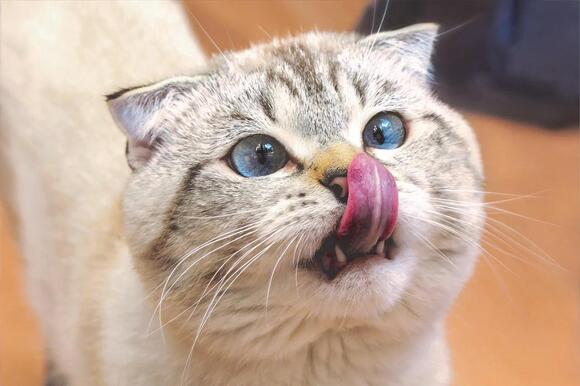
Credit: www.newsbreak.com
Top Aggressive Cat Breeds
Some cat breeds show more aggressive behavior than others. This can be due to genetics, environment, or how they are raised. Knowing which breeds tend to be more aggressive helps owners prepare and manage their pets better. Below are some of the top aggressive cat breeds known for their feisty personalities.
Siamese Cats
Siamese cats are very vocal and energetic. They demand attention and can become aggressive if ignored. Their sharp claws and teeth are part of their defense. They need lots of playtime and interaction to stay happy.
Bengal Cats
Bengals are wild-looking cats with strong hunting instincts. They can be territorial and may show aggression towards strangers. Bengals need plenty of exercise and mental stimulation to reduce aggressive behavior.
Sphynx Cats
Sphynx cats are friendly but can be stubborn. They may growl or swipe if annoyed. Their lack of fur makes them more sensitive to touch. Regular handling helps them feel secure and less aggressive.
Chow Cats
Chow cats are rare and known for their strong personalities. They can be protective and sometimes aggressive with other pets. Early socialization and training are important for Chow cats.
Other Notable Breeds
- Persian Cats – Usually calm but may hiss if stressed.
- Russian Blue – Shy but can bite when frightened.
- Scottish Fold – Gentle but may scratch if scared.
Genetics Vs Environment
Understanding whether a cat’s aggression comes from genetics or environment can help you manage behavior better. Both factors play important roles, but it’s not always clear which one weighs more. Let’s break down how nature and nurture influence aggression in cats.
Nature’s Role In Aggression
Some cat breeds are naturally more prone to aggressive behavior due to their genetics. For instance, Bengals and Siamese cats often have a higher energy level and territorial instincts, which can sometimes lead to aggression.
Genetics can affect how a cat responds to stress or unfamiliar situations. This means even within the same breed, some cats might be calm while others are more reactive.
Have you noticed your cat’s personality seems set from an early age, no matter how calm their environment is? That’s genetics at work.
Impact Of Upbringing And Socialization
The way a cat is raised plays a huge role in shaping its behavior. Cats that experience positive interactions with humans and other pets during their early weeks tend to be less aggressive.
Neglect, abuse, or lack of proper socialization can trigger defensive aggression, even in breeds known for being gentle.
Think about your own cat: Did you introduce them to people and other animals slowly and positively? That effort reduces fear-based aggression.
To help aggressive cats, focus on creating safe and consistent environments. Patience and gradual exposure to new experiences can lower aggression, regardless of breed.

Credit: thediscerningcat.com
Managing Aggression In Cats
Certain cat breeds, like Siamese and Bengal, may show more aggressive behavior. Understanding each breed helps manage their moods better. Aggression often depends on environment and training, not just breed alone.
Managing aggression in cats is essential for a peaceful home. Aggression can stem from fear, territorial issues, or health problems. Understanding the root cause is the first step. With patience, owners can guide their cats towards calmer behavior.Training Techniques
Training helps modify unwanted behavior in cats. Use positive reinforcement to encourage good behavior. Reward your cat with treats or affection. Consistency is key. Set clear boundaries and stick to them. Avoid punishing aggressive behavior. It can worsen the situation. Instead, redirect your cat’s focus with toys. Interactive play sessions help release pent-up energy.Behavioral Therapy
Behavioral therapy can address deeper issues. Sometimes, aggression has psychological roots. A specialist can identify triggers and work on them. Therapy involves gradual desensitization to stressors. Create a safe space for your cat. Reduce environmental stress and anxiety. Patience is crucial in therapy. Progress might be slow but is rewarding in the end.When To Seek Veterinary Help
Some aggression needs professional help. Consult a vet if aggression escalates. Unexplained aggression might indicate health issues. Pain or discomfort can cause mood changes. A vet can rule out medical problems. They might suggest medication or specialized treatments. Early intervention prevents further complications. Prioritize your cat’s well-being for a harmonious relationship.Living Safely With Aggressive Cats
Living with an aggressive cat can feel challenging, but it doesn’t have to be unsafe or stressful. Understanding how to create a peaceful space and handle your cat carefully can make a huge difference. Your cat’s behavior often reflects their environment and how you interact with them.
Creating A Calm Environment
Your home should be a sanctuary for your cat, especially if they show aggressive tendencies. Keep noise levels low and avoid sudden loud sounds that might startle your cat. Make sure they have quiet spots where they can retreat and feel secure.
Use soft lighting and provide plenty of vertical space like shelves or cat trees. Cats feel safer when they can observe from above. Also, consider using calming pheromone diffusers designed for cats; they can reduce stress and aggression.
Have you noticed your cat’s aggression spikes during certain times or situations? Tracking these can help you adjust their environment to prevent triggers. Consistency in feeding and playtimes also builds a sense of security for your cat.
Handling Tips For Owners
Approach your aggressive cat calmly and confidently. Avoid sudden movements or loud voices, as these can escalate their aggression. Instead, use slow, deliberate actions and speak in a soft tone.
Learn to read your cat’s body language. If you see flattened ears, twitching tails, or dilated pupils, these are signs to give your cat space. Respect their signals and don’t force interaction when they’re uncomfortable.
When you need to handle your cat, try wrapping them gently in a towel to prevent scratches. Use treats to reward calm behavior and build positive associations with handling. Have you tried redirecting their energy with interactive toys before attempting to pick them up?
Building trust takes time. Be patient and consistent, and your cat will gradually feel safer and less aggressive around you. What small changes can you make today to improve your cat’s comfort and your relationship?

Credit: www.hindustantimes.com
Frequently Asked Questions
Which Cat Breeds Show The Most Aggressive Behavior?
Some breeds like Siamese, Bengal, and Sphynx may show higher aggression. Genetics and environment both influence aggression levels.
Are Aggressive Cat Breeds Harder To Train?
Yes, aggressive breeds often require more patience and consistent training. Early socialization helps reduce aggressive tendencies effectively.
What Triggers Aggression In Usually Calm Cat Breeds?
Triggers include fear, pain, territorial disputes, or lack of socialization. Identifying triggers helps manage and reduce aggression in cats.
Can Aggressive Behavior Be Managed In Any Cat Breed?
Yes, with proper training, socialization, and environment adjustments, aggression can be controlled. Professional advice may be necessary for persistent aggression.
Conclusion
Aggression in cats depends on many factors, not just breed. Each cat has a unique personality and history. Proper care, training, and love can reduce aggressive behavior. Know your cat’s signs and respect their space. Understanding breeds helps, but patience matters most.
Choose a cat that fits your lifestyle and home. Safe, happy cats make better pets and friends.



Leave a Reply