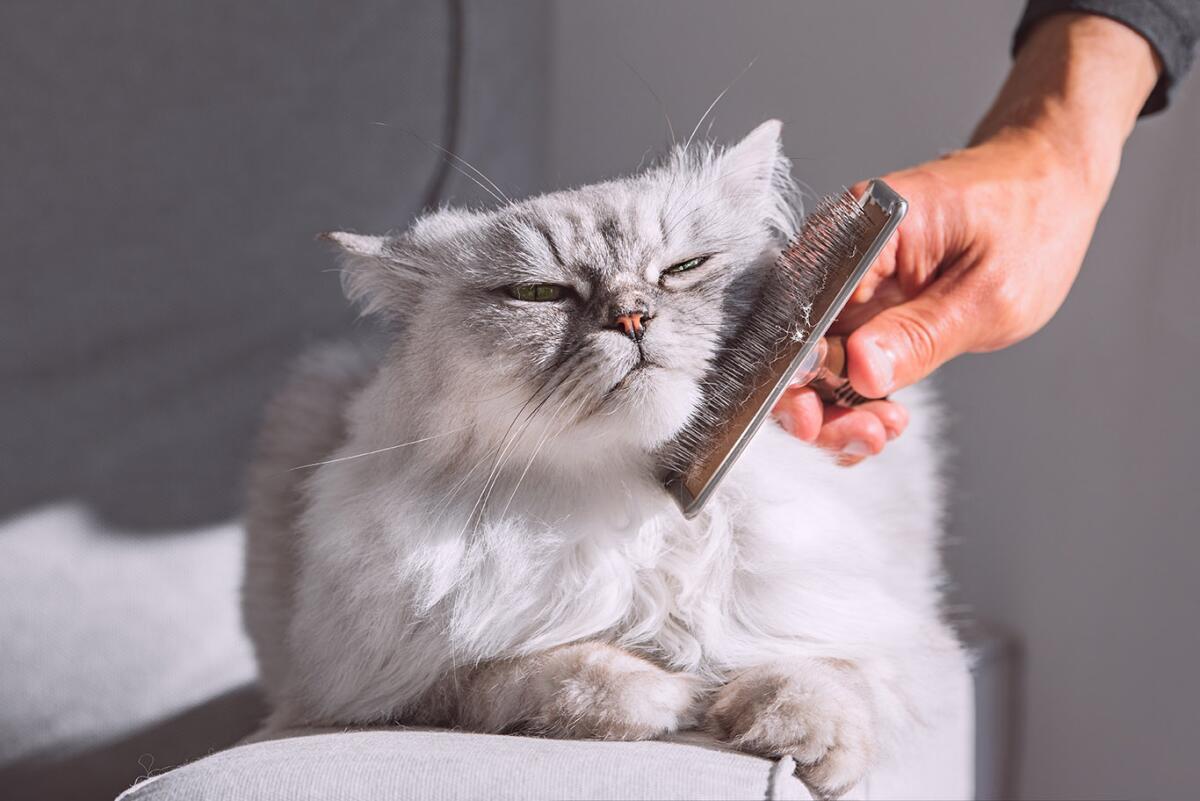
Grooming your cat might seem like a simple task, but it can make a huge difference in your furry friend’s health and happiness. If you’ve ever wondered how to groom a cat without causing stress or fuss, you’re in the right place.
This guide will show you easy steps to keep your cat’s coat shiny, skin healthy, and claws in check. By the end, you’ll feel confident and ready to make grooming a calm and enjoyable part of your routine. Let’s dive in and discover how to give your cat the care it deserves.

Credit: www.latimes.com
Choosing The Right Grooming Tools
Choosing the right grooming tools is essential to make grooming your cat a smooth and enjoyable experience for both of you. Using the wrong tools can cause discomfort or even harm your pet, while the right ones help maintain their coat and health effectively. Let’s look at the key tools you need and how to pick the best options for your cat’s specific needs.
Brush Types For Different Coats
Different cats have different coat types, and each coat needs a specific kind of brush. Short-haired cats do well with a rubber brush or a bristle brush to remove loose fur and dirt gently.
Long-haired cats benefit from a slicker brush, which detangles mats and prevents knots. You might also want to add a wide-toothed comb for stubborn tangles. Ask yourself: Does your cat’s coat get tangled easily? That can guide your choice.
Nail Clippers And Trimmers
Keeping your cat’s nails trimmed prevents damage to furniture and reduces the risk of painful scratches. Look for clippers designed specifically for cats; they usually have a safety guard to avoid cutting too close to the quick.
Scissor-style clippers or guillotine clippers are popular choices. Some cats tolerate nail trimming better with a quieter tool. Have you noticed if your cat reacts more to sound or handling? That insight helps you pick the right trimmer.
Shampoos And Conditioners
Using the right shampoo is crucial since cats have sensitive skin. Choose a shampoo formulated specifically for cats, avoiding products with harsh chemicals or strong fragrances.
Conditioners can help if your cat has a long or dry coat, making the fur softer and easier to manage. Always rinse thoroughly to prevent residue buildup. Have you ever noticed your cat scratching more after a bath? That could mean the shampoo isn’t the best fit.
Preparing Your Cat For Grooming
Preparing your cat for grooming is essential for a smooth and stress-free experience. Cats can be sensitive to touch and new routines. Taking time to prepare helps your cat feel safe and relaxed. It also makes grooming easier for you. Focus on creating a calm setting, building comfort, and keeping a regular grooming schedule.
Creating A Calm Environment
Choose a quiet room with few distractions. Soft lighting and gentle sounds help your cat stay calm. Remove loud noises and strong smells from the area. Use a comfortable surface like a soft towel or mat. Keep all grooming tools within reach to avoid rushing.
Getting Your Cat Comfortable
Spend time petting and talking softly to your cat. Let your cat explore the grooming tools before you start. Try short sessions to build trust and reduce fear. Reward your cat with treats or gentle praise. Watch your cat’s body language for signs of stress.
Setting A Grooming Schedule
Regular grooming keeps your cat healthy and happy. Choose consistent days and times for grooming sessions. Short, frequent sessions work better than long, rare ones. Adjust the schedule to your cat’s needs and tolerance. A routine helps your cat expect and accept grooming.
Brushing Techniques
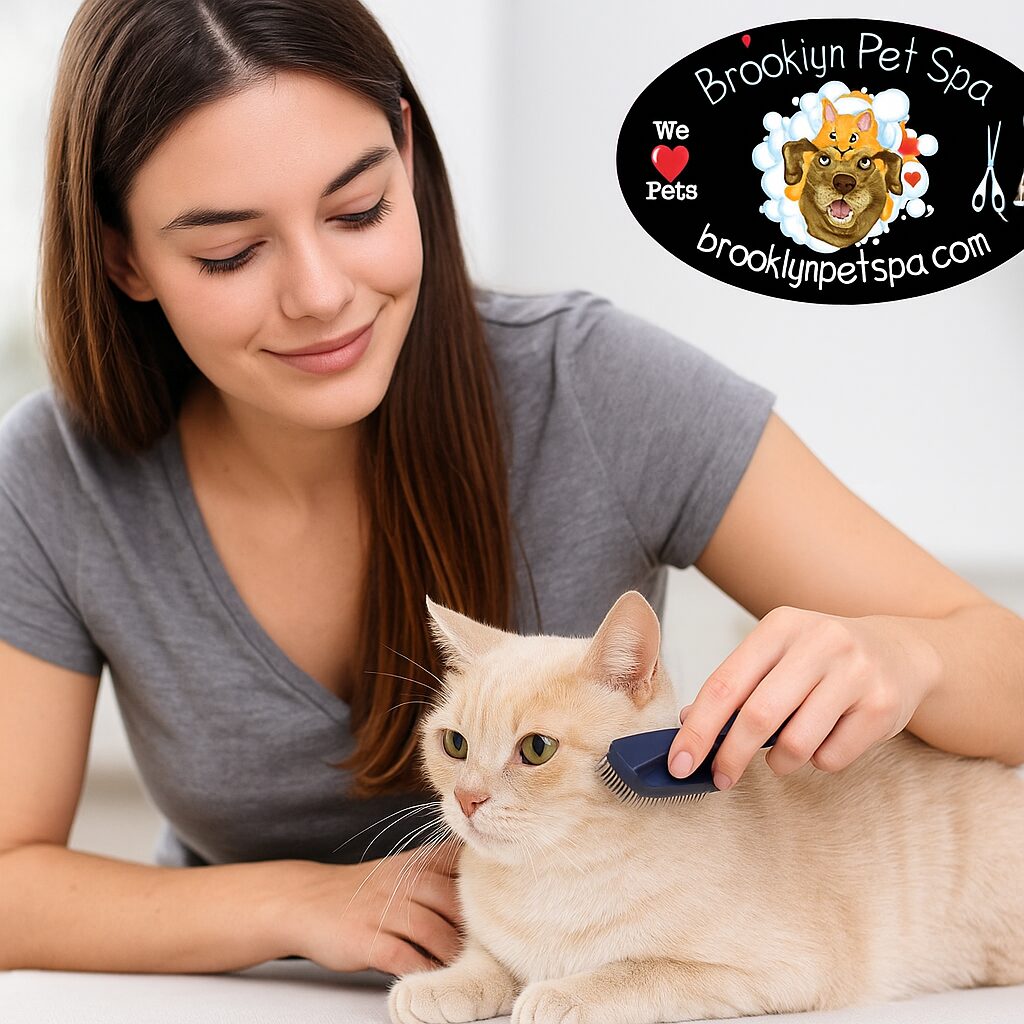
Brushing is key to keeping a cat’s coat clean and healthy. It removes loose hair and dirt. It also prevents mats and tangles. Good brushing makes your cat feel loved and relaxed. Using the right technique helps avoid hurting your cat’s skin. Patience and gentle strokes are important. Let the cat get used to the brush slowly.
How Often To Brush
Short-haired cats need brushing once or twice a week. Long-haired cats require daily brushing. Regular brushing stops hairballs and keeps fur shiny. Adjust frequency based on your cat’s breed and activity. Watch your cat’s comfort and mood during brushing.
Handling Matted Fur
Mats can hurt and trap dirt. Start by gently separating the mat with fingers. Use a wide-toothed comb to loosen it carefully. Hold the fur near the skin to avoid pulling. Cut mats only if necessary, with blunt scissors. Ask a groomer for help with tough mats.
Dealing With Shedding
Shedding increases in spring and fall. Brush more often during these times. Use brushes designed to remove loose undercoat fur. Regular brushing lowers hair around your home. Clean your brush often to keep it effective. Offer treats to make brushing a happy time.
Bathing Your Cat
Bathing a cat requires gentle care and patience. Use warm water and mild shampoo, keeping your cat calm throughout. Always dry your cat thoroughly to prevent chills.
Bathing your cat can seem daunting. Cats are known for their self-grooming habits. Sometimes, though, a bath becomes necessary. Whether it’s due to dirt or a vet’s recommendation, understanding the process helps. This section will guide you through the essentials of bathing your feline friend. From knowing when to bathe to drying tips, we’ve got you covered.When To Bathe Your Cat
Cats generally need a bath if they get very dirty. Also, if they have fleas or skin issues. Long-haired breeds might need more regular baths. Always consider your cat’s health and behavior. Consult a vet if unsure.Step-by-step Bathing Guide
- Gather all necessary supplies before starting.
- Use a cat-friendly shampoo only.
- Fill the tub with a few inches of lukewarm water.
- Gently place your cat in the water.
- Wet their fur using a small cup or spray nozzle.
- Apply shampoo and lather gently. Avoid eyes and ears.
- Rinse thoroughly to remove all soap.
- Be calm and speak softly to your cat throughout.
Drying Tips
Use a soft towel to dry your cat. Pat gently to absorb water. If your cat tolerates it, use a hairdryer on a low setting. Keep the dryer at a safe distance. Ensure your cat is completely dry, especially in cooler weather.Nail Care
Nail care is an important part of grooming your cat. Well-maintained nails keep your cat comfortable and protect your furniture. Regular attention to your cat’s nails helps avoid pain and injury. Understanding the basics of nail care makes the process easier for both you and your cat.
Trimming Nails Safely
Choose a quiet place to trim your cat’s nails. Use sharp, clean nail clippers made for pets. Hold your cat’s paw gently but firmly. Cut only the clear, white tip of the nail. Avoid the pink part called the quick. Cutting the quick causes pain and bleeding. If you accidentally cut it, apply styptic powder or cornstarch to stop bleeding.
Signs Of Overgrown Nails
- Nails curling into the paw pads
- Difficulty walking or limping
- Scratches on furniture or skin
- Snagging on carpets or fabrics
- Nails longer than usual or visibly sharp
Check nails regularly to spot these signs early. Long nails can cause infections and discomfort.
Alternatives To Clipping
Some cats dislike nail trimming. Try these options:
- Use a nail grinder to file nails smoothly
- Place nail caps on claws to prevent damage
- Provide scratching posts to wear nails down naturally
- Trim nails during play when your cat is relaxed
Choose the method that suits your cat’s comfort and behavior best.
Credit: brooklynpetspa.com
Ear And Eye Care
Ear and eye care are essential parts of grooming a cat. These areas need gentle attention to keep your cat healthy and comfortable. Regular cleaning prevents infections and discomfort. Watch your cat’s ears and eyes for any changes or signs of trouble. Proper care helps avoid serious problems.
Cleaning Ears Properly
Use a soft cloth or cotton ball dampened with a vet-approved ear cleaner. Avoid using cotton swabs inside the ear canal. Gently wipe the outer ear and folds. Look for dirt, wax, or redness. Clean ears once a week or as needed. Stop if your cat shows pain or irritation.
Managing Tear Stains
Tear stains appear as dark marks under the eyes. Use a damp cloth or pet-safe wipe to clean the area daily. Wipe gently from the inner corner outward. Keep fur around eyes short to prevent staining. Tear stains can be caused by allergies or blocked tear ducts. Regular cleaning reduces buildup and keeps your cat looking clean.
When To Consult A Vet
- Swelling, redness, or discharge from ears or eyes
- Bad odor coming from the ears
- Excessive scratching or pawing at ears or eyes
- Sudden changes in eye appearance or vision problems
- Persistent tear stains that worsen
Seek veterinary advice promptly if you notice any of these signs. Early treatment prevents complications and keeps your cat healthy.
Dental Hygiene
Dental hygiene is a key part of grooming your cat. Healthy teeth help your cat eat well and avoid pain. Regular care keeps their mouth clean and fresh. Poor dental health can lead to infections and other serious problems.
Brushing Your Cat’s Teeth
Brushing your cat’s teeth removes plaque and prevents tartar. Use a soft toothbrush made for cats. Choose toothpaste with flavors cats like, such as poultry or fish. Avoid human toothpaste as it can harm cats.
Start slowly by letting your cat lick the toothpaste. Then gently brush a few teeth at a time. Be patient and calm. Brush teeth at least twice a week for best results.
Dental Treats And Toys
Dental treats help clean teeth while your cat chews. Look for treats designed to reduce plaque. Toys with textured surfaces also scrub teeth naturally. Chewing keeps gums healthy and reduces bad breath.
Offer dental treats and toys regularly as part of playtime. These tools support brushing and improve oral health. Always choose safe, cat-friendly products.
Preventing Oral Diseases
Check your cat’s mouth often for signs of problems. Red, swollen gums or bad breath may mean infection. Difficulty eating can signal dental pain. Early detection helps prevent serious disease.
Visit the vet for dental check-ups. Professional cleanings remove stubborn tartar. Follow your vet’s advice for home care. Good dental hygiene protects your cat’s overall health.
Addressing Grooming Challenges
Grooming a cat can bring many challenges. Each cat reacts differently to grooming routines. Some cats are calm, while others may feel stressed or scared. Understanding how to manage these challenges helps keep grooming safe and pleasant. Patience and gentle care make a big difference during grooming sessions.
Handling Anxious Cats
Anxious cats need extra care and calm surroundings. Start grooming in a quiet room with few distractions. Use a soft voice and slow movements to avoid startling them. Let the cat sniff the brush before starting. Short grooming sessions work best to prevent stress.
Try these tips to ease anxiety:
- Offer treats during and after grooming.
- Use a towel to gently hold the cat if needed.
- Take breaks if the cat shows signs of fear.
Dealing With Aggression
Some cats may show aggression during grooming. Signs include hissing, swatting, or biting. Stay calm and stop grooming if the cat becomes too upset. Avoid forcing the cat, which can worsen behavior.
To reduce aggression:
- Use gloves for protection.
- Choose grooming tools with soft bristles.
- Try grooming after the cat has exercised to release energy.
When To Seek Professional Help
Professional groomers handle difficult cats with experience. Seek help if grooming causes severe stress or injury risks. Vets can also advise on skin or coat problems.
Consider professional grooming if:
- Your cat’s fur is matted and hard to brush.
- The cat is very aggressive or fearful.
- You notice skin issues or parasites.
Benefits Of Regular Grooming
Regular grooming keeps a cat’s coat clean and healthy. It reduces shedding and prevents hairballs. Grooming also helps spot health issues early and strengthens your bond with your cat.
Grooming your cat regularly is more than just a routine chore—it’s a rewarding practice that enhances their well-being and your connection with them. When you take the time to groom your feline friend, you’re not only maintaining their appearance but also contributing to their overall health. Let’s explore the benefits that regular grooming can bring to both you and your cat.Improved Coat Health
Regular grooming significantly boosts your cat’s coat health. By brushing your cat frequently, you help distribute natural oils throughout their fur, which keeps it shiny and reduces shedding. Imagine a cat with a glossy, smooth coat that practically invites admiration. That’s the result of consistent grooming. Plus, regular brushing prevents matting and tangles, which can be uncomfortable or even painful for your cat.Early Detection Of Health Issues
Grooming time is a golden opportunity for a health check-up. As you run your hands through your cat’s fur, you can detect lumps, bumps, or skin issues early on. Catching these signs promptly can be crucial for your cat’s health. It’s like being an early warning system for your pet. Have you ever noticed something unusual during grooming that prompted a vet visit? That simple act can make a significant difference.Strengthening Your Bond
Grooming is not just about maintenance; it’s about connection. Spending time grooming your cat can strengthen your bond. Cats often purr contentedly when groomed, signaling their enjoyment and trust. These shared moments contribute to a deeper relationship. Have you noticed how your cat seeks out your attention more after a grooming session? It’s because you’ve built a sense of trust and companionship. Engage with your cat and see how grooming becomes an enjoyable ritual rather than a task. It’s not just about keeping them clean; it’s about enhancing their life and yours.
Credit: www.viovet.co.uk
Frequently Asked Questions
How Often Should I Groom My Cat?
Groom your cat at least once a week to prevent mats and hairballs. Long-haired cats need daily grooming. Regular brushing reduces shedding and keeps their coat healthy.
What Tools Are Best For Cat Grooming?
Use a soft-bristle brush for short-haired cats and a wide-toothed comb for long-haired cats. Nail clippers and grooming wipes are also helpful for overall care.
How Do I Make Grooming Stress-free For My Cat?
Create a calm environment and use gentle, slow strokes. Reward your cat with treats and praise. Start grooming sessions short and gradually increase the time.
Can Grooming Help With My Cat’s Health?
Yes, grooming removes dirt and loose fur, reducing allergies. It also helps you spot skin issues, ticks, or injuries early, keeping your cat healthy.
Conclusion
Grooming your cat keeps them healthy and happy. Regular brushing removes dirt and loose hair. It also helps prevent mats and tangles. Use gentle strokes to avoid hurting your cat. Check their ears, eyes, and nails while grooming. Make the process calm and positive.
This builds trust between you and your pet. A clean cat feels comfortable and cared for. Start grooming early to make it a habit. Your cat will thank you with purrs and affection. Simple steps lead to a strong bond with your furry friend.



Leave a Reply