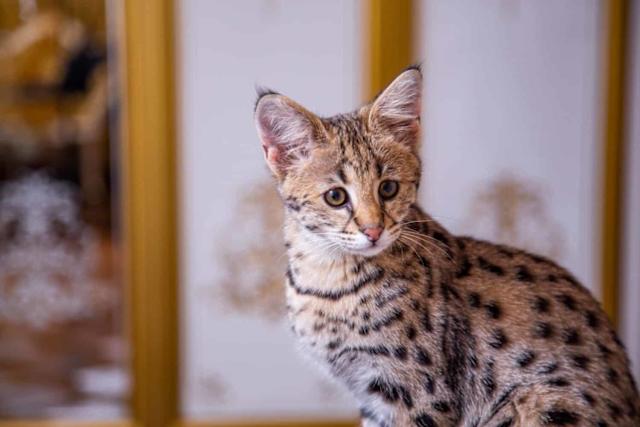
Have you ever wondered where your favorite modern cat breeds actually come from? Whether you’re a cat lover or just curious, understanding the roots of these unique feline friends can change the way you see them.
From their surprising beginnings to the traits that make them special, this story is full of twists you won’t want to miss. Keep reading, and you’ll discover fascinating facts that might just deepen your bond with your cat or inspire you to find your perfect new companion.

Credit: www.aol.com
Ancient Roots Of Domesticated Cats
The journey of modern cat breeds begins far back in history, rooted in wild ancestors that gradually adapted to life alongside humans. Understanding these ancient origins helps you appreciate why cats behave the way they do today. It also sheds light on how diverse breeds emerged from a common wild heritage.
Early Wild Ancestors
Your domestic cat’s earliest relatives were wildcats that roamed various parts of the world thousands of years ago. These wildcats were solitary hunters, skilled at stalking prey in forests and deserts. Their survival instincts and physical traits laid the foundation for today’s feline companions.
One notable ancestor is the African wildcat (Felis lybica), which still resembles many domestic cats in shape and behavior. As humans began farming, these wildcats found ample food by hunting rodents around grain stores. This natural pest control likely sparked the initial bond between cats and people.
Domestication Milestones
Domestication didn’t happen overnight—it was a slow process marked by small but significant changes. Around 9,000 years ago, in the Near East, cats began living closer to human settlements. Over generations, those with friendlier traits thrived, leading to more tame and sociable cats.
Archaeological findings reveal cats buried alongside humans, indicating their special status. Ancient Egyptians took domestication further by breeding cats selectively and even worshipping them. This cultural respect influenced the spread of cats across continents through trade and exploration.
Think about your cat’s behavior—its independence, hunting skills, and affectionate moments. These traits echo its ancient past. How might knowing this change the way you connect with your feline friend?

Credit: www.aol.com
Development Of Distinct Breeds
The development of distinct cat breeds is a fascinating journey shaped by both nature and human influence. Each breed carries traits that tell a story of adaptation, environment, and selective choices. Understanding how these breeds came to be helps you appreciate the diversity you see in cats today.
Natural Vs. Selective Breeding
Natural breeding happens when cats mate freely in their environment, passing down traits that help them survive. These traits often include coat patterns, body size, and behavior suited to their surroundings.
Selective breeding, on the other hand, is guided by humans who choose specific cats to mate based on desired features. This practice can create unique breeds with particular looks or temperaments, such as the sleek Siamese or the fluffy Maine Coon.
Have you ever noticed how some cat breeds look so different yet share common ancestors? That’s the power of selective breeding shaping the future of feline traits.
Role Of Geography In Breed Formation
Geography plays a key role in how cat breeds form and evolve. Cats living in isolated regions develop traits suited to their climate and lifestyle over time.
For example, the Norwegian Forest Cat adapted to cold, harsh winters with a thick, water-resistant coat. Meanwhile, the Egyptian Mau, native to warmer areas, has a short, spotted coat perfect for the desert heat.
Understanding where a breed comes from helps you see why they behave or look a certain way. It also raises a question: how might current environments influence future breeds you might welcome into your home?
Famous Modern Cat Breeds
Famous modern cat breeds have fascinating stories behind them. These breeds often come from selective breeding or natural adaptations. They reflect both human preferences and environmental factors. Their unique appearances and behaviors make them popular among cat lovers worldwide.
Origins Of Popular Breeds
Many modern cat breeds trace back to specific regions or natural mutations. The Siamese cat, for example, comes from Thailand. The Maine Coon originated in the United States, known for its large size. The Bengal breed was created by crossing domestic cats with Asian leopard cats. Each breed has a unique story that shaped its traits and popularity.
Unique Traits And Adaptations
Different breeds show special features suited to their environments or breeding goals. Siamese cats have striking blue eyes and short coats. Maine Coons have thick fur to survive cold climates. Scottish Folds are famous for their folded ears. These adaptations make each breed distinct and appealing.
Influence Of Human Culture
The relationship between humans and cats goes beyond companionship; it has directly influenced the development of modern cat breeds. Human culture, with its shifting values and aesthetics, has shaped which cats thrive and how they look. This cultural impact reveals much about our history and what qualities we prize in our feline friends.
Cats In Ancient Civilizations
Ancient Egyptians revered cats and often depicted them in art and sculpture. Cats were seen as protectors against evil spirits and symbols of grace. This cultural respect led to the selective breeding of cats with sleek bodies and striking appearances, traits still admired in breeds like the Egyptian Mau.
Similarly, in Japan, the Maneki-neko (beckoning cat) symbolizes good luck, influencing local cats’ popularity and preservation. In Norse mythology, cats pulled the chariot of the goddess Freyja, linking them to fertility and love, which encouraged their protection and integration into households.
Breeds Shaped By Cultural Preferences
Human preferences have steered the creation of specific breeds to match ideals of beauty and temperament. Persian cats, with their long, flowing coats and calm demeanor, became a status symbol in Western societies. This preference led breeders to focus on enhancing these features over generations.
In contrast, Siamese cats, valued for their striking markings and vocal nature, reflect Southeast Asian cultural aesthetics and communication styles. Their popularity abroad shows how cultural traits can cross borders and influence breed desirability worldwide.
- Do you notice how your own preferences for cat breeds might be shaped by cultural trends around you?
- Have you ever chosen a cat based on traits that reflect your personal or cultural identity?
Understanding the cultural roots behind cat breeds helps you appreciate the unique history carried by your pet. It also encourages you to consider how your choices continue to shape the future of these beloved animals.
Genetics Behind Breed Diversity
Modern cat breeds come from selective breeding that mixes different genes for unique traits. Genetic changes over time shape the variety we see today in cats worldwide.
The genetics behind breed diversity in cats is a fascinating topic that explains how the myriad of modern cat breeds have come to be. Each breed carries a unique genetic signature that contributes to its distinct appearance and behavior. Understanding these genetic factors not only helps breeders but also enhances our appreciation of these remarkable animals.Genetic Markers And Lineages
Genetic markers are like the fingerprints of cat breeds, providing clues about their ancestry and traits. These markers help scientists and breeders trace lineages and ensure breed purity. If you’ve ever wondered why a Siamese cat has striking blue eyes, it’s due to specific genetic markers that have been passed down through generations. Lineages play a critical role in maintaining breed characteristics. Think of a family tree, but with fur and whiskers. Breeders carefully select pairs to maintain desired traits, ensuring that each generation stays true to the breed’s standard. This practice not only preserves the breed’s history but also its future.Impact Of Hybridization
Hybridization introduces new and exciting traits into the gene pool. Crossing different breeds can result in cats with unique looks and personalities. Ever seen a Bengal cat with its wild, leopard-like spots? That’s the magic of hybridization at work. However, hybridization can also pose challenges. Introducing too many new genes can dilute a breed’s specific traits, leading to unexpected outcomes. It raises an interesting question: how much should we tinker with nature to create something new? Whether you’re a cat owner or just an enthusiast, understanding the genetics behind breed diversity offers a deeper connection to these beloved pets. Next time you look into your cat’s eyes, remember, there’s a world of genetic history behind that gaze.Breeding Practices Today
Breeding practices today have evolved significantly from the past. Modern breeders focus not just on looks but also on health, temperament, and genetic diversity. This shift reflects a deeper understanding of cats’ needs and the responsibilities breeders carry.
Ethical Considerations
Ethical breeding means prioritizing the well-being of cats over profit or appearance. You should ask yourself: Are the cats living in healthy conditions? Do breeders avoid inbreeding to reduce genetic disorders?
Many responsible breeders conduct health screenings before pairing cats. This reduces risks of hereditary diseases. It also ensures kittens have a better chance at a long, happy life.
Transparency is key. You deserve access to health records and information about the parents. This honesty builds trust and supports informed decisions when adopting a new pet.
Conservation Of Rare Breeds
Some cat breeds face the risk of disappearing due to low numbers. Breeders today play a crucial role in preserving these rare breeds. But how do they balance maintaining breed standards without narrowing the gene pool?
Careful selection and controlled breeding programs help maintain genetic diversity. Breeders sometimes collaborate globally to exchange cats, which prevents unhealthy inbreeding cycles.
This effort benefits not only the breed but also the wider feline population. Preserving rare breeds keeps unique traits alive and enriches the variety of cats you can enjoy as a pet owner.

Credit: www.newyorker.com
Frequently Asked Questions
Where Do Most Modern Cat Breeds Originate?
Most modern cat breeds come from natural mutations or selective breeding. Many originate in specific countries like Egypt, Persia, or the United States.
How Were Modern Cat Breeds Developed?
Modern breeds were developed through selective breeding to enhance traits like appearance, temperament, and health. Breeders chose cats with desirable features to create distinct breeds.
What Influences Cat Breed Characteristics?
Breed characteristics come from genetics, environment, and selective breeding. Traits like fur length, color, and behavior depend on inherited genes and breeding goals.
Are Modern Cat Breeds Genetically Diverse?
Some modern breeds have limited genetic diversity due to selective breeding. This can increase health issues, so responsible breeding maintains genetic variation.
Conclusion
Modern cat breeds come from a mix of nature and human care. People have bred cats to keep special traits and looks. Many breeds have roots in different countries and climates. Each breed tells a story about its past and place.
Cats today show how diverse and unique they are. Knowing their origins helps us appreciate them more. Every cat breed has something special to offer. This makes the world of cats rich and interesting.




Leave a Reply