Have you ever noticed your cat licking itself nonstop and wondered, “Can a cat groom too much?” You might think grooming is just a normal part of your feline’s routine, but sometimes, it can signal a problem. If your cat is spending hours each day cleaning, it could be more than just a habit—it might be a sign of stress, allergies, or even pain.
Understanding why your cat grooms excessively is key to keeping them happy and healthy. Keep reading to discover what’s behind this behavior and how you can help your furry friend feel their best.
Credit: pethelpful.com
Why Cats Groom
Cats spend a significant part of their day grooming themselves, but why exactly do they do it? Grooming is much more than just keeping clean. It plays a vital role in their physical health, emotional balance, and social behavior.
Natural Cleaning Habits
Cats groom to remove dirt, loose fur, and parasites from their coat. This self-cleaning habit keeps their fur smooth and free of tangles.
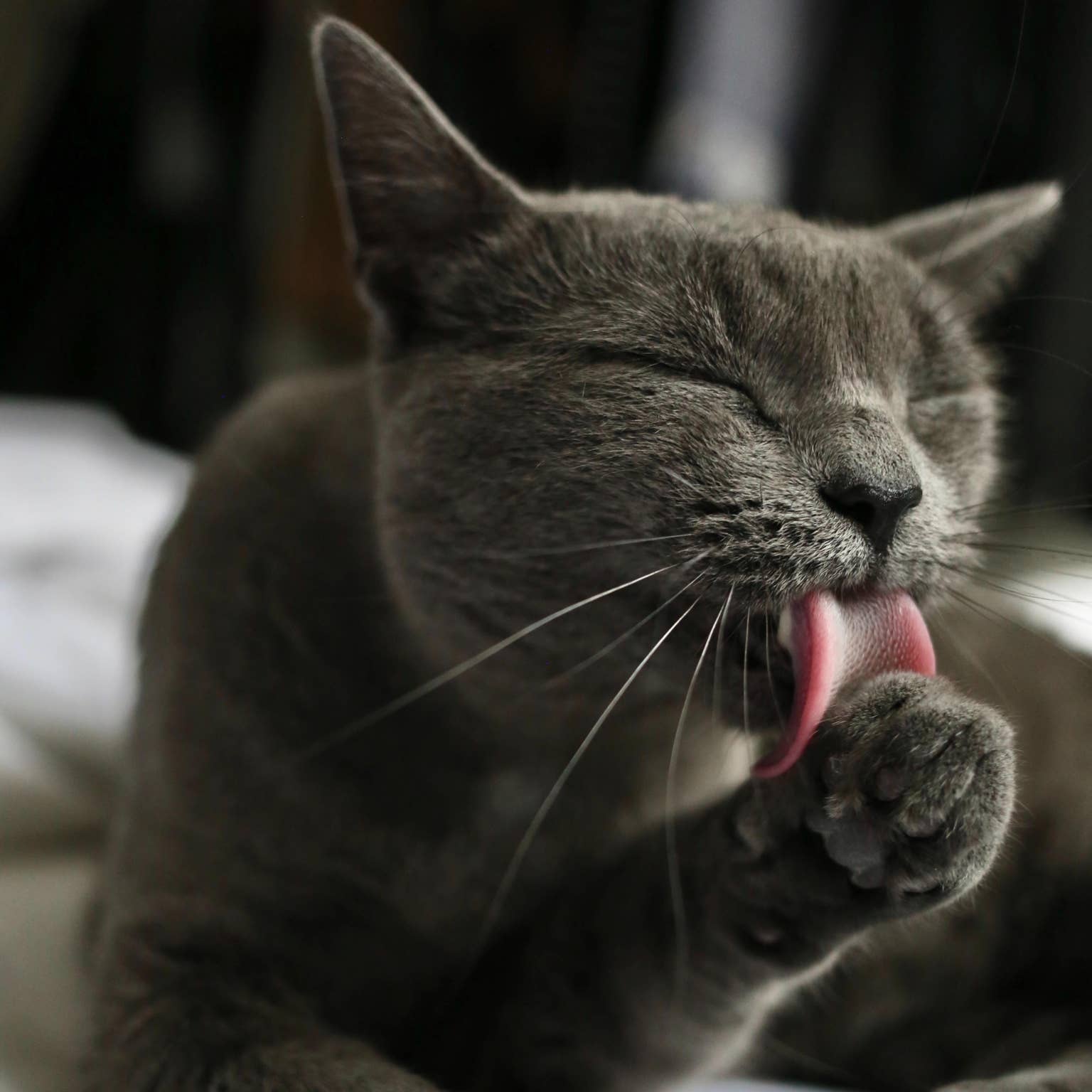
You might notice your cat licking its paws and then rubbing its face. This is their way of cleaning hard-to-reach areas, like around the eyes and ears.
Have you ever wondered why cats seem so particular about their cleanliness? It’s because grooming helps regulate their body temperature and prevents skin infections.
Stress And Anxiety Triggers
Grooming isn’t just about hygiene—it’s also a stress reliever. When your cat feels anxious, it may groom excessively to calm itself down.
If your cat suddenly starts licking or chewing its fur a lot, it could be a sign of stress or discomfort. Pay attention to changes in their environment that might be causing this.
Think about your own habits—do you ever bite your nails or twirl your hair when nervous? Cats use grooming in a similar way to handle anxiety.
Health Benefits Of Grooming
Grooming stimulates blood flow to the skin, helping your cat stay healthy and vibrant. It also spreads natural oils that protect their fur from damage.
Regular grooming removes dead skin cells and reduces shedding, which can help prevent hairballs.
Have you noticed your cat’s fur looking shinier after a grooming session? That’s a sign their coat is healthy and well-maintained.

Credit: brooklynpetspa.com
What Is Excessive Grooming
Grooming is a natural and essential activity for cats, helping them stay clean and comfortable. But can your feline friend groom too much? Excessive grooming goes beyond normal cleaning and can signal underlying issues that need your attention.
Normal Vs. Over Grooming
Normal grooming is a regular part of a cat’s daily routine. Cats spend about 15-50% of their waking hours grooming to remove dirt, loose fur, and parasites. This behavior keeps their coat healthy and reduces stress.
Over grooming, however, occurs when your cat grooms so much that it causes hair loss, skin irritation, or wounds. This can be a sign of physical problems like allergies or fleas, or emotional issues such as anxiety or boredom. Have you noticed your cat licking or biting the same spot repeatedly? That could be a red flag.
Common Grooming Patterns
Most cats follow a predictable grooming pattern. They start by cleaning their face and head, then move to their front legs, body, and tail. Grooming sessions usually last several minutes and are spaced out throughout the day.
- Short, frequent grooming breaks are typical.
- Intense focus on one area for long periods is unusual.
- Excessive licking or biting in one spot often leads to bald patches.
Understanding your cat’s grooming routine can help you spot when something changes. Are they suddenly grooming much longer or more often? That’s a sign worth investigating.
Signs Of Problematic Behavior
Recognizing when grooming becomes a problem is key to helping your cat. Look for:
- Hair loss or thinning in specific areas
- Red, inflamed, or scabbed skin
- Restlessness or signs of stress during grooming
- Changes in behavior like hiding or aggression
If your cat shows these signs, excessive grooming might be a symptom of allergies, parasites, pain, or emotional distress. Have you checked if your vet can identify the root cause? Catching these signs early can prevent bigger health issues.
Causes Of Over Grooming
Cats groom to keep clean and healthy. But too much grooming can signal problems. Over grooming causes vary and often point to health or emotional issues. Understanding these causes helps in caring for your cat properly.
Skin Allergies And Irritations
Allergies can make a cat itch and scratch. Common allergens include:
- Food ingredients
- Dust mites
- Pollen
- Chemicals in cleaning products
Skin irritations cause discomfort and lead to excessive licking or biting.
Parasites And Infections
Fleas, ticks, and mites cause intense itching. These parasites bite and irritate the skin. Bacterial or fungal infections also cause discomfort. Cats try to soothe irritated skin by grooming too much.
Emotional And Environmental Factors
Stress and anxiety affect a cat’s behavior. Changes like moving or new pets cause stress. Boredom can also lead to over grooming. Grooming becomes a way to self-soothe and relieve tension.
Pain And Discomfort Issues
Injuries or joint pain cause cats to lick certain areas. Pain often leads to focused grooming on one spot. This behavior tries to ease discomfort or irritation.
Warning Signs To Watch For
Cats clean themselves often, but too much grooming can harm them. Watch for signs that show your cat might be over-grooming. Early detection helps protect your cat’s skin and health.
Bald Patches And Redness
Look for areas where fur is missing. Bald patches can appear on the belly, legs, or neck. Skin may look red or irritated in these spots. This shows your cat is grooming too much.
Sores And Scabs
Check for open wounds or scabs on your cat’s body. These can form from constant licking or biting. Sores may be painful and cause your cat to groom even more.
Changes In Behavior
Your cat may act differently if grooming too much. It might seem restless or anxious. Sometimes cats hide or become less active. Watch for these behavior shifts as warning signs.
Excessive Licking Sounds
Listen for repeated licking noises. If your cat licks loudly or often, it might be grooming excessively. This can indicate stress or skin problems needing attention.
Health Risks Of Over Grooming
Cats are known for their fastidious grooming habits, often spending hours licking and cleaning their fur. However, when grooming becomes excessive, it can lead to several health risks. Understanding these risks is crucial to ensuring your feline friend’s well-being.
Skin Damage And Infections
Excessive grooming can cause serious skin damage. Your cat’s rough tongue can create raw patches, leaving the skin vulnerable to infections. If you notice red, irritated spots, it’s time to consult your vet.
Infections can develop quickly, especially if your cat goes outdoors. Keep an eye out for unusual odors or discolored skin, which may indicate a bacterial or fungal infection.
Hair Loss Complications
Over grooming often leads to hair loss, which can be distressing for both you and your cat. Bald patches aren’t just a cosmetic issue; they can expose your cat to further skin problems.
Without their fur’s natural protection, cats are more susceptible to sunburn and temperature fluctuations. Make sure your cat stays comfortable and safe, and consider indoor options if hair loss is significant.
Stress-related Illnesses
Did you know that excessive grooming can be a sign of stress? Cats often groom themselves as a way to cope with anxiety, but it can spiral into a harmful habit.
Stress-related grooming can lead to severe health issues, including digestive problems from ingesting too much hair. Ask yourself: could there be stressors in your cat’s environment that you can address?
Offering a calm, stable environment with plenty of play can help reduce stress. Your cat’s mental health is just as important as their physical health.
Credit: www.preventivevet.com
How To Help Your Cat
Helping a cat that grooms too much requires patience and careful attention. Excessive grooming can signal health or emotional issues. Understanding the root cause is key to providing the right support. Observe your cat’s behavior closely and take steps to improve their well-being.
Veterinary Diagnosis
Start with a visit to the vet. A professional can check for skin problems, allergies, or parasites. They may also evaluate for pain or infections that cause discomfort. A clear diagnosis helps target the right treatment. Do not ignore signs like redness or hair loss.
Treatment Options
Treatment depends on the vet’s findings. It may include medication for allergies or infections. Special shampoos or topical creams can soothe irritated skin. Sometimes, supplements improve coat health. Follow the vet’s instructions closely for best results.
Environmental Enrichment
Keep your cat’s environment stimulating. Toys, scratching posts, and climbing trees reduce boredom. New play objects can distract from over-grooming. Regular interaction with your cat builds trust and eases anxiety. Rotate toys to maintain interest and excitement.
Stress Reduction Techniques
Stress often triggers excessive grooming. Create calm spaces where your cat feels safe. Gentle petting and quiet time help reduce anxiety. Use pheromone diffusers designed for cats to promote relaxation. Consistent routines provide comfort and lower stress levels.
Preventing Excessive Grooming
Excessive grooming in cats can signal stress, health issues, or discomfort. Preventing this behavior involves thoughtful care and attention. Focus on keeping your cat healthy, happy, and comfortable.
Regular Health Checks
Frequent vet visits help catch skin problems or parasites early. Monitor your cat’s skin and coat for redness, bumps, or hair loss. Early detection can stop grooming issues before they worsen.
Balanced Diet And Hydration
A healthy diet supports skin and coat health. Provide food rich in essential fatty acids and nutrients. Always keep fresh water available to prevent dry skin and irritation.
Safe And Comfortable Environment
Create a calm and secure space for your cat. Reduce loud noises and sudden changes that cause stress. Cozy bedding and quiet spots help your cat relax and feel safe.
Engaging Playtime Activities
Regular play distracts your cat from over-grooming. Use toys that encourage physical and mental exercise. Interactive play strengthens your bond and keeps your cat active and happy.
Frequently Asked Questions
Can A Cat Groom Itself Too Much?
Yes, cats can groom excessively. Over-grooming may indicate stress, allergies, or skin issues. It’s important to monitor and consult a vet if needed.
What Causes A Cat To Over-groom?
Common causes include anxiety, parasites, allergies, or skin infections. Identifying the root cause helps in managing and treating over-grooming effectively.
How To Stop A Cat From Over-grooming?
Provide mental stimulation, reduce stress, and treat underlying health issues. Consult a vet for proper diagnosis and treatment options to prevent over-grooming.
Is Over-grooming Harmful To Cats?
Yes, over-grooming can cause skin irritation, hair loss, and infections. Early intervention is crucial to protect your cat’s skin and overall health.
Conclusion
Cats groom to stay clean and healthy. Too much grooming can signal stress or health issues. Watch for bald spots or skin problems on your cat. A visit to the vet helps find the cause. You can support your cat with a calm environment.
Proper care and attention keep your cat happy. Understanding your cat’s grooming habits helps you care better. Keep an eye on changes and act quickly. Your cat’s well-being matters most.




Leave a Reply