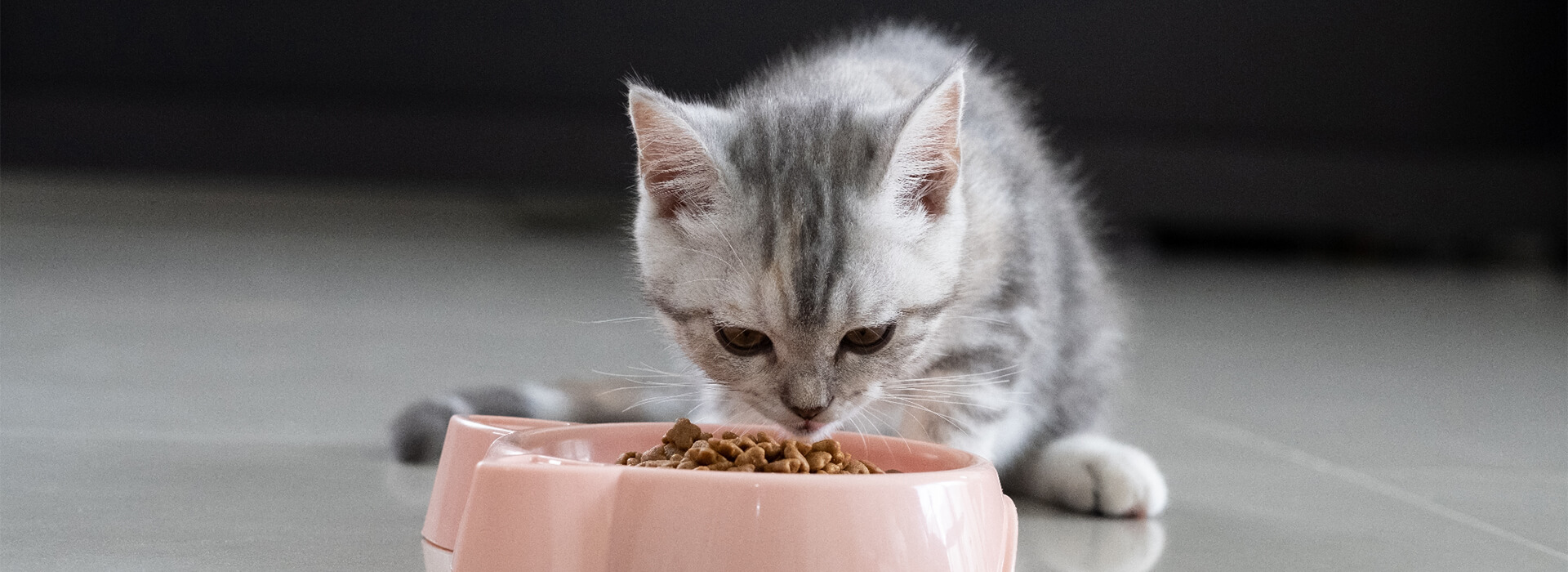
If you’ve just welcomed a playful kitten into your home, you’re probably wondering when it’s the right time to switch from kitten food to adult cat food. Feeding your kitten the right diet at the right time is crucial for their health and growth.
But how do you know when to make this important change? Keep reading, because getting this timing right can set your cat up for a strong, healthy life—and you don’t want to miss these key signs and expert tips. Your kitten’s future starts with what’s in their bowl!

Credit: www.purina.com
Kitten Growth Stages
Kittens grow quickly and need different foods at each stage. Understanding their growth stages helps decide the right time to switch to adult cat food. Each phase has unique needs for nutrition and care.
Neonatal Phase
This phase lasts from birth to two weeks old. Kittens rely entirely on their mother’s milk. They cannot eat solid food or drink water yet. Milk gives all nutrients for fast growth and immune support.
Weaning Period
Weaning starts around three to four weeks old. Kittens begin trying soft, mushy food. Gradually, their teeth grow and they learn to eat solids. This period is key to introducing new foods safely.
Juvenile Development
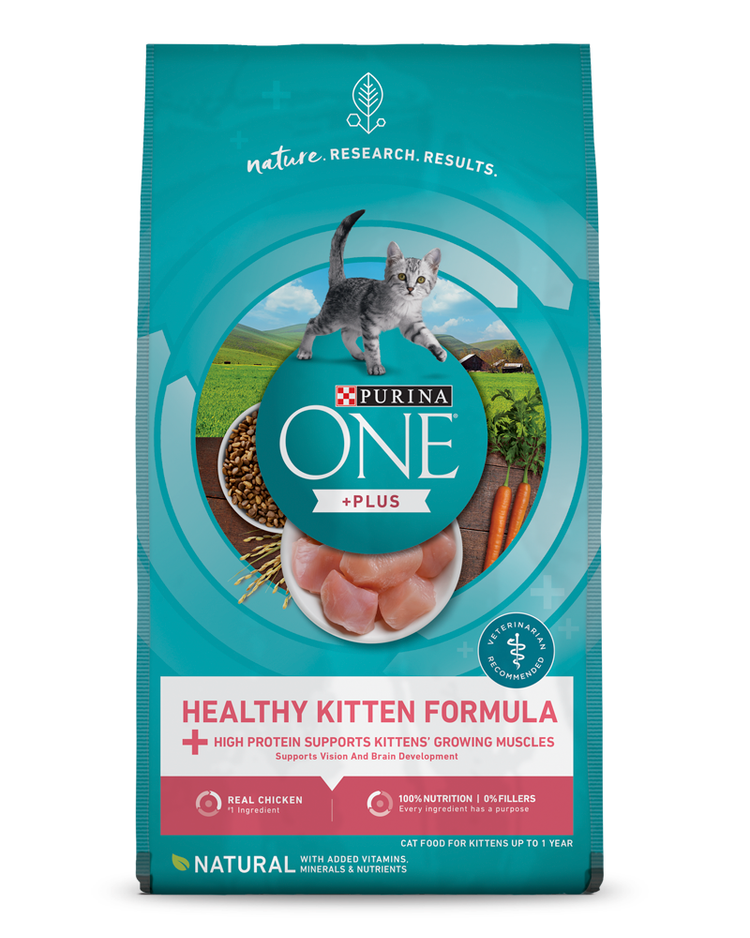
From eight weeks to about six months old, kittens eat mostly solid food. Their energy needs remain high for active play and growth. Transitioning to adult cat food usually happens near this stage but depends on the kitten’s size and health.
Credit: www.purina.com
Nutritional Needs Of Kittens
Kittens grow fast and need special nutrition to stay healthy. Their bodies require more energy and nutrients than adult cats. Feeding them the right food supports strong bones, sharp minds, and a healthy immune system. Understanding their nutritional needs helps decide the right time to switch to adult cat food.
Essential Nutrients
Kittens need proteins, fats, vitamins, and minerals in high amounts. Protein builds muscles and repairs tissues. Fats give energy and help brain development. Vitamins like A, D, and E support vision and bone growth. Minerals such as calcium and phosphorus strengthen teeth and bones.
Caloric Requirements
Kittens burn more calories than adult cats. Their fast growth demands extra energy daily. A kitten needs about twice the calories per pound of body weight compared to an adult cat. Feeding enough calories prevents weight loss and supports active play and learning.
Differences From Adult Cats
Kittens require more protein and fat than adult cats. Their digestive systems are still developing and need easily digestible food. Adult cat food has less fat and protein, which may not support kitten growth. Feeding adult food too early can lead to poor development and nutrient gaps.
Signs Your Kitten Is Ready
Knowing when to switch your kitten to adult cat food is important for their health. Kittens grow fast, and their diet should change as they develop. Certain signs show your kitten is ready for adult food. Watch your kitten closely for these signals.
Physical Indicators
- Your kitten’s size is close to adult weight.
- Teeth are fully developed and strong.
- Fur looks thicker and shinier than before.
- Energy levels become steadier, less hyperactive.
Behavioral Changes
- Your kitten spends more time exploring and less playing.
- Interest in solid foods increases noticeably.
- Begins to eat independently without help.
- Shows less need for constant attention or nursing.
Appetite Shifts
- Kitten eats more during each meal than before.
- Prefers a variety of textures and tastes in food.
- Stops nursing or drinking milk regularly.
- Begins to finish meals quickly and eagerly.
Timing For Transition
The transition from kitten to adult cat food is crucial. It ensures your kitten’s nutritional needs are met. Knowing the right time to switch is essential for their health. This period marks a significant change in their diet and development.
Ideal Age Range
Kittens usually transition to adult food at 12 months old. Some breeds may mature faster. Consult your vet for specific breed advice. Early switch can cause nutritional deficiencies. Late change may lead to weight gain.
Gradual Vs. Immediate Switch
A gradual switch is best for kittens. Sudden changes can upset their stomach. Mix small amounts of adult food with their current food. Gradually increase the adult food over 7 to 10 days.
Adjusting Feeding Frequency
Adult cats eat less frequently than kittens. Reduce feeding sessions to twice a day. Ensure each meal is balanced and nutritious. Monitor your cat’s weight and adjust portions accordingly. Regular vet check-ups help maintain their health.
Choosing The Right Adult Food
Choosing the right adult food for your kitten is a crucial step in ensuring their health as they transition from kittenhood. The food you select will impact their energy, growth, and long-term well-being. It’s important to focus on what your cat truly needs rather than just picking the first adult formula you see on the shelf.
Nutrient Composition
Your cat’s diet should provide the right balance of protein, fat, and essential vitamins. Adult cat food usually contains less protein and fat than kitten food because adult cats require fewer calories. Look for foods that list real meat as the first ingredient, as cats are obligate carnivores and need high-quality animal protein to thrive.
Have you checked the guaranteed analysis on the label? It should show around 30-40% protein and 15-20% fat for a healthy adult cat. Avoid foods with excessive fillers like corn or wheat, which add little nutritional value.
Quality Ingredients
Not all adult cat foods are created equal. You want ingredients that support your cat’s immune system and keep their coat shiny. Foods with added antioxidants, omega fatty acids, and natural preservatives are often better choices.
Remember, you are what you eat—and so is your cat. Cheaper brands might save money upfront but could lead to health problems later. Have you noticed how your cat reacts to a change in food? A sudden increase in shedding or digestive upset could signal poor ingredient quality.
Special Dietary Needs
Every cat is unique, and some have special dietary needs that require tailored adult food. Whether your cat has allergies, weight issues, or kidney concerns, there’s an adult formula made to address those conditions.
Consult your vet before switching to adult food if your kitten has health problems. For instance, a cat prone to urinary tract issues may need food formulated to maintain urinary health. Do you know your cat’s specific needs? Identifying them will help you choose the best food.
Transition Tips
Transitioning a kitten from baby food to adult cat food requires care and patience. This phase is crucial for your kitten’s health and growth. Proper transition helps avoid digestive problems and ensures your kitten gets the right nutrients.
Mixing Foods
Start by mixing a small amount of adult food with kitten food. Gradually increase the adult food while reducing kitten food. Mix well to create a consistent texture. This helps your kitten adjust to new flavors and textures slowly. Mixing foods over 7 to 10 days works best. Always offer fresh food and clean water.
Monitoring Health
Watch your kitten closely during the transition. Look for changes in appetite and energy levels. Check for normal stool consistency and color. A sudden change may signal digestive issues or food intolerance. Keep a journal of your kitten’s eating habits and health. Regular vet visits can catch problems early. This keeps your kitten happy and healthy.
Avoiding Digestive Issues
Switch foods gradually to prevent stomach upset. Avoid sudden changes in diet. Offer small meals more often to ease digestion. Keep the feeding area clean to stop bacteria growth. If diarrhea or vomiting occurs, slow down the transition. Provide plenty of fresh water to stay hydrated. Use high-quality adult cat food to support digestion and nutrition.
Common Mistakes To Avoid
Feeding a kitten adult cat food requires careful timing and attention. Many cat owners make mistakes that can affect their kitten’s health and growth. Avoiding common errors helps ensure a smooth transition and keeps your kitten happy and healthy.
Switching Too Early
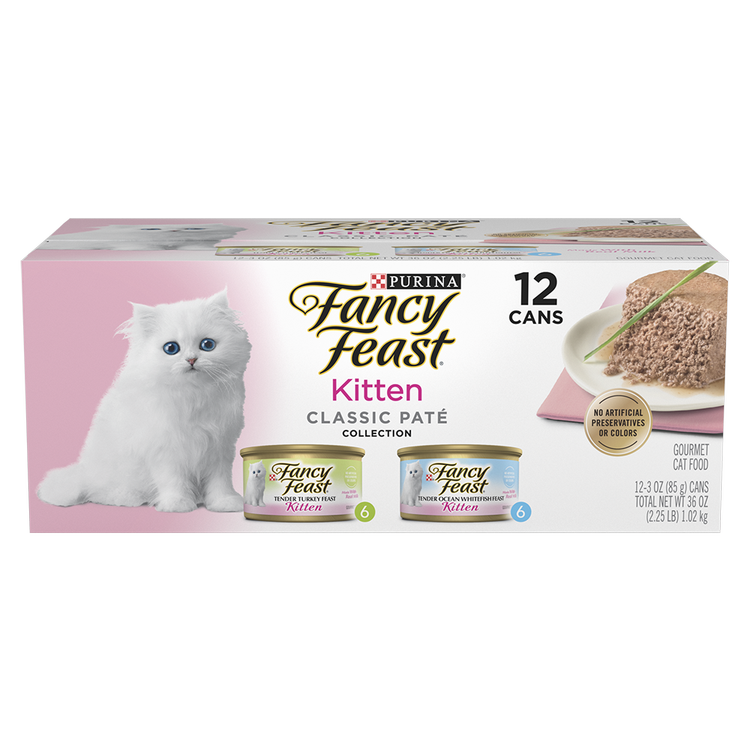
Adult cat food lacks the nutrients kittens need to grow. Switching too soon can cause poor development and health issues. Kittens usually need special food until they are about one year old. Wait until your kitten is ready before changing their diet.
Ignoring Kitten Preferences
Each kitten has unique tastes and preferences. Forcing a sudden food change can lead to refusal or stress. Introduce new food slowly by mixing it with old food. Watch how your kitten responds and adjust the transition speed accordingly.
Overfeeding Risks
Adult cat food has more calories than kitten food. Overfeeding can cause weight gain and digestive problems. Measure portions carefully and follow feeding guidelines. Keep an eye on your kitten’s weight and adjust food amounts as needed.
Credit: www.purina.com
Frequently Asked Questions
When Should I Switch My Kitten To Adult Cat Food?
You should switch your kitten to adult cat food at around 12 months old. This is when their growth slows, and nutritional needs change. Transition gradually over 7-10 days to avoid digestive upset and help your cat adjust smoothly.
Can I Feed Adult Cat Food To A Kitten?
Feeding adult cat food to kittens is not recommended. Kittens need more protein, fat, and calories for healthy growth. Adult food lacks these essential nutrients, which can stunt development and weaken their immune system.
How To Transition From Kitten To Adult Cat Food?
Mix increasing amounts of adult food with kitten food over 7-10 days. Start with 25% adult food and gradually increase to 100%. This helps your kitten adjust to the new taste and texture without digestive issues.
What Signs Show My Kitten Is Ready For Adult Food?
Signs include steady growth, decreased energy needs, and reaching about 12 months old. Your kitten may also show less interest in kitten-specific food. Consult your vet to confirm the best time for the switch.
Conclusion
Feeding your kitten adult cat food needs careful timing. Usually, kittens start this change around one year old. Watch their growth and health to decide the right time. Gradually mix adult food with kitten food to help them adjust. Good nutrition supports their strong bones and shiny coat.
Always choose high-quality food made for cats. Remember, each kitten grows at its own pace. Patience and care make the transition easier. Your cat will stay happy and healthy with the right diet. Keep an eye on their needs as they grow.



Leave a Reply