Are you unsure about how much dry food your adult cat really needs each day? Feeding your cat the right amount is more important than you might think.
Too little, and your furry friend could be hungry and lacking energy. Too much, and you risk weight gain and health problems. You’ll discover simple, clear guidelines to help you get your cat’s feeding just right. Keep reading, because the health and happiness of your cat depend on it!
Daily Caloric Needs
Understanding your cat’s daily caloric needs is vital for their health. Feeding the right amount keeps them active and prevents weight issues. Each cat has unique energy demands based on various factors. Meeting these needs ensures they maintain a healthy weight and good overall wellbeing.
Factors Affecting Calorie Requirements
Several elements influence how many calories your cat needs daily:
- Age:Older cats often need fewer calories than younger adults.
- Activity Level:Active cats burn more energy and require more calories.
- Weight:Overweight cats need fewer calories to lose weight safely.
- Health Status:Illness or certain conditions can change calorie needs.
- Environment:Indoor cats typically require fewer calories than outdoor cats.
Average Calorie Intake For Adult Cats
Most adult cats need about 20 calories per pound of body weight daily. For example, a 10-pound cat generally requires around 200 calories each day.
Here is a simple calorie guide based on weight:
| Cat Weight (lbs) | Daily Calories |
|---|---|
| 8 | 160 |
| 10 | 200 |
| 12 | 240 |
| 15 | 300 |
Adjust feeding amounts according to your cat’s specific needs and monitor their weight. Consult a vet for personalized advice to maintain ideal health.

Credit: www.temptationstreats.com
Measuring Dry Food Portions
Measuring the right amount of dry food for your adult cat is essential to keep them healthy and happy. Overfeeding can lead to weight gain and health issues, while underfeeding might leave your cat hungry and lacking nutrients. Knowing how to measure portions accurately helps you provide balanced meals every day.
Reading Feeding Guidelines
Start by checking the feeding guidelines on your cat food packaging. These are usually based on your cat’s weight and activity level. Keep in mind these guidelines are general; your cat’s needs might be slightly different.
Notice how the recommended amount is often given in cups or grams. If your cat is more active or less active than average, adjust the portion size accordingly. Don’t hesitate to ask your vet for advice tailored to your cat’s specific health conditions.
Using Measuring Tools
Using the right tools makes portion control much easier. A standard measuring cup or a kitchen scale can give you precise amounts. I once used a regular scoop that was too big, which unintentionally doubled my cat’s portions—learning to measure helped me fix that quickly.
Consider these options:
- Plastic or metal measuring cups marked with volume units
- Digital kitchen scales for accuracy in grams or ounces
- Special cat food scoops with portion markers
Measuring your cat’s food daily ensures consistency. It also helps you notice if your cat’s appetite changes, which could signal health issues. How often do you actually measure your pet’s food instead of guessing?
Adjusting Portions By Activity Level
Portion sizes should match your cat’s activity level to keep them healthy. Active cats need more food, while less active cats require smaller portions. Adjusting dry food amounts helps maintain proper weight and energy.
Adjusting a cat’s food portions is crucial for their health. Cats have different activity levels, which affect their nutritional needs. Understanding these differences can help in feeding them the right amount.Sedentary Cats
Sedentary cats need less food than active ones. They burn fewer calories during the day. Overfeeding may lead to obesity and related health issues. It’s best to measure their food carefully. Use a measuring cup for precision. Feed them twice a day with smaller portions. Monitor their weight regularly to adjust food intake.Active And Outdoor Cats
Active cats require more energy. They burn calories through play and exploration. Outdoor cats especially need more nutrients. They roam and hunt, which requires energy. Provide them with slightly larger portions. You can feed them three times a day. Ensure their diet is balanced with proteins and fats. This helps maintain their energy levels and overall health.
Credit: companion-vets.com
Considering Cat’s Health And Weight
Adjusting your cat’s dry food intake depends greatly on their health and weight. Feeding the right amount helps maintain their well-being and energy levels. Ignoring these factors can lead to serious health issues or nutritional deficiencies.
Overweight And Obesity Risks
Overfeeding dry food can quickly push your cat into overweight territory. Excess weight strains their joints and organs, increasing the risk of diabetes and heart problems.
Watch for signs like a thick waist, difficulty jumping, or less playfulness. You might need to measure portions carefully and reduce treats.
Have you noticed your cat gaining weight despite normal feeding? It might be time to consult your vet for a tailored feeding plan.
Underweight Cats And Nutritional Needs
If your cat looks too thin or lacks energy, they might not be getting enough nutrients from their dry food. Underweight cats need higher calorie intake and possibly a mix of wet food to boost hydration.
Monitor their weight weekly and adjust food amounts gradually. Adding small, frequent meals can help your cat gain healthy weight without overwhelming their system.
Does your cat seem hungry after meals or is losing weight unexpectedly? These are signs to evaluate their diet and possibly improve the quality or quantity of food.
Balancing Dry Food With Wet Food
Balancing dry food with wet food helps meet your cat’s nutritional needs. It provides variety and keeps your cat interested in meals. Combining these foods supports hydration and can improve digestion. A mixed diet offers more benefits than feeding only one type.
Benefits Of Mixed Feeding
- Improves hydration with wet food’s moisture content.
- Supports dental health through dry food’s texture.
- Offers a wider range of nutrients and flavors.
- Helps prevent boredom with meal variety.
- Can support weight management by balancing calories.
Portion Control In Combined Diets
Measure both dry and wet food carefully. Too much food can cause weight gain. Use feeding guidelines on packaging as a starting point. Adjust portions based on your cat’s weight and activity level. Divide the daily food allowance between dry and wet meals. Track your cat’s weight and health regularly.
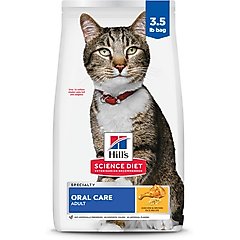
Credit: www.chewy.com
Monitoring And Adjusting Feeding Amounts
Keeping an eye on how much dry food your adult cat eats is key to maintaining their health. You can’t just set a portion once and forget it. Cats’ needs change over time due to factors like activity level, age, and health conditions.
Regularly checking and tweaking feeding amounts helps prevent weight problems and keeps your cat feeling their best. Let’s look at two important ways to monitor and adjust their diet effectively.
Tracking Weight Changes
Weigh your cat at least once a month to spot any weight gain or loss early. Use a digital scale for accuracy, and try to weigh your cat at the same time of day to keep results consistent.
Keep a simple chart or log to track these numbers over time. If your cat’s weight changes by more than 5% in a month, it’s time to adjust their food amount or check with your vet.
Recognizing Signs Of Overfeeding Or Underfeeding
Watch for subtle clues that your cat’s portion might be off. Overfed cats often become less active and may have a rounded belly or difficulty grooming. On the other hand, underfed cats might seem more irritable, meow more frequently, or lose muscle tone.
Notice how your cat behaves after meals. Are they still hungry or leaving food behind? This can tell you if you need to increase or decrease their daily dry food.
- Is your cat gaining weight despite following feeding guidelines?
- Do they seem hungry all the time or begging for treats?
- Is their coat dull or do they seem less energetic?
Answering these questions honestly helps you fine-tune your cat’s diet and avoid common feeding mistakes. Remember, your cat’s well-being depends on the right balance, not just the right amount.
Tips For Feeding Adult Cats
Feeding an adult cat the right amount of dry food keeps them healthy and happy. Proper feeding helps maintain their weight and energy levels. It also prevents problems like obesity or malnutrition. Follow simple tips to feed your cat well every day.
Feeding Schedule Recommendations
Feed your cat at regular times each day. This helps their digestion and routine. Most adult cats do well with two meals daily. One in the morning and one in the evening works best. Measure the food carefully to avoid overfeeding. Fresh water should always be available alongside dry food.
Avoiding Common Feeding Mistakes
- Do not free-feed dry food all day. It can cause overeating and weight gain.
- Avoid sudden changes in food type or brand. It may upset their stomach.
- Do not feed only dry food. Cats also need wet food or treats for hydration.
- Ignore begging behavior. Feeding extra treats leads to extra calories.
- Check the food’s calorie content. Adjust portions based on activity and weight.
Frequently Asked Questions
How Much Dry Food Should An Adult Cat Eat Daily?
An adult cat typically needs 1/4 to 1/3 cup of dry food daily. Adjust based on weight, activity, and health.
Can Feeding Too Much Dry Food Harm Cats?
Yes, overfeeding dry food can cause obesity and health issues. Monitor portions and consult a vet for advice.
How To Measure Dry Food For An Adult Cat?
Use a standard measuring cup to portion dry food accurately. Follow feeding guidelines on the cat food packaging.
Should Feeding Amounts Vary By Cat’s Weight?
Yes, heavier cats need more calories, lighter cats need less. Adjust dry food portions accordingly to maintain healthy weight.
Conclusion
Feeding the right amount of dry food keeps your cat healthy and happy. Watch your cat’s weight and adjust food as needed. Always provide fresh water alongside dry food. Consult your vet for specific advice about your cat. Remember, every cat is different.
Balance and care make all the difference. Small changes can improve your cat’s well-being. Keep feeding simple and consistent for best results.



Leave a Reply