Have you ever wondered why your cat doesn’t need to be potty trained like a dog or a toddler? You might think that all pets require the same kind of training, but cats are different.
Understanding why cats naturally use their litter box can save you time, frustration, and even money. If you want to make life easier for both you and your furry friend, keep reading to discover the simple reasons behind your cat’s natural habits—and how you can support them for a cleaner, happier home.
Natural Instincts
Cats do not need to be potty trained like dogs. Their natural instincts guide them to do their business in specific places. These instincts help keep their living space clean and safe. Understanding these instincts explains why cats use litter boxes without much teaching.
Litter Preferences
Cats naturally prefer soft, loose surfaces for their bathroom needs. They like materials they can dig and cover their waste with. This behavior helps hide their scent from predators. Sand, soil, or litter mimics these natural surfaces well. Cats usually reject hard or smooth surfaces because they can’t dig easily.
Most cats will use a litter box if it has the right texture. They prefer clean litter boxes free of strong smells. Dirty boxes discourage cats from using them. Regular cleaning keeps the box inviting and comfortable.
Self-cleaning Behavior
Cats are very clean animals by nature. They groom themselves to stay clean and free of smells. This self-cleaning habit reduces the chance of attracting predators. Cats also bury their waste to avoid detection. This instinct helps keep their home environment fresh.
Because of this behavior, cats avoid soiling their living or sleeping areas. They choose designated spots for elimination. This natural cleanliness means they rarely need to be trained like other pets.

Credit: raleighncvet.com
Evolutionary Background
Cats have a natural instinct to bury their waste. This behavior comes from their wild ancestors. Understanding this helps explain why cats don’t need potty training like dogs do. Their evolutionary background shaped their bathroom habits.
Wild Ancestors’ Habits
Wild cats lived in environments where safety was key. They buried their urine and feces to hide their scent from predators and rivals. This kept them safe. It also helped them avoid fights with other cats.
These habits passed down through generations. Domestic cats inherited the urge to cover their waste. This instinct remains strong even in house cats today.
Survival Advantages
Burying waste helped wild cats stay hidden. It reduced the chance of being found by larger animals. This behavior increased their chances of survival.
By covering their scent, cats also kept their territory clean. This reduced disease risks and kept the environment safe.
These survival advantages made the behavior deeply rooted. Domestic cats naturally follow these habits without training.
Physical Adaptations
Cats have natural physical traits that help them bury their waste. Their paws are designed to dig, making litter boxes instinctive to use. This instinct reduces the need for potty training unlike many other pets.
Cats are fascinating creatures with unique physical adaptations. These traits help them maintain cleanliness effortlessly. Unlike many animals, cats have evolved to handle their waste efficiently. These adaptations make potty training unnecessary.Scent Marking Techniques
Cats use scent marking to establish territory. Their urine contains pheromones. These chemicals communicate boundaries to other cats. Scent marking helps avoid conflicts and maintains peace. It’s a natural behavior, reducing the need for training. Cats instinctively know where to urinate.Paw Structure And Digging
Cats have specialized paws for digging. Their toes are flexible and retractable. This structure helps them bury waste easily. Digging and covering waste comes naturally. It keeps their environment clean and odor-free. This instinctive behavior eliminates the need for a litter box introduction. Cats quickly adapt to using a litter box.Role Of Scent In Behavior
The role of scent in a cat’s behavior is more important than many pet owners realize. Cats rely heavily on their sense of smell to communicate, navigate their world, and feel secure. Understanding this can help you see why potty training a cat is not as straightforward as it is for dogs.
Territorial Signals
Cats use scent to mark their territory. They leave chemical messages through urine and gland secretions to tell other cats that a space belongs to them. This behavior is natural and helps them avoid conflicts.
Think about your cat rubbing its face on furniture or corners of the room. It’s not just affection; it’s a way to spread their unique scent. If you try to force a strict potty routine, you might be ignoring how important these scent markers are to your cat’s sense of safety.
Avoiding Predators
In the wild, cats use scent to stay hidden from predators. By burying their waste, they reduce the chance of being detected. This instinct is strong even in domestic cats.
If you notice your cat carefully covering its litter, it’s not just neatness—it’s a survival tactic. This natural behavior explains why cats don’t just go anywhere and leave their waste exposed. How does this change your view on training cats to use a specific spot?
Human Influence
Human influence plays a key role in whether cats need potty training. Unlike dogs, cats have natural instincts to bury their waste, but our environment and behavior shape how they manage their bathroom habits. Understanding this influence helps you create a space where your cat feels comfortable and confident using the litter box.
Litter Box Training
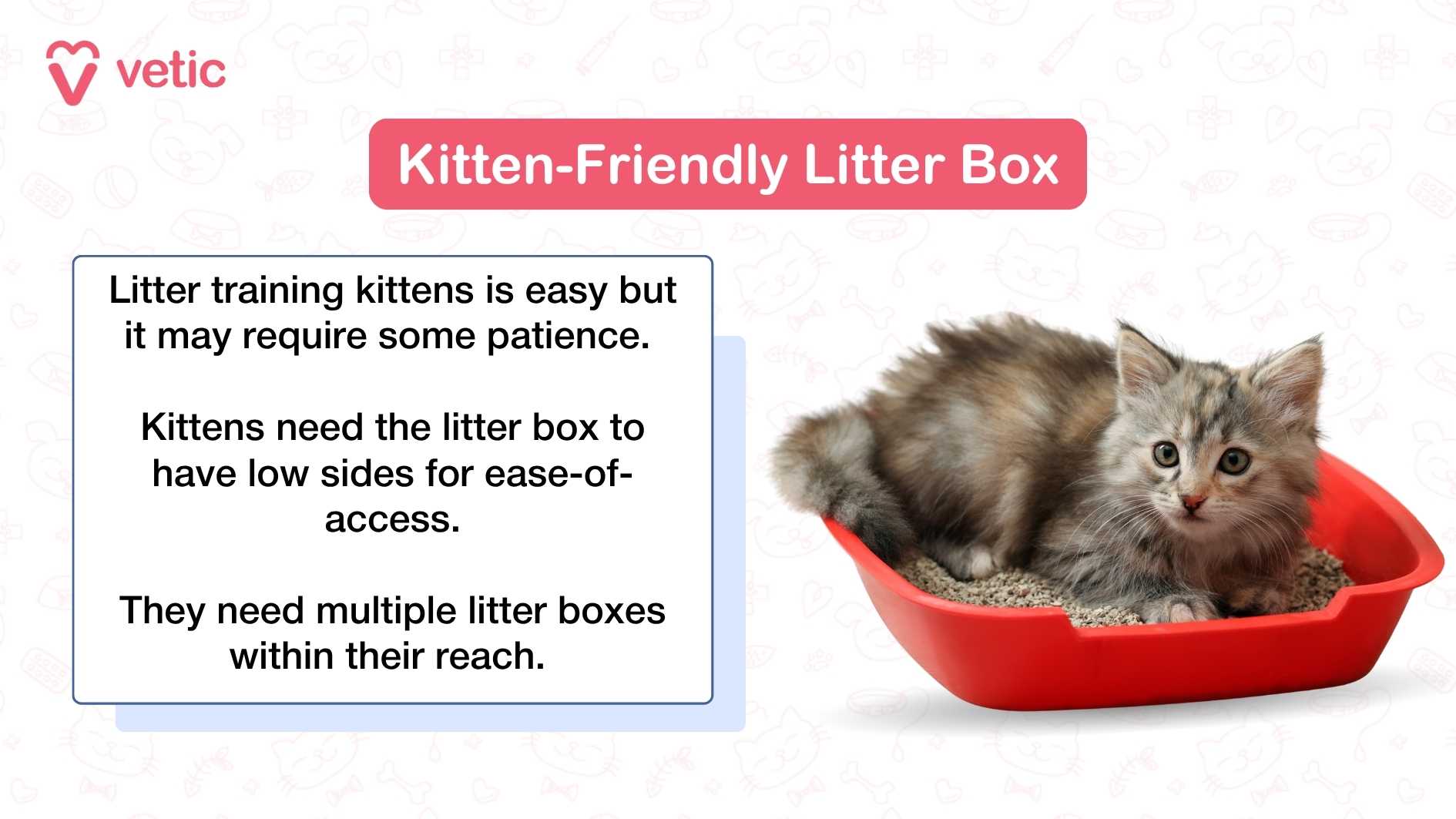
Providing a clean and accessible litter box is the first step to successful potty training. Cats prefer quiet, private spots, so place the box away from loud appliances or high-traffic areas. You might notice your cat sniffing around different corners—this is their way of finding the best spot.
Cleaning the litter box regularly encourages your cat to keep using it. I once had a cat who refused to use the box until I started scooping twice daily. After that, her litter box habits improved dramatically.
Encouraging Good Habits
Positive reinforcement helps your cat understand what you expect. When your cat uses the litter box, reward them with gentle praise or a small treat. This simple act builds a connection between good behavior and reward.
Watch for signals your cat gives before needing to go, like scratching or sniffing around. By responding quickly and guiding them to the litter box, you reinforce the habit and reduce accidents.
Common Misconceptions
Many people believe cats need strict potty training like dogs. This is not true. Cats naturally know how to use a litter box. The idea that cats require intense training comes from misunderstanding their behavior. These common misconceptions can cause unnecessary stress for both cats and owners.
Cats Need Strict Training
People often think cats must be taught from scratch to use the litter box. Actually, cats have a natural instinct to bury their waste. This behavior comes from wild ancestors who used it to hide their scent from predators. Most kittens learn this by watching their mother. Strict training is usually not needed. Just providing a clean, accessible litter box is enough.
Behavioral Issues
Another myth is that cats who don’t use the litter box have bad behavior. Usually, this is not true either. Cats might avoid the box because of medical problems or stress. Dirty or hard-to-reach litter boxes can also cause issues. Understanding these reasons helps fix problems without blaming the cat. Patience and proper care are key to solving potty problems.
Tips For New Cat Owners
Bringing a new cat into your home is exciting, but it also comes with responsibilities. One key aspect is helping your cat feel comfortable using the litter box. You might wonder how to get started or what small changes can make a big difference. Here are some practical tips that can ease the process and keep both you and your cat happy.
Choosing The Right Litter
Not all cat litters are the same. Your cat’s preferences matter a lot. Some cats like fine-grain clumping litter, while others prefer non-clumping or natural options like corn or pine.
Try offering different types to see which one your cat prefers. The right litter can encourage your cat to use the box consistently and avoid accidents. Also, consider dust-free litter if you or your cat have allergies.
Maintaining Cleanliness
A clean litter box is essential. Cats are very particular about hygiene, and a dirty box can lead to avoidance behavior. Scoop the box daily and change the litter completely at least once a week.
Place the litter box in a quiet, low-traffic area to give your cat privacy. This small change can reduce stress and improve their willingness to use the box. Have you noticed how your cat reacts to the box’s location or cleanliness? Observing this can guide your setup.

Credit: cheezburger.com

Credit: raleighncvet.com
Frequently Asked Questions
Why Don’t Cats Need Potty Training Like Dogs?
Cats naturally use litter boxes due to their instinct to bury waste. This behavior makes formal potty training unnecessary, unlike dogs who need to learn outdoor bathroom habits.
How Do Cats Know Where To Relieve Themselves?
Cats have a strong instinct to find clean, sandy areas for elimination. This instinct guides them to use litter boxes or similar spots without explicit training.
Can Cats Be Trained To Use A Toilet Instead Of Litter?
Yes, cats can be trained to use a toilet, but it requires patience and gradual steps. However, many cats prefer litter boxes for comfort and privacy.
What Are Common Issues If Cats Don’t Use The Litter Box?
Common issues include medical problems, stress, or dirty litter boxes. Addressing these can help cats return to proper litter box use naturally.
Conclusion
Cats naturally know where to go potty. They use their instincts to find a clean spot. This makes potty training mostly unnecessary. Owners only need to provide a litter box. Keeping it clean helps cats use it gladly. Understanding this saves time and stress for both.
Trust your cat’s natural habits. Enjoy a cleaner, happier home without extra work. Simple care keeps your cat healthy and content. No need to force potty training. Let your cat do what comes naturally.


Leave a Reply