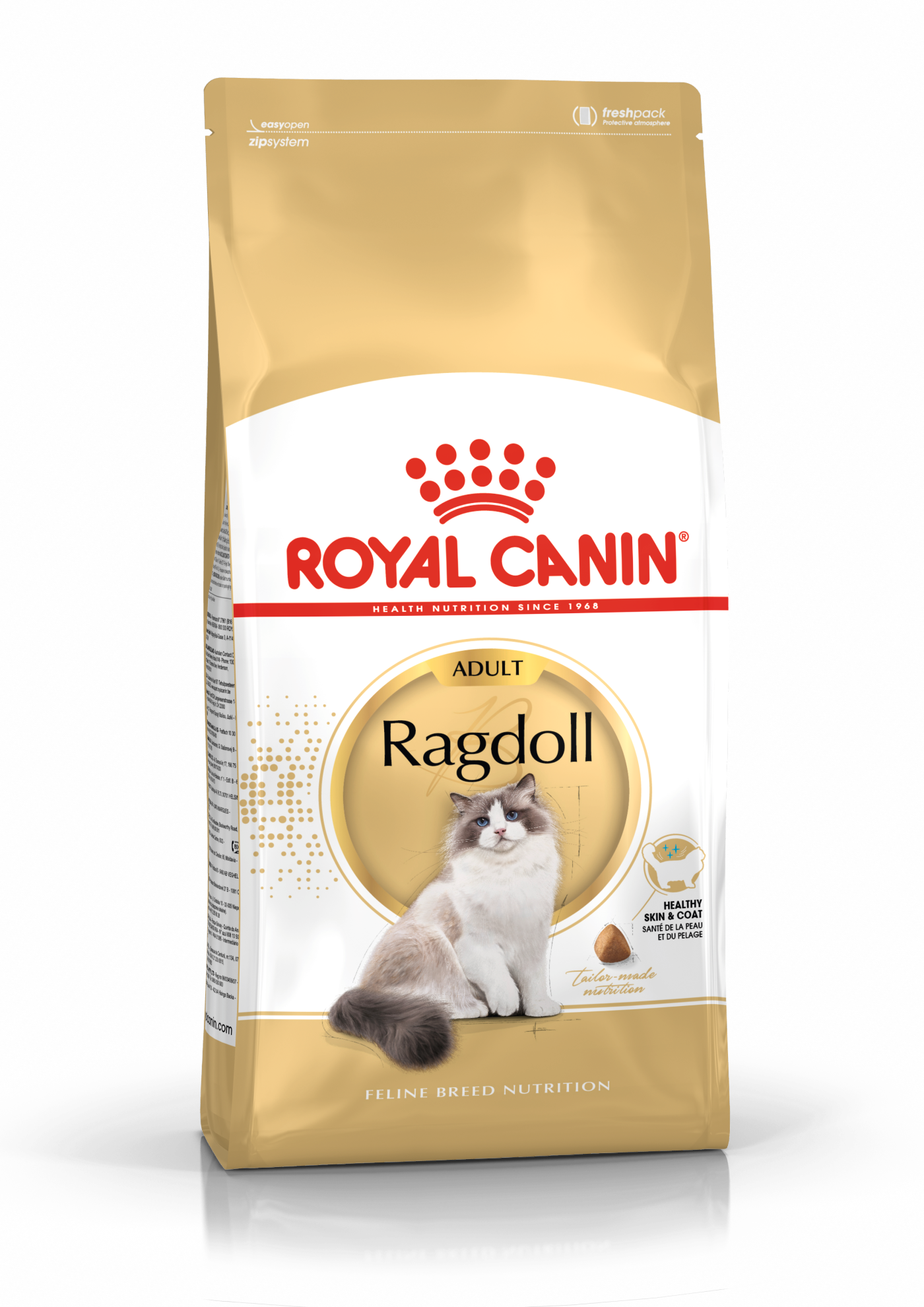
If you have a Ragdoll kitten, you’re probably wondering when the right time is to switch to adult cat food. This decision is more important than you might think.
Feeding your furry friend the right food at the right age affects their health, energy, and happiness. You want to make sure your Ragdoll grows strong and stays healthy for years to come. Keep reading to discover the perfect moment to make this change and how to do it smoothly for your beloved cat.
Ragdoll Kitten Growth Stages
Ragdoll kittens grow quickly and need special care at every stage. Understanding their growth helps decide the right time to switch to adult cat food. Their development happens in clear stages, each with unique nutritional needs. Proper feeding supports healthy bones, fur, and energy levels.
From Newborn To Weaning
Ragdoll kittens rely on their mother’s milk for the first four weeks. This milk provides essential nutrients and antibodies. At around four weeks, kittens start exploring solid food. Soft, wet kitten food mixed with water or kitten formula makes this transition easier. Gradually, they eat less milk and more solid food. This stage builds strong immune systems and prepares their digestive system.
Post-weaning Development
After weaning, kittens eat mostly solid food. Their growth speeds up, needing high protein and fat. Ragdolls require food rich in taurine, vitamins, and minerals. Small, frequent meals suit their tiny stomachs best. Monitor their weight and energy to ensure proper growth. This stage lasts until about one year old. Feeding the right kitten food supports brain and muscle development.
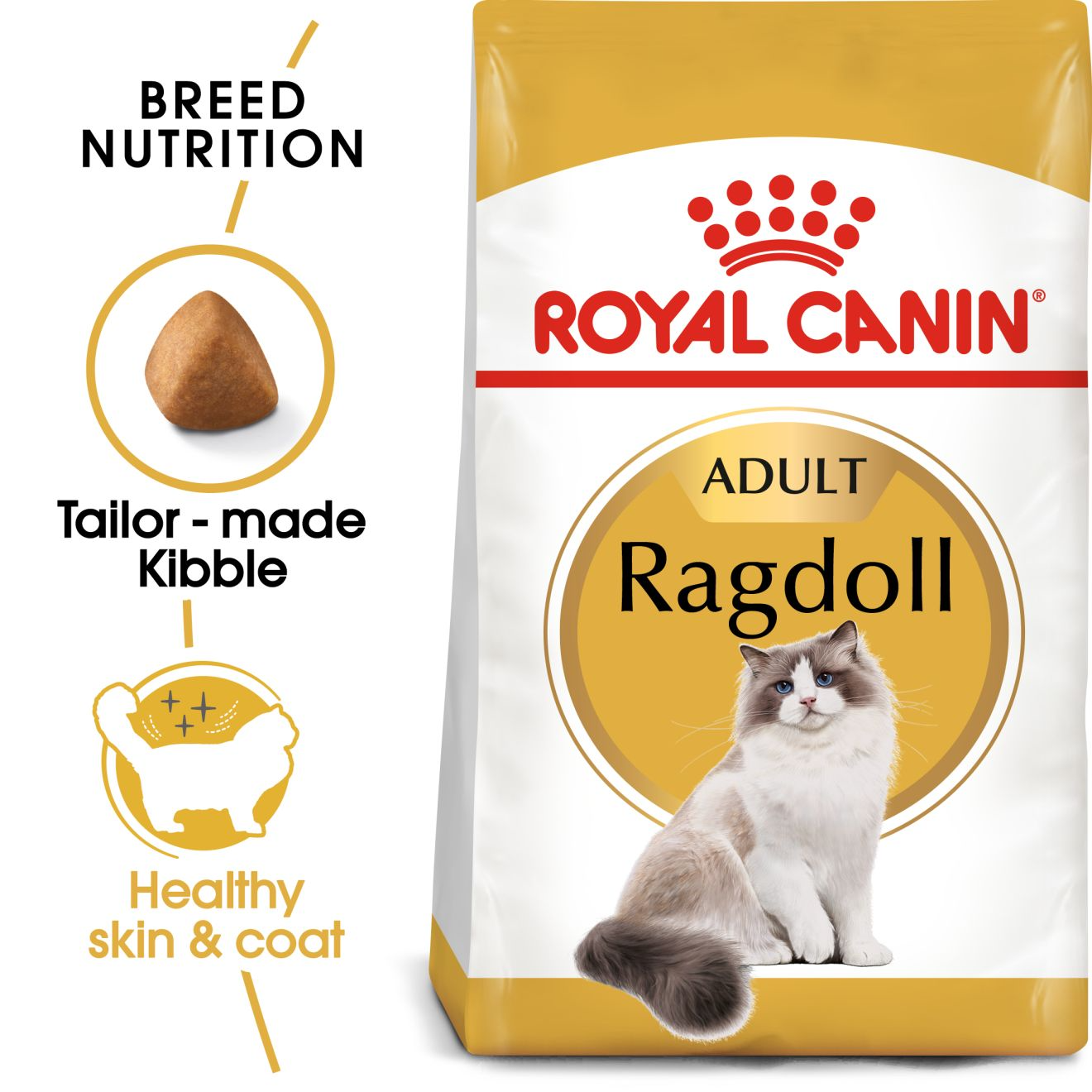
Credit: pet-supermarket.co.uk
Signs Your Ragdoll Is Ready
Recognizing the right moment to switch your Ragdoll from kitten food to adult cat food can feel tricky. Your cat won’t announce it, but there are clear signs you can watch for. Noticing these cues helps you make a smooth transition that supports your pet’s health and happiness.
Physical Indicators
One key sign is your Ragdoll’s size and weight. Most Ragdolls reach their full size between 12 to 18 months. If your cat looks less like a kitten and more like a mature feline, it’s time to consider adult food.
Look closely at their teeth too. When their baby teeth fall out and adult teeth come in, usually by six months, it hints that their digestive system is ready for a more complex diet. Also, observe their coat. A shinier, thicker coat often means they need more nutrients found in adult formulas.
Behavioral Changes
Your cat’s eating habits tell a story. If your Ragdoll starts eating larger amounts or shows less interest in kitten food, it might be a sign they need more calories and different nutrients. Have you noticed your pet lingering less around the food bowl?
Energy levels shift as well. Kittens bounce around constantly, but as they grow, their activity becomes more balanced. If your Ragdoll seems calmer but still playful, their diet should support this new lifestyle. Adjusting their food helps maintain their health during this change.
Transitioning To Adult Cat Food
Ragdoll cats usually start adult food around one year old. Switching slowly helps their digestion and keeps them healthy. Watch their weight and energy to know the best time to change.
Transitioning your Ragdoll cat to adult cat food is a crucial step. It ensures they receive the right nutrients for their size and activity level. Ragdolls typically make this transition around 12 months of age. It’s essential to do it smoothly to avoid any digestive issues.Choosing The Right Food
Selecting the right adult cat food is vital. Look for high-quality brands with essential nutrients. Ensure the food contains adequate protein to support their muscular build. Avoid fillers like corn and soy which offer little nutritional value. Check labels for added vitamins and minerals. These support their coat and overall health.Gradual Introduction Tips
Switching foods abruptly can upset your cat’s stomach. Gradual introduction is key. Start by mixing a small amount of adult food with their current food. Gradually increase the adult food over a week. Watch for any signs of stomach upset or allergies. Adjust quantities as needed based on your cat’s reaction. Always ensure fresh water is available. Hydration is crucial during dietary changes.
Credit: woononapetfoods.com.au
Common Mistakes To Avoid
Feeding your Ragdoll cat the right food at the right time is important for its health. Many cat owners make mistakes when switching to adult cat food. These errors can affect your cat’s growth and well-being.
Understanding what to avoid helps ensure your Ragdoll stays healthy and happy. Here are common mistakes to watch out for.
Switching Too Early
Changing to adult cat food before your Ragdoll reaches about one year old can cause problems. Kittens need extra nutrients to grow strong bones and muscles. Adult food lacks some of these nutrients. Early switching can slow growth and weaken immunity.
Wait until your cat is fully grown before making the change. Consult your vet for the best time to switch.
Ignoring Nutritional Needs
Not all adult cat foods are the same. Some lack essential nutrients like taurine, protein, and fatty acids. These are vital for your Ragdoll’s heart, eyes, and coat health.
Always check the label for complete nutrition. Choose food designed for adult cats with balanced ingredients. Poor nutrition can lead to weight issues and health problems.
Monitoring Health During Transition
Monitoring your Ragdoll’s health during the switch to adult cat food is crucial. This transition can affect their digestion, appetite, and overall well-being. Keeping a close eye on how your cat responds helps you spot any issues early and make adjustments to keep them comfortable and healthy.
Tracking Weight And Appetite
Regularly weighing your Ragdoll during the transition is a simple way to check if they are adjusting well. Sudden weight loss or gain can signal problems with the new diet. Keep a small journal or use an app to note their weight at least once a week.
Appetite changes are equally important to watch. If your cat suddenly refuses to eat or seems less interested in their food, it might mean the new formula isn’t agreeing with them. You might try mixing their old food with the new adult formula to ease the change.
Recognizing Digestive Issues
Digestive upset is common during diet changes but shouldn’t be ignored. Look for signs like vomiting, diarrhea, or constipation. These symptoms can indicate that the new food is too rich or contains ingredients your cat’s stomach isn’t used to.
If you notice any of these issues lasting more than a few days, consult your vet. Sometimes switching brands or formulas can solve these problems quickly. Remember, your cat’s comfort is the priority, so don’t hesitate to seek advice if you’re unsure.

Credit: pet-supermarket.co.uk
Veterinarian Recommendations
Veterinarian recommendations play a key role in deciding when to start adult cat food for your Ragdoll. Vets provide expert advice based on your cat’s health and growth rate. Their guidance helps ensure a smooth diet transition and supports your cat’s wellbeing.
When To Seek Professional Advice
Consult a vet before changing your Ragdoll’s diet. Look for signs such as:
- Changes in appetite or weight
- Digestive issues or discomfort
- Unusual behavior or lethargy
Veterinarians can assess your cat’s health and recommend the right time to switch to adult food. This helps avoid digestive problems and nutritional gaps.
Customizing Diet Plans
Every Ragdoll has unique nutritional needs. Vets help design a diet plan that fits your cat’s age, weight, and activity level.
They may suggest:
- Specific brands or formulas of adult cat food
- Portion sizes and feeding frequency
- Supplements for added nutrients
Following a vet’s customized plan ensures your Ragdoll stays healthy and happy during growth changes.
Frequently Asked Questions
When Should I Switch Ragdoll Kittens To Adult Cat Food?
Switch your Ragdoll kitten to adult cat food at about 12 months. This timing supports their growth and energy needs. Adult food provides balanced nutrients for mature cats. Always transition gradually over 7-10 days to avoid digestive issues.
Why Is Adult Cat Food Important For Ragdolls?
Adult cat food meets the specific nutritional needs of mature Ragdolls. It contains proper protein, vitamins, and minerals for maintenance. Feeding adult food helps maintain healthy weight, coat, and energy levels. Avoid kitten food after one year to prevent excess calories.
How To Transition Ragdoll To Adult Cat Food Smoothly?
Mix adult food gradually with kitten food over 7-10 days. Start with 25% adult food, then increase weekly. This prevents stomach upset and helps your Ragdoll adjust. Monitor your cat’s reaction and appetite during the transition period.
Can Feeding Adult Food Too Early Harm Ragdolls?
Feeding adult food before 12 months can slow growth and development. Kitten food supports rapid growth with higher calories and nutrients. Premature switching may lead to nutritional deficiencies. Always follow age guidelines for optimal health.
Conclusion
Feeding your Ragdoll adult cat food at the right time is very important. Usually, start around one year old when they grow out of kitten food. Watch your cat’s size and energy to guide you. Choose food made for adult cats to support their health.
Changing food too early or late can cause problems. Keep your Ragdoll happy and healthy by giving the right nutrition. Remember, a balanced diet helps your cat live a long, strong life. Pay attention, and your Ragdoll will thank you with love and purrs.



Leave a Reply