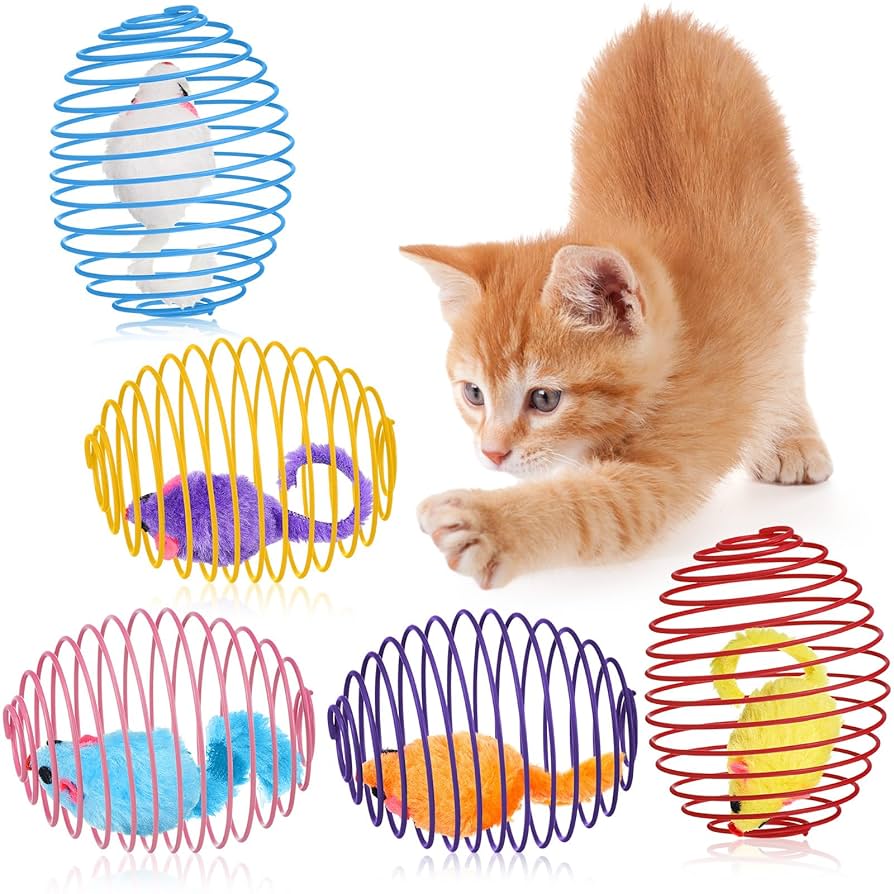
If you have pet rats, you probably want the best toys to keep them happy and active. You might have seen those colorful plastic cat toy balls and wondered, “Are plastic cat toy balls ok for rats?” It’s a smart question because not every toy made for cats is safe for your furry friends.
Choosing the wrong toy could harm your rats or cause stress instead of fun. Keep reading to discover what you need to know before giving your rats these popular toys—and how to make sure their playtime is both safe and enjoyable.
Plastic Cat Toy Balls And Rats
Plastic cat toy balls often catch the attention of pet owners looking for inexpensive and readily available toys for their rats. These balls, designed primarily for cats, seem like a fun option to keep rats entertained. But are they really safe or suitable for your curious little rodent?
Common Features Of Plastic Cat Balls
Plastic cat toy balls usually come in bright colors like red, blue, or green. They are lightweight and hollow, often containing a small bell inside to make noise when rolled. The surface is smooth but may have small holes or cutouts to make the sound carry better.
Most of these balls measure around 2 to 3 inches in diameter, making them easy for cats to bat around and carry in their mouths. The plastic used is typically hard and durable to withstand a cat’s sharp claws and teeth.
Why Rats Are Attracted To Them
Rats are naturally curious and love toys that stimulate their senses. The noise from the bell inside the plastic ball grabs their attention immediately. The lightweight design allows rats to push or carry the balls around with ease, satisfying their playful instincts.
Additionally, the holes or openings in the ball make it easy for rats to sniff and explore inside, which keeps them engaged for longer periods. Have you noticed your rat spending more time with objects that make sounds or have interesting textures? That’s exactly why these balls can be so appealing.
However, keep in mind that while rats enjoy playing with these balls, not all plastic cat toy balls are made with rat safety in mind. Small parts or loose bells can become choking hazards. Always inspect the toy carefully before letting your rat play with it, and consider if there are safer alternatives available.

Credit: www.reddit.com
Potential Risks For Rats
Plastic cat toy balls might seem fun for rats, but they carry some risks. Rats chew on toys to explore and keep their teeth healthy. Plastic toys can break or release harmful substances. Understanding these risks helps keep rats safe and happy.
Choking And Ingestion Hazards
Rats like to chew and bite objects. Small plastic pieces can break off easily. These pieces can block their throat or digestive system. Such blockages cause pain and can be life-threatening. Always watch for broken parts and remove damaged toys quickly.
Toxic Chemicals In Plastics
Many plastics contain chemicals like BPA or phthalates. These chemicals can harm rats’ organs and hormones. Rats are sensitive to toxins in their environment. Chewing on plastic toys can expose them to these harmful substances. Choosing safe, non-toxic materials is crucial.
Wear And Tear Concerns
Plastic balls wear down over time. Cracks and sharp edges can form. Sharp edges can hurt rats’ mouths and paws. Worn toys lose their safety and fun value. Replace toys regularly to avoid injuries and ensure cleanliness.
Signs Of Unsafe Toys
Understanding the signs of unsafe toys is crucial for pet safety. Toys that seem fun can be harmful without proper checks. Always inspect your rat’s toys for any potential hazards.
Visible Damage Or Sharp Edges
Check toys for cracks or broken pieces. These can hurt your pet. Sharp edges can cause cuts or injuries. Regularly examine toys for any signs of wear.
Unusual Rat Behavior During Play
Watch how your rat interacts with toys. Changes in play behavior can signal trouble. If your rat seems stressed or avoids a toy, remove it. Look for signs like excessive chewing or gnawing.
Safe Alternatives For Rat Play
Choosing safe toys is vital for rat playtime. Plastic cat toy balls may seem fun but could pose risks. Rats like to chew and explore with their mouths. Hard plastics might break into sharp pieces. Chemicals in some plastics can harm rats over time. Safer options come from natural and rat-friendly materials. These alternatives keep rats happy and healthy during play.
Natural Material Toys
Natural materials are gentle and safe for rats to chew. Wood, untreated wicker, and paper are good choices. They help rats wear down teeth naturally. Avoid treated or painted woods that may contain toxins. Coconut shells and cardboard tubes make fun hideouts and tunnels. These toys add texture and variety to play areas.
Rat-specific Toys
Toys made just for rats consider their chewing needs. Many pet stores sell rat-safe balls, ladders, and tunnels. These products use non-toxic materials and sturdy designs. They last longer and reduce injury risks. Choosing rat-specific toys supports healthy play and mental growth. Look for labels that mention rat safety and durability.
Diy Toy Ideas
Homemade toys are affordable and customizable. Use clean toilet paper rolls, cardboard boxes, and paper bags. Cut small holes for rats to peek and climb through. Tie untreated wooden beads or fabric strips with cotton strings. Avoid small parts that rats can swallow. Regularly check toys for wear and replace them as needed.
Tips For Safe Playtime
Safe playtime keeps rats happy and healthy. Using plastic cat toy balls can be fun, but safety matters. Follow these tips to ensure your rats enjoy their toys without risks. Pay attention to their behavior and the condition of the toys.
Supervision And Regular Checks
Always watch your rats while they play with plastic balls. Check the toys often for cracks or sharp edges. Broken pieces can hurt your pets or cause choking. Remove any damaged toys immediately to prevent accidents.
Cleaning And Maintenance
Clean the plastic balls regularly to stop germs from building up. Use warm water and mild soap, rinse well, and dry completely. Avoid harsh chemicals that can harm your rats. Keep toys clean to maintain a healthy play environment.
Rotating Toys To Prevent Boredom
Switch toys often to keep playtime interesting. Rats get bored with the same toys. Rotate plastic balls with other safe toys to stimulate their minds. New toys encourage exercise and reduce stress in your pets.

Credit: www.ebay.com

Credit: www.amazon.com
Frequently Asked Questions
Are Plastic Cat Toy Balls Safe For Rats?
Plastic cat toy balls can be safe if they are non-toxic and durable. Ensure there are no small parts that rats can chew off and swallow. Always supervise your rats when introducing new toys to avoid choking hazards and ingestion of harmful materials.
Can Rats Chew Through Plastic Cat Toy Balls?
Rats have strong teeth and can chew through some plastic balls. Choose sturdy, high-quality plastic toys designed to withstand chewing. Regularly inspect the toys for damage and replace them if they become unsafe or broken to prevent injury.
What Are The Risks Of Plastic Toys For Rats?
Plastic toys may pose choking hazards or release harmful chemicals if chewed. Small pieces can cause digestive blockages. Opt for safe, non-toxic, and rat-specific toys to minimize health risks. Supervised playtime helps monitor any potential dangers.
Are There Better Alternatives To Plastic Cat Toy Balls?
Natural wood, cardboard, or specially designed rat toys are safer options. These materials are less likely to break into harmful pieces. Providing a variety of textures and shapes enriches your rat’s environment and encourages healthy chewing behavior.
Conclusion
Plastic cat toy balls can be risky for rats. They might chew and swallow small pieces. This can cause health problems. Choose toys made specifically for rats instead. Safe toys keep rats happy and healthy. Always watch your rat during playtime.
This helps you spot any dangers fast. Simple, safe toys make playtime fun. Your rat deserves the best care possible.



Leave a Reply