You love your cat and want the best for them, especially when it comes to their diet. But how do you know when it’s time to switch from kitten food to adult cat food?
Feeding your cat the right food at the right time is crucial for their health and happiness. If you’re wondering whether your furry friend is ready for this change, you’re in the right place. Keep reading to find out the signs to watch for and how to make the transition smooth and easy for both you and your cat.
Kitten Growth Stages
Understanding the kitten growth stages is crucial when deciding the right time to switch your cat to adult food. Each stage demands different nutritional needs that support healthy development. Knowing these phases helps you provide the best diet tailored to your kitten’s changing body and energy requirements.
From Newborn To Weaning
In the first few weeks, kittens rely entirely on their mother’s milk or a specially formulated milk replacer. Their tiny bodies need a high-fat, high-protein diet to support rapid growth and brain development.
At around 4 weeks, kittens start exploring solid food. This weaning period is gradual, so mixing wet kitten food with water or milk replacer makes it easier for them to adjust. You’ll notice their interest in food increasing, but they still need their mother’s milk or a suitable alternative for essential nutrients.
Juvenile To Adolescent
Between 8 weeks and 6 months, kittens enter the juvenile stage where growth remains fast but starts to slow down compared to newborns. Their energy demands are still high, so kitten food rich in protein and fat is necessary to fuel their active lifestyle.
By 6 months, many kittens begin the adolescent phase. Their growth rate slows further, and their bodies prepare for adulthood. This is a key time to evaluate their diet closely—too much kitten food can lead to unnecessary weight gain, but switching too early to adult food might leave them lacking vital nutrients.
Have you noticed changes in your kitten’s activity or appetite during this stage? These clues can help you decide when to start the transition to adult food, ensuring your cat stays healthy and happy.

Credit: www.tippaws.com
Signs Your Cat Is Ready
Knowing when your cat is ready to switch from kitten food to adult food can make a big difference in their health and happiness. Cats don’t just grow overnight, so it’s important to watch for clear signs that their bodies and behaviors are changing. These signs will help you decide the right time to make the transition smoothly.
Physical Development Indicators
One of the most obvious signs your cat is ready for adult food is their size and weight. By about 12 months, many cats reach their full size, although some larger breeds may take a bit longer.
Look for changes like:
- A steadier weight without the rapid gains typical of kitten growth.
- Stronger, more developed muscles.
- Full set of adult teeth, usually by 6 months but fully settled by one year.
If your cat’s body feels more solid and less “baby-like,” that’s a good cue. When I switched my cat’s food around 11 months, I noticed her energy stayed high but she wasn’t growing taller or thinner anymore.
Behavioral Changes
Behavior often shifts as your cat matures. You might see less frantic play and more focused activity.
- Increased independence – your cat might explore more on their own.
- Changes in eating habits – kitten food might not satisfy their hunger as much.
- Less frequent naps compared to when they were younger.
Ask yourself: Is your cat acting more like a young adult? When my cat stopped begging for extra kitten food and started eating just at mealtime, I knew she was ready for adult food. Watch your cat closely—these subtle shifts tell you a lot about their readiness.
Nutritional Differences
Understanding the nutritional differences between kitten and adult cat food is key to deciding when to switch. Cats have changing dietary needs as they grow. Kitten food supports rapid growth and development. Adult food focuses on maintaining health and energy levels after growth slows.
Kitten Food Vs Adult Food
Kitten food is richer in calories to fuel fast growth. It contains higher protein and fat levels. These nutrients support strong muscles and brain development. Adult cat food has fewer calories to prevent weight gain. It balances nutrients to keep cats healthy and active.
- Kitten food: High protein and fat, more calories
- Adult food: Moderate protein and fat, fewer calories
- Kitten food: Formulated for growth needs
- Adult food: Designed for maintenance and health
Essential Nutrients For Growth
Key nutrients help kittens grow strong and healthy. Protein builds muscles and tissues. Fat provides energy and supports brain growth. Calcium and phosphorus strengthen bones and teeth. Vitamins A and E boost the immune system.
Adult cats need balanced nutrients to stay fit. Too much fat can cause weight problems. Protein helps maintain muscle tone. Vitamins and minerals support overall health. The right food keeps cats energetic and happy.

Credit: www.purina.com
Ideal Transition Timeline
Switching a cat to adult food typically occurs around 12 months. Monitor their growth and dietary needs closely. Ensure a smooth transition by mixing new food with old gradually.
Deciding when to transition your cat from kitten food to adult food can be a bit tricky. As a cat owner, you want to ensure your furry friend gets the nutrition they need at every stage of their life. The process isn’t just about age; it’s about understanding your cat’s unique needs. Let’s dive into the ideal timeline for making this important switch.Age Guidelines
Most cats are ready to switch to adult food around their first birthday. This is when their growth slows down, and they require fewer calories. However, some larger breeds may take up to 18 months to fully mature. Kittens generally grow rapidly in their first year, so they need nutrient-dense food. Once they hit that one-year mark, their dietary needs change, and it’s time to consider adult formulas.Breed And Size Considerations
Not all cats mature at the same rate. Large breeds, like Maine Coons, may need kitten food for a bit longer, sometimes up to 18 months. Their slower growth pattern means they benefit from the extra nutrients for longer. Smaller breeds or mixed breeds might be ready for adult food closer to a year. Always observe your cat’s growth and energy levels. Have you noticed if your cat seems more playful or has a larger appetite than usual? This could indicate it’s time to start the transition. Remember, each cat is unique. Keep their needs front and center, and you’ll ensure a smooth transition to adult food.How To Switch Foods Safely
Switching your cat’s food requires care to avoid stomach upset. Cats have sensitive digestive systems that need time to adjust to new ingredients. A slow and steady change helps keep your cat healthy and happy during this transition.
Gradual Introduction Steps
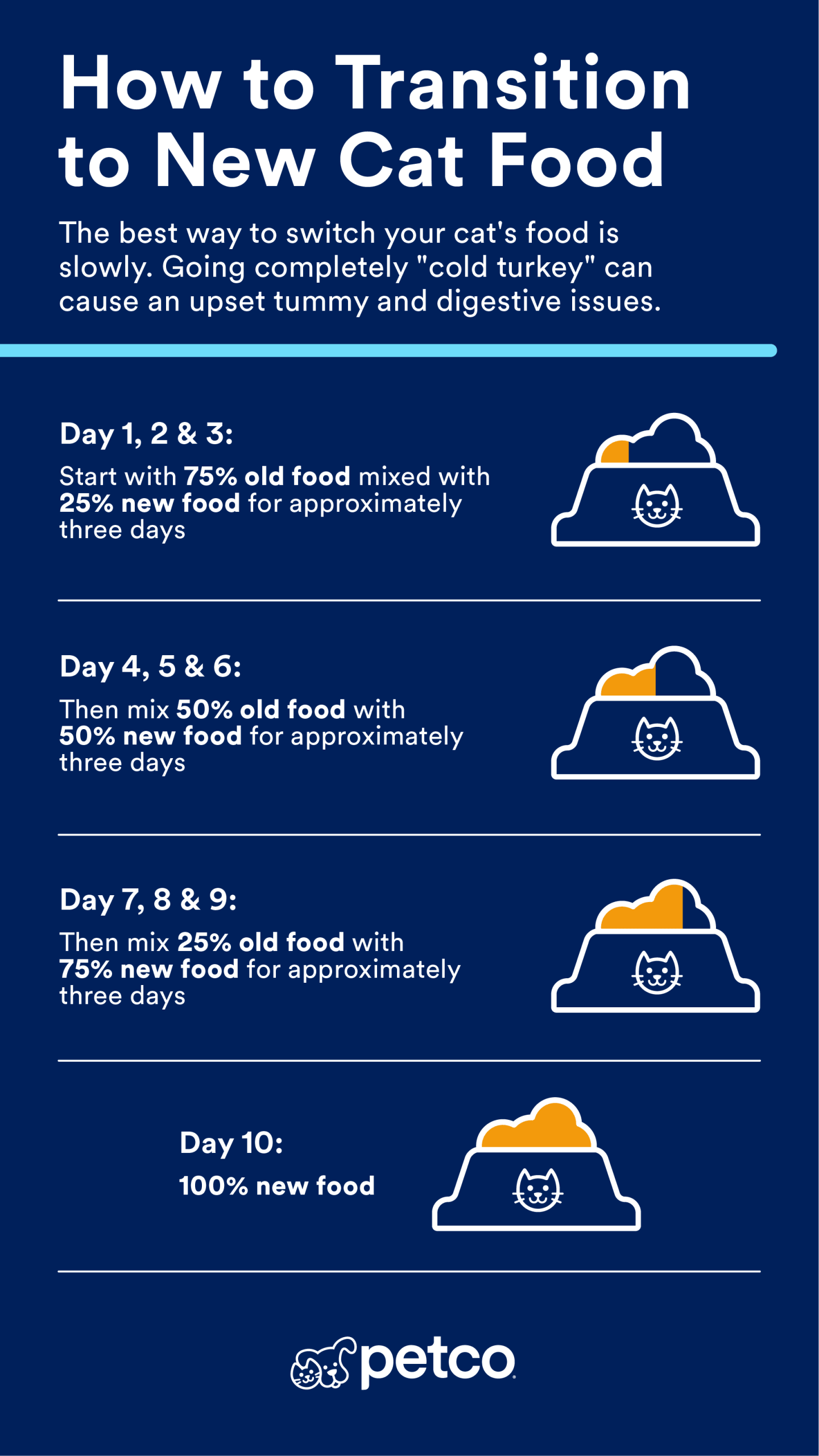
Start by mixing a small amount of adult food with your cat’s current food. Use about 25% new food and 75% old food. Feed this mix for three to four days. Then, increase the adult food to 50% and decrease the old food to 50% for the next few days. After that, try 75% adult food and 25% old food. Finally, offer only adult food. This process usually takes about 7 to 10 days.
Monitoring For Reactions
Watch your cat closely during the switch. Look for signs like vomiting, diarrhea, or lack of appetite. Soft stool or mild gas is normal at first. If severe symptoms appear, stop the new food and consult a vet. Keep an eye on your cat’s energy and mood too. Healthy cats stay active and alert.

Credit: www.tippaws.com
Common Transition Challenges
Transitioning your cat from kitten food to adult food can bring some challenges. Cats may react differently to new tastes and textures. This phase requires patience and careful observation. Understanding common issues helps you manage the switch smoothly.
Refusal To Eat
Many cats refuse to eat new food at first. They may prefer the familiar taste of kitten food. Changes in flavor, texture, or smell can cause hesitation. Cats are creatures of habit and may resist change.
To encourage eating:
- Mix small amounts of adult food with kitten food.
- Gradually increase adult food over several days.
- Offer food at regular times to build routine.
- Try warming the food to enhance aroma.
Digestive Upset
Switching foods too quickly can upset your cat’s stomach. Symptoms include vomiting, diarrhea, or soft stools. Their digestive system needs time to adjust to new ingredients.
To reduce digestive problems:
- Transition food slowly over 7–10 days.
- Keep fresh water available at all times.
- Monitor your cat’s stool and behavior closely.
- Consult a vet if symptoms persist or worsen.
Veterinary Advice And Support
Veterinary advice is crucial when deciding to switch your cat to adult food. Vets understand your cat’s health needs and growth patterns. They provide guidance tailored to your cat’s breed, weight, and activity level.
Veterinarians can spot health issues that affect diet changes. They help avoid common mistakes during the transition. Their support ensures your cat’s diet supports long-term well-being.
When To Consult A Vet
Consult a vet before changing your cat’s food. This is important if your cat has special health needs. Seek advice if your cat is underweight or overweight. Speak to a vet if your cat shows signs of allergies or digestive problems. Regular vet check-ups also provide good times to discuss diet changes.
Tailoring Diet Plans
Vets create diet plans specific to your cat’s needs. They consider age, health, and lifestyle factors. Tailored plans improve nutrition and energy levels. Your vet may suggest gradual food changes to reduce stress. They can recommend supplements if needed. Follow the vet’s advice for best results.
Special Cases
Cats have different lifestyles and health needs that affect their diet changes. Some cats may need to switch to adult food earlier or later than usual. Understanding these special cases helps you give your cat the best nutrition at the right time.
Indoor Vs Outdoor Cats
Indoor cats usually have less activity and burn fewer calories. They often need fewer calories and less fat in their food. Switching to adult food may happen sooner to prevent weight gain.
Outdoor cats are more active and may need more calories and nutrients. Their food should support their energy and muscle health. Outdoor cats might stay on kitten food longer to meet these needs.
Cats With Health Issues
Health problems can change when to switch your cat’s food. Cats with digestive issues may need special diets that differ from regular adult food. Some illnesses require food with extra nutrients or less fat.
Always check with your vet before changing the diet if your cat has health problems. Your vet can recommend the best food and timing based on your cat’s condition.
Frequently Asked Questions
When Is The Right Age To Switch Cat Food?
Most cats should transition to adult food at 12 months old. This age supports their growth and energy needs effectively.
How To Tell If My Cat Needs Adult Food?
Look for slowed growth and less playful behavior. These signs indicate your cat is ready for adult nutrition.
Can I Feed Adult Food To A Kitten?
Feeding adult food to kittens can cause nutrient deficiencies. Kittens need specially formulated food for proper growth.
What Are Benefits Of Adult Cat Food?
Adult cat food meets mature cats’ energy and health needs. It supports weight management and overall vitality.
Conclusion
Choosing the right time to switch your cat’s food is very important. Most cats change to adult food between one and two years old. Watch your cat’s size, activity, and health for clues. Gradually mix new food to avoid stomach upset.
Remember, a good diet helps your cat stay happy and healthy. Always check with your vet if you are unsure. Your cat will thank you for the care. Simple steps can make this change easy and safe.

Leave a Reply