Are you wondering when it’s time to switch your cat to Purina Adult Food? Knowing the right moment can make a big difference in your cat’s health and happiness.
Feeding your furry friend the right food at the right age helps keep them energetic, strong, and full of life. You’ll discover clear signs to watch for and simple tips to make the change smooth and stress-free. Keep reading to find out exactly when your cat needs Purina Adult Food and why it matters for their well-being.
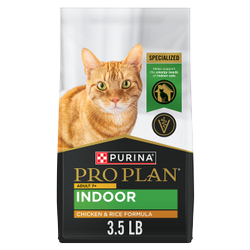
Credit: www.purina.com
Age Milestones For Adult Cat Food
Understanding the right time to switch your cat to Purina Adult Food is key to keeping them healthy and energetic. Age milestones help you identify when your feline friend moves from the playful kitten stage to adulthood, requiring different nutrition. Paying attention to these changes ensures your cat gets the right nutrients exactly when they need them.
Kitten To Adult Transition Timeline
Your kitten’s growth happens fast, and their diet needs to keep up. Usually, cats are ready to transition to adult food between 9 to 12 months of age. However, this can vary, so watch for signs like slowing growth or reduced playfulness.
Some vets recommend starting the switch gradually around 10 months to avoid digestive upset. You can mix kitten food with Purina Adult Food over a week or two, allowing your cat to adjust comfortably. Have you noticed your kitten’s energy levels or appetite changing? That’s a good time to think about the transition.
Breed And Size Considerations
Not all cats grow at the same rate. Larger breeds like Maine Coons might need kitten food for longer—up to 18 months—because their bodies take more time to mature. Smaller breeds often reach adulthood closer to the 9-month mark.
Consider your cat’s size and breed when deciding the switch. Purina offers tailored adult formulas that address different needs, such as weight management for larger cats or sensitive digestion for smaller breeds. Knowing your cat’s specific requirements helps you choose the perfect adult food.
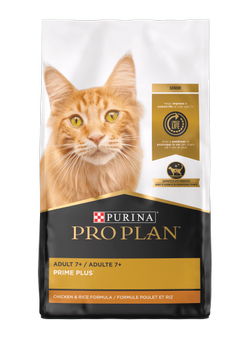
Credit: www.purina.com
Behavioral Changes Indicating Dietary Needs
Behavioral changes in your cat often signal shifts in their dietary needs. Paying close attention to these changes can help you decide when to introduce Purina Adult Food. Cats can’t tell us what they need, but their behavior can guide you toward better nutrition choices.
Changes In Activity Levels
If your cat suddenly becomes less playful or seems lethargic, it might indicate a nutritional gap. On the other hand, excessive energy could mean their current food isn’t meeting their calorie or nutrient requirements. Have you noticed your cat sleeping more than usual or avoiding their favorite toys? These signs suggest it might be time to adjust their diet.
Try observing how long your cat stays active during the day. If their energy spikes or drops dramatically, consider switching to Purina Adult Food, which supports balanced energy levels with essential nutrients.
Appetite Fluctuations
Watch for any sudden changes in your cat’s eating habits. A drop in appetite might mean the current food isn’t appealing or lacks certain nutrients, while an increase could point to hunger not being fully satisfied. Did your cat start leaving food uneaten or begging for more frequently?
Sometimes, cats become picky as they age or their dietary needs change. Purina Adult Food offers a range of flavors and formulas that might rekindle your cat’s interest in meals and provide the nutrition they need. Could adjusting their diet improve mealtime enthusiasm and overall health?
Physical Signs Suggesting Food Switch
Recognizing when your cat needs a change in diet can be challenging. However, paying attention to physical signs can guide you toward the right decision. Your cat’s appearance and body condition often reveal how well their current food is supporting their health.
Coat And Skin Condition
Is your cat’s fur looking dull or patchy? A healthy coat should be shiny and smooth. If you notice excessive shedding, dry skin, or flaky patches, it might be time to reconsider their food.
Food lacking essential fatty acids and nutrients can affect skin health. I once switched my cat to Purina Adult Food after noticing her coat became rough and brittle. Within weeks, her fur regained its shine, and the skin irritation disappeared.
Look for signs like:
- Loss of fur in certain areas
- Persistent scratching or redness
- Greasy or overly dry coat
These can indicate nutritional gaps your current food isn’t filling.
Weight And Body Shape Changes
Have you observed changes in your cat’s weight or body shape? Sudden weight loss or gain should never be ignored. It’s a strong signal that their diet may not be meeting their energy needs.
Sometimes, cats gain weight due to food that is too calorie-dense or not balanced for their activity level. On the other hand, unintentional weight loss can suggest poor nutrient absorption or illness.
Check for:
- Visible ribs or spine indicating weight loss
- Increased waistline pointing to weight gain
- Changes in muscle tone or body posture
Have you noticed these changes in your cat recently? Switching to a balanced formula like Purina Adult Food can help regulate their weight and keep them active.
Health Factors Influencing Food Choice
Choosing the right food for your adult cat depends on many health factors. These factors affect how well your cat digests food and stays healthy. Understanding these can help you decide if Purina Adult Food suits your cat’s needs.
Digestive Health And Tolerance
Some cats have sensitive stomachs or food allergies. Purina Adult Food offers formulas that support good digestion. These foods contain fibers and nutrients that help regulate digestion. They reduce vomiting and diarrhea risks. If your cat shows signs of upset stomach, consider a gentle formula.
Watch for changes in stool quality and appetite. A good diet improves nutrient absorption and overall comfort. Cats with digestive problems benefit from foods with high-quality ingredients and probiotics.
Dental Health Considerations
Dental health plays a key role in food choice. Hard kibble can help reduce plaque and tartar buildup. Purina Adult Food includes options designed to support dental care.
Some cats struggle to chew hard food due to dental pain or missing teeth. For these cats, softer options may be better. Maintaining dental health prevents bad breath and gum disease. Regular vet checks combined with the right food help keep your cat’s mouth healthy.
Benefits Of Purina Adult Cat Food
Choosing the right food for your cat is crucial. Purina Adult Cat Food offers many benefits. It supports your cat’s overall health and wellness. Here are some key benefits of feeding your cat Purina Adult Food.
Nutritional Balance For Adults
Purina Adult Cat Food provides balanced nutrition for adult cats. It contains essential proteins, vitamins, and minerals. These nutrients support muscle maintenance and overall health. High-quality ingredients ensure your cat gets the best nutrition. This helps maintain a healthy weight and active lifestyle.
Support For Immune And Digestive Systems
Purina Adult Cat Food enhances your cat’s immune system. It includes antioxidants that support immune health. This helps your cat fight off common illnesses. The formula also promotes a healthy digestive system. It contains prebiotics that aid in digestion. This ensures your cat absorbs nutrients effectively.

Credit: www.proplanvetdirect.com
How To Transition To Purina Adult Food
Switching your cat to Purina Adult Food can be a smooth experience if handled with care. Cats are creatures of habit, so sudden changes in their diet might cause discomfort or refusal to eat. Taking a thoughtful approach ensures your cat adjusts well and enjoys their new meals.
Gradual Introduction Steps
Start by mixing a small amount of Purina Adult Food with your cat’s current food. A good rule is to begin with about 25% Purina and 75% old food.
Over the next 7 to 10 days, slowly increase the Purina portion while decreasing the old food. This slow transition helps your cat’s digestive system adapt without upset.
Keep an eye on how your cat reacts to the new taste and texture. If they hesitate or refuse, give them a day or two before increasing the Purina amount again.
Monitoring Your Cat’s Response
Observe your cat’s eating habits closely during the transition. Are they enthusiastic about their meals, or do they seem hesitant? Appetite changes can tell you a lot about how well the new food suits them.
Watch for any signs of digestive upset like vomiting, diarrhea, or constipation. If these symptoms appear, slow down the transition or consult your vet.
Remember, your cat’s behavior and energy levels also reflect their adjustment. Are they as playful and active as before? Changes in mood can indicate discomfort or dietary issues.
Frequently Asked Questions
When Should I Switch My Cat To Purina Adult Food?
You should switch when your cat reaches one year old. This marks the end of kitten growth. Purina Adult Food meets adult cats’ nutritional needs effectively.
What Are The Benefits Of Purina Adult Food?
Purina Adult Food supports healthy digestion, strong immunity, and optimal energy. It contains balanced proteins and essential nutrients for adult cats’ well-being.
Can Purina Adult Food Suit All Cat Breeds?
Yes, Purina Adult Food is formulated for most breeds. It supports general adult cat health but consult your vet for special dietary needs.
How To Transition To Purina Adult Food Smoothly?
Gradually mix Purina Adult Food with current food over 7 days. This prevents digestive upset and helps your cat adjust comfortably.
Conclusion
Choosing the right food helps your cat stay healthy and happy. Purina Adult Food suits cats that have grown out of kitten stages. It provides the nutrients they need every day. Watch for signs like age and activity to decide the switch time.
A balanced diet supports strong muscles and a shiny coat. Feeding your cat well shows you care about their well-being. Keep checking their health and adjust food as needed. Simple steps make a big difference in your cat’s life.



Leave a Reply