Are you wondering if it’s okay to start feeding your 5-month-old kitten adult cat food? You want to make sure your furry friend gets the right nutrition to grow strong and healthy.
Switching their diet too soon or too late can affect their energy, growth, and overall well-being. You’ll discover the best time to make the switch, what signs to watch for, and how to keep your cat happy and thriving. Keep reading to find out exactly what your kitten needs during this important stage.

Credit: www.dogfood.com.my
When To Switch To Adult Cat Food
Knowing the right time to switch your kitten to adult cat food is crucial for their health and development. Feeding a 5-month-old kitten adult food might seem early, but it depends on their growth and nutritional needs. Understanding when to make this change ensures your cat gets the proper nutrients without missing out on essential growth support.
Growth Stages Of Cats
Kittens grow rapidly during their first six months. During this time, they need high-protein and calorie-rich food to support bone and muscle development. After about six months, their growth rate slows, and their dietary needs start to resemble those of adult cats.
Between 5 and 6 months, your kitten is transitioning from a growth phase to a more stable stage. This is why many vets recommend starting to introduce adult food gradually around this age. But remember, every cat grows differently, so watch your kitten closely.
Signs Your Kitten Is Ready
How can you tell if your kitten is ready for adult food? Look for signs like a decrease in rapid growth spurts and a shift in energy levels. If your kitten seems less hungry than before or their weight gain has slowed, it might be time to switch.
Also, check their teeth. By 5 months, many kittens have most of their adult teeth, which helps them chew the tougher texture of adult food. If your kitten easily manages solid food and shows interest in what you’re feeding, those are good clues.
Have you noticed your kitten finishing their kitten food faster or leaving some behind? Their eating habits can tell you a lot about their readiness. Transition slowly by mixing adult food with kitten food over a week or two to avoid digestive upset.
Differences Between Kitten And Adult Food
Understanding the differences between kitten and adult cat food is crucial when deciding what to feed your 5-month-old cat. Each type of food is designed to meet specific dietary needs that align with your cat’s growth stage. Feeding the right food helps support their health, energy, and development.
Nutritional Needs
Kittens require more calories than adult cats because they are growing rapidly and have higher energy demands. Their food is rich in protein and fat to support muscle growth and brain development.
Adult cat food has fewer calories and is formulated to maintain a healthy weight rather than promote growth. It usually contains balanced nutrients to support overall health and prevent obesity.
Have you noticed how your kitten’s energy levels change as they grow? This shift reflects their changing nutritional needs.
Ingredient Variations
Kitten food often contains higher levels of essential nutrients like DHA, an omega-3 fatty acid important for eye and brain development. It also includes extra vitamins and minerals to boost immunity.
Adult cat food focuses on ingredients that support long-term health, such as antioxidants and joint-supporting nutrients. It may also have fewer fillers and less fat to avoid unnecessary weight gain.
Pay attention to ingredient lists next time you shop. Does the food highlight growth-supporting nutrients, or does it focus on maintenance and wellness?
Risks Of Early Transition
Switching a kitten to adult cat food too early can cause health problems. Kittens need special nutrients for growth and development. Adult food often lacks these essential elements. Early transition risks harming your kitten’s overall health and well-being.
Nutrient Deficiencies
Kittens require more protein, fat, and calories than adult cats. Adult food usually has lower levels of these nutrients. Feeding adult food at five months can lead to nutrient shortages. This shortage can slow growth and weaken the immune system. Bones and muscles may not develop properly, causing long-term issues.
Digestive Issues
Kittens have sensitive stomachs that need gradual changes in diet. Adult cat food has a different composition and texture. Feeding it too soon can cause stomach upset, diarrhea, or vomiting. The sudden change may also lead to poor digestion and nutrient absorption. This discomfort can make the kitten refuse to eat, worsening nutrition problems.
How To Transition Safely
Transitioning a cat from kitten food to adult food requires care and attention. A sudden change can upset your cat’s stomach. The key is to introduce new food safely and watch for signs of discomfort. Follow simple steps to make the process smooth and stress-free for your pet.
Gradual Food Introduction
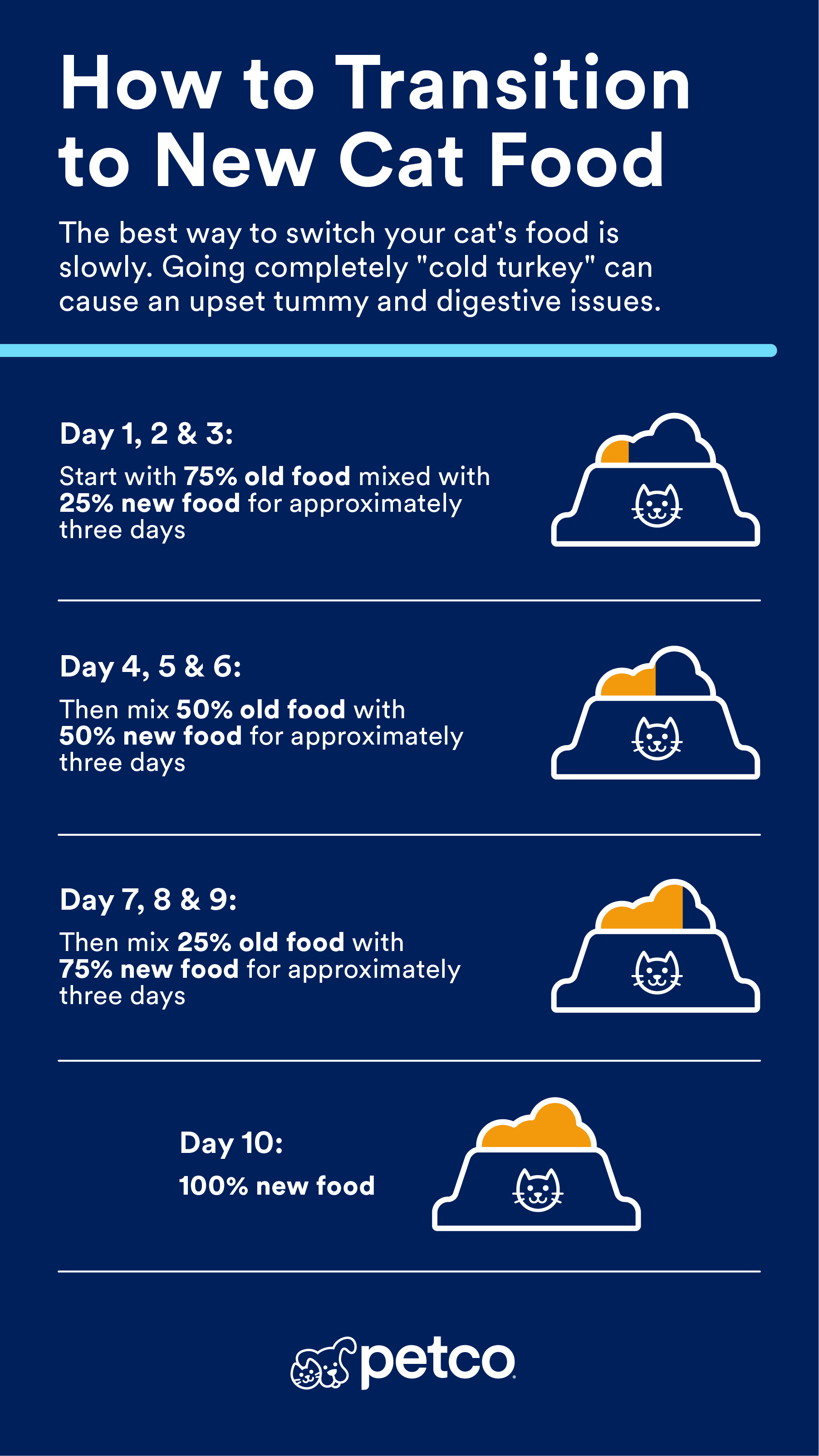
Start by mixing a small amount of adult food with your cat’s kitten food. Increase the adult food portion slowly over 7 to 10 days. This helps your cat adjust to new flavors and nutrients. Keep the total food amount the same to avoid overeating.
Watch how your cat reacts to the new food. Some cats may prefer wet or dry adult food. Choose the type your cat likes best to ensure they eat well during the transition.
Monitoring Health And Behavior
Pay close attention to your cat’s health during the food change. Check for any signs of digestive upset like vomiting or diarrhea. Changes in appetite or energy levels also matter.
Keep a daily record of your cat’s eating habits and bathroom behavior. Contact your vet if problems persist beyond a few days. Early action prevents bigger health issues.
Choosing The Right Adult Cat Food
Choosing the right adult cat food for your five-month-old kitten requires careful consideration. At this age, kittens are still growing and need specific nutrients. Transitioning to adult food too early may affect their development. Understanding quality ingredients and age-appropriate formulas is essential.
Quality Ingredients
Look for foods with high-quality proteins. Chicken, fish, or turkey are excellent choices. Avoid foods with fillers like corn or soy. These do not provide the necessary nutrients. Ensure the food contains essential vitamins and minerals. Taurine, for instance, is crucial for a cat’s health. Check for Omega-3 and Omega-6 fatty acids. These support a healthy coat and skin.
Age-appropriate Formulas
Kittens need more calories than adult cats. Choose a formula that supports this requirement. Some adult foods are formulated for all life stages. These can be suitable if they meet your kitten’s nutritional needs. Always check the packaging for feeding guidelines. It’s important to ensure the portion size is correct. Consult your vet for personalized advice. They can help tailor a diet plan for your kitten’s growth.
Credit: www.petco.com
Consulting Your Veterinarian
Before switching your 5-month-old kitten to adult cat food, it’s crucial to talk with your veterinarian. They have the expertise to guide you based on your cat’s unique needs and growth patterns. Consulting a vet helps avoid common feeding mistakes that could affect your cat’s health and development.
Personalized Feeding Advice
Your veterinarian can provide feeding recommendations tailored specifically to your cat. Factors like breed, weight, activity level, and any health concerns influence the best diet for your kitten.
For example, a very active kitten might need more calories and nutrients than a less active one. Your vet might also suggest a gradual transition plan to adult food to prevent digestive upset.
Have you noticed any changes in your kitten’s appetite or energy? Sharing these observations with your vet can help fine-tune the feeding approach.
Health Checkups Before Transition
A thorough health check is essential before changing your cat’s diet. The vet will check for any signs of illness or nutritional deficiencies that might affect food choice.
This step can uncover hidden issues like parasites or dental problems that impact eating habits. Addressing these early ensures your kitten can digest and benefit from the new food properly.
Regular vet visits also allow you to monitor your cat’s growth and adjust feeding plans as needed. Isn’t it reassuring to know your decision is backed by professional health insights?
Credit: companion-vets.com
Frequently Asked Questions
Can I Feed Adult Cat Food To A 5-month-old Kitten?
Feeding adult cat food to a 5-month-old kitten is not recommended. Kittens need kitten-specific food for proper growth. Kitten food contains higher protein and nutrients essential for development.
When Should I Switch From Kitten To Adult Cat Food?
Switch from kitten to adult cat food around 12 months old. This ensures your cat gets the right nutrients for its age. Early switching can lead to nutrient deficiencies.
What Are The Risks Of Feeding Adult Food Too Early?
Feeding adult food too early can cause nutritional imbalances. Kittens may miss vital nutrients needed for growth. This can lead to stunted growth and health issues.
How To Transition A Kitten To Adult Cat Food?
Transition gradually over 7-10 days by mixing adult food with kitten food. Increase adult food portion daily. This helps your kitten adjust to the new diet without digestive upset.
Conclusion
Feeding a 5-month-old cat adult food is possible but requires care. Kittens need more nutrients to grow strong and healthy. Adult food may lack important vitamins and proteins for young cats. Gradual change helps avoid stomach problems. Watch your kitten’s weight and energy closely.
Talk to your vet for the best feeding plan. Healthy eating now means a happy cat later. Choose the right food to support growth and health. Small steps make a big difference in your cat’s life.


Leave a Reply