Have you ever wondered when your kitten will start cleaning itself without your help? Knowing when cats begin to groom themselves is important for understanding their health and independence.
If you want to make sure your furry friend stays clean and happy, you need to learn the signs and timing of this natural behavior. Keep reading, and you’ll discover exactly when your cat starts grooming and how you can support them during this key stage.
Early Grooming Habits
Early grooming habits play a crucial role in a kitten’s development. These habits help kittens stay clean and healthy. They also teach important social and survival skills. Grooming starts even before kittens learn to groom themselves. Observing these early stages offers insight into how cats grow independent and tidy.
Grooming By Mother Cat
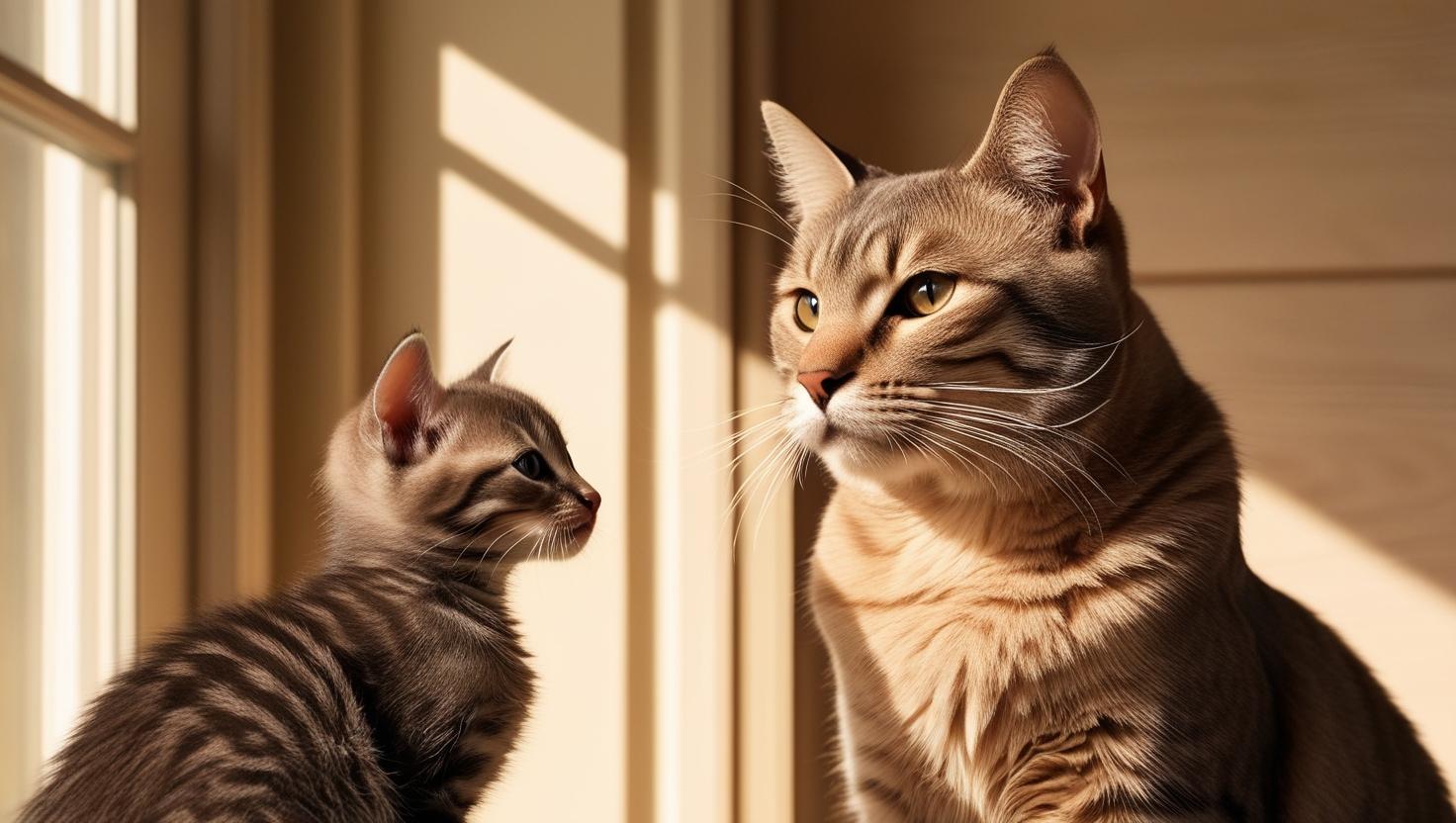
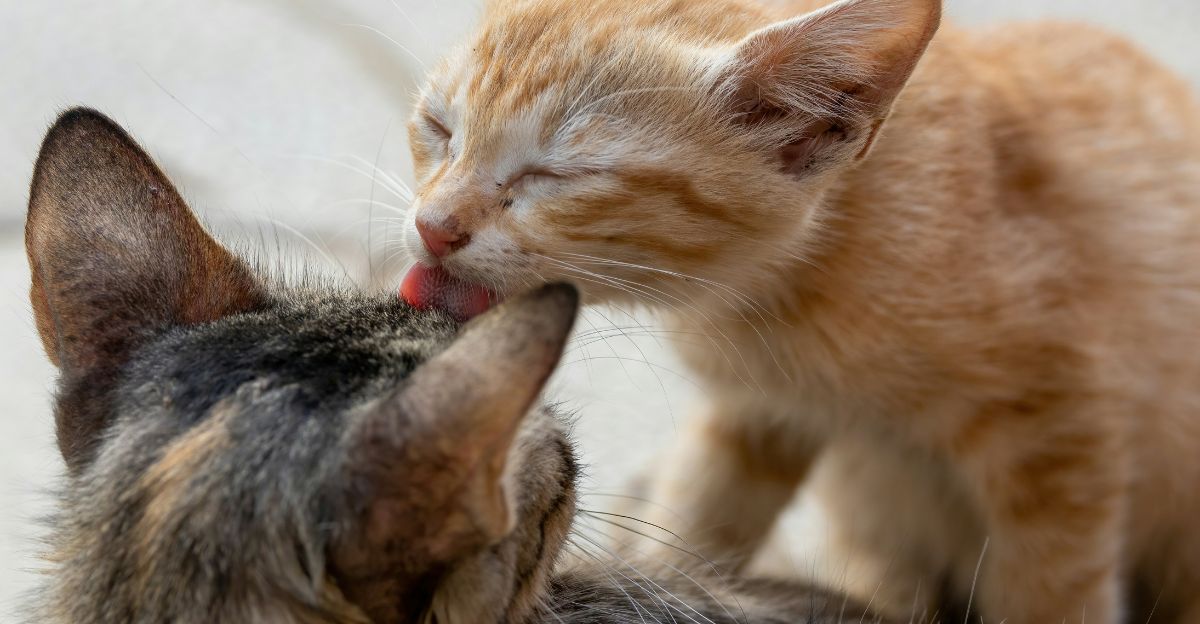
The mother cat is the first groomer for her kittens. She licks them gently to clean their fur and stimulate their bodily functions. This licking also creates a strong bond between mother and kittens. The mother’s grooming teaches kittens the importance of cleanliness.
Mother cats groom several times a day. This keeps the kittens warm and free from dirt or parasites. Kittens rely on their mother’s care until they develop the skills to groom alone.
Initial Self-grooming Attempts
Kittens begin to try grooming themselves at around three weeks old. They start by licking their paws and face. These early attempts are clumsy but important. Each lick improves their control and coordination.
By four to five weeks, kittens practice more regular self-grooming. This habit grows stronger as they learn by watching their mother. Self-grooming helps kittens feel comfort and stay clean as they become more independent.

Credit: www.latimes.com
Development Milestones
Kittens begin grooming themselves at about three weeks old. This skill grows stronger as they develop better control over their bodies. Grooming helps keep their fur clean and healthy from an early age.
Development Milestones Watching a kitten grow is like witnessing a miniature miracle. Each day, they develop new skills that prepare them for a life of independence. Grooming is one such essential skill, and it begins quite early in a kitten’s life.Age When Kittens Start Grooming
Typically, kittens begin to show interest in grooming themselves around the age of 3 to 4 weeks. At this stage, their coordination improves, allowing them to reach different parts of their body. You might catch them adorably attempting to clean their tiny paws or faces.Progression Of Grooming Skills
As kittens grow, so do their grooming abilities. By 6 weeks, they start mimicking their mother’s grooming habits, learning the intricate dance of cleaning. By 3 months, most kittens are proficient groomers, capable of keeping themselves tidy and clean. Ever watched a kitten’s grooming routine and noticed how they sometimes miss a spot? It’s a learning curve. Just like humans, they perfect their skills through practice. Have you noticed how a kitten’s grooming habits reveal their personality? An attentive groomer might be meticulous in other areas too. Observing these milestones can give you insight into your feline friend’s development and character.Factors Influencing Grooming
Understanding when cats start grooming themselves depends on several key factors. These influences shape not only the timing but also the quality of their grooming habits. Recognizing these can help you support your cat’s health and well-being effectively.
Health And Nutrition
Your cat’s health plays a major role in how and when they groom. A well-nourished kitten usually starts grooming earlier because they have the energy and strength to do so. On the other hand, a cat with health issues like skin problems or infections may delay or reduce grooming.
Nutrition affects the condition of their fur and skin. High-quality food rich in omega-3 and omega-6 fatty acids promotes a shiny coat and encourages regular grooming. Have you noticed how your cat’s grooming habits change with diet adjustments?
Environmental Impact
The environment your cat grows up in influences grooming behavior a lot. Kittens raised in clean, stress-free spaces tend to start grooming earlier. If the area is dirty or has too many stressors, cats might groom less or develop bad habits like over-grooming.
Exposure to other cats also matters. Cats often learn by watching their mother and littermates. So, if your kitten is isolated, they might take longer to figure out grooming on their own. How can you create a calm and clean space that encourages your cat to groom?
Breed Differences
Not all cats groom the same way or start at the same age. Some breeds, like Persians with long fur, need to groom more often and may begin earlier to manage their coats. Short-haired breeds might start grooming later or less frequently because their fur is easier to maintain.
Breed-specific traits also affect how thorough a cat is with grooming. For example, Siamese cats are known for being meticulous groomers, while others might be less so. Think about your cat’s breed and how it could influence their grooming habits.

Credit: tryfurgo.com
Common Grooming Behaviors
Cats begin grooming themselves early in life. Their grooming helps keep fur clean and healthy. It also controls body temperature and reduces stress. Understanding common grooming behaviors shows how cats care for themselves.
Licking And Cleaning
Licking is the main way cats clean their fur. Their tongues have tiny, rough bumps. These help remove dirt and loose hair. Cats lick in smooth, careful strokes. They focus on areas hard to reach with paws.
Licking also spreads natural oils. These oils keep fur soft and shiny. Cats often lick after eating or waking up. This behavior keeps them fresh and comfortable.
Scratching And Biting
Scratching helps cats remove dead skin and loose fur. They use their back legs and teeth to bite at tangles. Biting is gentle and precise. It targets small knots or debris stuck in fur.
These actions prevent matting and skin irritation. Cats may scratch or bite more during shedding seasons. This behavior supports healthy skin and fur growth.
Paw Washing Technique
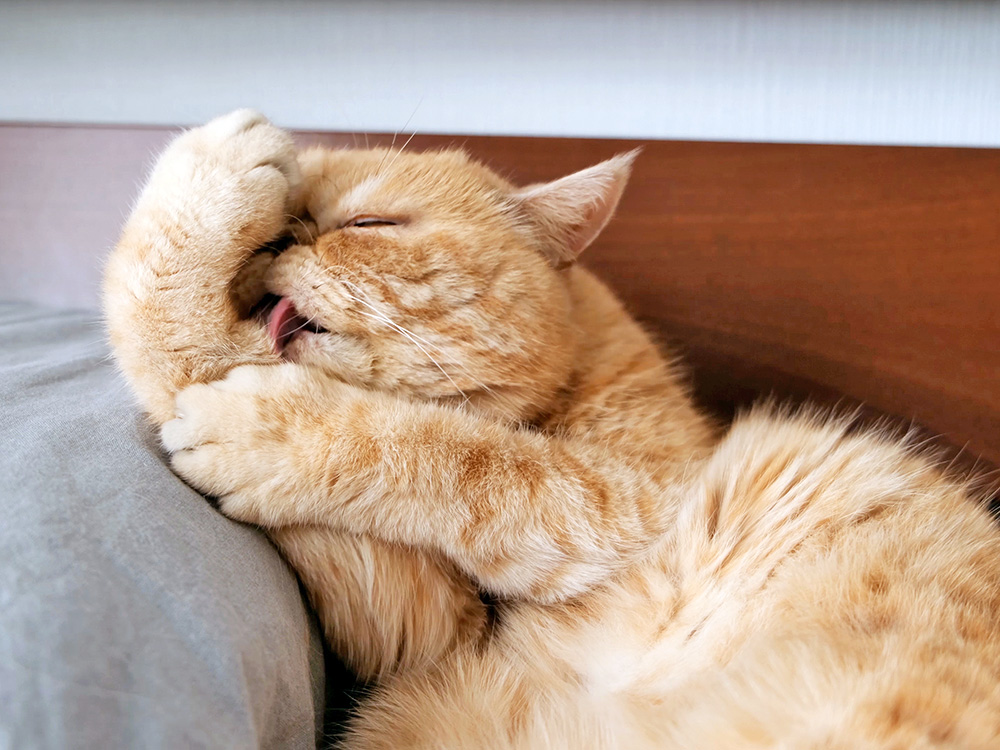
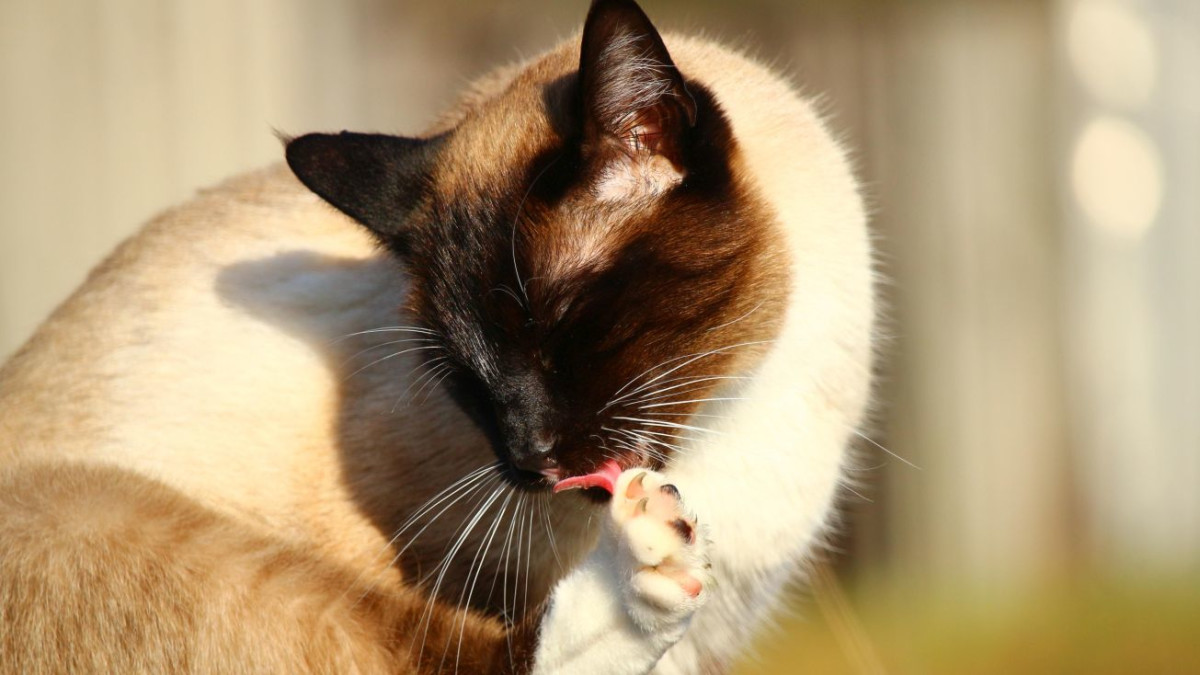
Cats use their paws like tiny washcloths. They lick their paws until wet, then rub them over their face and head. This paw washing cleans hard-to-reach spots. It also soothes the cat’s skin.
This technique shows cats’ flexibility and care. Paw washing is a detailed grooming habit. It keeps sensitive facial areas neat and tidy.
When To Seek Help
Knowing when to seek help for your cat’s grooming habits is crucial for their health and happiness. Grooming is more than just keeping clean; it reflects their physical and emotional well-being. If you notice unusual patterns or problems, it’s important to act quickly to prevent bigger issues.
Signs Of Grooming Issues
Watch for patches of missing fur or constant scratching. These can indicate skin infections, allergies, or parasites like fleas. If your cat is licking one spot excessively, it might be painful or irritated underneath.
Also, pay attention if your cat stops grooming altogether. A sudden decline in grooming can signal illness or stress. You might notice a greasy or matted coat, which is not normal for a cat that usually grooms well.
- Redness, sores, or scabs on the skin
- Unusual odor coming from the fur
- Behavioral changes like hiding or aggression
Veterinary Intervention
If you spot any of these signs, schedule a vet visit promptly. A vet can diagnose underlying causes such as infections, allergies, or even arthritis that makes grooming painful. Early treatment often leads to faster recovery.
Your vet might suggest treatments including medicated shampoos, antibiotics, or dietary changes. Sometimes, behavioral issues like anxiety require special attention or calming techniques. Don’t hesitate to ask questions; understanding your cat’s needs helps you care for them better.
Have you noticed any grooming changes in your cat recently? Observing closely and acting quickly can make all the difference in your furry friend’s comfort and health.
Credit: pethelpful.com
Frequently Asked Questions
When Do Kittens Start Grooming Themselves?
Kittens begin grooming themselves around 3 to 4 weeks old. Initially, their mother cleans them. Self-grooming skills improve as they grow and practice. By 8 weeks, most kittens groom regularly and independently.
Why Is Self-grooming Important For Cats?
Self-grooming helps cats stay clean and healthy. It removes dirt, loose fur, and parasites. Grooming also regulates body temperature and reduces stress. It is essential for their overall hygiene and comfort.
How Often Do Cats Groom Daily?
Cats groom themselves multiple times daily, spending about 30-50% of their awake time. Grooming keeps their fur smooth and free of debris. The frequency varies with age, health, and environment.
When Should I Worry If My Cat Isn’t Grooming?
If your cat stops grooming or grooms excessively, consult a vet. It may indicate illness, pain, or stress. Early detection helps address underlying health problems promptly. Regular grooming is a sign of well-being.
Conclusion
Cats usually start grooming themselves around three weeks old. This behavior grows as they get older and learn from their mother. Grooming keeps cats clean and healthy. It also helps them feel calm and relaxed. Watching a cat groom shows how smart and independent they are.
Knowing when cats begin grooming helps owners care for their pets better. Remember, each cat is different and may start at its own pace. Patience and gentle care support healthy grooming habits. Keep your cat’s coat clean to help them stay happy and comfortable.

Leave a Reply