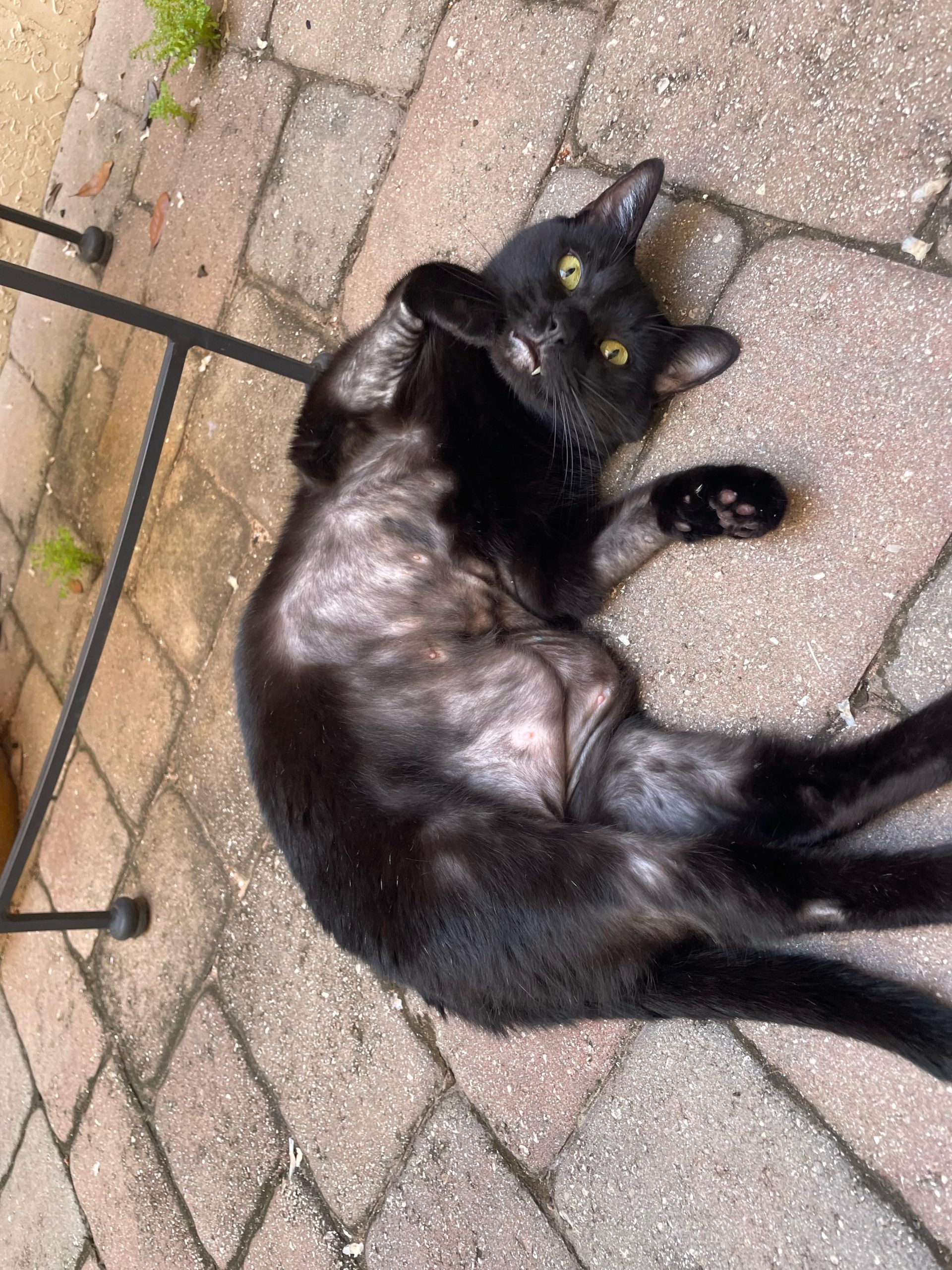
Have you noticed your cat suddenly stopped grooming itself? This change can be worrying because grooming is a natural habit for cats.
When your furry friend stops cleaning, it might signal something is wrong. Understanding why your cat has stopped grooming can help you take quick action to keep them healthy and happy. Keep reading to discover the common reasons behind this behavior and what you can do to help your cat feel their best again.
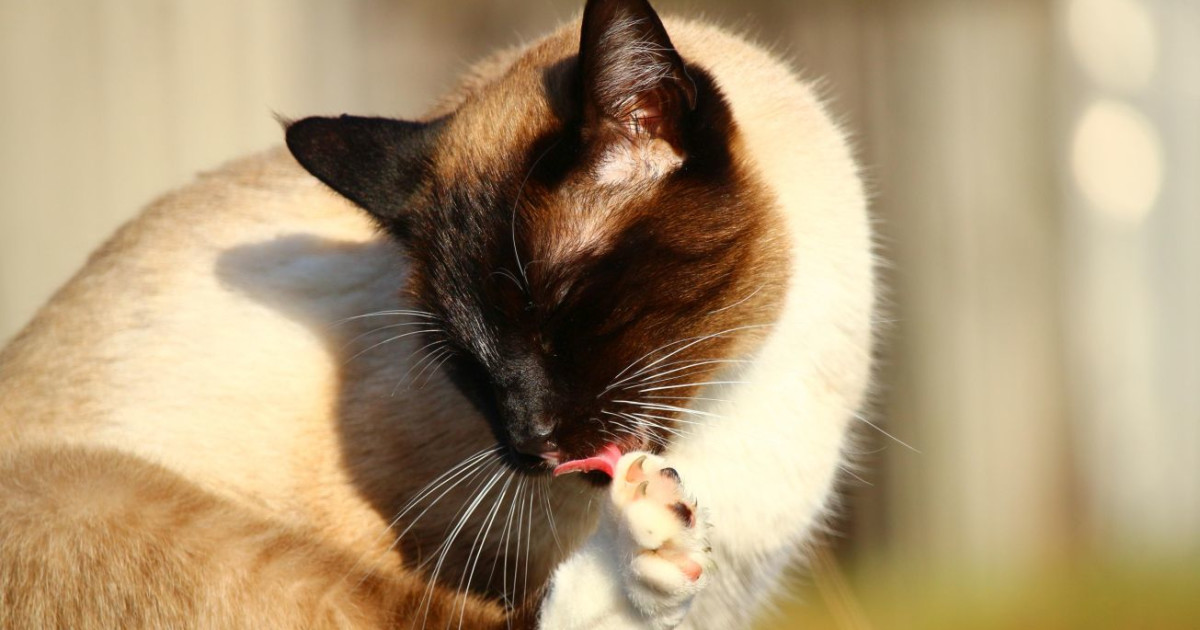
Credit: pethelpful.com
Signs Of Grooming Changes
Noticing changes in your cat’s grooming habits can signal that something is off. Cats are usually meticulous about keeping clean, so a shift in this behavior often points to underlying issues. Recognizing these signs early helps you address potential health or emotional problems before they worsen.
Normal Grooming Habits
Cats spend a significant part of their day grooming. They use their tongues to clean their fur, removing dirt and loose hair. Grooming also helps regulate their body temperature and provides comfort.
Typically, a healthy cat grooms multiple times a day, especially after eating or waking up. You might notice them licking their paws and then rubbing their face or head. This routine keeps their coat shiny and skin healthy.
Spotting Grooming Decline
If your cat suddenly stops or reduces grooming, watch closely for these signs:
- Mattes or clumps of fur that don’t get brushed out naturally
- Excessive shedding or bald patches
- Dirty or greasy coat appearance
- Visible skin irritations or sores
- Unusual odors from their fur
Have you noticed your cat looking less tidy or avoiding grooming altogether? It’s easy to overlook at first because changes can be subtle. But even small shifts in grooming can indicate pain, stress, or illness.
When my cat stopped grooming after an injury, his fur became rough and patchy quickly. That change pushed me to get him checked by the vet, which revealed a skin infection. What might your cat’s grooming changes be trying to tell you?
Health Issues Affecting Grooming
Health issues can significantly affect your cat’s grooming habits. When a cat stops grooming, it’s often a sign that something is wrong beneath the surface. Understanding these health problems can help you spot early warning signs and get your feline friend the care they need.
Skin Problems And Parasites
Skin conditions like allergies, infections, or dryness make grooming uncomfortable for cats. Parasites such as fleas and mites cause itching and irritation, leading cats to avoid grooming the affected areas.
If your cat has bald patches, redness, or scabs, it’s a clear sign of skin trouble. Have you noticed your cat scratching more than usual or biting their fur? These behaviors often indicate parasites or skin issues interfering with grooming.
Pain And Physical Discomfort
Pain can stop a cat from grooming altogether. Arthritis, injuries, or muscle soreness make it hard for cats to reach certain body parts during grooming.
Your cat might look unkempt or have matted fur in spots they can’t reach. Watch for signs like limping or sensitivity when touched. Could your cat’s reluctance to groom be linked to unseen pain?
Dental And Oral Concerns
Oral health problems are often overlooked but have a big impact on grooming. Painful teeth or gums can make grooming painful, especially around the head and neck.
If your cat avoids licking their fur or seems to drop food, dental issues might be the cause. Regular dental check-ups can prevent these problems and keep grooming comfortable for your cat.
Emotional And Behavioral Factors
Stress or anxiety can make a cat stop grooming. Changes in the environment or routine often affect their behavior. Emotional discomfort may lead to neglecting personal care.
Cats are known for their fastidious grooming habits, but sometimes they stop grooming due to emotional and behavioral factors. These changes can be perplexing and concerning for pet owners. Understanding the emotional and behavioral triggers can help you address the root cause and restore your cat’s well-being.Stress And Anxiety Triggers
Stress can significantly impact a cat’s grooming routine. A sudden change in your household, like a new pet or a shift in your schedule, might unsettle your cat. Cats are creatures of habit, and disruptions can cause them to feel anxious, leading to a decrease in grooming. Have you noticed your cat hiding more often or becoming overly vocal? These are signs of stress. Consider whether there have been recent changes in your home that could be affecting your furry friend.Depression In Cats
Cats can experience depression just like humans. A cat might stop grooming if they feel listless or uninterested in activities they used to enjoy. This lack of motivation can extend to grooming, resulting in a disheveled appearance. If your cat seems withdrawn or has lost interest in their favorite toys or food, it might be suffering from depression. Spend quality time with your cat, engaging in activities it loves to help lift its mood.Changes In Environment
Environmental changes can also lead to a halt in grooming. Moving to a new house, rearranging furniture, or even changing the location of the litter box can unsettle your cat. Think about how your cat perceives its environment. A new setting might seem like a foreign land, causing your cat to feel insecure. Maintaining some familiar elements, like its favorite bed or blanket, can help ease the transition. Understanding these emotional and behavioral factors is crucial in helping your cat return to its grooming routine. What steps will you take to ensure your cat feels secure and happy?Age And Mobility Challenges
As cats age, their ability to groom themselves can decline due to various age-related and mobility challenges. Grooming is a vital part of a cat’s daily routine, helping them stay clean and comfortable. When this behavior changes, it often signals an underlying issue tied to their physical condition.
Impact Of Aging On Grooming
Older cats may struggle with grooming simply because their energy levels drop. They might feel tired more quickly and spend less time maintaining their coat. You might notice patches of matted fur or a duller coat as a result.
Sometimes, an aging cat’s flexibility decreases, making it harder to reach certain areas. This can cause uneven grooming patterns. Have you ever seen a cat avoid cleaning its hindquarters? That’s often a sign of stiffness or discomfort.
Arthritis And Joint Pain
Arthritis is common in senior cats and can severely impact their grooming habits. Joint pain makes movements like bending and stretching painful, so your cat might skip grooming sessions altogether.
Look for subtle signs like limping, reluctance to jump, or changes in posture. These clues can help you identify if arthritis is the culprit behind your cat’s grooming decline. You might want to consult your vet about pain management options that could improve your cat’s comfort and grooming ability.
Diet And Nutrition Influence
Your cat’s diet plays a major role in its grooming habits. When a cat stops grooming, the cause might be hiding in what it eats every day. Nutrition affects skin health, coat shine, and even your cat’s energy to keep itself clean.
Nutritional Deficiencies
Missing key nutrients can make your cat feel less motivated to groom. Deficiencies in vitamins like A and E, or minerals like zinc, often lead to dry, flaky skin and a dull coat. Without these nutrients, your cat might struggle to maintain its fur properly.
I once noticed my cat’s grooming habits decline when I switched to a cheaper food brand. The change in diet caused its coat to become rough and patchy. Once I added a supplement rich in omega-3 fatty acids, the grooming picked back up within weeks.
Think about your cat’s current food. Does it provide balanced nutrition? Checking labels for essential vitamins and fatty acids can be a good first step to help your cat feel better and groom more.
Hydration And Skin Health
Water intake is just as important as solid food for your cat’s skin and fur. Dehydrated skin gets dry and itchy, making grooming uncomfortable or painful. Cats often don’t drink enough water, especially if they eat mostly dry kibble.
Wet food can boost your cat’s hydration levels and improve skin condition. Adding a water fountain or extra bowls around the house can encourage your cat to drink more. Have you noticed your cat drinking less water lately? It might be a silent reason behind its grooming decline.
Keeping your cat well-hydrated supports healthy oil production in the skin. This natural oil keeps the coat soft and easy to clean. Paying attention to hydration could be the key to restoring your cat’s grooming routine.

Credit: weareallaboutcats.com
When To Seek Veterinary Help
Knowing when to seek veterinary help is crucial if your cat suddenly stops grooming. Grooming is more than just a habit; it’s a sign of your cat’s health and well-being. Ignoring changes in grooming behavior can lead to serious problems that might have been prevented with early intervention.
Signs Warranting A Vet Visit
Watch for visible changes like matted or greasy fur and bald patches. These could indicate skin infections or allergies. If your cat is scratching excessively or seems in pain when touched, don’t wait to get a professional opinion.
Also, note any sudden weight loss or gain, lethargy, or changes in appetite. These signs often accompany underlying health issues. A cat that stops grooming may also hide more or act unusually aggressive or withdrawn.
- Persistent bad odor or flaky skin
- Open sores or wounds from excessive licking or scratching
- Signs of stress such as hiding or refusal to eat
- Sudden behavioral changes or vocalizations of distress
Diagnostic Tests For Grooming Issues
Once at the vet, expect a thorough physical exam focused on your cat’s skin and coat. Blood tests can reveal hormonal imbalances, infections, or systemic illnesses affecting grooming habits.
Skin scrapings and allergy tests help identify parasites like fleas or mites, or allergic reactions. Sometimes, your vet may recommend a biopsy to rule out more serious conditions like cancer or autoimmune diseases.
| Test | Purpose |
|---|---|
| Blood Work | Detect infections, hormonal issues, organ function |
| Skin Scraping | Identify parasites or infections |
| Allergy Testing | Pinpoint allergic triggers |
| Biopsy | Check for serious skin diseases |
Have you noticed any unusual spots or behavior in your cat? Acting early by visiting the vet could save your pet from discomfort and more severe health issues down the line.
Supporting Your Cat’s Grooming
Supporting your cat’s grooming is key to keeping them healthy and comfortable. If your cat has stopped grooming, it might be a sign they need a little help from you. Understanding how to assist them can make a big difference in their well-being.
At-home Grooming Tips
Start by gently brushing your cat’s fur with a soft brush. This removes loose hair and helps prevent matting. If your cat is nervous, try short sessions to build trust.
Check their skin regularly for any signs of irritation or parasites. Bathing is rarely needed but can help if your cat is very dirty or has skin issues—use cat-safe shampoos only. Nail trimming also supports grooming by preventing scratches that can cause discomfort.
Creating A Stress-free Environment
Stress can cause a cat to stop grooming, so make your home a calm space. Provide quiet hiding spots and consistent routines. Avoid loud noises or sudden changes that can unsettle your cat.
Consider calming aids like pheromone diffusers or soft background music. Have you noticed if your cat grooms more when you’re around or when they’re alone? Observing these habits can guide you in reducing their anxiety.
Dietary Adjustments For Healthy Fur
Your cat’s diet affects their coat’s health. Foods rich in omega-3 and omega-6 fatty acids promote shiny, soft fur. Add supplements like fish oil if your vet agrees.
Hydration matters too—ensure fresh water is always available. Sometimes, switching to high-quality wet food can improve your cat’s skin and coat. Have you checked if your cat’s current diet meets all their nutritional needs?

Credit: pennypaws.com
Frequently Asked Questions
Why Does My Cat Suddenly Stop Grooming Itself?
Cats may stop grooming due to pain, illness, or stress. Health issues like arthritis or dental problems can cause discomfort. Stressful changes in environment also affect grooming habits. It’s important to consult a vet if grooming stops suddenly.
Can Skin Infections Cause A Cat To Stop Grooming?
Yes, skin infections cause itching and pain, making grooming difficult. Cats may avoid grooming infected areas to reduce discomfort. Treating infections promptly helps restore normal grooming behavior and prevents further complications.
Does Aging Affect A Cat’s Grooming Habits?
Aging cats often groom less due to reduced flexibility or arthritis. Older cats may struggle to reach certain body parts. Regular vet check-ups can help manage age-related issues impacting grooming.
How Does Stress Impact A Cat’s Grooming Behavior?
Stress or anxiety can cause cats to groom less or excessively. Changes like new pets or moving homes trigger stress. Providing a calm environment helps maintain healthy grooming routines.
Conclusion
A cat stopping grooming can signal health or emotional issues. Watch your cat closely for other signs of trouble. Stress, pain, or illness often cause this behavior. A vet visit helps find the exact cause fast. Taking action early keeps your cat happy and healthy.
Remember, grooming is a key part of a cat’s daily life. Don’t ignore changes in this important habit. Your care makes a big difference in your cat’s well-being.

Leave a Reply