Have you noticed your cat isn’t grooming like they used to? When cats stop grooming, it’s more than just a change in routine—it can be a sign that something is wrong.
Your cat’s grooming habits tell you a lot about their health and happiness. Ignoring this change might mean missing out on early signs of illness or stress. You’ll discover why your cat might have stopped grooming and what you can do to help them feel their best again.
Keep reading to protect your furry friend and understand what their behavior is really telling you.
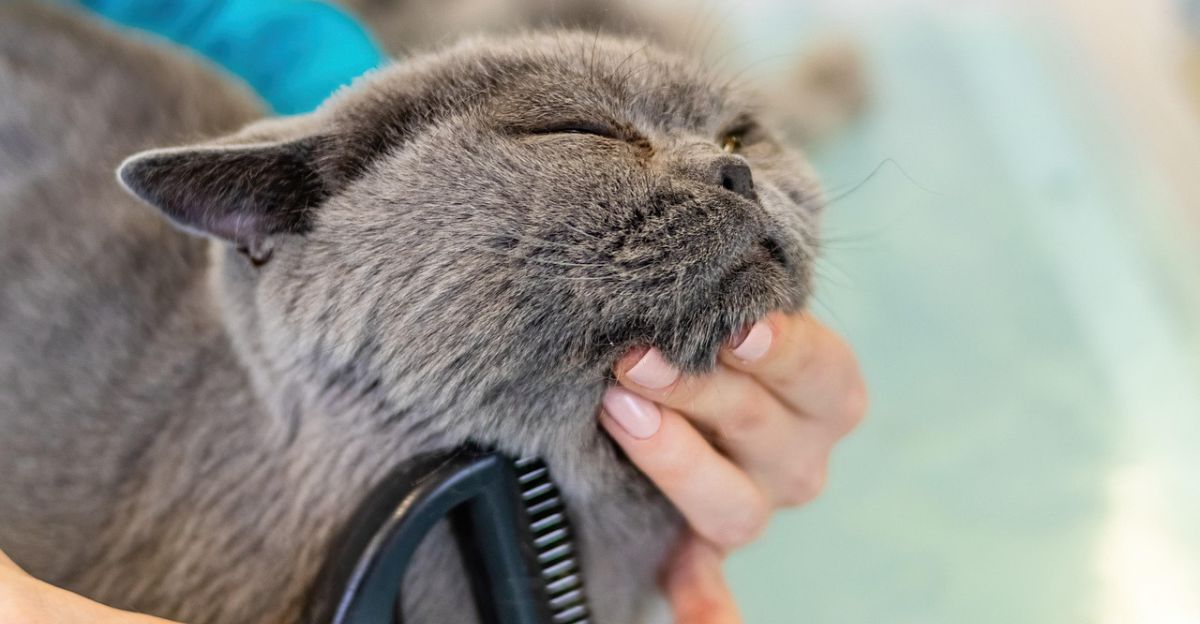
Credit: tryfurgo.com
Signs Of Grooming Changes
Cats usually spend a lot of time grooming themselves. This keeps their fur clean and healthy. When grooming stops or changes, it shows in different ways. Spotting these signs early helps you understand your cat’s health. Changes in grooming might mean illness or stress.
Noticeable Fur Changes
The fur may look dull or greasy. You might see mats or clumps. Bald patches can appear in some spots. Fur can become uneven or patchy. These changes show your cat is not grooming well.
Unpleasant Odors
A bad smell can come from your cat’s coat. This happens when dirt and oils build up. The smell might be strong and sour. It is a sign that grooming has stopped or slowed down.
Increased Scratching
Your cat may scratch more than usual. Scratching can cause redness or sores. It can also lead to hair loss. This behavior suggests irritation or skin problems. Grooming changes often cause this discomfort.
Behavioral Shifts
Changes in grooming often come with behavior shifts. Your cat might hide or sleep more. It may seem less active or playful. Sometimes, cats become more irritable or anxious. These changes hint at underlying health issues.
Credit: www.purina.com
Common Causes
Noticing your cat has stopped grooming can be worrying. This change often signals underlying issues that need your attention. Understanding the common causes helps you respond effectively and support your feline friend’s health and comfort.
Health Issues
Illnesses like skin infections, allergies, or parasites can make grooming uncomfortable for your cat. Sometimes, internal problems such as kidney disease or diabetes reduce their energy and interest in self-care.
If you see matted fur or unusual skin redness, these could be signs of health problems. Have you checked for any lumps or wounds that might be causing your cat to avoid grooming?
Pain And Discomfort
Pain from arthritis or injury can limit your cat’s movement, making grooming a challenge. Imagine trying to reach spots on your body when each movement hurts—that’s what your cat experiences.
Your cat might still want to groom but simply can’t. Watching for limping, stiffness, or sensitivity when touched can give you clues about hidden pain.
Stress And Anxiety
Changes in your cat’s environment, like moving house or new pets, often trigger stress. Anxiety can reduce grooming habits as your cat’s focus shifts to coping with the change.
Does your cat hide more or show signs of restlessness? These behaviors often accompany reduced grooming and signal emotional distress.
Aging Effects
Older cats naturally groom less due to reduced flexibility and slower reflexes. Their fur might become dull or tangled because reaching certain areas is harder than before.
Helping your senior cat with gentle brushing can make a big difference. What small adjustments can you make to support your aging pet’s grooming needs?
Health Problems Linked To Grooming
Cats that stop grooming may develop skin infections, mats, and hair loss. Lack of grooming can also signal health issues like arthritis or dental pain. Regular grooming helps keep cats healthy and comfortable.
Cats are meticulous groomers. When they stop grooming, it can signal health issues. Grooming keeps their coat clean and healthy. Lack of grooming might indicate underlying health problems. Understanding these issues helps in providing timely care.Skin Infections
Poor grooming can lead to skin infections. Cats might develop matted fur. This traps dirt and moisture. Bacteria thrive in these conditions. Untreated infections can cause pain and discomfort. Regular checks can prevent severe issues.Dental Issues
Dental problems can deter grooming. Painful teeth or gums make grooming difficult. Cats might avoid grooming to prevent discomfort. Check for bad breath or drooling. These signs point to dental troubles. Addressing dental issues can restore grooming habits.Arthritis And Mobility
Arthritis affects a cat’s ability to groom. Stiff joints make movement painful. Cats may struggle to reach certain areas. Older cats are more prone to arthritis. Monitor your cat’s mobility and comfort. Vet visits can help manage arthritis effectively.Parasite Infestations
Parasites irritate a cat’s skin. Fleas and ticks are common culprits. They cause itching and discomfort. Cats may stop grooming due to irritation. Regular parasite control is crucial. It ensures your cat’s comfort and health.How To Support Your Cat
Caring for a cat that stops grooming requires patience and attention. Cats rely on grooming to stay clean and healthy. Without it, they may feel uncomfortable or develop skin problems. Supporting your cat helps maintain their comfort and well-being. Understanding simple ways to assist can make a big difference.
Regular Vet Checkups
Regular visits to the vet catch health problems early. Some illnesses cause grooming to stop. A vet can check for pain, infections, or arthritis. Early treatment improves your cat’s quality of life. Schedule checkups at least twice a year. Keep your cat’s vaccinations and tests up to date.
Pain Management
Pain often stops cats from grooming themselves. Arthritis or injuries can make grooming painful. Your vet can suggest safe pain relief options. Medication or supplements may reduce discomfort. Watch for signs of pain like limping or hiding. Helping your cat feel better encourages grooming again.
Stress Reduction Techniques
Stress affects a cat’s grooming habits. Changes in the home or loud noises can upset cats. Create a calm space with cozy beds and quiet corners. Use pheromone diffusers to ease anxiety. Keep a regular routine for feeding and play. Less stress helps your cat feel safe and relaxed.
Assisted Grooming Tips
Assist your cat with grooming to keep their coat clean. Use a soft brush to remove loose fur gently. Trim mats carefully with scissors or a comb. Bathe your cat only if necessary and use cat-safe shampoo. Be patient and calm during grooming sessions. Praise and treats make grooming a positive experience.
Preventing Grooming Decline
Preventing grooming decline in cats is essential to keep them healthy and comfortable. Grooming is more than just cleanliness; it reflects your cat’s wellbeing. When grooming habits falter, it can signal underlying problems that need your attention.
Balanced Nutrition
Your cat’s diet plays a huge role in maintaining a shiny, healthy coat. Nutrients like omega-3 and omega-6 fatty acids support skin health and reduce itching or dryness. Make sure your cat’s food includes high-quality proteins and essential vitamins.
I once noticed my cat’s fur becoming dull and patchy. After switching to a nutrient-rich diet recommended by my vet, the improvement was visible within weeks. Have you checked if your cat’s food meets their nutritional needs?
Environmental Enrichment
Bored or stressed cats often neglect grooming. Keeping your cat mentally and physically stimulated can encourage regular self-care. Provide toys, scratching posts, and quiet spaces where your cat feels safe.
Think about how your cat spends its day. Could lack of stimulation be causing grooming to decline? Small changes in your home environment might make a big difference in your cat’s grooming habits.
Routine Health Monitoring
Regular vet visits help catch health issues before they impact grooming. Skin infections, dental problems, or arthritis can make grooming painful or difficult. Watch for changes in behavior or coat condition and consult your vet promptly.
Keeping a grooming journal can help you spot trends. Does your cat stop grooming after a stressful event or illness? Tracking these details can provide valuable clues to your vet and keep your cat’s grooming on track.
:strip_icc()/the-kitty-1011094438-5c3d1af5c9e77c00015e66a6.jpg)
Credit: www.thesprucepets.com
Frequently Asked Questions
Why Do Cats Suddenly Stop Grooming Themselves?
Cats may stop grooming due to illness, pain, stress, or old age. It often signals health problems needing veterinary attention. Regular grooming is vital for their hygiene and comfort. Identifying the cause early helps prevent further issues and keeps your cat healthy.
How To Tell If A Cat Stopped Grooming Due To Illness?
Look for matted fur, bad odor, or skin infections. Cats ill with arthritis or dental problems may avoid grooming. Behavioral changes like lethargy or loss of appetite also indicate illness. A vet visit is essential to diagnose and treat underlying causes promptly.
Can Stress Cause Cats To Stop Grooming?
Yes, stress can disrupt a cat’s grooming habits. Changes in environment, loud noises, or new pets trigger stress. This leads to reduced grooming and poor coat condition. Reducing stressors and providing comfort can help restore normal grooming behavior.
When Should You Worry If A Cat Stops Grooming?
Worry if grooming stops suddenly and lasts more than a day or two. Persistent neglect may indicate serious health or emotional issues. Immediate veterinary assessment is necessary to diagnose and treat any underlying problems effectively.
Conclusion
Cats stop grooming for many reasons, from health to stress. Watch your cat closely and notice changes in behavior. Early action can help keep your cat healthy and happy. Regular vet visits catch problems before they get worse. Clean, well-groomed cats feel better and live longer.
Caring for your cat means paying attention to grooming habits. Small changes can signal big issues. Stay patient and kind while helping your furry friend. Your care makes a big difference in your cat’s life.

Leave a Reply