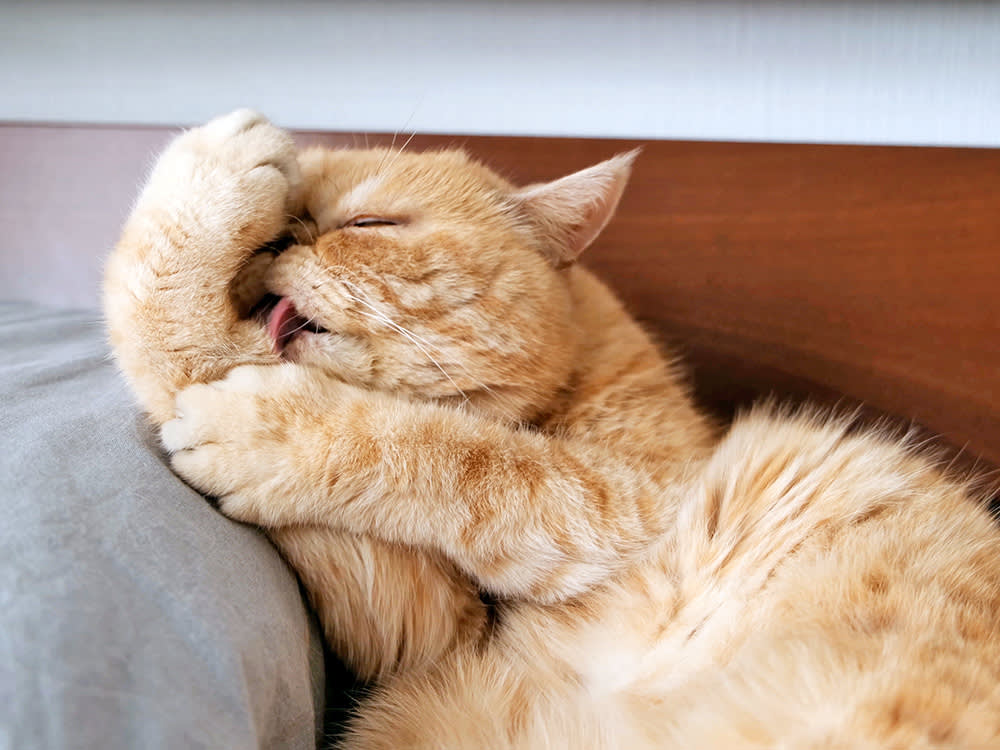
Have you ever noticed your cat waking up and immediately starting to clean itself? You might wonder why your furry friend spends so much time grooming right after a nap.
Understanding this behavior can help you connect better with your pet and even improve their health. Keep reading to discover the surprising reasons behind your cat’s post-sleep grooming routine and what it means for your beloved companion.
Cats’ Grooming Habits
Cats are known for their fastidious grooming habits. You might have noticed your cat spending a good amount of time licking its fur, especially after waking up. But why do they do this? Understanding your cat’s grooming behavior helps you appreciate their unique way of staying clean and comfortable.
Why Cats Groom Themselves
Cats groom to keep their fur clean and free from dirt or parasites. This behavior also helps regulate their body temperature by removing excess fur and spreading natural oils evenly. When I watched my cat after a nap, it was clear that grooming is also a way for them to relax and feel secure.
Grooming isn’t just about cleanliness—it’s a way for cats to calm themselves and reduce stress. Have you ever noticed your cat licking more when they seem anxious? That’s because grooming releases endorphins, which make them feel better.
Frequency Of Grooming Sessions
Cats typically groom themselves several times a day, especially after sleeping or eating. Short grooming sessions may happen every hour, while longer ones can last up to 30 minutes. Your cat’s age, health, and environment can affect how often they groom.
If you see your cat grooming excessively or not at all, it might signal an issue. For example, older cats or those with dental problems might groom less. On the other hand, over-grooming can cause bald spots and may mean stress or allergies.

Credit: www.reddit.com
Grooming After Sleep
Have you noticed your cat waking up and immediately starting to clean itself? Grooming after sleep is a natural habit for cats, deeply rooted in their behavior. It’s more than just a quick lick; it’s a deliberate routine that helps them feel refreshed and ready to face the day—or night.
Common Grooming Behaviors Post-nap
Right after waking up, cats often begin with gentle licking of their face and head. This helps remove any dirt or loose fur that settled while they were asleep.
Next, they move on to their body, using their rough tongues to smooth their fur and remove any tangles. You might see them stretching at the same time, which loosens muscles and prepares them for activity.
Some cats also paw at their ears or scratch lightly. These small actions clear away debris and stimulate blood flow.
Benefits Of Grooming After Sleeping
Grooming after a nap is not just about cleanliness. It helps regulate your cat’s body temperature by spreading natural oils across their fur.
This routine also reduces stress and anxiety. After waking, grooming gives cats a sense of control and calm, which you might notice if your cat seems more relaxed post-groom.
Have you ever wondered why your cat seems more alert after grooming? This behavior stimulates their senses and sharpens focus, helping them transition smoothly from rest to activity.
Surprising Grooming Facts
Cats have a grooming routine that often surprises even their most attentive owners. After a nap, you might notice your feline friend licking their fur meticulously. This behavior isn’t just about looking clean—it’s packed with benefits that support their well-being in ways you might not expect.
How Grooming Affects Cat Health
Grooming helps cats remove dirt, loose fur, and parasites like fleas. It also stimulates blood flow to their skin, which promotes healing and keeps their coat shiny.
Have you ever seen a cat stop grooming suddenly? It could signal health issues like skin infections or stress. Paying attention to grooming habits can give you early clues about your cat’s health.
Grooming And Temperature Regulation
Grooming isn’t just about cleanliness—it helps cats control their body temperature. When a cat licks its fur, saliva spreads across the skin and evaporates, cooling them down.
This natural cooling method is especially important after sleeping, when a cat’s body temperature might have dropped slightly. Next time your cat grooms after a nap, remember it’s part of how they stay comfortable and balanced.

Credit: www.companionanimalpsychology.com
Signs Of Over-grooming
Cats often groom themselves after sleeping to clean and refresh their fur. Signs of over-grooming include bald patches, redness, and constant licking. Watch for these to keep your cat healthy and comfortable.
Cats often groom themselves after sleeping. It’s a natural behavior. But over-grooming can signal problems. Spotting the signs is important for cat health.Causes Of Excessive Grooming
Cats may groom too much due to stress. Changes in their environment can trigger anxiety. Allergies can also cause excessive grooming. Skin irritations make cats uncomfortable. Parasites like fleas are another common cause. They make cats itch and groom more.When To Consult A Vet
Watch for bald patches on your cat. Open sores are a red flag. These can lead to infections. Observe if your cat seems restless or distressed. These signs require a vet visit. Professional advice ensures proper care and treatment. A vet can identify underlying issues. This ensures your cat stays healthy and happy.Tips To Support Your Cat’s Grooming
Supporting your cat’s grooming habits helps keep them healthy and happy. Grooming removes dirt and loose fur. It also prevents skin problems. Cats feel calm and relaxed after grooming. You can help create the right setting for this natural behavior. Small actions make a big difference in your cat’s daily care.
Creating A Comfortable Environment
Choose a quiet, warm spot for your cat to rest and groom. Soft bedding invites them to relax and clean themselves. Keep their space clean and free from loud noises. Natural light helps your cat see better while grooming. A calm environment reduces stress and encourages regular grooming habits.
Assisting With Grooming Needs
Brush your cat gently to remove loose fur and prevent mats. Use a brush suited to your cat’s fur type. Regular brushing helps avoid hairballs and skin issues. Check your cat’s skin for any signs of irritation. Help clean their eyes and ears if needed. Offer water nearby to keep them hydrated during grooming.

Credit: www.companionanimalpsychology.com
Frequently Asked Questions
Why Do Cats Groom After Waking Up?
Cats groom after waking to clean their fur and remove dirt. Grooming also helps them regulate body temperature and relax. This behavior keeps their coat healthy and reduces stress.
How Long Do Cats Groom After Sleeping?
Cats usually groom for a few minutes after sleeping. The duration varies depending on the cat’s mood and environment. Grooming helps them feel refreshed and alert.
Does Grooming After Sleep Improve A Cat’s Health?
Yes, grooming removes dirt and parasites, promoting healthy skin and fur. It also stimulates blood flow and prevents matting. Regular grooming supports overall feline wellness.
Can Cats Skip Grooming After Naps?
Cats rarely skip grooming after naps. Grooming is an instinctive behavior to maintain cleanliness. However, illness or stress might cause a cat to groom less.
Conclusion
Cats often groom after sleeping to clean their fur and feel fresh. This behavior helps remove dirt and loose hair. Grooming also calms cats and keeps their skin healthy. You might notice your cat licking its paws and face right after waking up.
This shows their natural care routine. Understanding this habit helps you appreciate your cat’s daily life. Watch your cat’s grooming to learn more about its health. Simple yet important. Cats know best how to stay clean and comfortable.


Leave a Reply