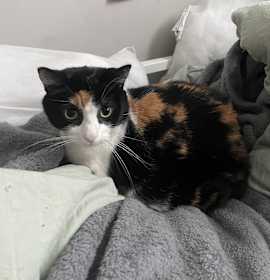
Have you ever wondered what makes a calico cat’s coat so unique and colorful? If you’re curious about the two breeds that come together to create those beautiful patches of orange, black, and white, you’re in the right place.
Understanding which cat breeds combine to form a calico not only satisfies your curiosity but also helps you appreciate these charming felines even more. Keep reading to discover the surprising answer behind the colorful beauty of calico cats and what it means for you as a cat lover.

Credit: www.cattownoakland.org
Calico Cat Colors
Calico cats are famous for their unique and colorful coats. Their fur shows a mix of three colors that create a striking look. These colors are not just random; they follow special patterns that make each calico cat one of a kind. Understanding these colors helps us learn more about what makes calico cats so special.
Distinctive Color Patterns
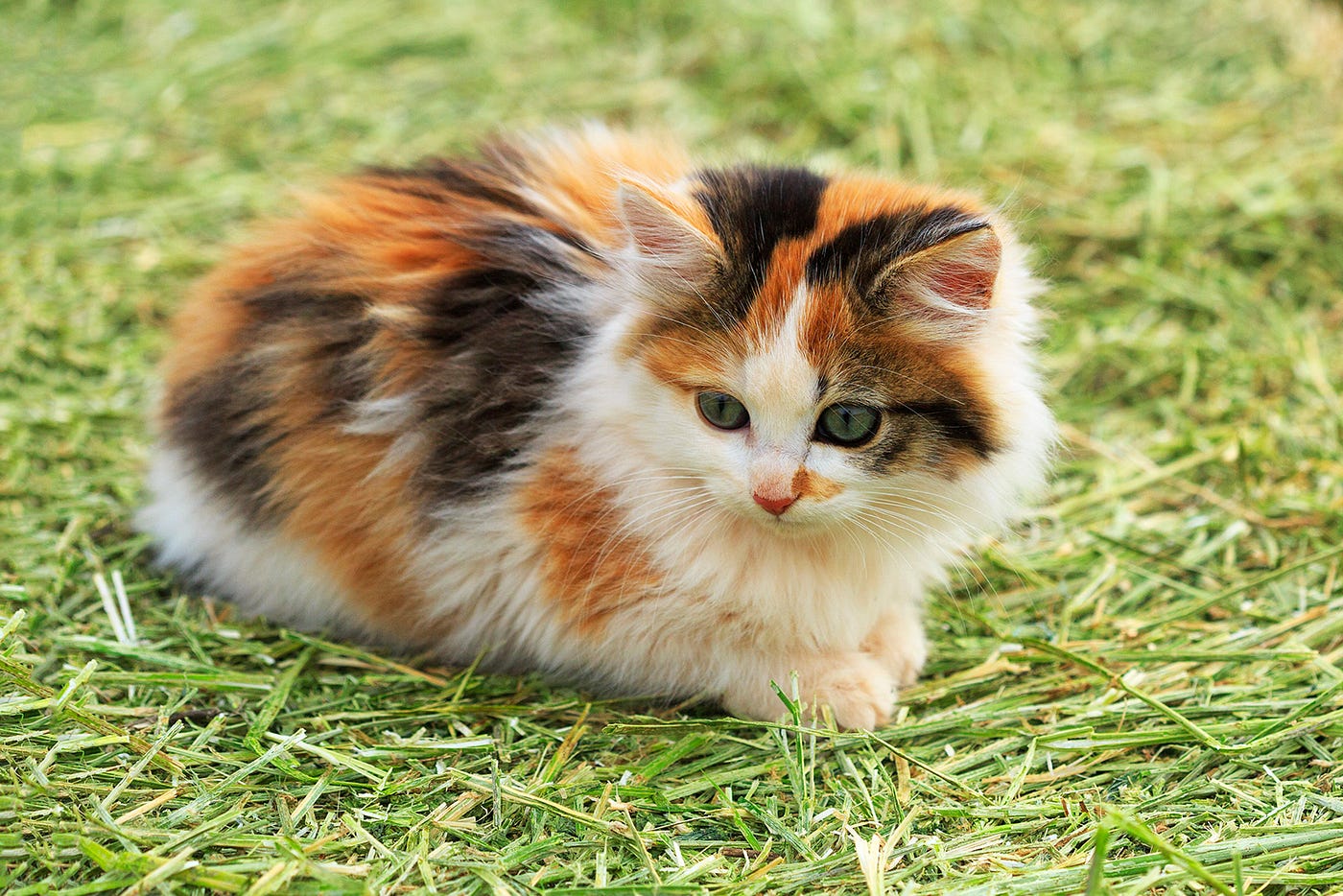
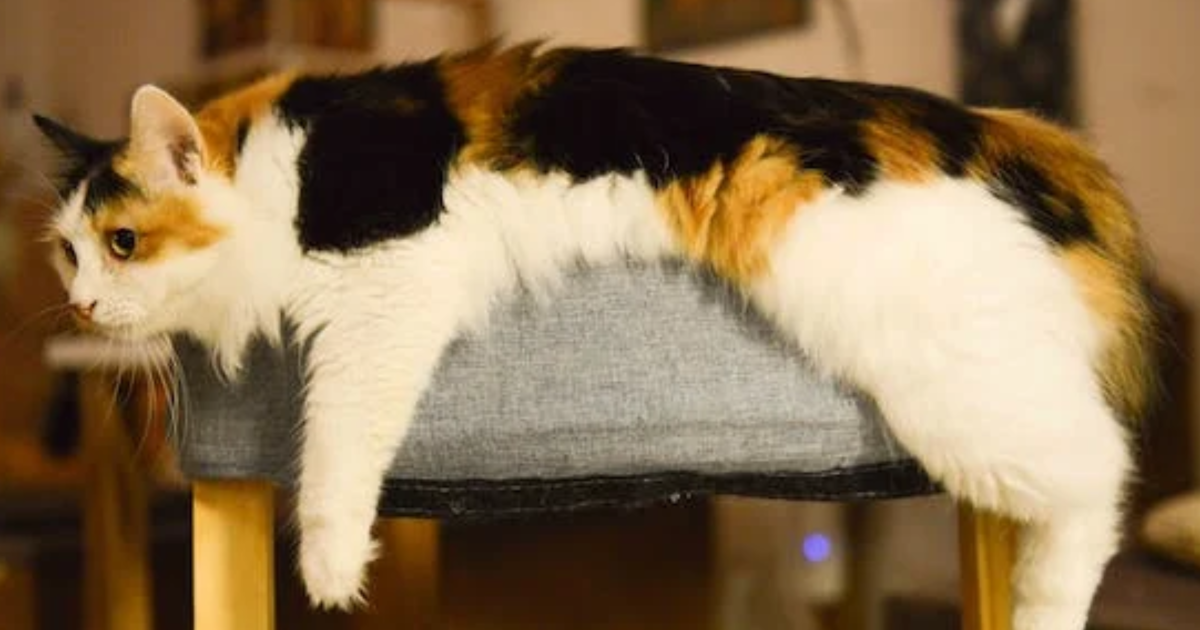
Calico cats have three main colors: white, black, and orange. These colors appear in patches. The patches can be large or small, and no two calicos look exactly the same. The white color is usually the base, with black and orange spots on top. This pattern gives calico cats their famous tricolor look.
- White: often the background color
- Black: appears as spots or patches
- Orange: adds bright, warm tones
The mix of these colors creates a beautiful and eye-catching coat. This pattern is not limited to one breed. Many cat breeds can have calico coloring.
Genetics Behind Calico
The colors in calico cats come from their genes. A special gene controls the orange and black colors. This gene is found on the X chromosome. Female cats have two X chromosomes, so they can have both colors. Male cats have only one X chromosome, so calico males are very rare.
The white color comes from a different gene. It controls how much white shows on the cat’s body. The combination of these genes creates the unique calico pattern. This genetic mix is why calico cats are mostly female and why their colors are so varied.
Breed One: American Shorthair
The American Shorthair is a popular breed known for its strong build and friendly nature. This breed has a long history in the United States, originally brought by early settlers. It adapts well to various environments and families. American Shorthairs are one of the key breeds that can carry the genes for calico coloring.
Their genetics allow for the unique calico pattern, making them essential in creating calico cats. Understanding this breed helps explain how calico cats come to have their distinct color patches.
Physical Traits
American Shorthairs have a muscular and balanced body. Their faces are round with large, expressive eyes. Ears are medium-sized and slightly rounded at the tips. Their coat is short, dense, and glossy, which makes grooming easy.
They come in many colors and patterns, including the classic tabby. Their strong legs and broad chest give them good agility and strength. These traits make them excellent hunters and playful companions.
Calico Variations
Calico patterns on American Shorthairs vary widely. The typical calico has three colors: white, black, and orange. Some have more white, while others show more black or orange patches.
There are also variations like dilute calicos, where the colors appear softer. These colors might look like gray, cream, and light orange. Each calico cat’s pattern is unique, making every one special.
Breed Two: Japanese Bobtail
The Japanese Bobtail is a fascinating breed that often contributes to the distinctive look of calico cats. Known for its short, “bobbed” tail and lively personality, this breed adds more than just color to the calico mix. Understanding its traits helps you appreciate why it’s a favorite among calico enthusiasts.
Unique Features
The Japanese Bobtail stands out with its naturally short tail, which looks like a fluffy pom-pom. This unique tail is not docked but a result of a genetic mutation, making each cat’s tail shape one-of-a-kind.
You’ll notice their slender body and long legs, which give them an elegant and agile appearance. Their eyes are large and expressive, often making them look curious and alert.
These cats are known for their friendly and playful nature, often forming strong bonds with their owners. If you want a cat that’s both affectionate and active, the Japanese Bobtail might be the perfect match.
Calico Characteristics
The Japanese Bobtail is one of the breeds that frequently display the calico color pattern. This pattern involves patches of white, black, and orange fur, which creates a striking and beautiful look.
Interestingly, most calico cats are female due to the genetics behind their coloring. The Japanese Bobtail’s short tail and calico pattern make them easy to spot in a crowd.
When you see a calico Japanese Bobtail, you get more than just a pretty coat. You get a cat with personality and history wrapped into one charming package.
Credit: pencilflip.medium.com
Why These Breeds Show Calico
Calico cats are famous for their striking tri-color coats, but not every cat breed can show this unique pattern. The reason lies in the specific breeds that carry the genetic traits necessary for calico coloring. Understanding why these breeds show calico patterns gives you a clearer picture of feline genetics and breed characteristics.
Genetic Compatibility
Calico coloration depends on the X chromosome carrying two different color genes. Since female cats have two X chromosomes, they can show both orange and black patches, while males rarely do. Only certain breeds have the genetic makeup that allows this color combination to appear vividly.
For example, the American Shorthair and the Japanese Bobtail often display calico patterns because their genes support the tri-color expression. If you’re curious about why your cat’s coat looks a certain way, consider its breed’s genetic ability to carry these colors.
Breed History And Origins
The breeds known to show calico colors usually have rich histories tied to specific regions and breeding practices. The Japanese Bobtail, often linked to calico coloring, was bred in Japan where these patterns were highly valued for good luck. Meanwhile, the American Shorthair’s calico pattern came from a mix of European and Native American domestic cats.
Knowing your cat’s breed history can help you understand why it might have calico coloring. Have you ever thought about how a cat’s origin influences not just its looks but its behavior and traits too?
Other Breeds With Calico Patterns
Calico cats are known for their vibrant, patchy coats. While many believe only specific breeds can have calico patterns, this is not true. Various breeds can exhibit these unique and colorful markings.
Common Misconceptions
A common misconception is that calico refers to a breed. It is not a breed but a coat pattern. This pattern is present in many breeds, not just one or two. Another misconception is that calicos are always female. While most are, some rare male calicos exist.
Rare Calico Breeds
Some breeds are less commonly seen with calico patterns. These include the Persian, known for its long, luxurious coat. The Manx, famous for its taillessness, can also have calico markings. The exotic Scottish Fold, with its unique ear shape, sometimes displays this pattern. Each of these breeds offers a distinct appearance when adorned with a calico coat.
Caring For Calico Cats
Caring for calico cats means paying attention to their unique needs, both in health and behavior. These colorful felines often bring joy with their distinct personalities, but they also require thoughtful care to thrive in your home. Understanding what makes them tick helps you build a stronger bond and keep them happy and healthy.
Health Considerations
Calico cats are almost always female, which can influence certain health factors. You should watch for common cat ailments, but also be aware that calicos may have a higher chance of genetic conditions linked to their unique coloring.
Regular vet visits are essential. Vaccinations, dental care, and parasite prevention keep your calico in top shape. Also, consider their diet carefully; a balanced, protein-rich food supports their active lifestyle.
Have you noticed your calico grooming less or acting lethargic? These can be signs of health issues. Early detection through attentive care makes all the difference.
Behavioral Traits
Calico cats are often described as spirited and independent. You may find your calico shows strong opinions about playtime and affection, sometimes surprising you with bursts of energy or calm.
They can be vocal, using different sounds to communicate their needs or moods. Pay attention to these signals; your cat is telling you how to best support her.
Providing interactive toys and a cozy space encourages positive behavior. Have you tried puzzle feeders or climbing trees? These stimulate their mind and body, reducing boredom and stress.
Credit: pethelpful.com
Frequently Asked Questions
What Two Cat Breeds Typically Make A Calico?
Calico cats are not a breed but a color pattern. Commonly, Domestic Shorthair and Japanese Bobtail breeds display calico coloring. Both breeds can have the distinctive orange, black, and white patches typical of calicos.
Are Calico Cats Only From Specific Breeds?
No, calico coloring can appear in many cat breeds. The pattern depends on genetics, not breed. Domestic Shorthair and Japanese Bobtail are popular examples but not exclusive.
Why Are Calico Cats Usually Female?
Calico coloring is linked to the X chromosome. Females have two X chromosomes, allowing the mix of orange and black fur. Males rarely have this pattern due to having only one X chromosome.
Can Two Calico Cats Produce Calico Kittens?
Two calico parents can have calico kittens, but it’s not guaranteed. Calico coloring depends on complex genetics involving X chromosomes. Breeding two calicos increases chances but doesn’t ensure calico offspring.
Conclusion
Calico cats come from a mix of different breeds. The key breeds are the American Shorthair and the Japanese Bobtail. These breeds carry the genes that create the calico’s unique colors. Every calico cat shows a special blend of orange, black, and white patches.
This mix makes each calico one of a kind. Understanding their breed background helps appreciate their beauty even more. Calico cats are truly a colorful example of nature’s variety. Their charm is not just in looks but in their rich genetic story too.




Leave a Reply